
What Are Ferrous Metals And Non Ferrous Metals
Have you ever rummaged through your kitchen drawers and wondered about that trusty old spatula or the shiny new pot you bought? Or maybe you've admired a sturdy bridge, a gleaming car, or even a beautiful piece of jewelry. It turns out, there's a whole hidden world of materials at play, and they fall into two main, rather dramatic, categories: ferrous metals and non-ferrous metals.
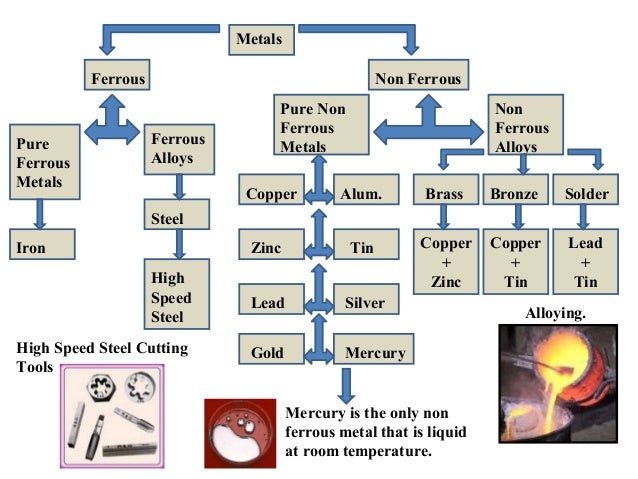
Think of it like a super-secret club with very specific membership rules. The bouncer at the door for the ferrous metals club has one main question: "Do you have iron in your soul?" If the answer is a resounding "yes," you're in! If not, well, you'll have to try your luck with the other club.
So, what is this mysterious iron that makes metals "ferrous"? It's actually the star ingredient! Many of the metals we encounter every day owe their strength and character to this fundamental element. They are the backbone of so much of our world, the dependable, sometimes grumpy, but always reliable members of the metal family.
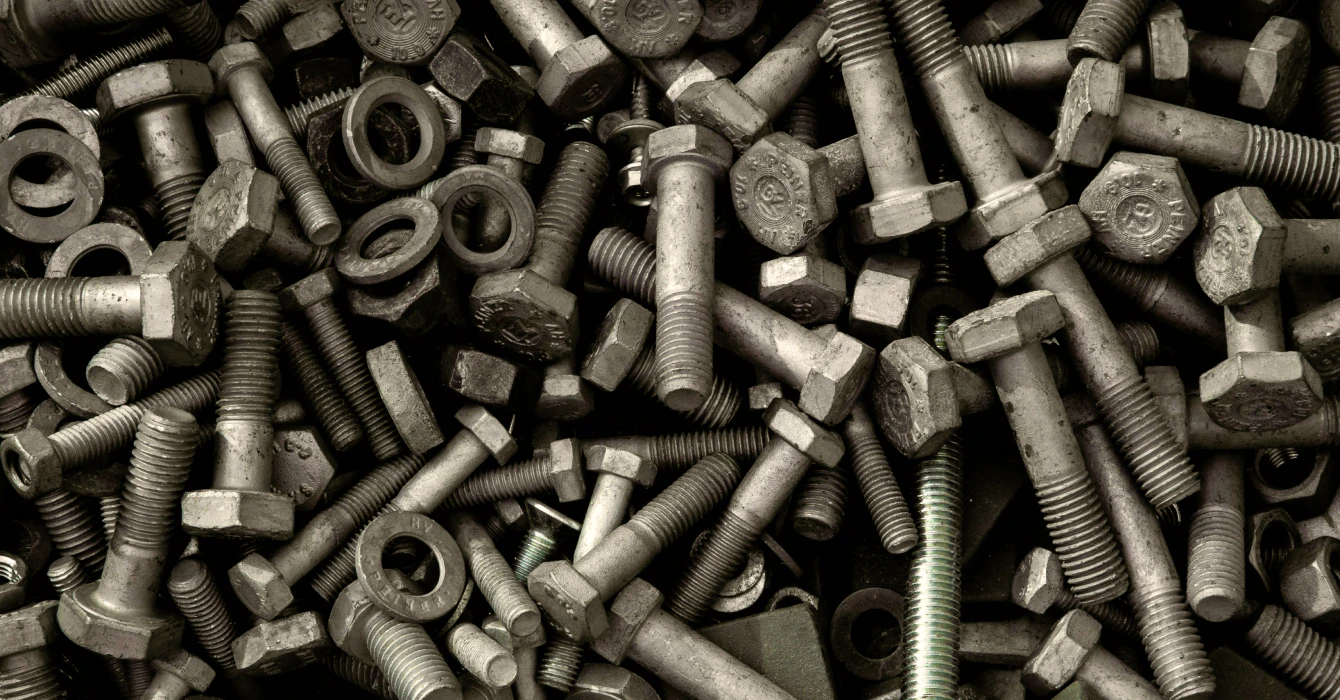
The most common member of the ferrous club is, unsurprisingly, iron itself. But iron rarely goes it alone. It often likes to hang out with a little bit of carbon, and when they do, they create something truly special: steel! Yes, that incredibly strong stuff that builds our skyscrapers, cars, and even your trusty bicycle is a ferrous metal.
Steel is like the superhero of the metal world. It’s tough, it’s resilient, and it can be molded into all sorts of shapes and sizes to do its heroic work. From the tiniest screw holding your glasses together to the massive girders that support a bridge, steel is there, silently doing its job.
But not all steel is created equal. Some steel is made with extra little friends, like chromium and nickel. When these join the party, they create a super-powered version called stainless steel. This is the metal that resists rust, keeping your kitchen knives and cutlery looking as good as new, even after a splashy encounter with dish soap.
Think about that moment you accidentally leave a wet sponge on your cast iron skillet. That reddish-brown bloom that starts to appear? That's rust, and it's a big giveaway that you're dealing with a ferrous metal. Rust happens when iron meets oxygen and water, and it's kind of like the ferrous metals blushing a little too much.
These ferrous metals, especially iron and steel, are fantastic at being strong and holding their shape. They are often magnetic, which is a fun party trick! You can test it by grabbing a magnet and seeing if it sticks. If it does, you're probably holding a ferrous metal, and it might just be best friends with that magnet.
Now, let's talk about the other side of the coin, the more diverse and perhaps slightly more glamorous club: the non-ferrous metals. These are the metals that politely decline the "iron in your soul" test. They have their own unique personalities and don't rely on iron for their best qualities.
One of the most well-known members of the non-ferrous club is aluminum. You know aluminum foil? That flimsy yet essential kitchen companion that keeps your leftovers fresh? That's aluminum! It's surprisingly lightweight, which is why it's used in airplanes and soda cans.
Imagine trying to build an airplane out of heavy steel. It would be a disaster! Aluminum's lightness is a game-changer, making travel faster and more fuel-efficient. It’s the quiet achiever, the one who’s always contributing without making a fuss.
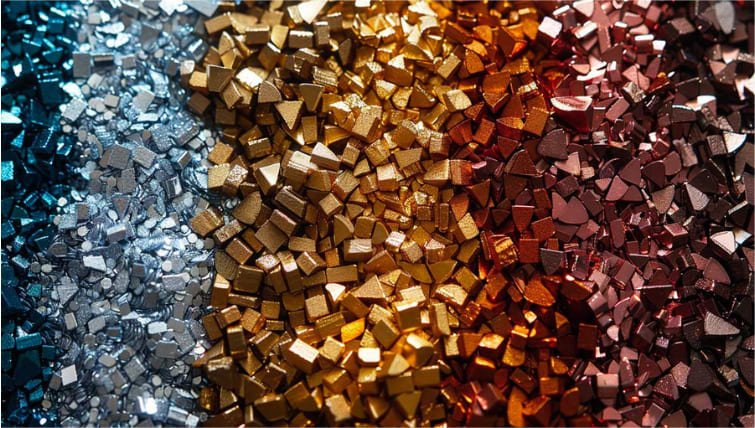
Then there's copper. Oh, copper! This reddish-brown metal is a true charmer. It's excellent at conducting electricity, which is why you'll find it in all sorts of wires, from the ones in your walls powering your TV to the tiny ones inside your phone.
Copper is also the metal behind those beautiful, earthy tones in plumbing pipes and decorative items. It has a warm glow that can make any object feel a little more special. And let's not forget the humble penny; many older coins were made of copper, carrying a little piece of history in your pocket.
And what about that sparkly, precious metal that adorns so many wedding rings and treasured necklaces? That's gold! Gold is a non-ferrous metal that is incredibly resistant to corrosion and tarnish. It's so stable, it practically laughs in the face of rust and wear.
Then there's silver, another precious non-ferrous metal. While it can tarnish over time, it’s still incredibly valuable and beautiful. It’s used in jewelry, tableware, and even some high-tech applications because of its conductivity.
Don't forget about lead, a heavy and soft non-ferrous metal that, while not as common in everyday items anymore due to health concerns, has historically been used for its density and malleability. It’s a reminder that even the less glamorous metals have their own stories and properties.
Another fascinating non-ferrous metal is zinc. You might encounter it as a protective coating on steel, a process called galvanizing. It's like giving the steel a shield so it doesn't have to deal with the elements as much. Zinc also plays a crucial role in things like batteries and sunscreens!
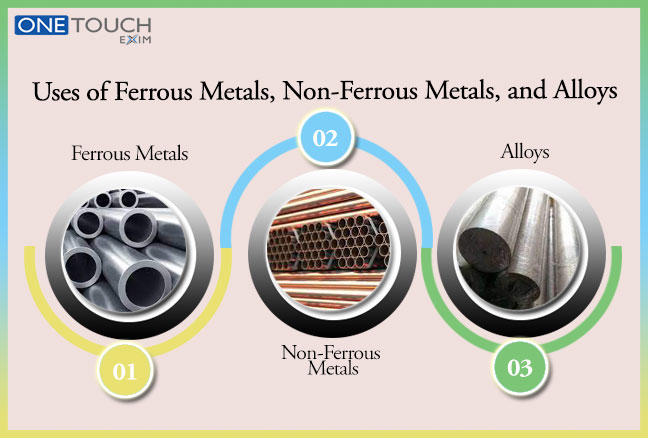
So, why is it important to know the difference? Well, these distinctions affect how metals behave. Ferrous metals, especially iron and steel, tend to be stronger and cheaper, making them ideal for construction and heavy-duty applications. They are the workhorses.

Non-ferrous metals, on the other hand, offer a wider range of properties. They can be lighter (aluminum), better conductors of electricity (copper), more resistant to corrosion (gold, stainless steel), or have unique colors and textures. They are the artists and the innovators.
Think about it: you wouldn't build a delicate piece of jewelry out of heavy, rusty iron, and you wouldn't build the frame of a skyscraper out of light, easily bent aluminum. Each metal has its perfect job, its niche in the grand tapestry of our material world.
The next time you pick up a metal object, take a moment to consider its heritage. Is it a stoic member of the ferrous family, sturdy and reliable, perhaps showing off a hint of its magnetic personality? Or is it a more adaptable member of the non-ferrous club, bringing its unique blend of lightness, conductivity, or sparkle to the table?
It’s a fun little game of metal detective work that can reveal a whole new appreciation for the materials that surround us. They are not just inert objects; they are materials with stories, with families, and with incredibly important roles to play in making our lives easier, more beautiful, and more functional. So, next time you see a shiny spoon or a strong railing, give a little nod to the ferrous and non-ferrous metals that make it all possible!