
What Are The Different Types Of Fishing Rods

Ever looked at a fishing aisle and felt a tiny bit overwhelmed by all the different poles? Don't worry, you're not alone! The world of fishing rods might seem like a secret society with its own language, but understanding the basics is actually a whole lot of fun and super useful for anyone who's ever dreamed of snagging their own dinner (or just enjoying a peaceful afternoon by the water). Think of it like this: just as a chef needs different knives for different tasks, an angler needs different rods to tackle different kinds of fishing. And once you get the hang of it, it’s a real game-changer!
So, why is this important? Well, using the right rod can make the difference between a frustrating day of tangled lines and missed bites, and a glorious day filled with tugs on the line and triumphant catches. It’s all about matching the rod's design and action to the type of fish you’re after, the kind of water you’re fishing in, and the technique you’re using. It’s a bit like having the right tool for the job, but way cooler because the job involves wrestling with a fish!
Spinning Rods: The All-Rounder Champion
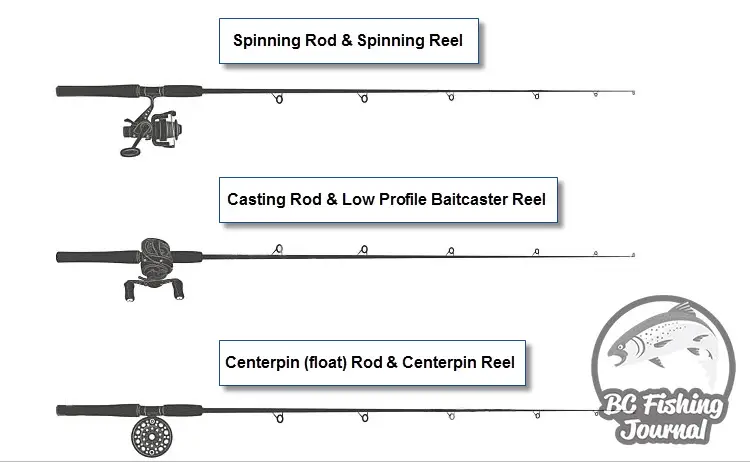
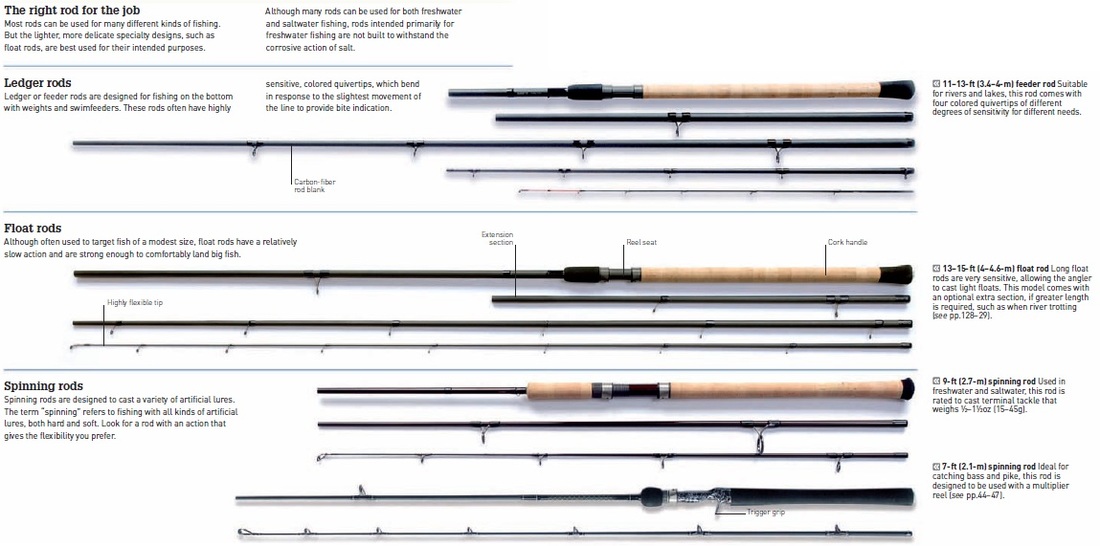
Let’s kick things off with probably the most popular rod out there: the spinning rod. If you’re just starting out or want a versatile rod for a bit of everything, this is your go-to. Spinning rods are easily recognizable by the large guides (the rings the fishing line runs through) and the reel that hangs underneath the rod.
Why they’re great: They’re incredibly user-friendly, making casting easier, especially for beginners. They’re fantastic for lighter lures and baits, and can handle a wide variety of fish, from small panfish to medium-sized bass. You’ll often see them paired with a spinning reel, which is also designed for easy casting and minimal line tangles.
The magic of a spinning rod lies in its medium action. This means the rod bends more towards the middle. This flexibility is great for casting lighter lures and also helps to absorb the shock of a fighting fish, reducing the chance of the line breaking or the hook pulling out. They come in various lengths, too. Shorter ones (around 5-6 feet) are good for tight spots, while longer ones (7-8 feet) offer better casting distance.
Casting Rods: The Powerhouses
Next up are casting rods. These are the more powerful cousins of spinning rods. You’ll usually see the reel mounted on top of the rod, and the guides are typically smaller and taper towards the tip. Casting rods are often paired with baitcasting reels or spincast reels (which are enclosed and even more beginner-friendly than spinning reels).
Why they’re great: If you’re looking for more control, accuracy, and power, a casting rod is your best bet. They excel at casting heavier lures and baits with precision, and they provide a direct line to the fish, allowing for quicker hook sets. If you're targeting larger, stronger fish like pike, musky, or even some saltwater species, a casting rod will give you the leverage you need.
10 Different Types of Fishing Rods
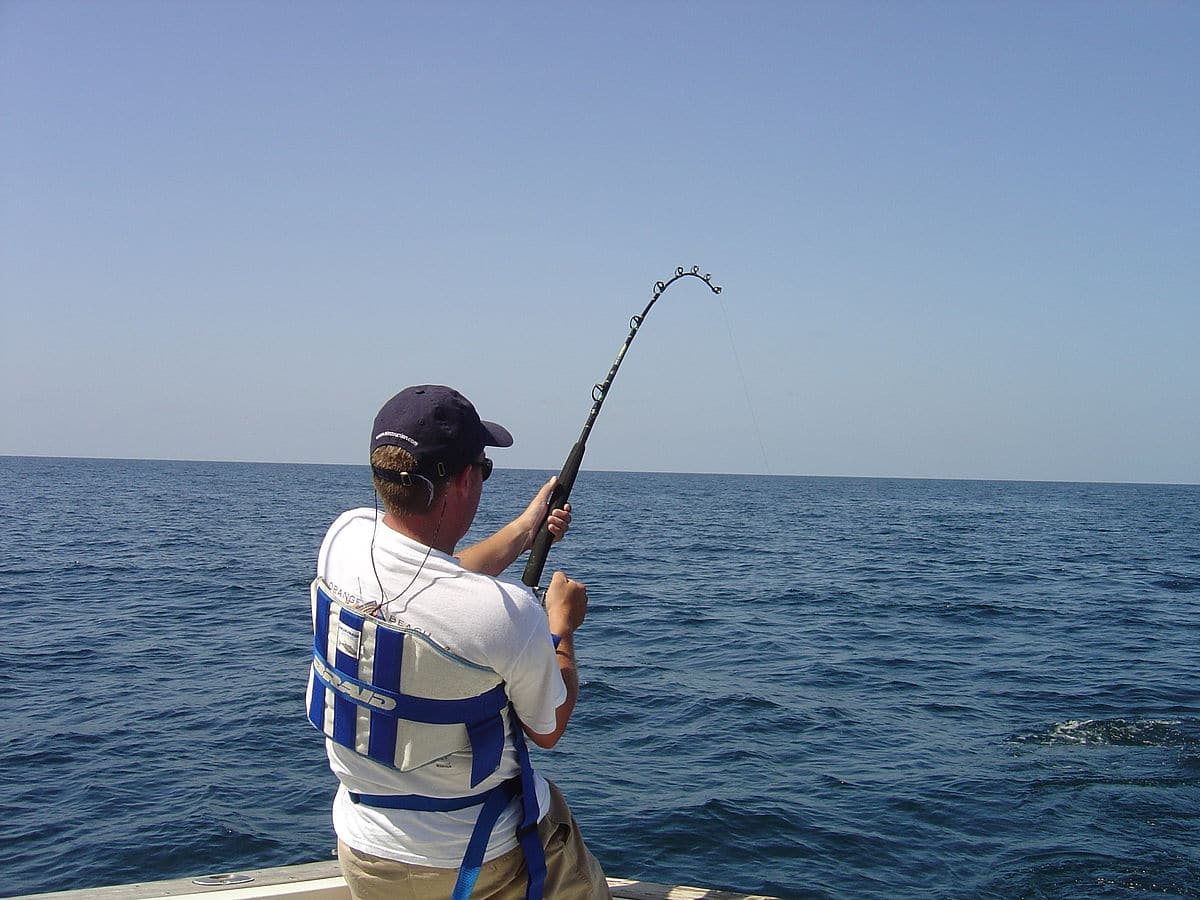
Casting rods often have a fast action, meaning they bend primarily at the tip. This responsiveness is key for feeling subtle bites and setting the hook firmly. They are also generally sturdier and can handle heavier lines. While they can take a little practice to master casting without backlash (the dreaded bird’s nest of line), the control they offer is well worth the effort for many anglers.
Fly Rods: The Artful Anglers' Choice
Now, for something a little different and incredibly elegant: the fly rod. These rods are designed specifically for casting a lightweight artificial fly, which mimics insects or small baitfish. You won't be casting heavy lures with these! Instead, the weight of the fly line itself provides the momentum to cast the fly.
Why they’re great: Fly fishing is an art form, and fly rods are the instruments. They are long, thin, and incredibly flexible, designed to cast delicate flies with accuracy and finesse. They are perfect for targeting trout, salmon, bass, and even saltwater species like bonefish, where presenting a natural-looking bait is crucial.
Fishing Rods Types
Fly rods are categorized by a weight system (e.g., a 5-weight or 8-weight rod), which corresponds to the weight of the fly line it’s designed to cast. A lighter rod (like a 3-weight) is for smaller fish and delicate presentations, while a heavier rod (like a 9-weight) is for larger fish and windy conditions. The action can vary, but they are generally designed for a smooth, controlled casting stroke.
Telescopic Rods: The Travelers' Friend
Last but not least, let’s talk about telescopic rods. As the name suggests, these rods collapse into a compact size, making them incredibly portable. They’re made up of several sections that slide into each other, much like a telescope.
Why they’re great: If you travel a lot, hike to remote fishing spots, or just want a rod that’s easy to store, a telescopic rod is a lifesaver. They are incredibly convenient and surprisingly effective for many types of fishing. They can be found in both spinning and casting styles.
While they might not offer the absolute pinnacle of sensitivity or casting performance compared to a high-end one-piece rod, modern telescopic rods have come a long way. They provide a great balance of convenience and functionality, making them an excellent choice for casual anglers, vacationers, and anyone who prioritizes portability. You can find them with various actions and power ratings, so you can still choose one that suits the kind of fishing you plan to do.
So there you have it! From the versatile spinning rod to the powerful casting rod, the artistic fly rod, and the convenient telescopic rod, there’s a perfect fishing rod out there for every angler and every fishing adventure. Don't be afraid to ask questions at your local tackle shop – they’re usually full of friendly folks happy to guide you towards your next great catch!