
What Are The Strongest Drill Bits For Metal
I remember staring at a particularly stubborn piece of steel a few years back, trying to drill a hole for a ridiculously simple shelf bracket. My trusty, old drill bit, the one that had seen me through countless IKEA furniture assembly projects and the occasional wall anchor, just… whined. It spun, it buzzed, but it barely made a dent. It felt like I was trying to tickle a rhinoceros into submission. Frustrated, I practically threw the drill down (okay, maybe just gently placed it on the workbench with an audible sigh) and went inside to Google, muttering about the inherent unfairness of metal. That, my friends, is when I truly started to appreciate the unsung heroes of the DIY world: the mighty drill bit for metal.
You see, not all drill bits are created equal. And when you're dealing with anything tougher than drywall or soft wood, the kind of bit you choose can be the difference between a satisfying thunk and that soul-crushing whine I experienced. So, what makes a drill bit "strong"? Is it just about being able to brute-force its way through anything? Well, sort of, but there's a lot more nuance to it than that. Let's dive into the fascinating, and sometimes surprisingly complex, world of metal-drilling powerhouses.
The Metallurgy of Might: What Makes Them Tough?
At its core, a drill bit's strength comes down to its material. Think of it like a warrior's armor – the better the material, the better it can withstand the battle. For drilling metal, we're looking for materials that are incredibly hard, wear-resistant, and can handle the intense heat generated during the drilling process. Because, oh boy, does drilling metal get hot. Like, "wear gloves or risk third-degree burns" hot.
The undisputed champion in this arena is, you guessed it, High-Speed Steel (HSS). This stuff is the backbone of most metal drilling bits, and for good reason. It's a type of alloy steel that, when heat-treated, can retain its hardness even at high temperatures. This means you can spin it faster, generate more friction, and still have a bit that's cutting, not just melting into a sad puddle.
But not all HSS is created equal. There are different grades, and the more cobalt an HSS bit has, the tougher it generally is. We're talking about bits with a significant percentage of cobalt, often labeled as HSS Cobalt or M35/M42 (these are designations for specific cobalt alloys). These bits are like the Navy SEALs of the drill bit world – built for the toughest missions.
HSS Cobalt: The Gold Standard (Almost)
So, why is cobalt so special? Well, cobalt is a metal that, when alloyed with steel, significantly increases its red hardness. That's the ability of the steel to resist softening at high temperatures. Imagine trying to drill through thick steel plate. You're going to generate a ton of heat. A standard HSS bit might start to dull and lose its edge pretty quickly. A cobalt bit, on the other hand, can keep on cutting, making the job a whole lot easier and faster. If you're going to be drilling into anything harder than mild steel, like stainless steel, cast iron, or even some tool steels, cobalt bits should be your go-to. Trust me, your drill (and your patience) will thank you.
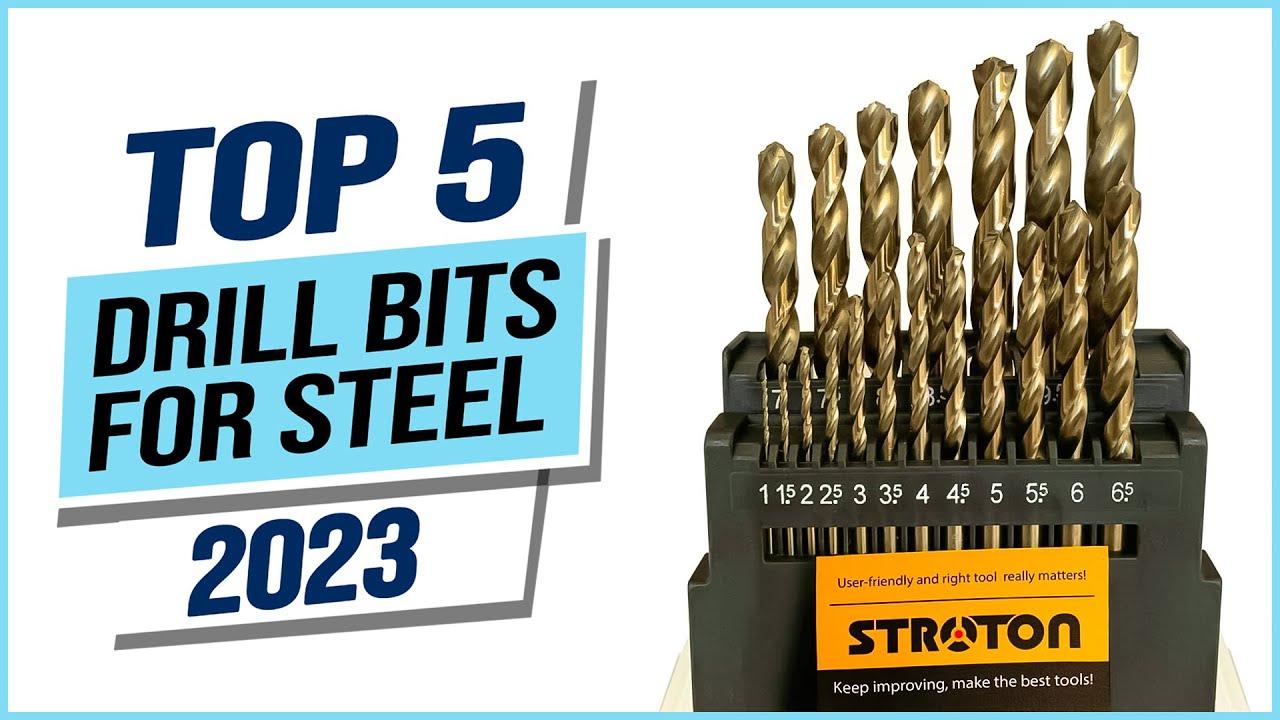
You'll often see them advertised as 5% cobalt (M35) or even 8% cobalt (M42). The higher the percentage, generally the better the performance and the higher the cost. It's a trade-off, but for those really tough jobs, it's a trade-off worth making. I’ve seen cheap bits just melt themselves into oblivion on stainless steel, and it’s a sad sight.
Beyond HSS: The Heavyweights
While HSS Cobalt reigns supreme for most everyday metal drilling, there are even more exotic materials out there for those who need to tackle the truly extreme. These are the bits you'll find in industrial settings, capable of chewing through materials that would make your average DIYer weep.
Carbide Bits: The Unyielding Titans
When you hear "carbide," think ultra-hard. Carbide bits, typically made from tungsten carbide, are significantly harder than even the best HSS bits. They can withstand even higher temperatures and maintain their sharpness for longer periods, especially in very hard or abrasive materials. However, they have a downside: they can be more brittle. This means they're not as forgiving if you drop them or apply excessive side pressure while drilling. They're best used with a drill press where you have more control and can maintain a consistent, straight force. For hand-held drilling, especially by less experienced users, HSS Cobalt is usually the safer and more practical choice.
Carbide bits are often used for drilling very hard steels, ceramics, or composites. If you're in an industrial setting and need to drill hundreds or thousands of holes in tough materials, a carbide bit is probably what you'll be reaching for. For the home workshop, they're usually overkill and a bit too delicate.
Diamond-Tipped Bits: The Special Forces
And then there are the absolute specialists: diamond-tipped bits. These aren't typically used for general metal drilling. Instead, they are designed for drilling extremely hard, non-metallic materials like glass, tile, stone, and yes, some very hard composite materials. The diamond coating provides an unparalleled cutting surface. You won't be drilling through a steel beam with these, but if you need to drill a precise hole in a piece of granite countertop, these are your guys. They often require water cooling to prevent overheating and to wash away debris.
The Importance of Coatings
Even within the realm of HSS and Carbide, coatings can play a significant role in a drill bit's performance. These coatings are applied to the surface of the bit and can offer several benefits:
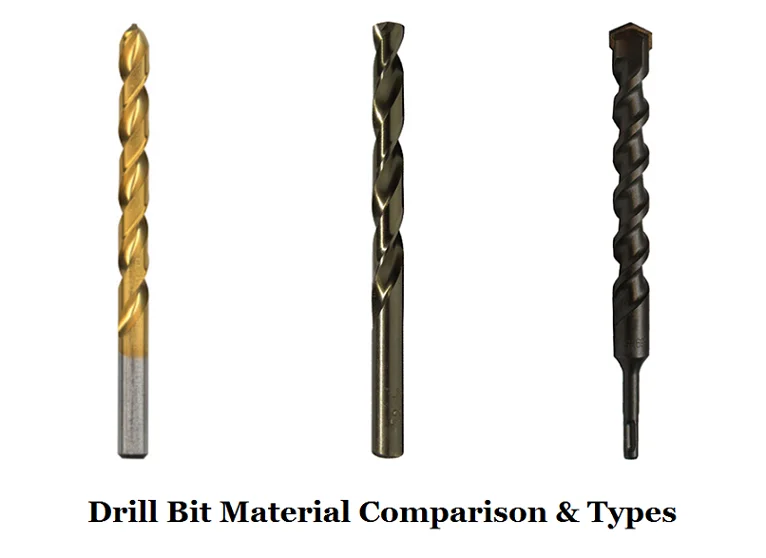
- Titanium Nitride (TiN): This is probably the most common coating you'll see. It's gold-colored and increases the bit's surface hardness and lubricity, reducing friction and heat. This makes it great for drilling in harder materials and extends the bit's life. It's like giving your HSS bit a slick, protective suit.
- Titanium Carbonitride (TiCN): A darker, purplish coating that's harder and more wear-resistant than TiN. It's a good step up for more demanding applications.
- Titanium Aluminum Nitride (TiAlN): This is a high-performance coating, often appearing dark grey or black. It offers excellent heat resistance and is ideal for drilling high-strength alloys and stainless steels at high speeds. This is where you're getting into serious industrial-grade performance.
- Black Oxide: A more basic coating that provides some corrosion resistance and improved lubricity. It's a good all-around performer for general metal drilling and is often found on standard HSS bits. It’s not as dramatic as titanium coatings but definitely helps.
These coatings essentially act as a shield, protecting the underlying metal and improving the cutting action. Think of them as the special paint job on a race car – not just for looks, but for performance!
Beyond the Material: Design Matters Too!
So, we've talked about what the bits are made of. But how they're shaped also impacts their strength and effectiveness, especially when it comes to metal. A poorly designed bit, even if made of the best material, can still struggle.

Flute Design: The Chip Evacuation System
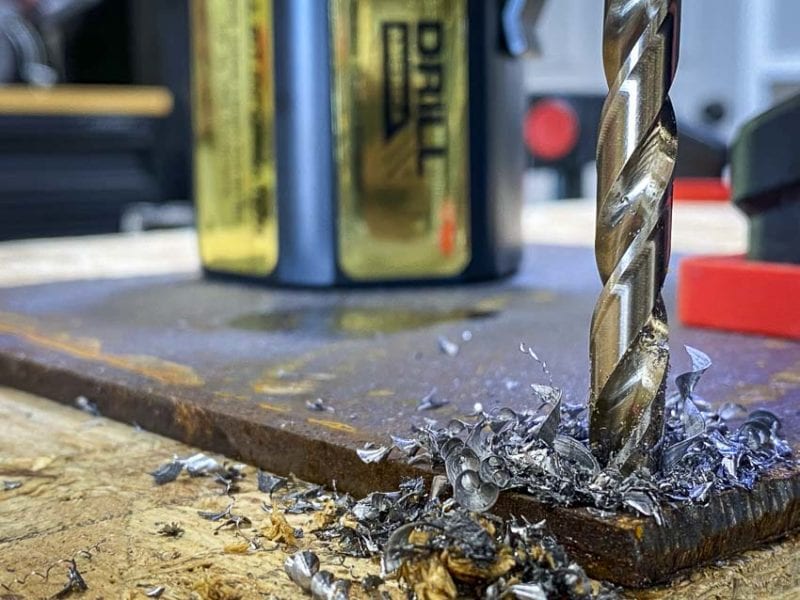
The flutes are those spiral grooves that run up the side of the drill bit. Their job is crucial: they clear away the metal shavings (chips) that are produced as you drill. In metal drilling, these chips can be sharp and abrasive. If they don't get cleared out effectively, they can jam up the flutes, increase friction, and even break the bit. Bits designed for metal drilling often have sharper flute edges and a more aggressive helix angle (the spiral twist) to help eject chips more efficiently. This is especially important when drilling deep holes.
Point Angles: The Sharpness Advantage
The angle of the tip of the drill bit also makes a difference. For general-purpose metal drilling, a standard 118-degree point angle is common. However, for harder metals, you might want a bit with a sharper point angle, like 135 degrees. A sharper angle penetrates the material more easily, reducing the initial force required and creating less heat at the point of contact. This is particularly useful when starting a hole in a slippery surface or a very hard material. Many higher-quality cobalt bits come with this split-point grind, meaning the very tip is ground with a slight separation, which helps prevent "walking" (the bit wandering across the surface before it bites) and improves chip evacuation.
Self-Starting Features: The Anti-Wander Warriors
We touched on it with the point angle, but some bits have specific features to prevent them from wandering when you start drilling. The split-point or self-centering tip is a prime example. It essentially bites into the metal immediately, giving you a precise starting point without the frustration of the bit skittering across your workpiece. This is a huge time-saver and frustration-reducer, especially when accuracy is key.
When to Choose What: A Quick Guide
Let's break it down into practical terms. If you're not sure where to start, here's a general rule of thumb:

- For light-duty metal, like thin sheet metal, aluminum, or wood with occasional metal fasteners: Standard HSS drill bits (often black oxide coated) will probably get the job done. They're affordable and widely available.
- For common metals like mild steel, brass, copper, and even some softer stainless steels: HSS Cobalt bits (M35) are your best bet. They offer a significant upgrade in durability and heat resistance.
- For tough materials like hardened steel, stainless steel alloys, or when you need to drill many holes quickly: Look for higher HSS Cobalt bits (M42) or even TiAlN coated bits. These are built for heavy-duty work.
- For extremely hard materials, industrial applications, or very precise, repetitive drilling: Carbide bits might be necessary, but be aware of their brittleness.
- For glass, tile, stone, or ceramics: Diamond-tipped bits are the only way to go.
Don't forget about the quality of the brand, too! Some manufacturers are known for their precision engineering and superior materials. While they might cost a bit more upfront, a good quality bit will last longer and perform better, ultimately saving you money and headaches.
The Secret Weapon: Lubrication and Technique
Even with the strongest drill bit in the world, your technique and the use of appropriate lubricants are paramount. Drilling metal generates heat, and heat is the enemy of sharp edges. Using a good cutting fluid or lubricant designed for metal is crucial. It helps to:
- Cool the bit: Preventing it from overheating and losing its temper.
- Lubricate the cutting edge: Reducing friction and allowing for a smoother cut.
- Flush away chips: Helping to keep the flutes clear and prevent binding.
And please, for the love of all that is holy, don't drill metal at full speed with your cordless drill. Start slower, let the bit bite, and gradually increase speed if needed. Listen to your drill – if it's screaming in protest, you're probably doing something wrong. A steady, consistent pressure is key. Avoid jerky movements or trying to force the bit.
So, the next time you find yourself staring down a piece of metal that looks like it might win a staring contest, don't despair. Armed with the knowledge of what makes a drill bit truly "strong," you can choose the right tool for the job. And trust me, there's a deep, satisfying sense of accomplishment when you finally hear that clean thunk as the bit breaks through.