
What Are Transition Metals Used For
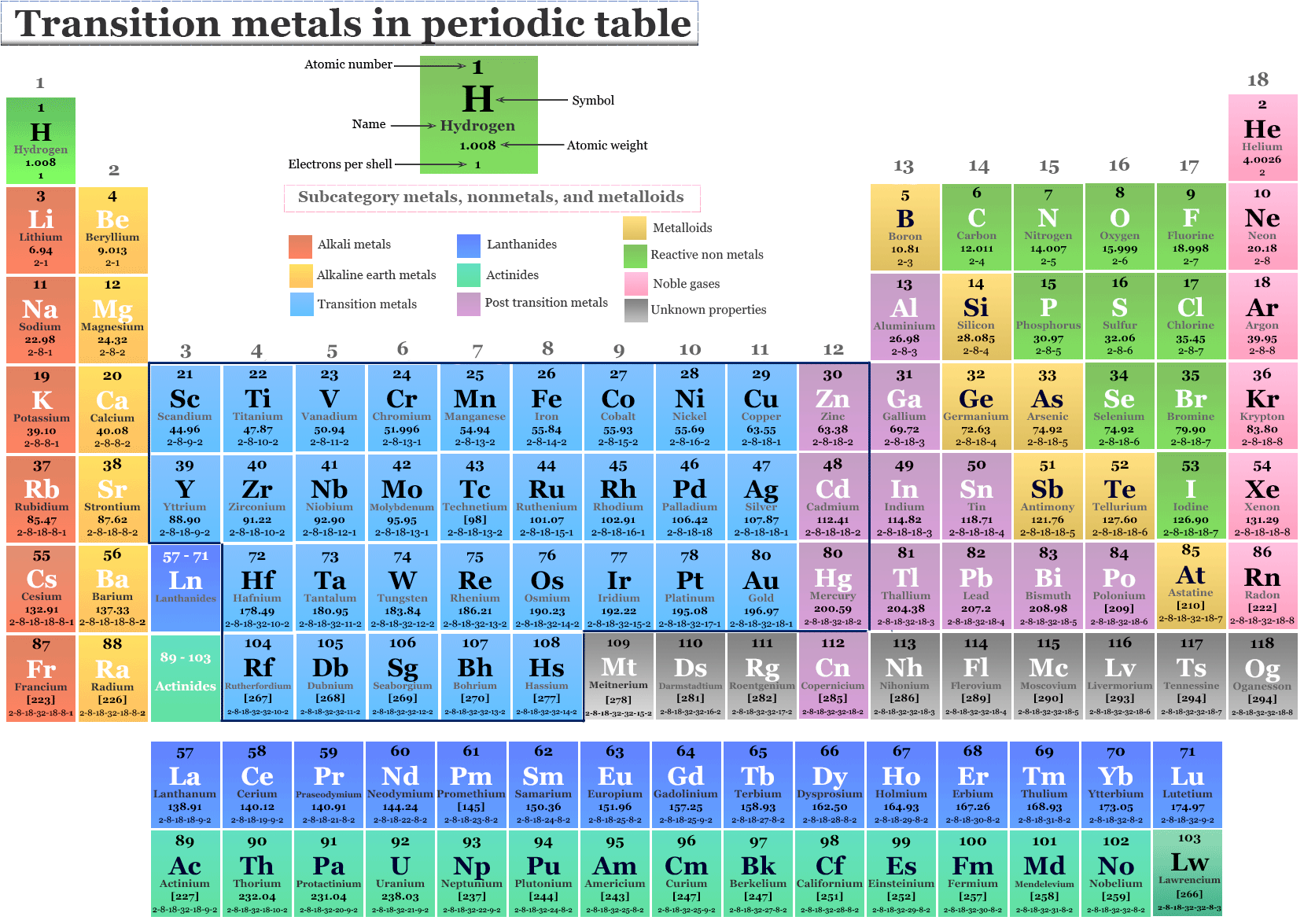
Ever wondered why your phone is so sleek and durable, or how that vibrant red lipstick gets its color? It’s not magic, but it might as well be, thanks to a group of amazing elements called transition metals! These aren’t just dusty entries in a chemistry textbook; they’re the unsung heroes behind so many of the things we use and enjoy every single day. Think of them as the ultimate multitaskers of the periodic table, offering a dazzling array of properties that make them indispensable to modern life. So, let’s dive into the wonderful world of transition metals and discover just how they make our lives so much cooler!
The Incredible Versatility of Transition Metals
What makes transition metals so special? Well, for starters, they're incredibly versatile. This means they can do a whole lot of different jobs, from being super strong to conducting electricity brilliantly, or even sporting some seriously eye-catching colors. Unlike some of their more predictable neighbors on the periodic table, transition metals can form different kinds of chemical bonds and have electrons in places that allow for some pretty wild and wonderful reactions. This flexibility is what makes them so incredibly useful.
One of the most well-known benefits of transition metals is their sheer strength and durability. Think about buildings, bridges, and even the frame of your car. Many of these rely on metals like iron and steel (which is mostly iron with a bit of carbon) for their structural integrity. These elements can withstand immense pressure and stress, making them fundamental to construction and engineering. Without them, our cities would look very different, and probably a lot less tall!
But it’s not just about brute force. Transition metals are also fantastic at conducting electricity and heat. This is why you’ll find metals like copper in almost every electrical wire. Its ability to let electrons flow easily without much resistance is crucial for powering our homes, gadgets, and entire power grids. And that non-stick pan you use for cooking? It might have a coating containing elements like nickel or chromium, which are resistant to corrosion and wear, making them perfect for everyday kitchenware.
Color, Catalysts, and Cutting-Edge Tech
Prepare to be amazed by the colors! Many transition metal compounds are responsible for the vibrant hues we see all around us. The bright red of a stop sign, the deep blue of some pottery glazes, and the green in stained glass windows often get their color from compounds of elements like iron, cobalt, and chromium. Even the sparkle in your jewelry might be thanks to the brilliance of gold and silver, which are also transition metals!
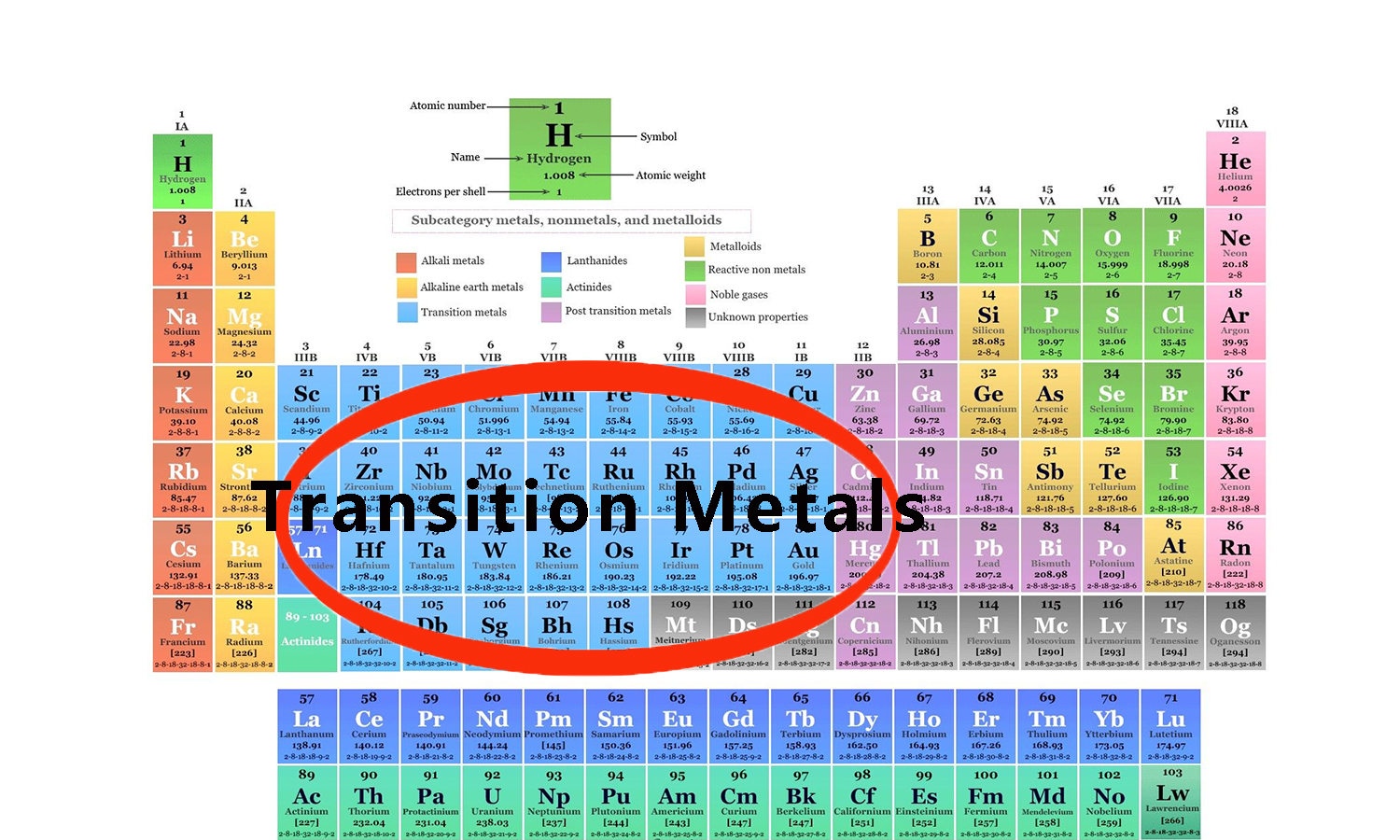
Perhaps one of the most fascinating and impactful uses of transition metals is their role as catalysts. Catalysts are substances that speed up chemical reactions without being used up themselves. This is a HUGE deal in industries. For example, in oil refining, metals like platinum and nickel are used to speed up the processes that turn crude oil into gasoline and other useful products. Even in your car’s exhaust system, a catalytic converter uses metals like platinum, palladium, and rhodium to turn harmful pollutants into less harmful gases. This makes our air cleaner and our planet a healthier place.
Looking at modern technology, transition metals are absolutely essential. The tiny computer chips that power your smartphone and laptop rely on a variety of transition metals. Elements like cobalt and nickel are vital components in rechargeable batteries, giving them the power to keep our devices running. Titanium, another super-strong and lightweight transition metal, is used in everything from aircraft parts to medical implants, thanks to its biocompatibility and impressive strength-to-weight ratio.
From the everyday to the extraordinary, transition metals are truly everywhere. They’re the backbone of our infrastructure, the artists of our color palette, the unseen engines driving our industries, and the silent enablers of our technological advancements. So next time you marvel at a skyscraper, charge your phone, or enjoy a colorful artwork, take a moment to appreciate the incredible work of these remarkable elements. They might not have flashy personalities, but their contributions are nothing short of spectacular!

The versatility of transition metals allows them to fulfill a vast array of essential functions across numerous industries.
The sheer diversity of applications for transition metals is truly astounding. Consider their roles in medicine, for instance. Platinum-based compounds are crucial in chemotherapy drugs used to fight cancer. Diagnostic imaging techniques often rely on contrast agents containing metals like gadolinium. Even the implants that replace damaged joints or repair bones might incorporate strong, biocompatible transition metals like titanium.
Let’s not forget the world of materials science. The development of new alloys – mixtures of metals – often hinges on the unique properties that transition metals bring. Chromium, for example, is what makes stainless steel so resistant to rust and corrosion, allowing it to be used in everything from surgical instruments to kitchen sinks. Manganese plays a vital role in strengthening steel, making it suitable for demanding applications.
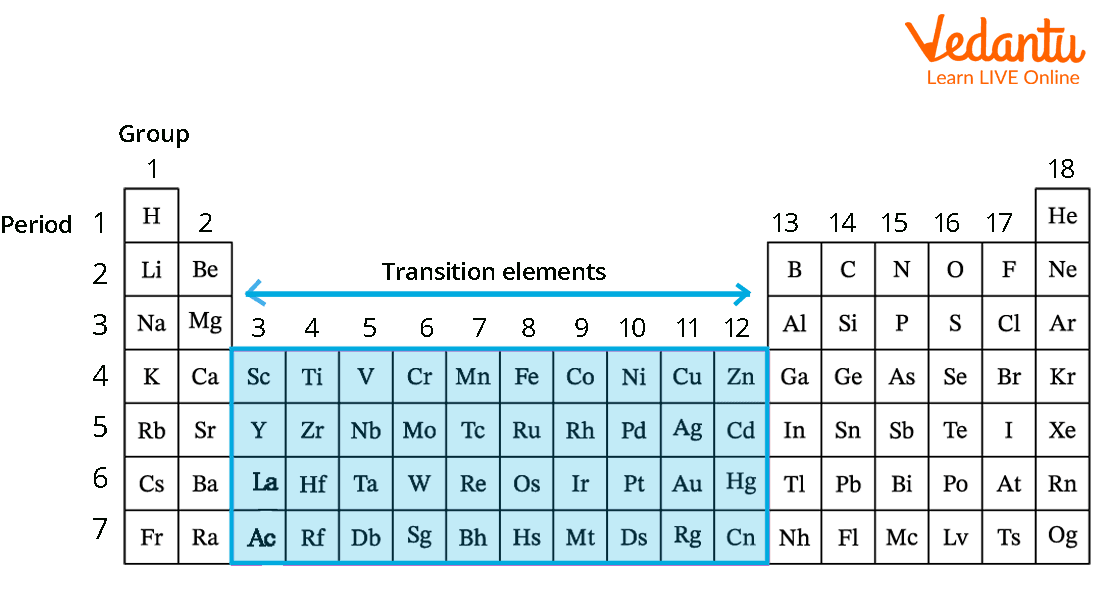
The visual arts, too, owe a great debt to these elements. Beyond pigments, the shimmering luster of jewelry crafted from gold, silver, and platinum is a testament to their beauty and rarity. These precious metals have been prized for millennia, not just for their aesthetic appeal, but also for their resistance to tarnishing and their malleability, allowing for intricate craftsmanship.
Even in the realm of energy, transition metals are critical. The development of catalysts for producing hydrogen fuel, a promising clean energy source, often involves transition metals. Furthermore, research into more efficient solar cells frequently explores the use of transition metal compounds for their ability to absorb and convert sunlight into electricity. It's a continuous cycle of innovation driven by the unique capabilities of these elements.
In essence, transition metals are the workhorses of the scientific and industrial worlds. Their ability to participate in diverse chemical reactions, form stable compounds, and exhibit a wide range of physical properties makes them irreplaceable. They are the secret ingredients that allow us to build, create, heal, and explore. They are the quiet giants upon whose shoulders much of our modern existence stands.