
What Can Cause Metallic Taste In Your Mouth
So, I was happily munching on some of my favorite cheesy crackers the other day, minding my own business, when BAM! It hit me. That unmistakable, utterly bizarre taste. Like I’d accidentally swallowed a handful of old pennies. You know the one, right? It wasn't a subtle hint; it was a full-blown metallic takeover of my taste buds. My crackers suddenly tasted… well, like a plumbing emergency. I paused, blinked, and did a quick mental inventory. Had I eaten anything weird? No. Had I licked a battery? Definitely not. It was one of those moments where your brain scrambles to make sense of something so utterly out of place. And then, I thought, “Okay, what the heck is going on here?”
This whole penny-in-the-mouth sensation, or as the medical folks call it, a dysgeusia, can be seriously confusing and, frankly, a bit annoying. One minute you’re enjoying your morning coffee, the next it tastes like you’re chewing on tin foil. It's like a party in your mouth that nobody invited. So, if you’ve ever found yourself asking, “Why does my mouth taste like metal?” you’re not alone. And the answer, as is often the case with our wonderfully complex bodies, is rarely a single, simple thing. It’s more like a whole cast of characters vying for attention on your tongue.
The Usual Suspects: Things You Might Not Expect
Let’s dive into the nitty-gritty, shall we? Because that metallic taste isn't usually a sign of impending doom, but it is a signal that something's up. And it can come from all sorts of places, some surprisingly common.
Oral Hygiene Woes (Yes, It Could Be You!)
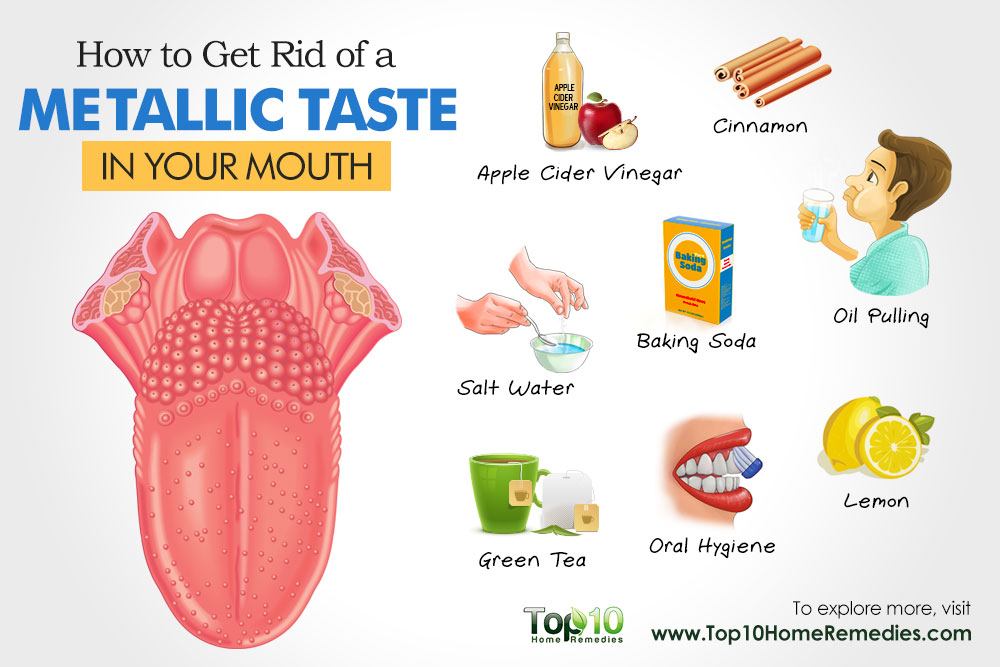
Alright, let's start with the most obvious, and perhaps most humbling, culprit: your mouth hygiene. I know, I know, nobody wants to think their brushing and flossing habits are the problem. But sometimes, they just are. When bacteria build up in your mouth – think plaque, gingivitis, or even a full-blown infection like a tooth abscess – they can release waste products. These can often have a bitter or metallic taste. It’s like a tiny, smelly party for germs happening on your gums, and your tongue is the unfortunate attendee who gets to sample the leftovers. Ew, right? Make sure you’re brushing at least twice a day, flossing daily (yes, daily), and considering a tongue scraper. Your taste buds will thank you.
Also, if you have dentures or a retainer, make sure they're squeaky clean! Those little guys can harbor bacteria too, and transfer that funky taste right back into your mouth.
The Food and Drink Connection (It’s Not Always About What You Ate Now)
Sometimes, it’s not just about that recent meal. Certain foods and drinks can leave a lingering metallic aftertaste. Think about it – have you recently indulged in a lot of very strong spices, like strong garlic or certain types of nuts? Some people report a metallic taste after consuming these. It’s like the flavor molecules decide to set up camp and refuse to leave.
And then there are the less obvious triggers. Even some supplements, especially those containing iron, zinc, or copper, can cause a metallic taste. It’s your body processing these minerals, and sometimes, the byproduct is a metallic tang. So, if you’ve recently started a new vitamin regimen, that could be your explanation. Just a little tip from my own experience: always read the labels and maybe do a quick Google search if you're unsure about side effects. It's a whole new world out there with supplements!
Medications: The Biggers Culprits
Now, this is where things can get a bit more serious, and it's a really important one to consider. A LOT of medications can cause a metallic taste as a side effect. It’s one of the more common complaints, and it can be incredibly frustrating. Think about antibiotics, blood pressure medications, chemotherapy drugs, and even some antidepressants. The way these drugs interact with your body can affect your taste receptors, making them perceive flavors differently.

If you’ve started a new medication or changed the dosage of an existing one, and that metallic taste suddenly appeared, your medication is a very strong contender. It's not that the drug itself tastes metallic, but rather it alters how your brain interprets taste signals. It's like your taste buds are speaking a different language, and your brain is only picking up the metallic static. Always, always discuss any new or concerning side effects with your doctor or pharmacist. They can help you figure out if it’s the drug and if there are alternatives or solutions.
Hormonal Shenanigans (Ladies, You Know What I Mean)
Ah, hormones. Our old friends, always keeping things interesting. For women, especially during certain phases of life, hormonal changes can absolutely mess with your sense of taste. Pregnancy is a big one. Many pregnant women experience a metallic taste, often referred to as dysgeusia gravidarum. It’s thought to be linked to the surge in estrogen and other hormones. Some women experience it early on, even before they miss a period. It’s one of those quirky pregnancy symptoms that no one really tells you about until you’re in the thick of it, right?
Menopause can also bring about taste disturbances, including that metallic sensation. Again, fluctuating hormone levels are the likely culprits. It’s a reminder that our bodies are constantly changing, and sometimes, those changes manifest in unexpected ways, like a mouth that suddenly tastes like a treasure chest.
When It Might Be Something More Serious
While many causes of metallic taste are benign, it’s always wise to be aware of when it could be a sign of something that needs more attention. Don’t panic, but don’t ignore it either.
Respiratory Infections and Sinus Issues
Ever had a really nasty cold or sinus infection? You know how everything can taste a bit off, or even just bland? Well, a metallic taste can also be a symptom of these. When your sinuses are inflamed or infected, the mucus can drain into the back of your throat. This mucus can contain bacteria and other substances that can impart a metallic flavor. It’s like your nasal passages are having a little fight, and the collateral damage is your taste buds.
So, if you’ve got a stuffy nose, post-nasal drip, or general sinus pressure, and that metallic taste is present, it’s a good indication that your respiratory system needs some TLC. Staying hydrated, using saline nasal sprays, and seeking medical advice for antibiotics if necessary can clear things up, and hopefully, your taste buds will return to their normal, non-metallic selves.
Neurological Conditions (Less Common, But Worth Knowing)
This is where we venture into less common territory, but it’s important for completeness. In rare instances, a persistent metallic taste can be linked to certain neurological conditions. Damage to the nerves that control taste, or issues in the brain regions that process taste, can lead to distorted perceptions of flavor, including a metallic taste. Conditions like Bell’s palsy, epilepsy, or even head injuries can sometimes be associated with this.
If your metallic taste is accompanied by other neurological symptoms – like numbness, tingling, facial weakness, or changes in smell – it’s definitely time to see a doctor. They can perform the necessary tests to rule out any serious neurological issues.
Kidney or Liver Problems
Believe it or not, your kidneys and liver play a role in filtering waste products from your blood. When these organs aren't functioning optimally, waste products can build up in your bloodstream. This can sometimes lead to an alteration in taste, and a metallic taste is a possibility. It’s like your body's internal filtration system is clogged, and the overflow is affecting your senses.
Again, this is usually accompanied by other symptoms like fatigue, swelling, or changes in urination. If you have concerns about your kidney or liver health, it’s crucial to seek medical advice. They can run blood tests to check your organ function.

Diabetes and Metabolic Disorders
Diabetes, particularly when it’s not well-managed, can affect nerves throughout the body, including those involved in taste. This can sometimes lead to a metallic taste. Similarly, other metabolic disorders where your body isn't processing sugars or fats correctly can also be a contributing factor. It's another reminder that our body systems are all interconnected, and when one part is out of whack, it can affect others in surprising ways.
If you have diabetes or suspect you might have a metabolic issue, and you’re experiencing this taste disturbance, it’s a good idea to discuss it with your doctor. Managing your underlying condition is key to resolving the symptom.
What Can You Do About It?
Okay, so we’ve covered a lot of ground. You’ve got the potential suspects lined up. What now? The first and most important step, as I’ve stressed throughout, is to identify the cause. Without knowing why you have that metallic taste, it’s hard to get rid of it.
If you suspect it’s related to your oral hygiene, double down on your routine. Brush, floss, scrape, and rinse. If you use mouthwash, try a different one, as some ingredients can be irritating. And definitely get a dental check-up if you haven't in a while. Your dentist is your best friend in this scenario.
If it’s medication-related, the key is to talk to your doctor. Never stop taking a prescribed medication without consulting them. They might be able to adjust the dosage, switch you to an alternative, or offer strategies to manage the side effect. Sometimes, simply adding a small amount of lemon to your water can help mask the taste, but this is a temporary fix.
:max_bytes(150000):strip_icc()/What-causes-a-metallic-taste-in-your-mouth-4140279-v1-44511410a057428f869f6d72788fc62a.jpg)
For hormonal changes, there's often not much you can do directly about the taste other than wait for the hormonal fluctuations to settle down. For pregnancy, it often resolves after delivery. For menopause, it might improve with hormone therapy, but that's something to discuss with your doctor. In the meantime, things like chewing sugar-free gum or sucking on mints can offer some relief.
If you suspect respiratory or sinus issues, focus on treating those. Nasal sprays, steam inhalation, and staying hydrated are your friends. If symptoms persist, a doctor can help diagnose and treat any infections.
And for those rarer, potentially more serious causes like neurological, kidney, or liver issues, the immediate priority is to see a medical professional. Don't delay seeking diagnosis and treatment for the underlying condition.
One general tip that often helps is to keep your mouth moist. Dry mouth can exacerbate taste disturbances. Sip water throughout the day, chew sugar-free gum, or suck on sugar-free candies. This can stimulate saliva production, which helps to wash away taste disturbances.
So, there you have it. That metallic taste in your mouth can stem from a wide range of things, from the mundane (and preventable!) to the more complex. The key is not to get too worried, but to be observant about your body and persistent in seeking answers. Your taste buds are trying to tell you something – listen to them! And remember, sometimes, the solution is as simple as a good brushing, and sometimes, it requires a bit more detective work with your doctor. Either way, I hope this little dive into the world of metallic tastes has been both informative and, dare I say, a little bit comforting. Now go forth and enjoy your food without the unintended metallic adventure!