
What Causes Metal Shavings In Oil

Hey there, coffee buddy! So, you’ve been peering into your engine oil, right? And, uh oh, you spotted some teensy-tiny, glinty bits. Metal shavings, maybe? Ew. Makes you go, “What in the actual heck is happening in there?” Don't sweat it too much, let's spill the beans (or, well, the oil) on what’s going on. It’s not as scary as it sounds, most of the time.
Think of your engine like a really, really busy workshop. It's got all these parts zipping and whizzing around, grinding and rubbing against each other. Like a metal ballet, but a super-fast, super-hot one. And, you know, even the best dancers can shed a little something now and then. That’s kind of what’s happening.
So, the big question, right? What’s making these little metallic glitter bombs appear in your otherwise lovely, dark oil? Well, buckle up, because it's usually a sign that something’s getting a bit… friendly… with something else it shouldn't be. And not in a good, "let's-hug-it-out" way.
The Usual Suspects: Wear and Tear
The most common culprit, honestly? It’s just plain old wear and tear. Everything in your engine moves, right? Pistons go up and down, crankshafts spin like a mad dervish, valves open and close. These parts are made of metal, and over time, they’re going to rub against each other. It's like wearing out your favorite pair of jeans; eventually, they get thin in spots. Except, you know, in your engine. And a lot hotter.
This normal wear should produce some very, very, very tiny metal particles. We’re talking microscopic here. So small you’d need a serious microscope to see them. They’re basically the engine’s equivalent of shedding a few dead skin cells. Totally natural. Your oil is designed to catch these little guys. It’s like its little built-in trash collector. Pretty neat, huh?
The oil has these special filters, you see. They’re like tiny bouncers at a club, letting the good stuff (the oil) through and trapping the unwanted guests (the metal bits). So, if you see just a few teeny-tiny specks, it's probably just the normal grind of things. Nothing to panic about. Yet.
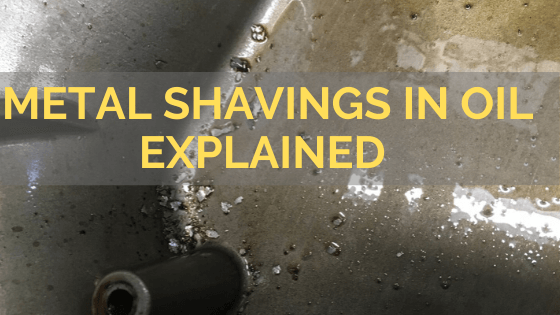
But here’s the kicker: if those specks start looking more like… well, actual shavings? Like you accidentally ran your engine through a wood chipper (don’t do that, please)? Then we might have a slightly bigger conversation to have. It means the wear is a bit more… enthusiastic than usual.
When Things Get a Little Too Cozy: Friction Issues
Okay, so when does "normal wear" turn into "uh-oh, what’s that noise?" That's usually when there's a problem with how things are lubricated. Remember that whole "metal ballet" thing? Well, oil is the slippery goo that lets them glide gracefully. If the goo isn't doing its job, those dancers start bumping and grinding a little too hard. Ow.
Think of it like trying to slide on a freshly waxed floor versus trying to slide on sandpaper. Big difference, right? If your oil level is low, or if the oil is old and has lost its viscosity (that’s its scientific word for slipperiness), parts can start making direct contact. And when metal hits metal without a proper cushion of oil? Yep, you get shavings. It’s like a metal divorce happening, and the paperwork is little bits of metal.
This can happen in a few places. The bearings, for instance. These are like the fancy little rings that let your crankshaft spin super smoothly. If they’re not getting enough oil, they can start to degrade. And when bearings degrade, they give up their metal bits like a generous (but misguided) benefactor.
Then there are the piston rings. These little guys seal the gap between the piston and the cylinder wall. They’re crucial. If they’re not lubricated properly, they can scuff the cylinder walls, and guess what? More metal shavings. It’s like a tiny, metallic civil war happening inside your engine.
And let’s not forget the camshaft and lifters. These guys are also doing a lot of intricate, repetitive movements. If oil isn't reaching them consistently, they can start to wear down. It’s all about that lubrication, folks. It’s the unsung hero of your engine’s smooth operation.
Abrasive Sand: The Uninvited Guest
So, what else could be lurking in your engine that’s not supposed to be there? Sometimes, it’s not just the parts themselves shedding. It can be something external getting in there and causing mischief. Imagine if you accidentally spilled a handful of sand into your fancy dinner. Not ideal, right? Same principle.
Dirt, dust, tiny bits of debris – they can get into your engine through a few sneaky avenues. The air intake system is a prime suspect. If your air filter is old and clogged, or if it has a crack or a tear, it’s like leaving the door wide open for the outside world to come in and party in your engine. And they’re not bringing good vibes, they’re bringing abrasive grit.
When these little bits of sand or dirt get into the engine, they act like sandpaper between all those moving parts. They don't just cause normal wear; they accelerate it. They’re like tiny, aggressive little tasers, just zapping away at your metal components. So, a clogged air filter isn’t just about your engine breathing a bit harder; it's about potentially introducing tiny metal-destroying gremlins.
Sometimes, even just a poorly sealed engine can allow contaminants in. Think of it as a tiny, slow leak that lets in more than just air. And once that grit is in, it gets circulated by the oil, doing its abrasive dance everywhere. It’s the ultimate party crasher.
The Big Breakdown: Major Component Failure
Now, let's talk about the slightly more dramatic scenarios. Sometimes, seeing metal shavings is a sign that a major component is on its last legs. This is when things get a bit more serious, and you’ll likely hear some rather unhappy noises coming from your engine, too.

Think about the crankshaft bearings again. If they're severely damaged, they can literally start to break apart. It's not just a little bit of wear anymore; it's like a piece of the bearing itself is flaking off. This is usually accompanied by some pretty loud knocking or grinding sounds. If you hear that, and then see a significant amount of metal in your oil, it's a strong indicator of a major problem.
The connecting rods are another big one. These connect the pistons to the crankshaft. If a connecting rod bearing fails, it can cause the rod to essentially wobble and grind against the crankshaft. This is a recipe for disaster, and lots and lots of metal shavings. It’s like a runaway train in there, and the train is made of metal.
What about gears? If you have a manual transmission, or other geared components within your engine (less common, but possible), damaged gears can shed metal. Think of tiny teeth breaking off. Ouch. This is less about internal engine components and more about the drivetrain, but still, metal in the oil is metal in the oil, right?
In extreme cases, a catastrophic engine failure can happen. This is when a part breaks dramatically, sending shrapnel throughout the engine. This is the stuff of nightmares for car owners, and yes, it will result in a significant amount of metal shavings, often of various sizes and types.
The Oil Filter: Your Engine’s Best Friend (Usually)
So, you’ve seen the metal. What’s the first line of defense, other than not driving your car like a maniac? Your oil filter! This little doodad is a superstar. Its job is to be the ultimate gatekeeper, catching all those unwelcome metallic intruders before they can recirculate and cause more damage.
A healthy oil filter can trap a surprising amount of debris. But, like anything, it has its limits. If the engine is producing an excessive amount of wear particles, the filter can get clogged up pretty quickly. This is often indicated by your oil pressure warning light coming on.
And sometimes, if a major component starts to break, the sheer volume and size of the metal shavings can overwhelm even the most robust oil filter. It’s like trying to stop a tidal wave with a teacup. The filter can get so packed that oil can’t flow through it anymore, or worse, it can even rupture. Yikes.
This is why regular oil changes are so ridiculously important. When you change your oil, you change your filter. It’s like giving your engine a fresh start, with a brand new, pristine bouncer on duty. Don't skip this. Seriously. It's one of the easiest and cheapest ways to keep your engine happy.
What Kind of Metal Are We Talking About?
Okay, so you’ve got metal. But is it all the same? Not necessarily! The type of metal you find can sometimes give clues as to where it’s coming from. It’s like a detective looking for fingerprints, but for engines.
Aluminum is a common one. Many engine components, like pistons and parts of the engine block or cylinder heads, are made of aluminum. If you see silvery-gray flakes, it might be from these parts. Aluminum tends to wear relatively quickly when lubrication is compromised.
Steel is another big player. Crankshafts, connecting rods, camshafts, valves – a lot of the heavy-duty stuff is made of steel. Steel shavings will often have a more reddish-brown or dark gray hue, and can be a sign of more severe wear on harder components.
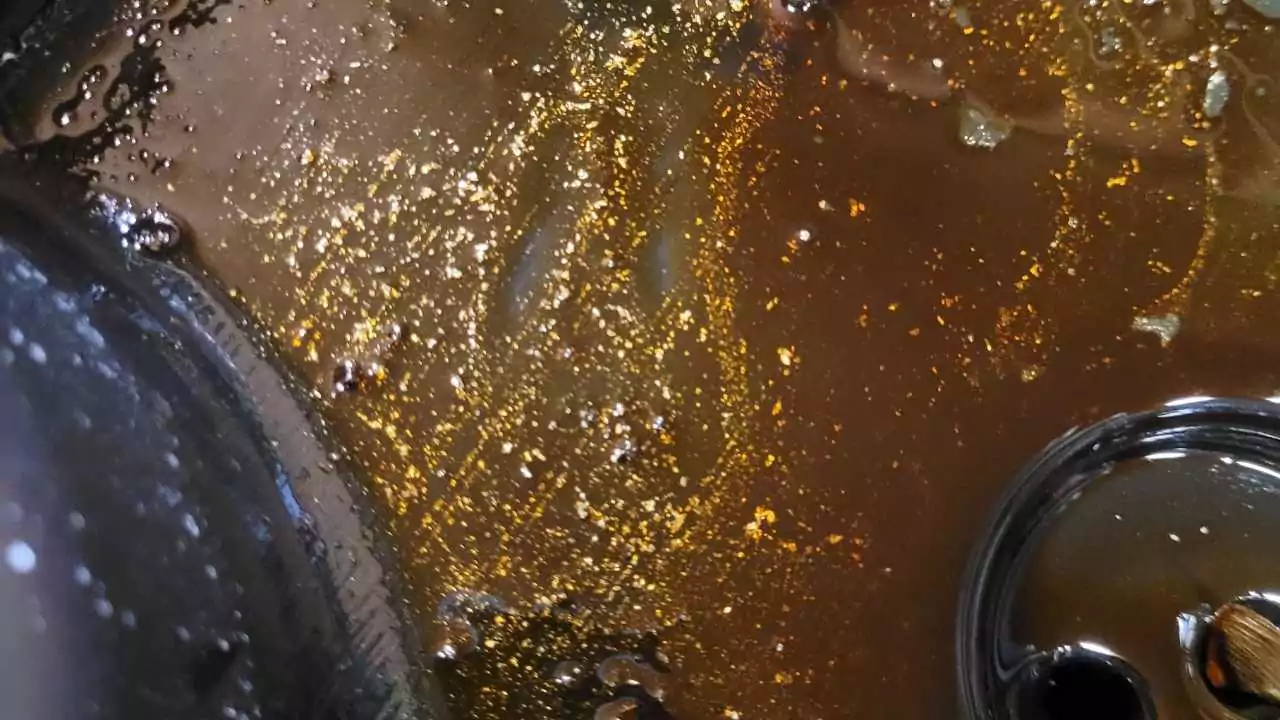
Bronze or brass can sometimes show up, often from bearings. These are softer metals used in the bearing surfaces. If you see flecks of a coppery or golden color, it might be an indicator of bearing wear. This is a definite cause for concern, as bearings are pretty critical.
Iron, of course, is also a component in many engine parts, like the engine block itself or the crankshaft. Iron particles will often be rust-colored if exposed to moisture, or dark gray. They indicate wear on cast iron components.
The size and shape of the particles matter too. Tiny, shimmering particles are usually normal wear. Larger, irregular flakes or chunks are a much bigger red flag. It’s like the difference between glitter and gravel.
So, What Should You Do? (Besides Freak Out)
First off, take a deep breath. Seeing a few tiny flecks of metal in your oil, especially on an older car, isn’t always the end of the world. It could just be normal operating wear.

However, if you see more than a few, or if the particles are getting larger, or if you hear any unusual noises from your engine, it’s time to get it checked out. Don’t ignore it! That’s like ignoring a leaky faucet; it’s just going to get worse and potentially much, much more expensive.
Here’s what a good mechanic will likely do:
1. Oil Analysis: They might send a sample of your oil to a lab. This isn't as fancy as it sounds! The lab can tell them exactly what type of metal is present, and in what quantities. This is like getting a detailed report card for your engine. It can pinpoint the problem source with amazing accuracy.
2. Visual Inspection: They'll probably drop the oil pan. This is where all the gunk settles. They can then inspect the bottom of the pan for larger metal chunks. If they find a significant amount, it’s a clear sign of internal engine damage.
3. Check the Oil Filter: They'll also cut open the old oil filter. The filter is a treasure trove of information! They can see what it has caught, how much, and what kind of particles. It’s like finding a discarded evidence bag at a crime scene.
4. Listen to Your Engine: A good mechanic has a trained ear. Unusual noises are often the first audible clue that something is wrong. Knocking, grinding, ticking – these are all sounds that can indicate internal friction or damage.
5. Pressure Tests and Diagnostics: Depending on what they find, they might perform other tests, like oil pressure tests, to see if lubrication is compromised. They’ll hook up their fancy computers to check for error codes too.
The Bottom Line (Or, The Oil Pan Bottom)
Look, nobody wants to find metal shavings in their engine oil. It’s not the kind of surprise you’re looking for. But understanding what causes it can help you react appropriately. A few microscopic flecks? Probably okay. Piles of metallic glitter? Time to call your trusted mechanic and schedule an appointment. It’s always better to catch a small problem before it turns into a really, really big and expensive one. Now, who needs a refill on that coffee? We’ve talked a lot about oil!