
What Causes Metal To Rust
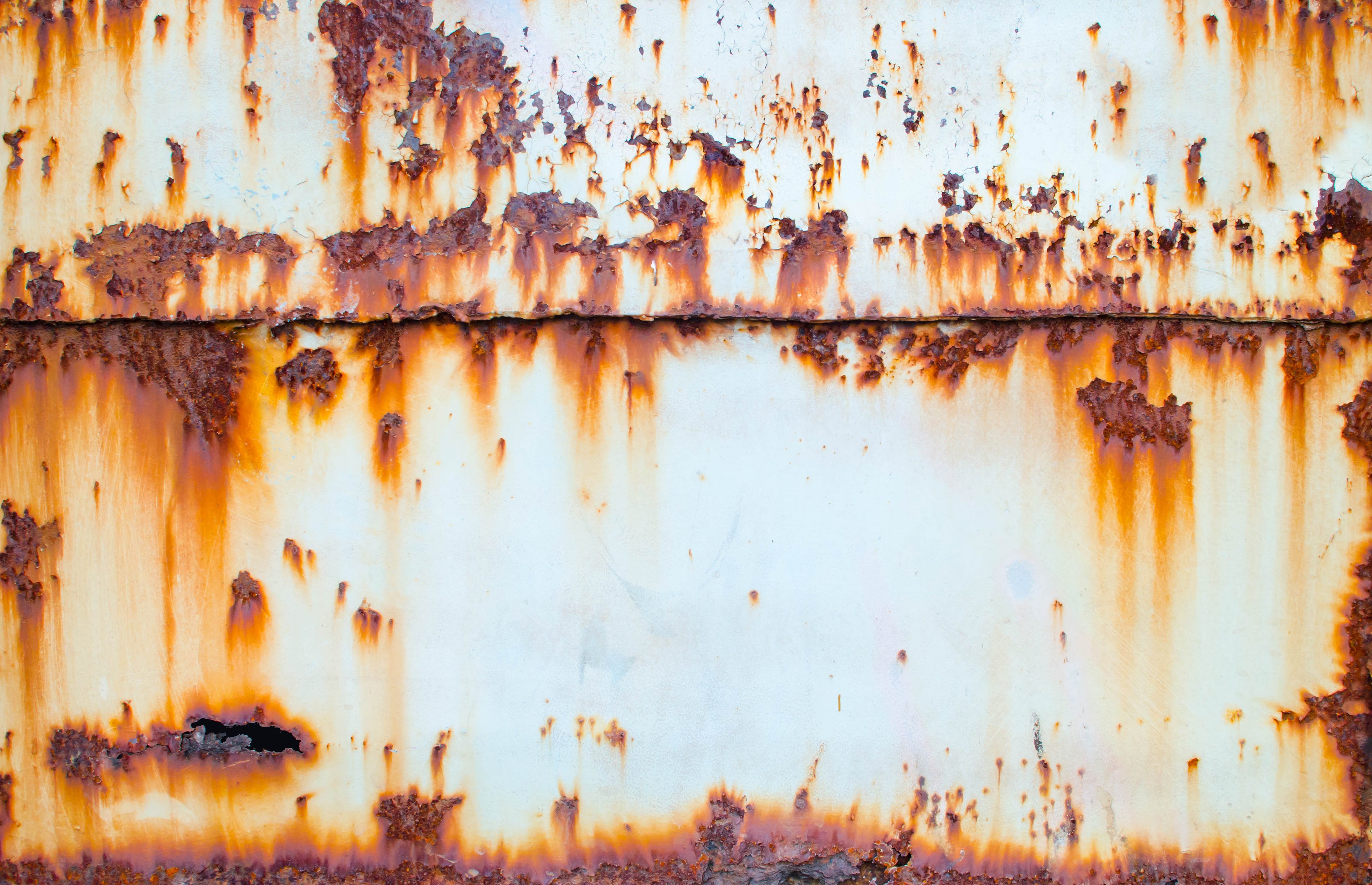
Hey there! Ever stared at a rusty old bike chain or those charmingly weathered garden gnomes and wondered, "What's the deal with this orangey-brown stuff?" Well, buckle up, buttercup, because we're about to dive into the surprisingly simple (and sometimes annoying) world of rust. Think of it as metal's way of throwing a little temper tantrum when it gets a bit too much of what it doesn't like.
So, what exactly is rust? At its core, it's a chemical reaction. You know how sometimes you mix things together and get something totally new? Like when you add baking soda and vinegar and it fizzes like a mad scientist's experiment? Rust is kind of like that, but with way less frothing and a lot more… well, orange.
Specifically, rust is the result of iron (or an alloy containing iron, like steel) getting friendly with oxygen and water. It's like the ultimate love triangle, but instead of a romantic drama, you get a crumbly mess. The technical term for this whole shebang is oxidation. Yeah, I know, sounds fancy, but it just means something is losing electrons. Don't worry, we're not going to get into a high school chemistry lecture here. My brain starts to ache just thinking about electrons!
Let's break it down, nice and easy. Imagine a little piece of iron. It's pretty happy on its own, minding its own business. Then, along comes water. Water acts as a sort of… facilitator. It's like the chatty neighbor who introduces two people who then decide to be best buds (or in this case, best reactants). The water molecules get between the iron atoms and the oxygen molecules.
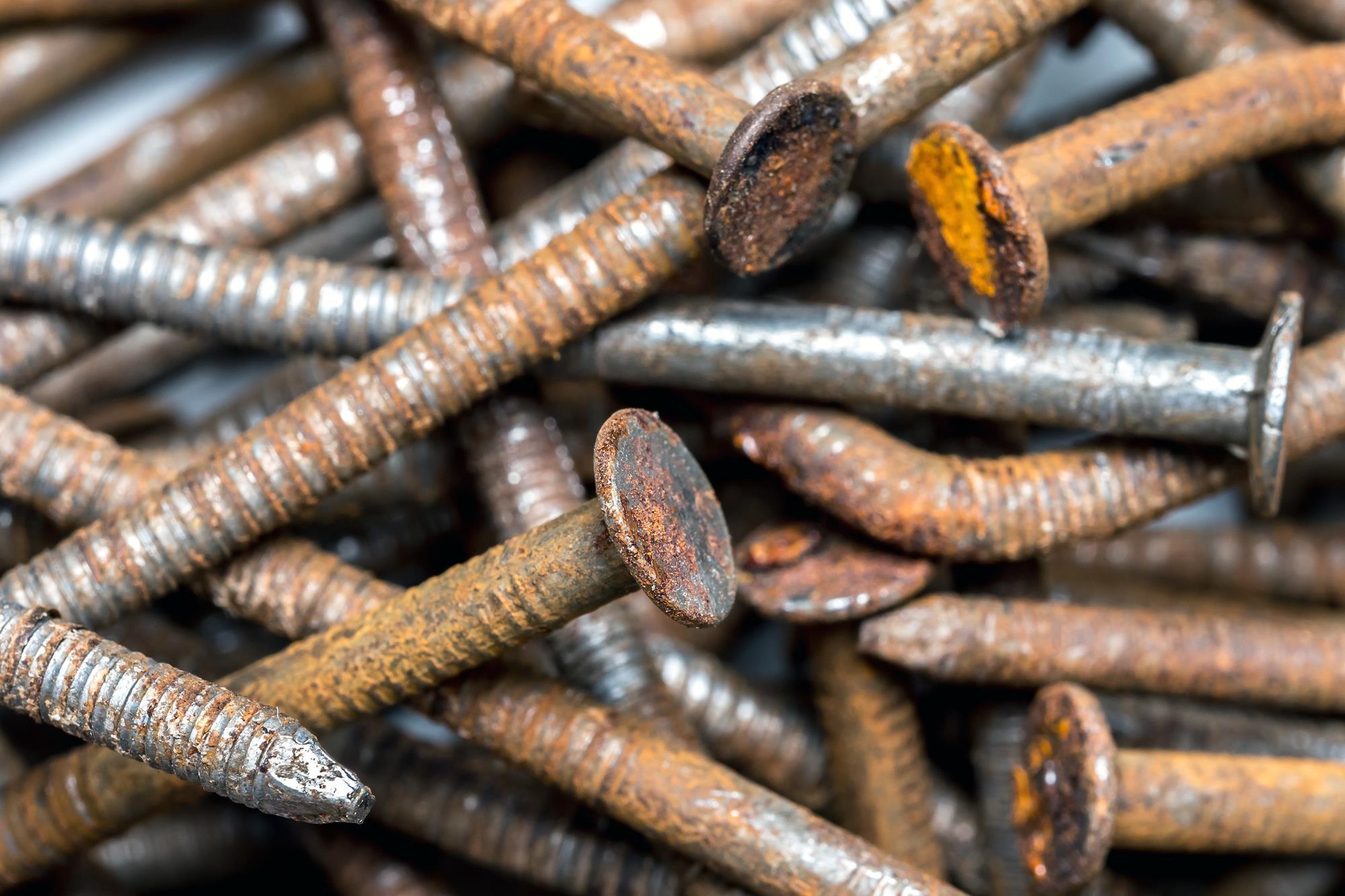
Now, oxygen is pretty eager to bond with things. It’s what we breathe, after all! When oxygen atoms meet iron atoms, especially in the presence of water, they just can't help themselves. They latch on, and bam! You get iron oxide. And iron oxide, my friends, is what we call rust. It’s that flaky, reddish-brown stuff that makes your favorite tools look like they’ve been through a desert sandstorm.
Think of it this way: the iron atoms are like shy teenagers at a party, and oxygen is the super popular kid. Water is the slightly awkward but encouraging friend who brings them together on the dance floor. Suddenly, they're inseparable, and the result is… well, rust. Not exactly the prom king and queen, is it?
So, to recap: iron + oxygen + water = rust. It’s a formula so simple, even my cat could probably figure it out if he wasn't too busy napping. And speaking of napping, rust is definitely the lazy cousin of shiny, new metal. It just sits there, slowly but surely, making things less… well, metal-y.
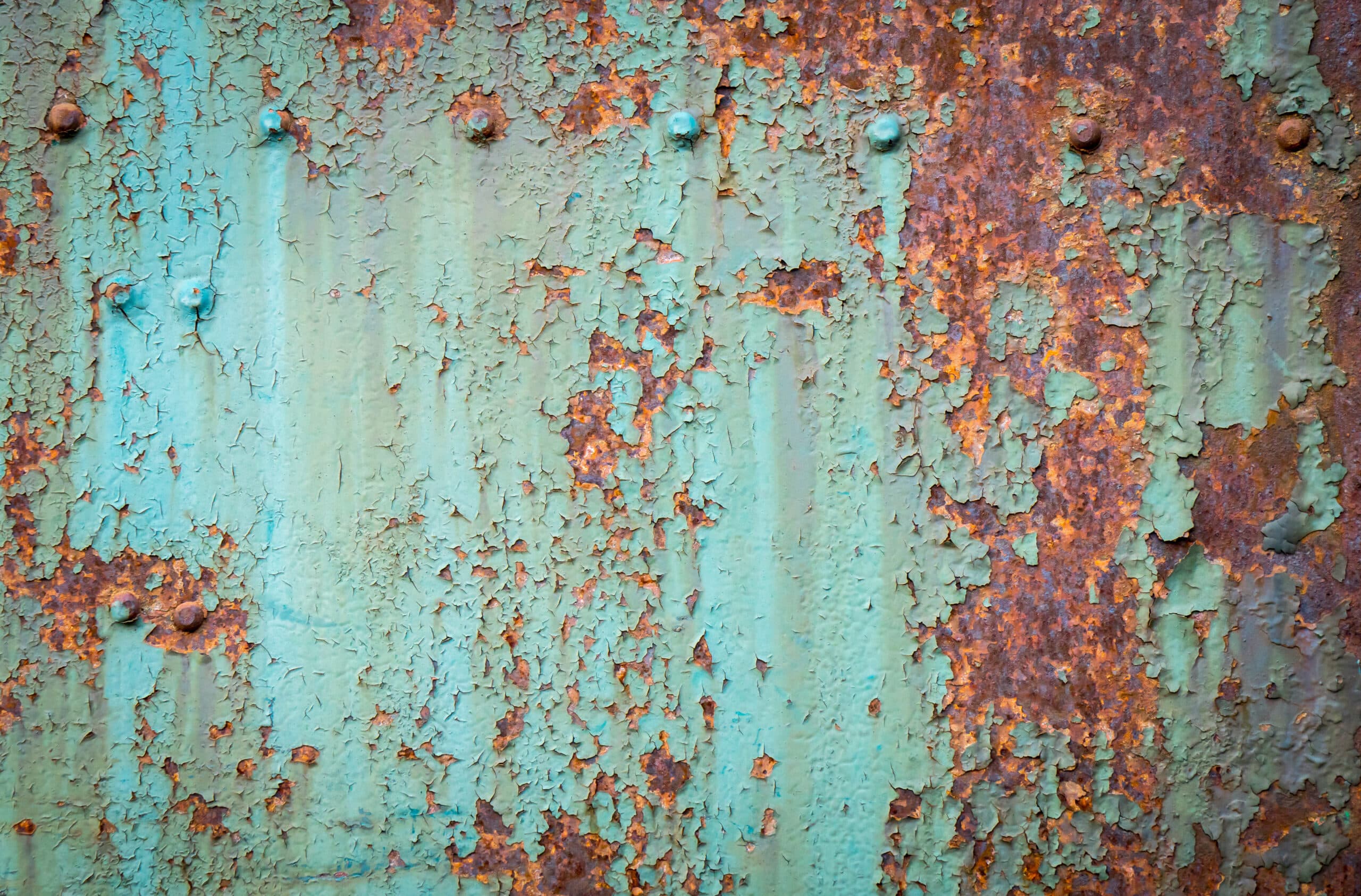
Now, not all metals rust. If you’ve got a shiny aluminum pot or a copper penny, you’re generally safe from the orange menace. That’s because aluminum and copper have their own ways of reacting with the environment, and their "oxides" (or other compounds) are usually more stable and protective. Aluminum, for instance, forms a thin, invisible layer of aluminum oxide that actually acts like a shield, preventing further corrosion. Clever, right? It's like it puts on its own little raincoat.
But iron? Poor iron is just really susceptible. It’s like the metal equivalent of someone who catches every cold going around. It’s just… eager to react. And that makes it a bit of a pain in the backside when you want your garden furniture to stay looking spiffy, or your car to not start dissolving into a pile of dust.
What else speeds up this rusty business? Well, salt is like rocket fuel for rust. If you’ve ever seen a car that’s driven in snowy areas where they salt the roads, you’ll know what I’m talking about. That salt on the roads gets into all the nooks and crannies, and it makes the whole water and oxygen thing happen way faster. It's like adding extra caffeine to the party, and now everyone's just going bonkers.
So, salty water is like rust's favorite cocktail. Ever wonder why boats or things near the sea tend to rust more? Yep, salt in the air and water! It’s why you’ll often see boats that look a bit… well, weathered. They're in a constant battle with the salty brine.
/GettyImages-548553969-56a134395f9b58b7d0bd00df.jpg)
Humidity is also a big player. If the air is thick with moisture, the water is readily available to get things going. Think of a steamy bathroom – those metal fixtures can get a bit spotty with rust if they’re not dried off. It's basically the iron getting a prolonged spa treatment it didn't ask for.
Acids can also give rust a helping hand. Things like pollution in the air can create acidic rain, and that can accelerate the rusting process. It’s like the iron is being subtly… picketed? Or maybe just having its protective layer dissolved by a grumpy acid cloud. Poor little metal.
So, you've got your basic recipe: iron, oxygen, and water. And then you can add your flavor enhancers: salt, humidity, and acids. It’s like making a questionable batch of cookies – you start with flour and eggs, and then you might accidentally throw in some paprika and wonder why they taste so… metallic.
What happens when metal rusts? It’s not just about the looks. Rust is weaker than the original iron. It’s brittle and flaky. So, that sturdy old wrench? It starts to lose its strength as it rusts. That’s why you don't want your bridge to be made of rusty iron. We like our bridges to be, you know, standing. It's kind of important.

The process of rusting can also spread. Once a little patch of rust forms, it can act as a sort of nucleus for more rust to form around it. It’s like a tiny, orangey snowball rolling down a hill, gathering more iron oxide as it goes. A bit like gossip spreading, really. One little rumor starts, and before you know it, everyone’s talking about it.
Is there anything we can do about it? Absolutely! That’s where things get a bit more interesting. We can prevent rust or at least slow it down. One of the easiest ways is to keep things dry. If there’s no water, there’s no rust. Simple as that. Wipe down your tools after using them, especially if they’ve been exposed to moisture. It's like giving them a quick pat dry after a splash.
Another common method is coating the metal. Think about paint. When you paint a metal surface, you’re creating a barrier between the iron and the oxygen and water. It’s like putting a superhero cape on your metal. Or maybe a hazmat suit. Either way, it’s protection!
Oils and greases also work as coatings. That’s why mechanics often slather machinery in grease. It’s not just to make things slippery; it’s to keep the air and moisture away. It’s like giving your bike chain a nice, comforting hug of oil.
Then there’s galvanizing. This is a super cool process where they coat steel with a layer of zinc. Zinc is more reactive than iron, so it actually corrodes instead of the iron. It’s like having a sacrificial buddy who takes all the hits for you. Pretty noble, right? When the zinc coating gets scratched, the zinc still protects the exposed iron for a while. It's like it's willing to sacrifice itself, the brave little metal!
Stainless steel is another hero in the anti-rust world. It’s an alloy of iron, chromium, and often nickel. The chromium forms that protective oxide layer we talked about earlier. So, it’s basically iron that’s been to finishing school and learned how to be way more civilized and less prone to public meltdowns.
So, while rust might seem like an inevitable annoyance, it's really just a natural chemical process. It's metal doing what metal does when it's not looked after properly. It's a reminder that even the strongest things can be affected by their environment, and that a little bit of care and attention can go a long way.
And you know what? There's a kind of beauty in that, too. The weathered, rusty look can have a certain charm. It tells a story of time, exposure, and the relentless march of nature. Those old barns with their rusty roofs? They have a rustic appeal that a brand-new, perfectly shiny building might not. It’s like a well-loved book with a worn cover – it’s seen things!
So, next time you see a bit of rust, don’t just sigh. Give a little nod to the chemistry happening right before your eyes. And remember, with a bit of knowledge and some elbow grease (and maybe a can of paint or some oil), you can keep your treasures from succumbing to the orange tide. And even if they do get a little rusty, remember that it's just a phase, a bit of a metal midlife crisis, and there's always a way to bring back the shine. Keep those metals happy, and they'll keep on shining for you, like little metallic cheerleaders in your life!