
What Causes Stainless Steel To Rust
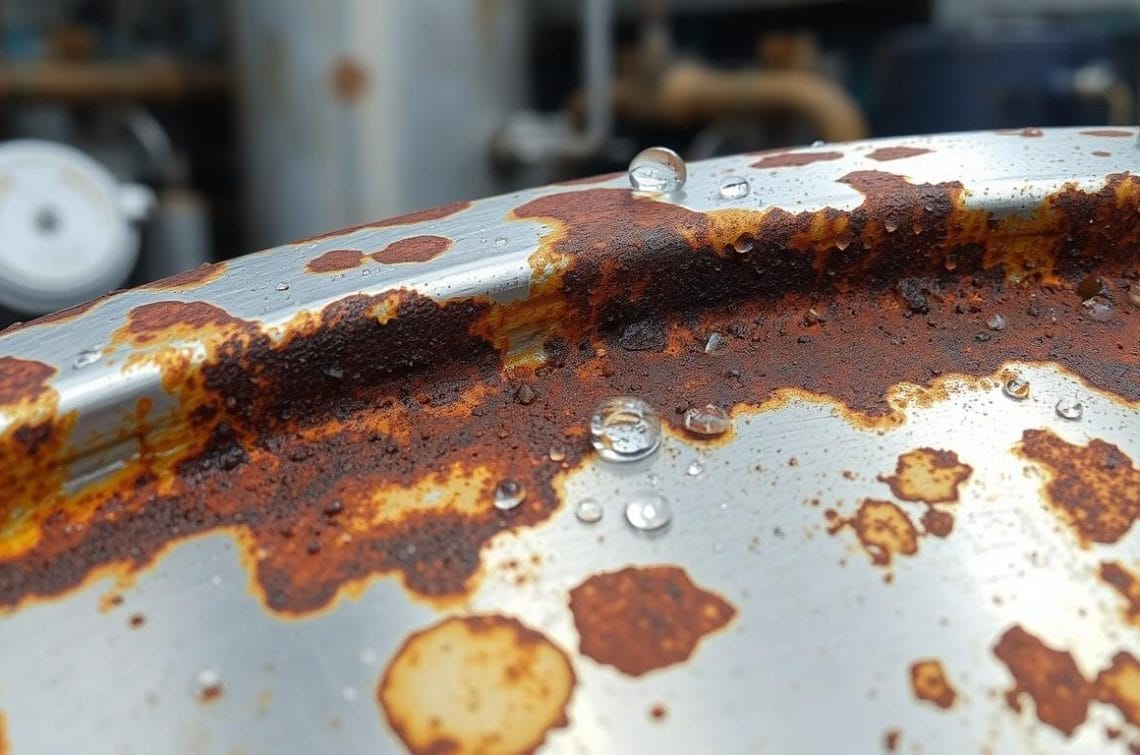
Hey there, fellow explorers of the wonderfully weird world around us! Ever looked at that shiny, dependable stainless steel sink and wondered, "Wait a minute, isn't this supposed to be... well, stainless?" You're not alone! It’s one of those little everyday mysteries that can pop into your head, right between "Did I leave the oven on?" and "Is it too early for coffee?" But guess what? The answer is surprisingly cool and can actually make you appreciate your kitchen gadgets and garden tools a whole lot more.
So, what's the deal with stainless steel and its occasional bout of… let's call it character-building rust? It all comes down to a bit of chemical drama, and trust me, it's not nearly as scary as it sounds. Think of it like a tiny, microscopic soap opera happening on your metal surfaces!
The Secret Ingredient: Chromium!
The magic word here is chromium. This is the superhero element that gives stainless steel its legendary resistance to corrosion. When steel is mixed with at least 10.5% chromium by volume, something amazing happens. The chromium atoms get to work, forming an invisible, super-thin, and incredibly tough layer on the surface of the steel. This layer is called the passive layer.
Now, this passive layer is your metal’s shield against the world. It's like a force field, silently protecting the underlying iron from meeting its nemesis: oxygen and moisture. As long as this layer is intact and happy, your stainless steel will stay gleaming and pristine. Pretty neat, huh?
When the Shield Gets a Little Scratched…
So, if it’s so good, why does it sometimes rust? Well, even superheroes have their weaknesses, and the passive layer is no exception. Imagine you're scrubbing that stubborn burnt-on food from your favorite pan, or perhaps your garden trowel has had a particularly vigorous encounter with some rocky soil. These everyday activities, while necessary for a clean kitchen or a thriving garden, can actually scratch or damage that protective passive layer.
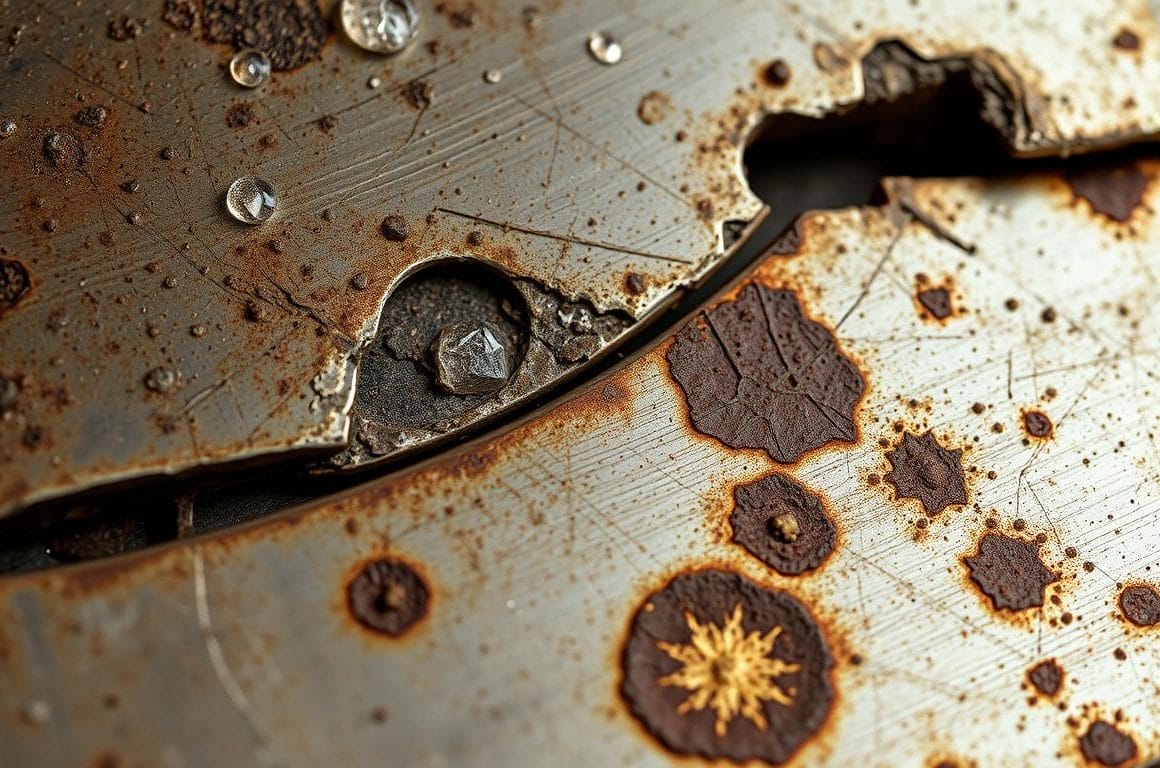
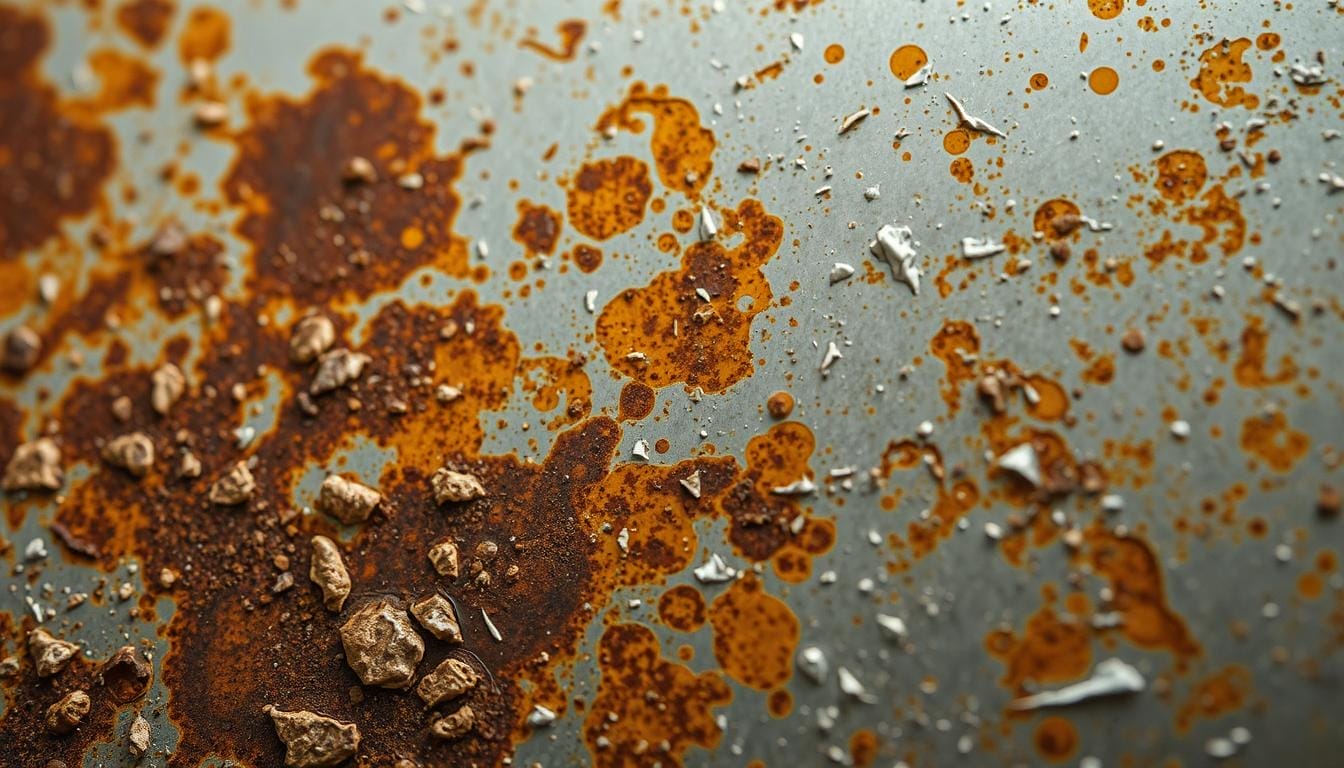
When a scratch occurs, you've essentially created a vulnerable spot. It’s like a tiny chink in the armor. If this exposed area then comes into contact with moisture and oxygen – which, let’s be honest, are pretty much everywhere – the iron in the steel starts to react. And that reaction, my friends, is what we call rust.
Surface Scratches Are the Usual Suspects
Most of the time, the rust you see on stainless steel isn't because the entire piece is about to give up the ghost. It’s usually just a few little surface blemishes. Think of it as a temporary hiccup, not a full-blown crisis. These superficial rust spots often happen because of things like:
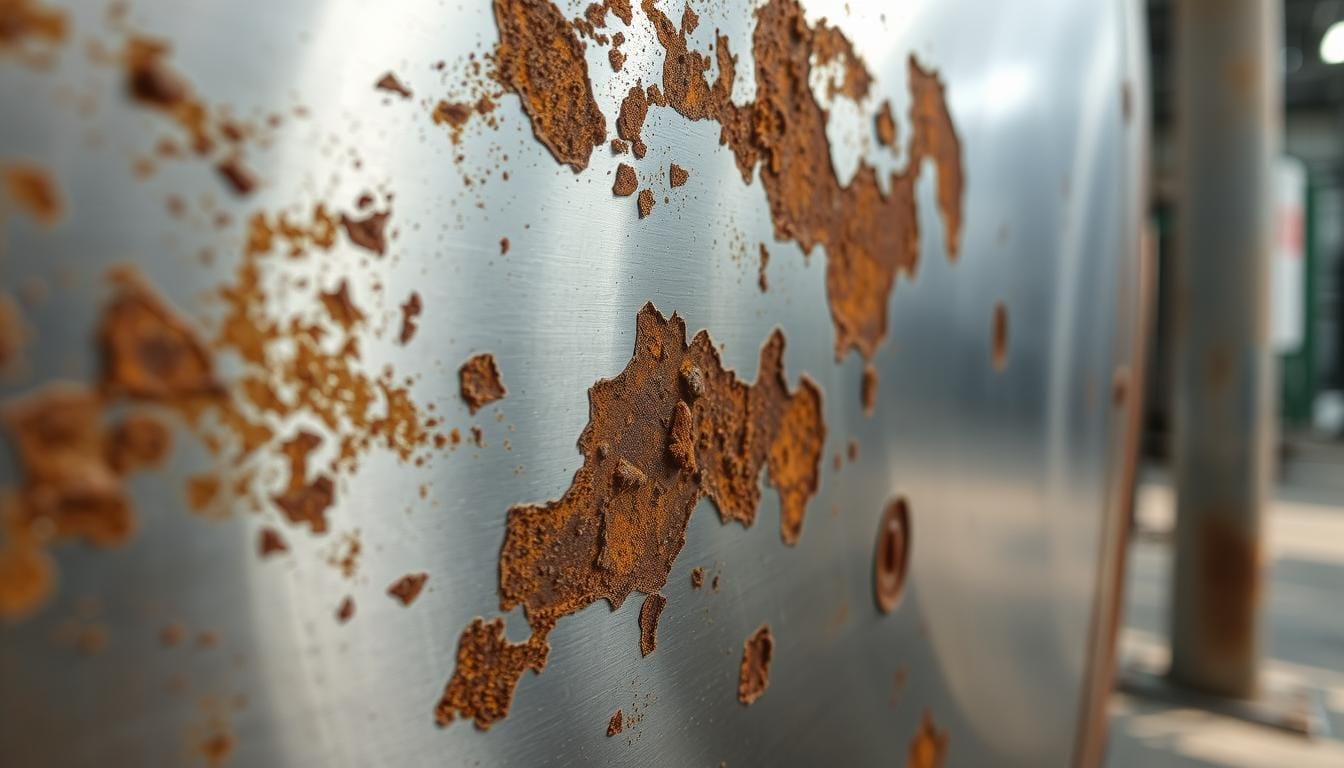
- Scrubbing with steel wool or abrasive pads: These can be a bit too rough and can scratch the surface, disrupting the passive layer.
- Contact with regular steel objects: If a regular (non-stainless) steel knife or pot rests on your stainless steel surface for a while, it can transfer tiny iron particles that then rust. It's like a little metal handover!
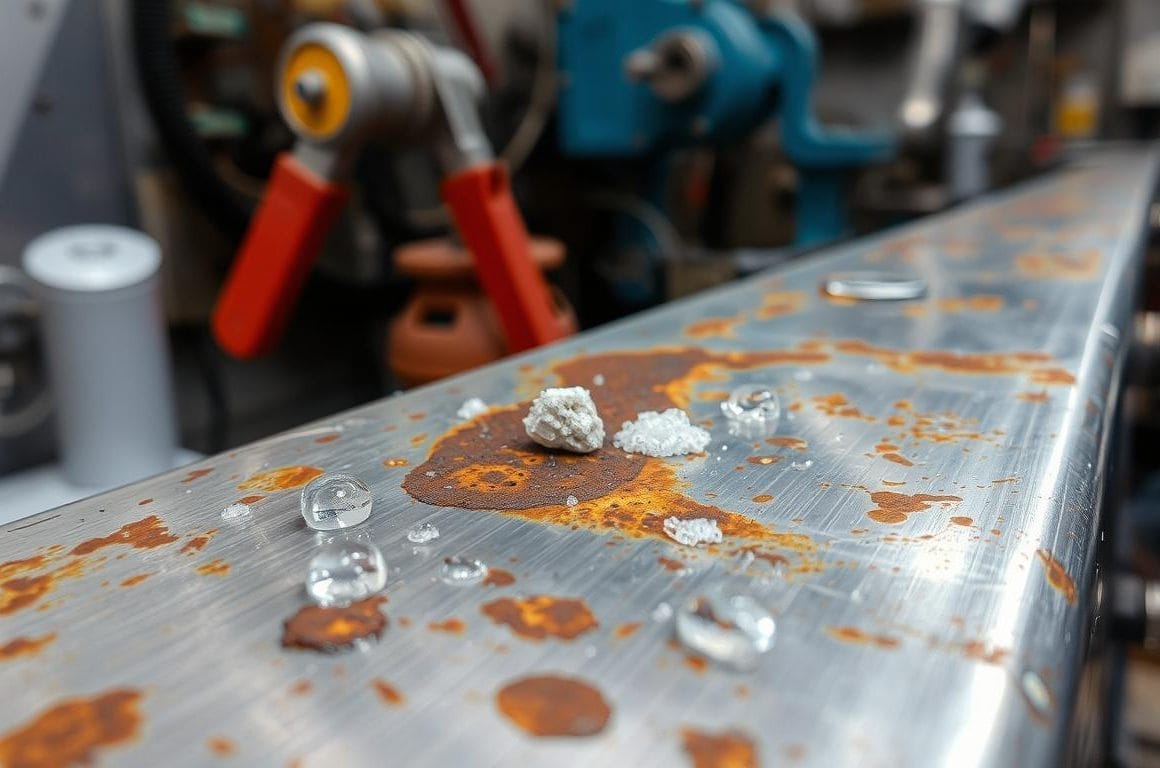
- Hard water deposits: Minerals in water, especially if left to dry, can sometimes create environments where rust can form.
- Salty environments: If you live near the coast or use a lot of salt in your cooking and it comes into contact with your stainless steel, the salt can accelerate the corrosion process.
It’s important to remember that this is usually cosmetic. The integrity of the stainless steel itself is often still perfectly sound. So, don't panic if you spot a few freckles of orange!
The "Sacrificial Anode" Shenanigans (But Not Really!)
Sometimes, you might hear about things like "sacrificial anodes" in relation to preventing rust. While stainless steel itself isn't typically used as a sacrificial anode in the way some other metals are, the principle of how it protects itself is actually quite clever. The chromium in the steel essentially sacrifices itself, forming that passive layer, so the iron doesn't have to. It's a beautiful example of teamwork at a molecular level. How inspiring is that?
It's All About the Maintenance, Folks!
The good news is that keeping your stainless steel looking its best is often quite straightforward. It’s not about avoiding life’s little challenges, but about how you bounce back! A little bit of gentle care goes a long way:
- Gentle Cleaning: Opt for soft cloths or sponges and mild dish soap for everyday cleaning.
- Rinse and Dry: After washing, make sure to rinse thoroughly and give it a good dry. This removes any lingering moisture and mineral deposits.
- Avoid Harsh Chemicals: Stay away from abrasive cleaners or bleach, as they can damage the passive layer.
- The "Rust Eraser": For those stubborn surface spots, a paste of baking soda and water, or a special stainless steel cleaner, can work wonders. Just remember to rub in the direction of the grain!
See? It’s not rocket science, it’s just a bit of common sense and a dash of appreciation for the materials we use every day. When you understand why something happens, it takes away the mystery and turns it into an opportunity for learning and connection.
Why This Matters (More Than You Think!)
Understanding the subtle quirks of stainless steel can actually make life a little more fun! It transforms a mundane chore like washing dishes into a small scientific experiment. You become a detective, figuring out why a particular spot might be a bit duller or showing a hint of rust. It empowers you to be a better caregiver for your belongings, extending their life and beauty.
Plus, knowing this little tidbit makes you a more informed consumer. You can better appreciate the quality of your cookware, the durability of your appliances, and the longevity of your outdoor furniture. It’s a small piece of knowledge that adds a layer of richness to your everyday experiences. You're not just using a sink; you're interacting with a marvel of material science!
Embrace the Shine (and the Occasional Freckle)!
So, the next time you see a tiny speck of rust on your beloved stainless steel item, don't frown. Instead, give a little nod of understanding. You now know the story behind it – a testament to its hard work, its occasional bumps and bruises, and its amazing ability to bounce back. It’s a reminder that even the most resilient things can show signs of life and experience.
And that, my friends, is truly inspiring! It encourages us to look closer, to understand the processes that shape our world, and to appreciate the resilience and beauty that can be found in the most unexpected places. So go forth, explore, and never stop being curious about the amazing materials that make our lives shine!