
What Color Is Brass Metal
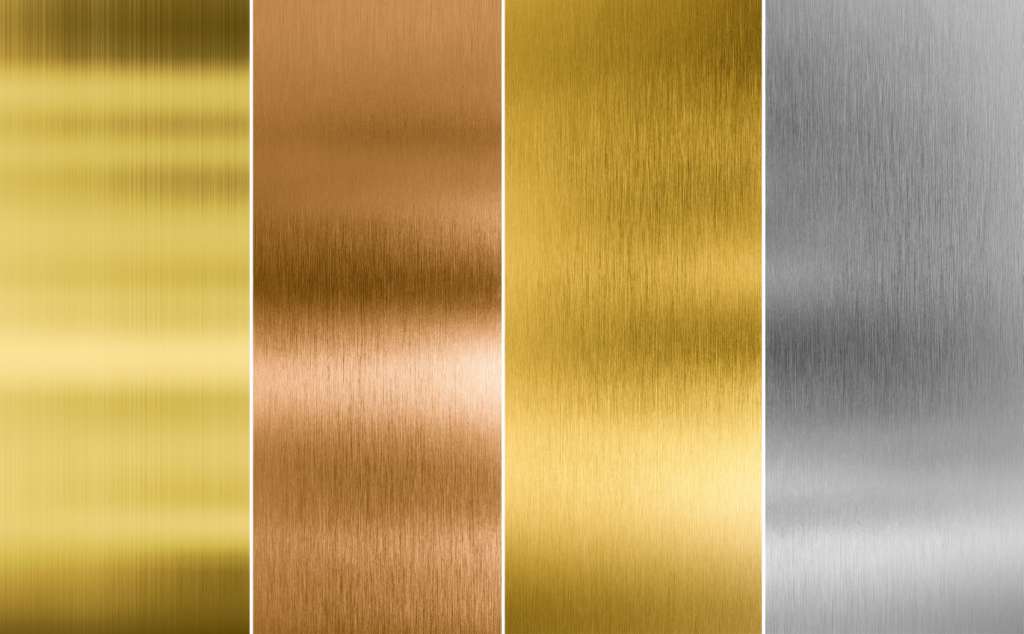
I remember the first time I really noticed brass. I was a kid, maybe seven or eight, and we were at my grandparents' house. My grandpa, bless his meticulous heart, was polishing the doorknobs. Not just any doorknobs, mind you. These were the old-fashioned, solid kind that felt like little weights in your hand. And as he worked, rubbing with a soft cloth, this dull, almost muddy metal started to… awaken. It transformed from something unremarkable to a warm, golden glow that seemed to capture the sunlight. I remember asking him, with that wide-eyed earnestness only a child can muster, "Grandpa, what color is that?" He just smiled and said, "That, my dear, is brass."
And that, folks, is the question that’s been rattling around in my brain ever since: what color is brass metal? Because, as my grandpa so beautifully demonstrated, it's not just one thing, is it? It's a whole spectrum, a mood, a feeling. It’s the stuff of pirate treasure, of antique musical instruments, of those ridiculously fancy fixtures you see in old movies.
We’ve all seen it. We’ve probably touched it. But when someone asks you to describe the color of brass, do you freeze up? Do you just blurt out "gold"? Because, spoiler alert, it's not exactly gold. And that's where things get interesting.
The "Gold" Misconception (and why it's kinda right, but mostly wrong)
Let's address the elephant in the room. Most people, when you say "brass," think of that bright, shiny, unmistakable gold color. And I get it. There’s definitely a strong resemblance, especially when brass is polished to a mirror finish. It has that warm, rich hue that we associate with precious metals and luxury.
Think about it: a gleaming trumpet, a vintage chandelier, that sturdy latch on an old wooden chest. They all have a certain golden allure. But here’s the cheeky twist: brass isn't actually gold. Not even a little bit. It’s a different metal entirely, with its own unique personality. And that’s what makes this whole "what color is it?" question so much fun.
So, if it's not gold, what is it? Well, that brings us to the nitty-gritty of what brass actually is.
The Alchemical Secret: Copper and Zinc Unite!
Brass is an alloy. Now, I’m not trying to give you a chemistry lesson here (unless you're into that, in which case, more power to you!), but understanding what brass is made of is key to understanding its color. Brass is primarily a mixture of copper and zinc.
The ratio of these two metals is what dictates the final color and properties of the brass. And this, my friends, is where the magic happens. Because by fiddling with the proportions, you can create brass that leans more towards one color or the other.
Think of it like baking. A pinch of this, a dash of that, and you get a completely different cookie. Brass is the same, but with metal!
The Golden Mean: A Balanced Blend
When you have a relatively balanced mix of copper and zinc, you get what most people would recognize as classic brass. This is often in the range of 60-70% copper and 30-40% zinc. This blend gives you that beautiful, warm, yellowish-gold hue.
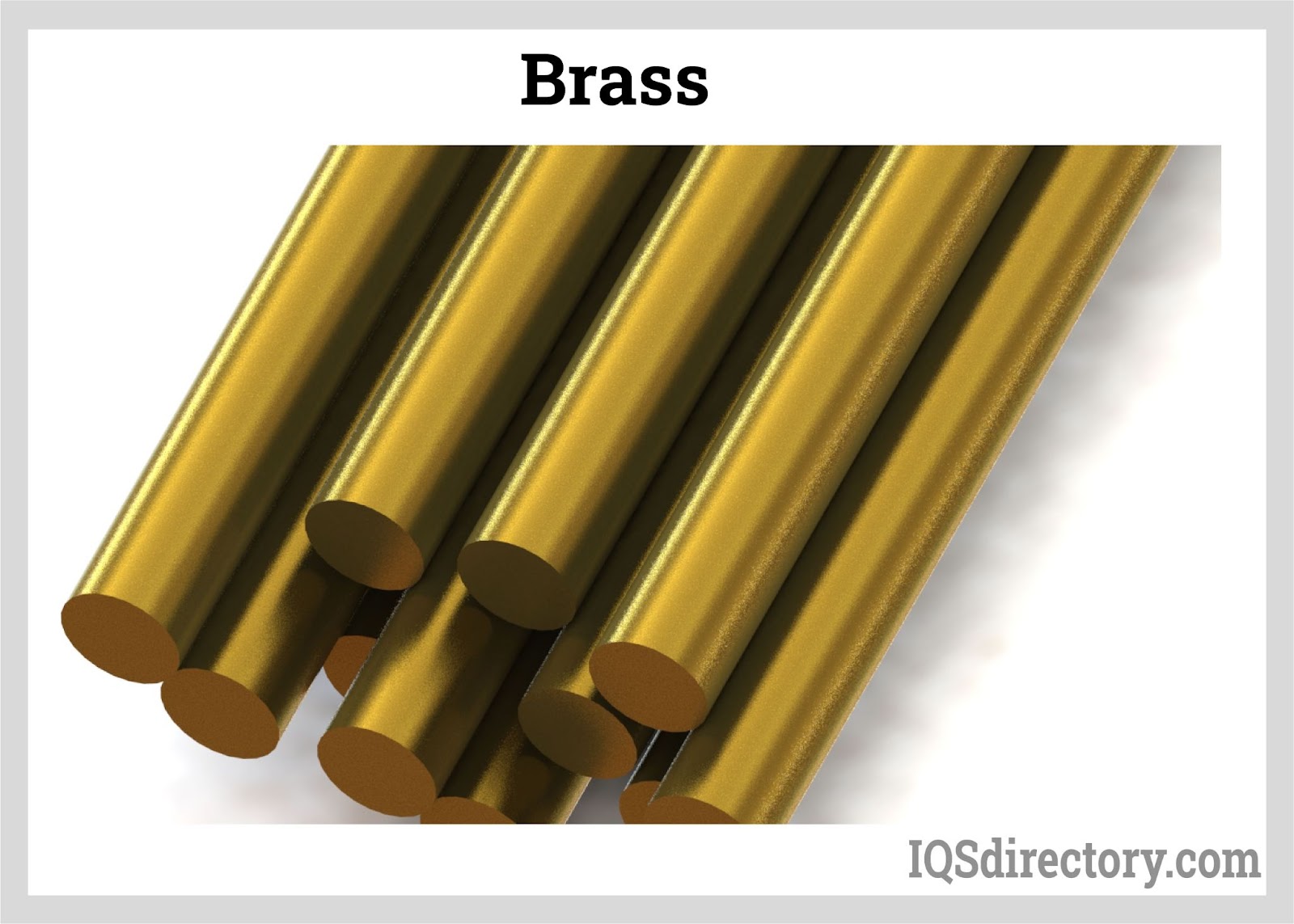
This is the brass of the doorknobs, the decorative accents, the musical instruments. It’s the color that screams "timeless elegance" and "sophisticated charm." It’s approachable, it’s inviting, and it’s undeniably… well, brassy!
It’s the color that complements so many other materials, from dark wood to cool stone. It’s a metal that feels both grounded and aspirational. Kind of like a perfectly aged whiskey, wouldn't you say?
Leaning Towards Red: The Copper Influence
Now, what happens if you increase the copper content and decrease the zinc? You start to get brass that leans more towards the reddish-brown side of the spectrum. This is often referred to as red brass or sometimes even rose brass.
This type of brass has a deeper, richer tone. It’s less overtly golden and more of a warm, coppery glow. Think of some of the older, more ornate brass pieces, or even some types of vintage jewelry. It has a certain antique charm that can be utterly captivating.
This brass feels a bit more grounded, a bit more substantial. It’s less about flash and more about enduring beauty. It’s the kind of color that whispers stories of the past, of craftsmanship, and of a different era.
Leaning Towards Yellow: The Zinc Surge
On the flip side, if you increase the zinc content, the brass can appear a lighter, more yellowish color. This is sometimes called yellow brass. It can get pretty close to the color of pure gold, but it still retains that distinct brassy undertone. It's brighter, a bit more… cheerful, perhaps?
This is often the brass you see in plumbing fixtures, hardware, and even some types of coinage. It’s practical, it’s functional, and it’s still got that attractive metallic sheen. It's like the reliable friend in the brass family – always there, always looking good.
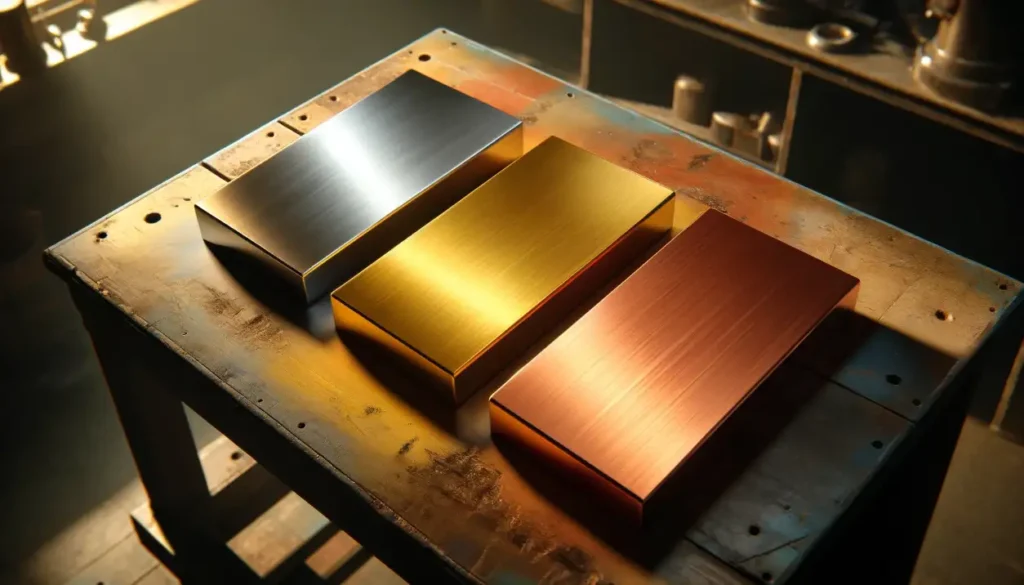
It’s a color that can feel more contemporary, more modern. It can brighten up a space without being ostentatious. It's the dependable, yet still delightful, choice.
Beyond the Blend: The Influence of Age and Finish
But wait, there's more! The color of brass isn't just about the copper and zinc ratio. Oh no, that would be too simple, wouldn't it? The way brass is treated after it's manufactured plays a massive role in its perceived color.
The Patina Effect: Time Travelers in Metal Form
This is where things get really interesting, and where that initial doorknob memory comes back into play. Over time, and when exposed to air and moisture, brass develops a patina. This is essentially a layer of oxidation that forms on the surface of the metal.
And this patina is not a bad thing! In fact, many people actively seek it out. It’s what gives antique brass its depth and character. The patina can range from a dull, grayish-brown to a beautiful verdigris green. It’s a testament to the object’s history and its journey.
Think of an old brass telescope or a weathered ship’s bell. The color is far from the bright gold of a newly minted coin. It's a rich tapestry of browns, greens, and muted yellows. It’s the color of stories, of adventure, of things that have seen it all.
And the best part? You can accelerate this process with specific chemicals if you want that aged look without the centuries of waiting. It’s like fast-forwarding time, but for metal!
Polished to Perfection: The Shine Factor
On the other end of the spectrum, we have polished brass. This is the brass that has been meticulously buffed and shined to a high gloss. This is where you get that dazzling, reflective surface that really bounces light around.
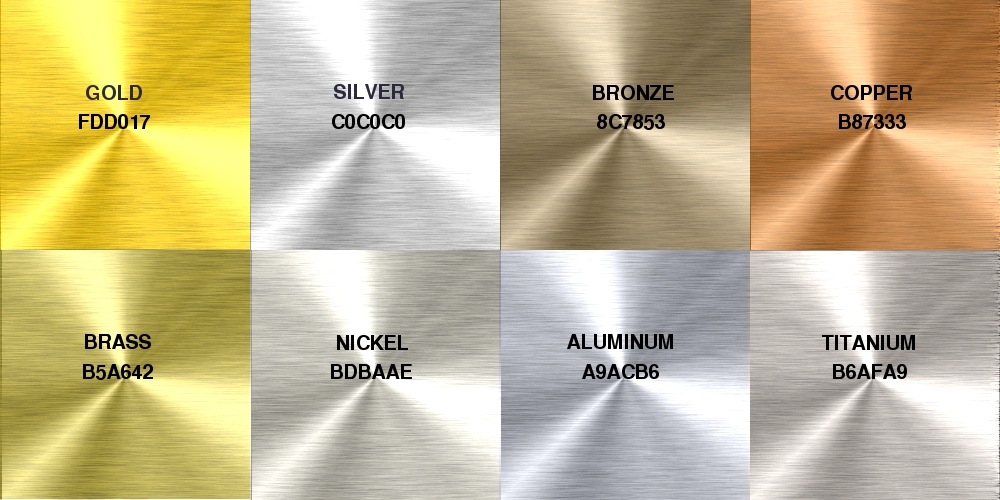
When brass is polished, its true color – dictated by its copper and zinc content – really shines through. It’s bright, it’s warm, and it has that unmistakable golden allure. This is the brass that catches your eye in a well-appointed room.
The shinier it is, the more it can look like gold. But even at its most reflective, there’s a certain warmth and depth that pure gold might lack. It’s a more accessible, yet still luxurious, shine.
Brushed vs. Polished: A Subtle Distinction
And then there’s brushed brass. This finish has a matte, slightly textured appearance. It’s still polished, but not to a mirror finish. It has a softer sheen, and the directional brush marks can create a subtle play of light and shadow.
Brushed brass can sometimes appear a bit more muted than highly polished brass. It has a more understated elegance. It’s the sophisticated cousin who doesn’t need to shout to be noticed. The color is still there, but it's presented with a little more restraint.
This finish is incredibly popular in interior design right now because it offers warmth and a touch of luxury without being overpowering. It’s the perfect way to introduce brass into a space without making it feel too… much.
Coated and Plated: The Imposters (or the Versatile Cousins?)
Now, let’s talk about the tricksters. You’ll also encounter brass that has been coated or plated. This is often done to protect the underlying metal, to achieve a specific color, or to make a less expensive base metal look like brass.
For example, you might see lacquered brass. This is brass that has a clear protective coating applied to prevent tarnishing. The color of lacquered brass is essentially the color of the brass underneath, but it will remain consistent over time. It’s the low-maintenance option!
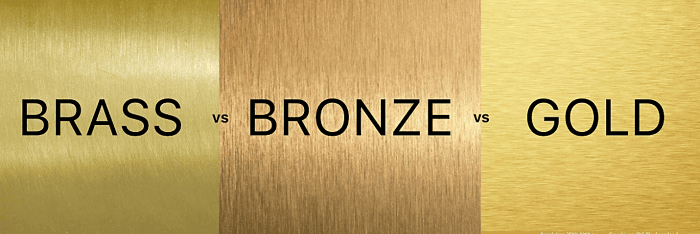
Then there’s brassed or brass-plated items. These are usually made of steel or another base metal and have a thin layer of brass applied to the surface. The color will mimic brass, but it might not have the same depth or patina potential. It’s a way to get the look of brass without the full cost of solid brass.
These can be a bit misleading, can’t they? You think you're getting the real deal, and then you discover it's a brass-adjacent experience. But hey, sometimes that’s exactly what you need!
So, What Color IS Brass? The Honest Answer (Kind Of)
After all that, are we any closer to a definitive answer? I think the beautiful truth is that brass doesn't have one single color.
It’s a metal with a remarkable ability to adapt, to change, and to impress. It can be a bright, cheerful yellow-gold. It can be a deep, lustrous red-brown. It can be a rich, variegated tapestry of browns and greens. It can be a blindingly bright reflection. It can be a soft, subtle sheen.
The color of brass is a conversation between its composition, its age, and its finish. It’s a story told in metallic hues. It’s a testament to the fact that sometimes, the most interesting things are those that defy simple categorization.
So, the next time someone asks you what color brass is, you can wink and say, "Well, that depends. Are we talking about a brand new trumpet, a centuries-old compass, or your grandma's perfectly polished doorknobs?" Because the answer, my friends, is as varied and as beautiful as brass itself.
It’s the color of history, of art, of music, and of everyday life. It’s a color that has been cherished for centuries, and I have a feeling it’s going to be around for many more. And that, I think, is a pretty fantastic color to be.