
What Countries Did The Ho Chi Minh Trail Go Through

Ever wondered about those epic journeys undertaken during history's most challenging times? Sometimes, the most fascinating stories involve hidden paths, incredible resilience, and a bit of geographical detective work. Today, we're diving into the legendary Ho Chi Minh Trail, not just as a military route, but as a testament to human ingenuity and a network that stretched across Southeast Asia, connecting a divided nation. Think of it as history's ultimate undercover operation, a vital artery that kept hope alive for millions. Learning about its path isn't just about memorizing maps; it's about understanding the sheer scale of determination and the intricate dance between nature and human effort.
The Purpose of the Trail: More Than Just a Shortcut
So, what was this famous trail all about? In simple terms, the Ho Chi Minh Trail was a complex network of jungle paths, roads, and river routes used by North Vietnam to transport troops, weapons, and supplies to the Viet Cong and the North Vietnamese Army fighting in South Vietnam. It was established in 1959 and operated throughout the Vietnam War. Its primary purpose was to bypass the heavily fortified Demilitarized Zone (DMZ) that separated North and South Vietnam. This made it incredibly difficult for American and South Vietnamese forces to completely cut off the flow of resources.
But it was so much more than just a military supply line. The trail was a lifeline, a symbol of defiance, and a crucial element that prolonged the conflict and ultimately influenced its outcome. It allowed North Vietnam to sustain its war effort in the south without direct invasion across the DMZ. This sustained presence and the continuous influx of men and materiel meant that the war could continue, putting immense pressure on the opposing forces. The ingenuity behind its creation and maintenance is truly remarkable. Imagine coordinating thousands of people, building bridges, clearing paths, and moving vital equipment through dense, often hostile terrain, all under constant threat of air attacks.
The benefits were manifold for the North Vietnamese cause. It provided a flexible and adaptable route that could be constantly rerouted as it was bombed. It was a psychological boost, showing that despite overwhelming force, they could maintain their operations. Furthermore, it allowed for a more decentralized approach to warfare, enabling smaller units to be supplied and reinforced deep within enemy territory. The sheer logistical challenge of keeping this network operational for nearly two decades is a feat that historians and military strategists still study today.
The Ho Chi Minh Trail was a testament to the power of persistence and the ability of a determined people to overcome immense obstacles. It was a winding, complex, and often brutal journey, but one that was essential for the survival of their cause.
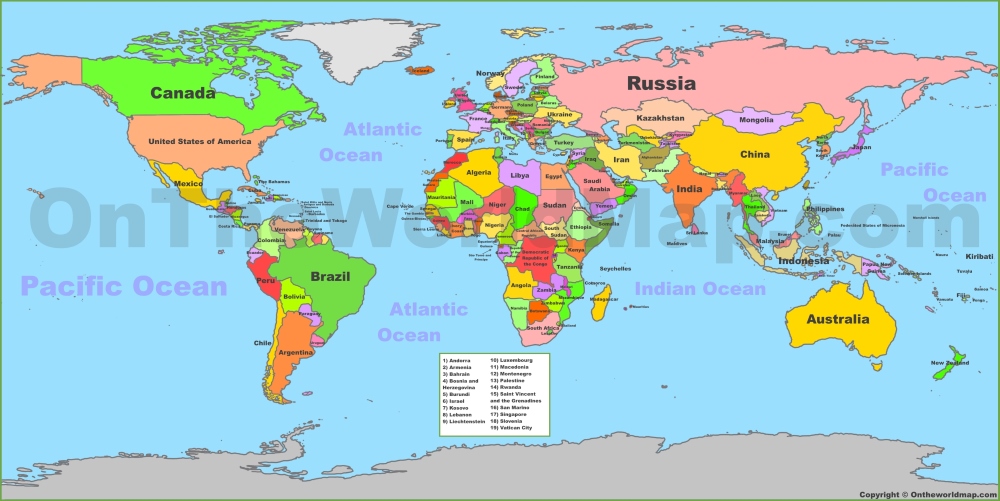
World political map with countries
The Trail's Journey: A Geographic Adventure
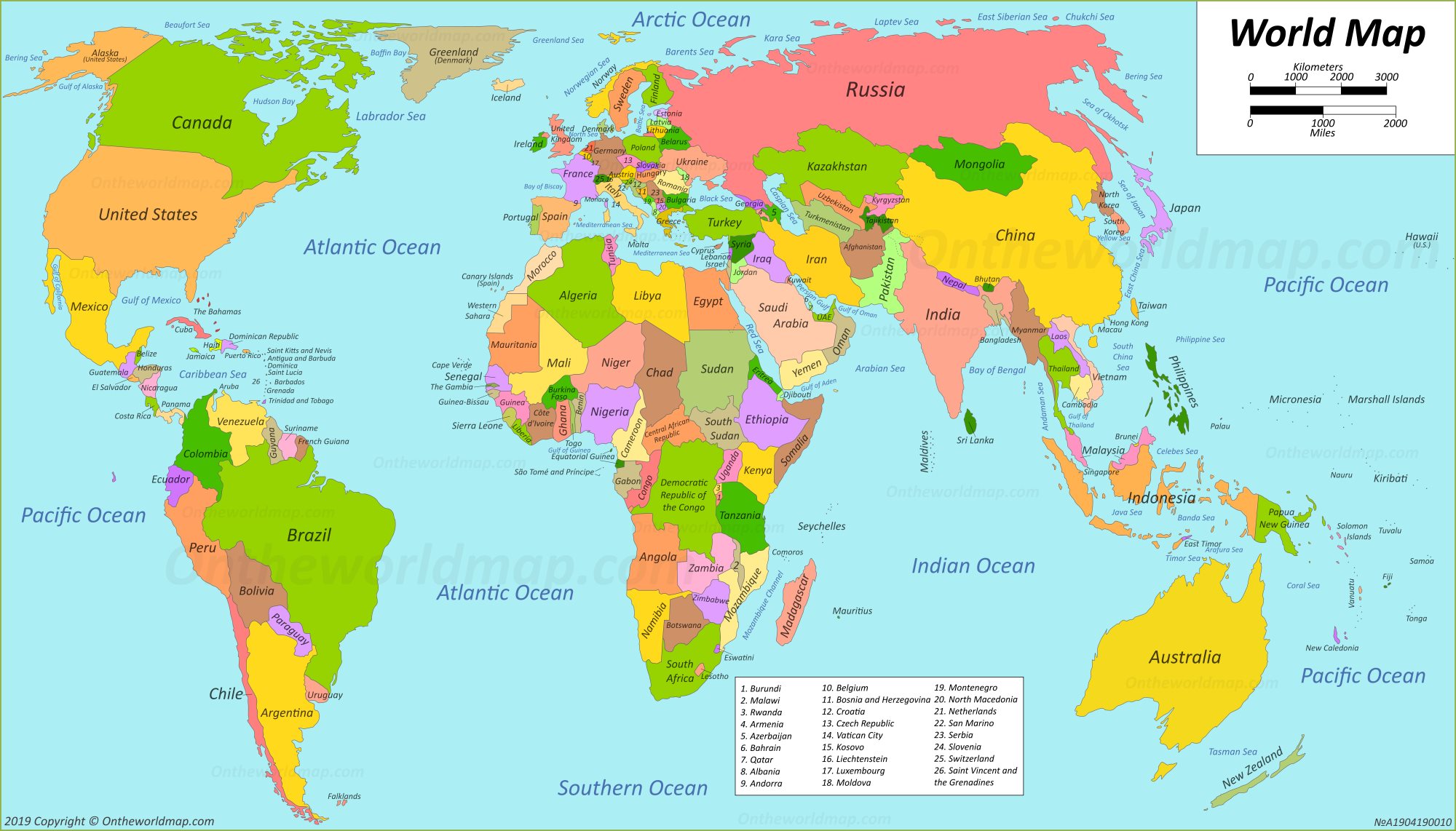
Now, for the fun part – where did this legendary trail actually go? The most common misconception is that it was a single, well-defined path. In reality, the Ho Chi Minh Trail was a vast and evolving network of hundreds of jungle paths, logging roads, and river passages that stretched over 1,000 miles. While it began in North Vietnam, its tendrils reached deep into three other countries:
Laos
This was arguably the most crucial country the trail traversed. A significant portion of the Ho Chi Minh Trail ran through eastern Laos. It was here that the trail was at its most extensive, branching out into countless smaller tracks. American bombing campaigns in Laos were incredibly intense, but Laotian villagers and North Vietnamese soldiers worked tirelessly to repair and reroute the paths, often under the cover of darkness or dense jungle canopies. The terrain in Laos, with its rugged mountains and thick forests, provided excellent cover but also immense challenges for construction and movement.
Cambodia
The southern sections of the trail extended into eastern Cambodia. Similar to Laos, these areas became vital staging grounds and infiltration routes for North Vietnamese forces. The presence of the trail, and the North Vietnamese military bases it supported, eventually played a significant role in the widening of the Vietnam War and led to controversial American military operations within Cambodia.
Vietnam (North and South)
Of course, the trail began in North Vietnam, starting from various points and moving south. Its ultimate destination was the war zone in South Vietnam. Supply depots, transit camps, and assembly areas were established all along the route, including deep within the jungles and highlands of South Vietnam itself, making it incredibly difficult for Allied forces to distinguish between enemy combatants and the civilian population involved in supporting the trail.

The trail wasn't just a static route; it was a dynamic system. As sections were destroyed by bombing or ground assaults, new paths would be dug, bridges rebuilt, and alternative routes established. This adaptability was a key factor in its longevity. Think of it like a constantly shifting river, always finding a new way to flow, even when its banks are under attack. The scale of the operation, involving tens of thousands of laborers, engineers, and soldiers constantly working to keep the supply lines open, is truly mind-boggling.
So, the next time you hear about the Ho Chi Minh Trail, remember it wasn't just a path through one country. It was a sprawling, intricate, and determined network that wove its way through the heart of Southeast Asia, a remarkable testament to the endurance and resourcefulness of those who used it. It’s a piece of history that reminds us that even in the face of overwhelming odds, human will can forge paths where none seemed to exist.