
What Did The Monster In Frankenstein Look Like
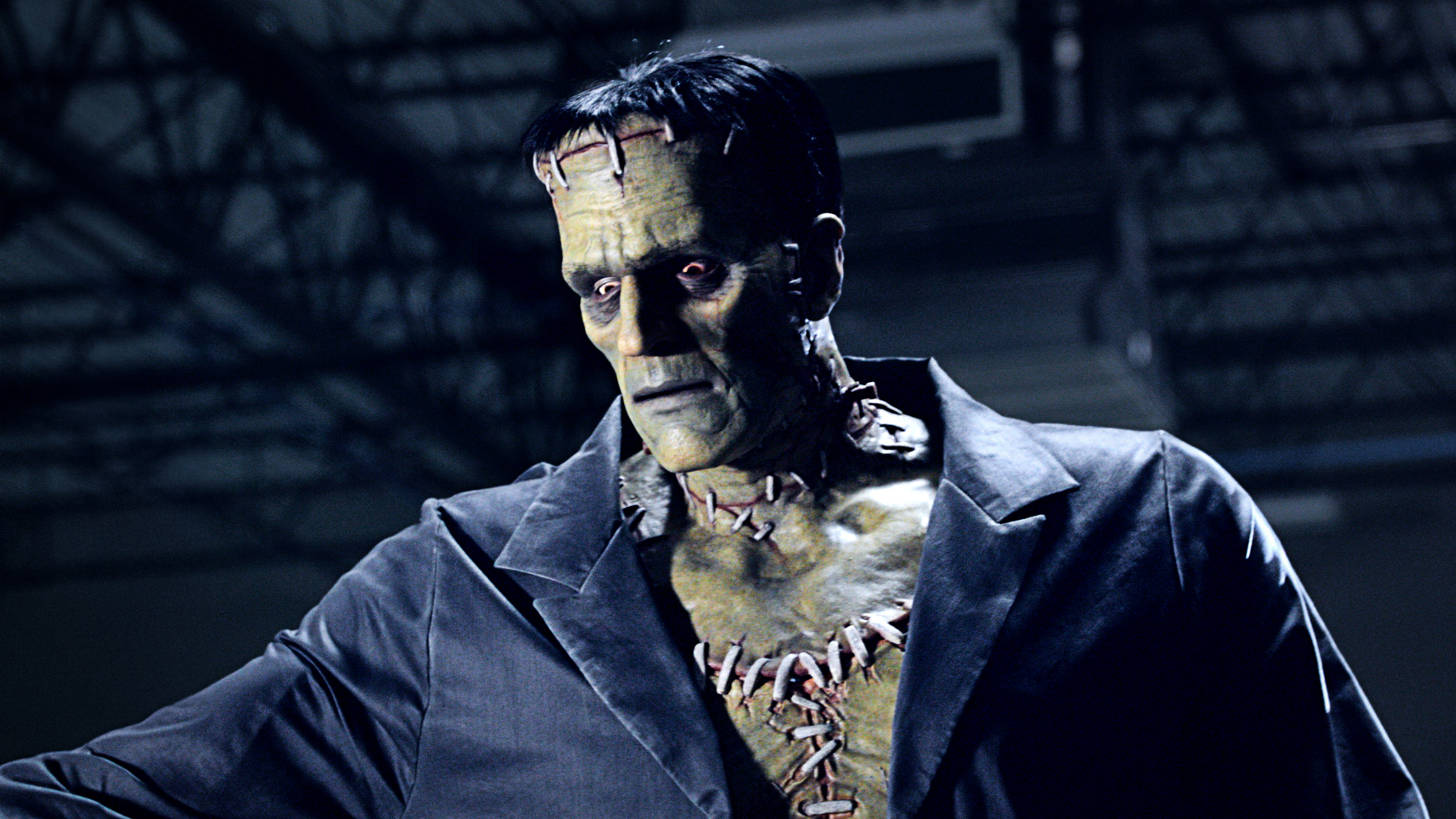
Ever imagined a creature stitched together from spare parts, brought to life by a bolt of lightning? That’s the iconic image that pops into most people’s heads when we talk about the “monster” from Mary Shelley’s Frankenstein. It’s a story that’s captured our imaginations for over two centuries, spawning countless films, plays, and even Halloween costumes. But what did this famous creature actually look like? Forget the green-skinned, bolt-necked movie monster for a moment, because the reality, as described by Shelley herself, is far more unsettling and, dare we say, fascinating.
The fun in exploring the original description lies in peeling back the layers of pop culture and discovering the author’s own vision. It’s like unearthing a forgotten blueprint. This isn’t just about satisfying curiosity; understanding Shelley’s creation helps us appreciate the deeper themes of her novel. It tells us a lot about what she was trying to say about humanity, nature, and the dangers of unchecked ambition. Plus, let’s be honest, it’s just plain cool to know the real story behind such a legendary figure!
Beyond the Silver Screen: Shelley's Vision
The 1931 film starring Boris Karloff undeniably cemented a certain look in our collective consciousness: lumbering, greyish-green skin, a flat head with those infamous bolts, and a rather vacant, yet menacing, expression. It’s a look that has been endlessly imitated and parodied. However, if you were to meet Victor Frankenstein’s creation in the pages of the novel, the experience would be quite different, and perhaps, more chillingly human, despite its monstrous origins.
Mary Shelley, in her groundbreaking novel Frankenstein; or, The Modern Prometheus, penned in 1818, paints a picture that is less about grotesque disfigurement and more about an unsettling, unnatural perfection gone wrong. Victor Frankenstein, our ambitious scientist, describes his process with a sense of revulsion he can barely contain. He doesn’t set out to create a monster; he aims for beauty. He selects “the finest features” and assembles them with meticulous care. Imagine, he sought “beauty” and “symmetry” in his individual components.
“I had selected his features as beautiful. Beautiful! Great God! His yellow skin scarcely covered the workings of the muscles and arteries beneath; his hair was of a lustrous black, and flowing; his teeth of a pearly whiteness; but these luxuriances only formed a more horrid contrast with his watery eyes, that seemed almost of the same colour as the dun-white socket, and his shrivelled complexion and straight black lips.”
This passage, from Chapter 5, is key. Notice the stark contrast. Victor aimed for beauty, but the assembled result was a terrifying paradox. The creature was intended to be large, yes, but not necessarily brutish. Shelley emphasizes a pallor, a sickly yellow hue to the skin that barely conceals the vascular system beneath – a constant reminder of its artificiality and the life force coursing through it. This isn’t the sturdy, leathery hide of movie monsters; it’s a thin, stretched membrane over a reanimated structure.
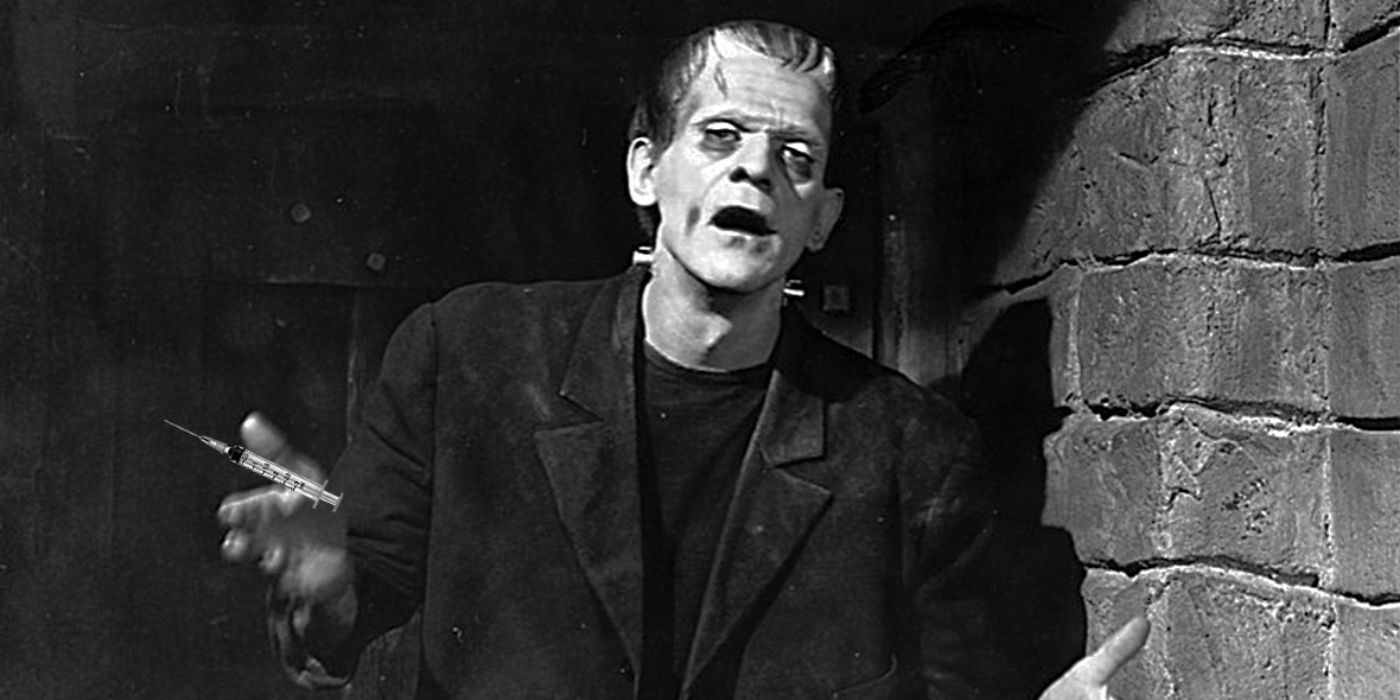
His hair is described as “lustrous black and flowing,” and his teeth as “pearly white.” These are features of human attractiveness, but in the context of the whole, they become grotesque. They are too perfect, too stark, making the unsettling nature of his eyes even more pronounced. The eyes are a particular point of horror for Victor: “watery eyes, that seemed almost of the same colour as the dun-white socket.” This lack of definition, this watery, almost milky gaze, is far more unnerving than any bulbous, cartoonish eye. It suggests a profound emptiness or a alienness that is hard to pin down, an unsettling blankness that no amount of intelligent thought could overcome in Victor’s initial perception.
Shelley also mentions “shrivelled complexion and straight black lips.” This hints at an unnatural stillness, a lack of natural vitality that even the reanimation couldn't fully erase. It’s the stillness of something that shouldn’t be still, a face that should express life but instead holds a disturbing, unnatural calm.
The Uncanny Valley of Creation
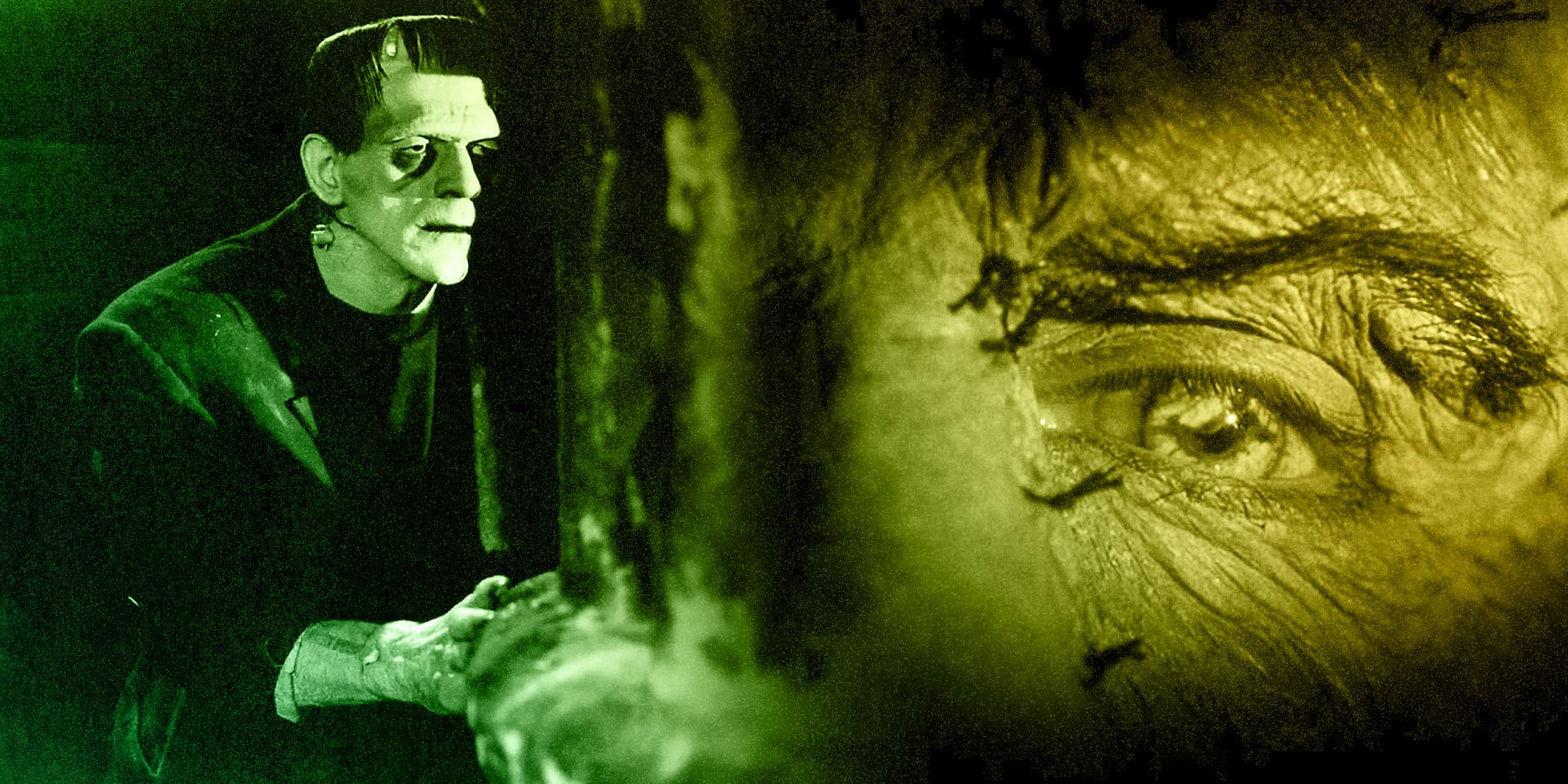
What makes Shelley’s description so powerful is its dive into what we now call the “uncanny valley.” This is that feeling of unease when something is almost, but not quite, human. The creature has human features, assembled from human parts, but the combination and the effect are profoundly wrong. It’s a visual representation of unnaturalness. The monster’s appearance isn't just about being ugly; it’s about being fundamentally other, a being that evokes dread not because it’s purely evil, but because it’s a perversion of what we understand as life and form.
The story highlights that the creature's outward appearance, while horrifying, is not the sole source of its monstrosity. In fact, the novel strongly suggests that the creature’s actions, and the reactions it elicits, are what truly forge its monstrous identity. Society’s immediate fear and rejection based on its looks fuel its subsequent despair and rage. So, while the original description gives us a vivid, unsettling image, it also serves as a crucial reminder that true monstrosity often lies not in the face, but in the circumstances and the treatment of the individual.
So, the next time you think of Frankenstein’s monster, remember the creature that Mary Shelley imagined: a being of terrifying, unnatural beauty, a being whose very existence was a contradiction, and whose story is a profound exploration of what it truly means to be human—or to be deemed monstrous.