
What Do Steel Fabricators Do

Ever looked up at a towering skyscraper, marvelled at a sturdy bridge, or admired the intricate metalwork in a modern sculpture and wondered how it all came to be? It’s not magic, it’s not spontaneous combustion of metal – it’s the incredible work of steel fabricators! These aren't just people who play with metal; they are the architects of our built environment, the unsung heroes who turn raw steel into the functional and beautiful structures that shape our world. If you think metalworking is all about grumpy guys in smoky workshops, think again! The reality of what steel fabricators do is far more fascinating, creative, and essential than you might imagine. It’s a blend of precision engineering, artistic vision, and sheer grit that brings to life everything from the mundane to the magnificent.
The Architects of the Unseen
At its core, a steel fabricator is a professional who takes raw steel – think long beams, sheets, and rods – and transforms it into specific, ready-to-use components. They don't just bend metal; they meticulously cut, shape, weld, drill, and assemble steel according to precise architectural and engineering plans. Imagine a giant, three-dimensional jigsaw puzzle, but instead of cardboard, it’s made of incredibly strong steel, and the pieces need to fit together perfectly to support immense weight and withstand the elements. That’s the daily reality for these skilled craftspeople.
The purpose of their work is fundamental to modern society. They are the backbone of construction. Without their expertise, our cities would look drastically different, or perhaps wouldn't exist as we know them. From the skeletal framework of office buildings and residential complexes to the complex structures of bridges, stadiums, and even the intricate supports for wind turbines, steel fabrication is indispensable. They also play a vital role in industrial projects, creating the machinery, tanks, and piping that keep factories running.
Benefits of a Steel Framework
Why steel? This is where the benefits become crystal clear. Steel is incredibly strong and durable. It can bear significant loads, making it perfect for supporting heavy structures. It's also remarkably resistant to fire, which is a huge safety advantage, especially in tall buildings. Furthermore, steel is a sustainable material. It can be recycled endlessly without losing its quality, contributing to a more environmentally conscious construction industry. This durability and strength mean that structures built with fabricated steel can last for decades, even centuries, providing long-term value and reliability.
The precision involved is astounding. Each piece of steel is measured, cut, and prepared to exact specifications. A tiny error can have significant consequences for the structural integrity of a project. This requires a keen eye for detail, a deep understanding of mathematics and engineering principles, and mastery of specialized tools and machinery. It’s a testament to human skill and dedication that these massive, complex structures can be assembled with such accuracy.
The Process: From Blueprint to Behemoth
So, what does a typical day look like for a steel fabricator? It's a multifaceted process. It often begins with reviewing detailed blueprints and specifications provided by architects and engineers. This stage is crucial, requiring them to understand the design, identify potential challenges, and plan the most efficient fabrication process. Attention to detail here is paramount.
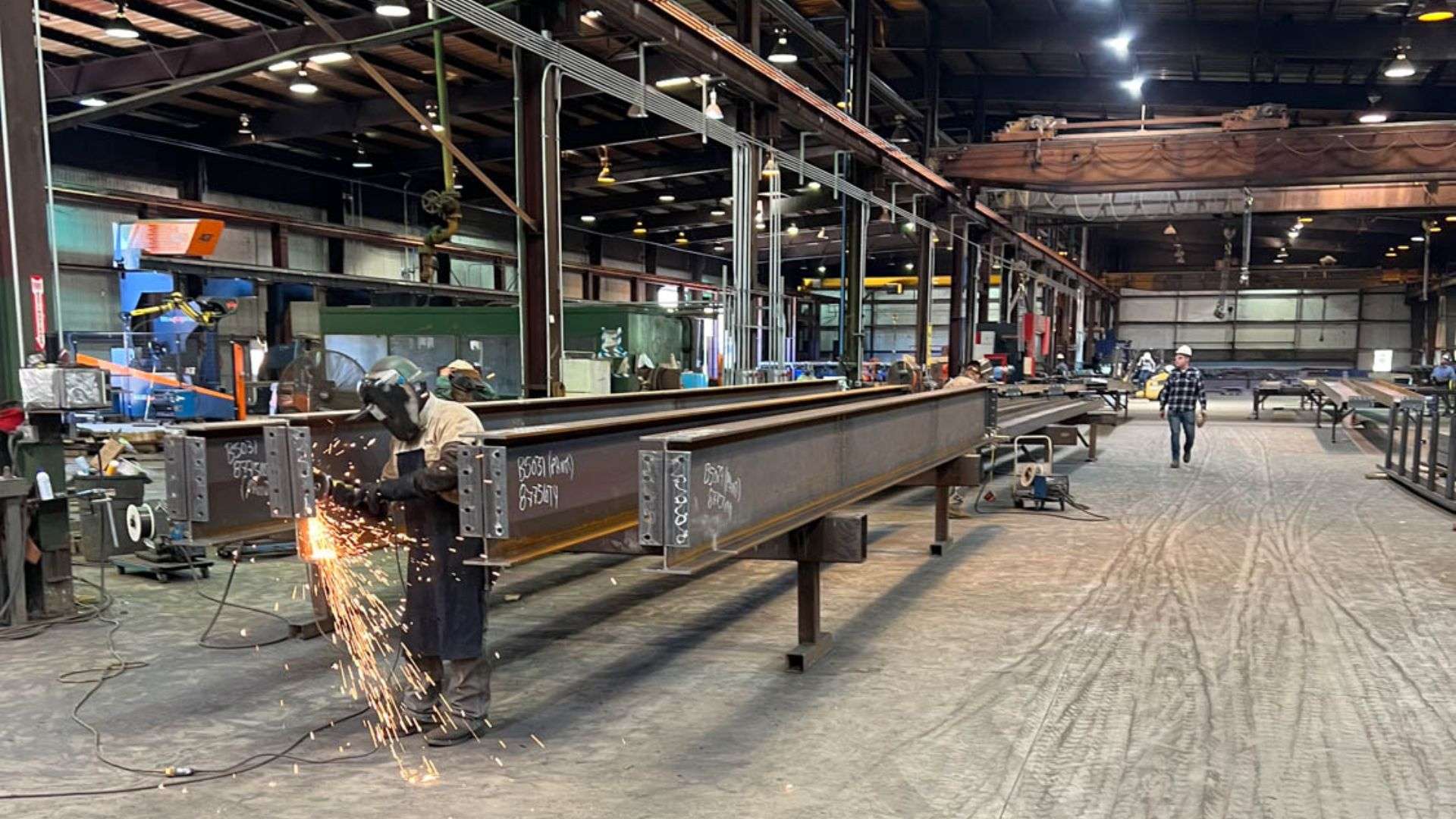
Next comes the cutting and shaping. Using advanced machinery like plasma cutters, band saws, and hydraulic shears, they transform raw steel into the required shapes and sizes. Then comes the assembly. This is where the magic of welding truly shines. Skilled welders join the pieces together with incredible precision, creating strong and seamless connections. The techniques used, such as MIG welding and TIG welding, require years of practice and a deep understanding of metal properties.
.jpg)
Beyond cutting and welding, fabricators also perform tasks like drilling holes for bolts, grinding edges smooth, and applying protective coatings to prevent rust and corrosion. They might even be involved in bending and forming steel into complex curves or intricate patterns, demonstrating a surprising artistic flair. The final stage often involves transporting the fabricated components to the construction site and overseeing their assembly, ensuring everything fits together perfectly, like a giant, industrial Lego set.
More Than Just Muscles and Metal
It’s important to dispel the myth that steel fabrication is solely manual labour. While physical strength is certainly a component, the modern steel fabrication industry is highly technological. Fabricators often work with sophisticated computer-aided design (CAD) software to visualize designs and generate cutting instructions. They operate advanced CNC (Computer Numerical Control) machines that automate many of the cutting and drilling processes, ensuring unparalleled accuracy and efficiency. This fusion of traditional craftsmanship with cutting-edge technology is what makes steel fabrication such a dynamic field.
The benefits of their work extend beyond just building things. Steel fabricators contribute to economic growth by creating jobs and supporting numerous other industries. They are also instrumental in ensuring safety and longevity in our infrastructure. When you see a bridge that has stood for decades, or a skyscraper that reaches for the clouds, remember the skilled hands and sharp minds of the steel fabricators who made it all possible. They are the silent architects, the strong foundations, and the true builders of our modern world.