
What Do Sunflowers Look Like When They Sprout
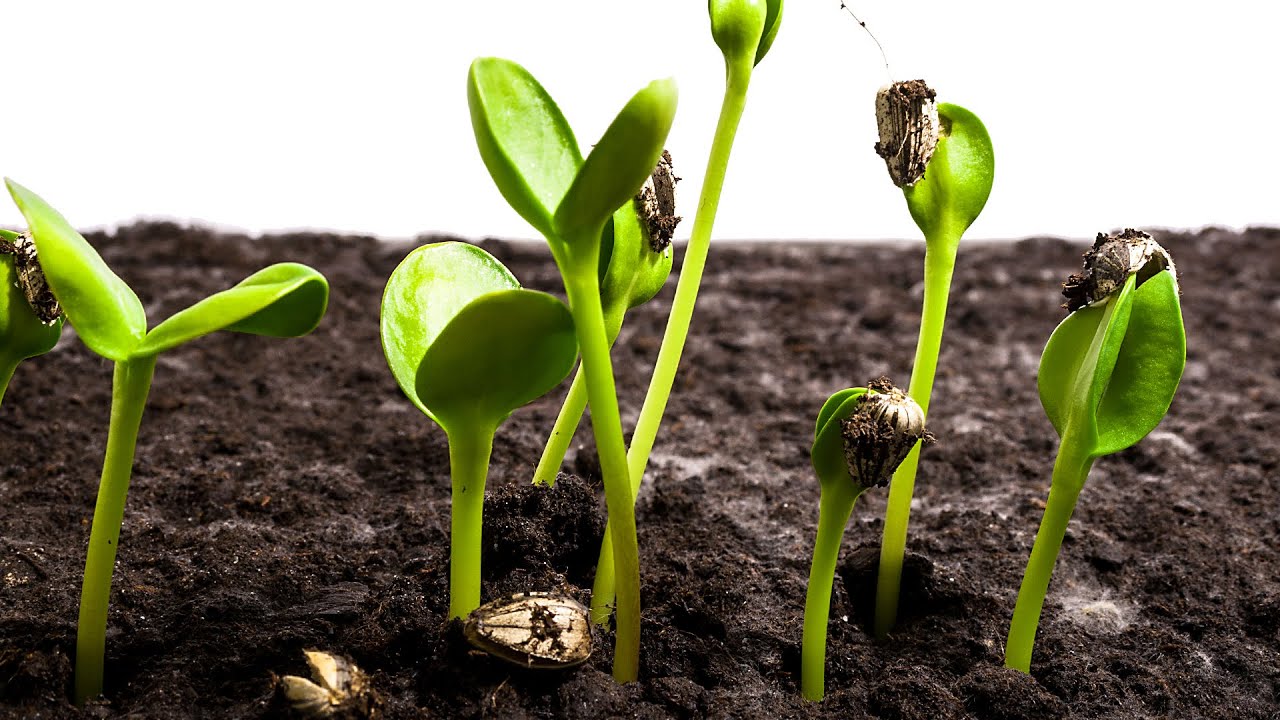
There's something truly magical about watching a plant grow, and sunflowers, with their cheerful disposition and impressive stature, are some of the most rewarding to observe. From the moment that tiny seed cracks open to reveal the first hint of life, it’s a mini-miracle unfolding right before your eyes. If you've ever planted a sunflower, or even just admired them in a field, you might have wondered what exactly happens underground and what those first tentative leaves look like. It’s a fascinating peek into the secret life of these sunny giants, and the process is surprisingly simple and incredibly satisfying to witness.
The purpose of this incredible transformation is, of course, to create a magnificent sunflower. These aren't just pretty faces; sunflowers are nature's solar panels, designed to reach for the sun and harness its energy. Their large flower heads are packed with hundreds of tiny florets that eventually develop into tasty seeds, a vital food source for birds and other wildlife, and a delightful snack for us too. Beyond their ecological importance and delicious seeds, sunflowers are also a symbol of happiness, vitality, and optimism. Their very presence can brighten a garden and lift spirits, making them a popular choice for gardeners of all levels, from seasoned green thumbs to absolute beginners.
So, what does this journey from seed to sprout actually look like? It all begins with a humble sunflower seed. These aren't just dormant packets; they contain everything a baby sunflower needs to get started. Once planted in warm, moist soil and given a little bit of sunshine, a remarkable process kicks off. Inside the seed coat, a tiny root, called the radicle, starts to push downwards. This is the plant's anchor and its primary way of absorbing water and nutrients from the soil. You won't see this part, as it's busy doing its important work beneath the surface, but it's the crucial first step.
After the root has established a secure foothold, the next exciting event occurs: the emergence of the hypocotyl. This is a stem that bends into a characteristic hook shape as it pushes its way up through the soil. Think of it like a little green question mark making its grand entrance. This hook is a clever adaptation; it protects the delicate shoot tip, which will soon unfurl into the first leaves, as it navigates the sometimes-compact soil. It’s a bit like a determined explorer using its head to clear a path.
Once the hypocotyl breaks through the soil surface, it begins to straighten, revealing the very first signs of the sunflower plant we recognize. Attached to the tip of this emerging stem are the cotyledons. These are the seed leaves, and they often look quite different from the true leaves that will develop later. They are usually small, oval-shaped, and a pale green color. Their main job is to provide the seedling with its initial food supply, using stored energy from the seed until the plant is strong enough to produce its own food through photosynthesis. They are the sprout’s first set of “working clothes” before the more elaborate outfit arrives.
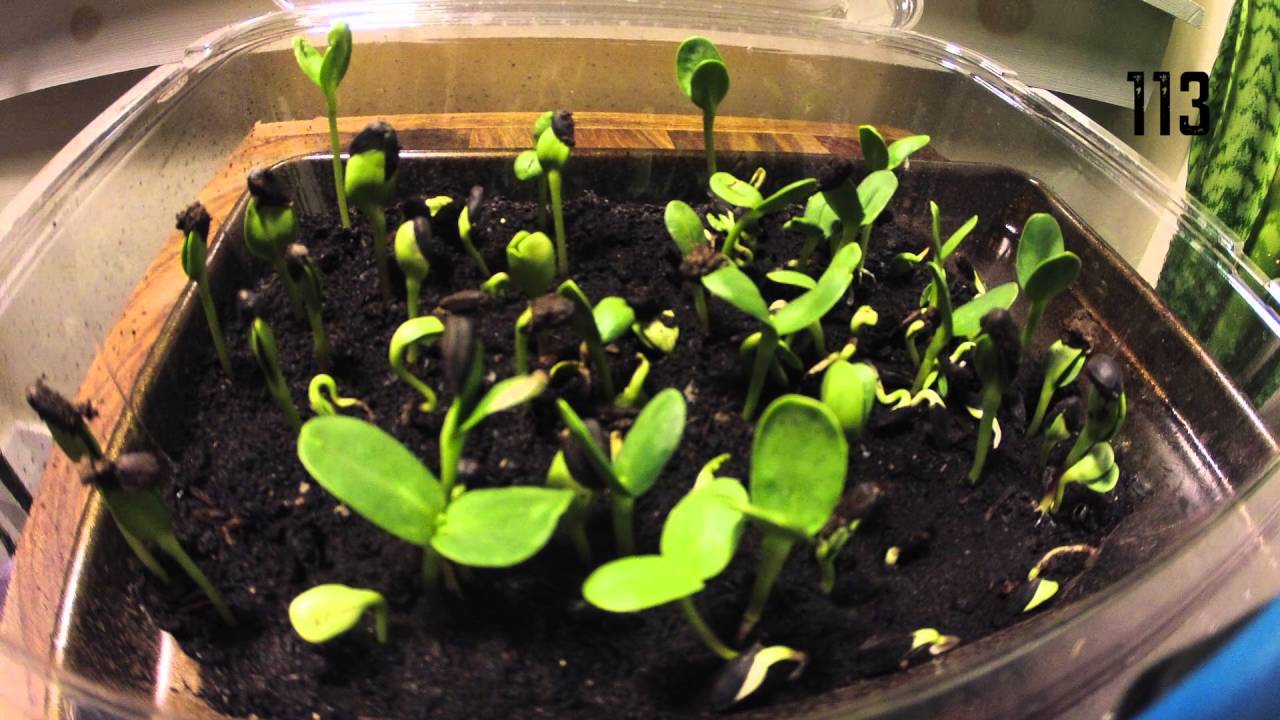
You might notice that the cotyledons don't always look exactly the same. Some varieties of sunflowers might have slightly different shaped or colored cotyledons, but their function remains the same. They are the initial promise of growth, the first visual clue that your little seed has awakened and is ready to embark on its journey towards becoming a towering, sun-worshipping bloom. It’s at this stage that many gardeners feel a real sense of accomplishment, seeing the tangible result of their planting efforts.
After the cotyledons have done their initial work, they will typically wither and fall off. In their place, the first set of true leaves will begin to unfurl. These are the leaves that will look more like what you'd expect on a mature sunflower, often with a slightly rough texture and a more distinct shape. They are larger, more deeply lobed, and are the plant’s primary workhorses for photosynthesis, converting sunlight, water, and carbon dioxide into energy for growth. This is when the real development begins in earnest, and the plant starts to gain momentum.
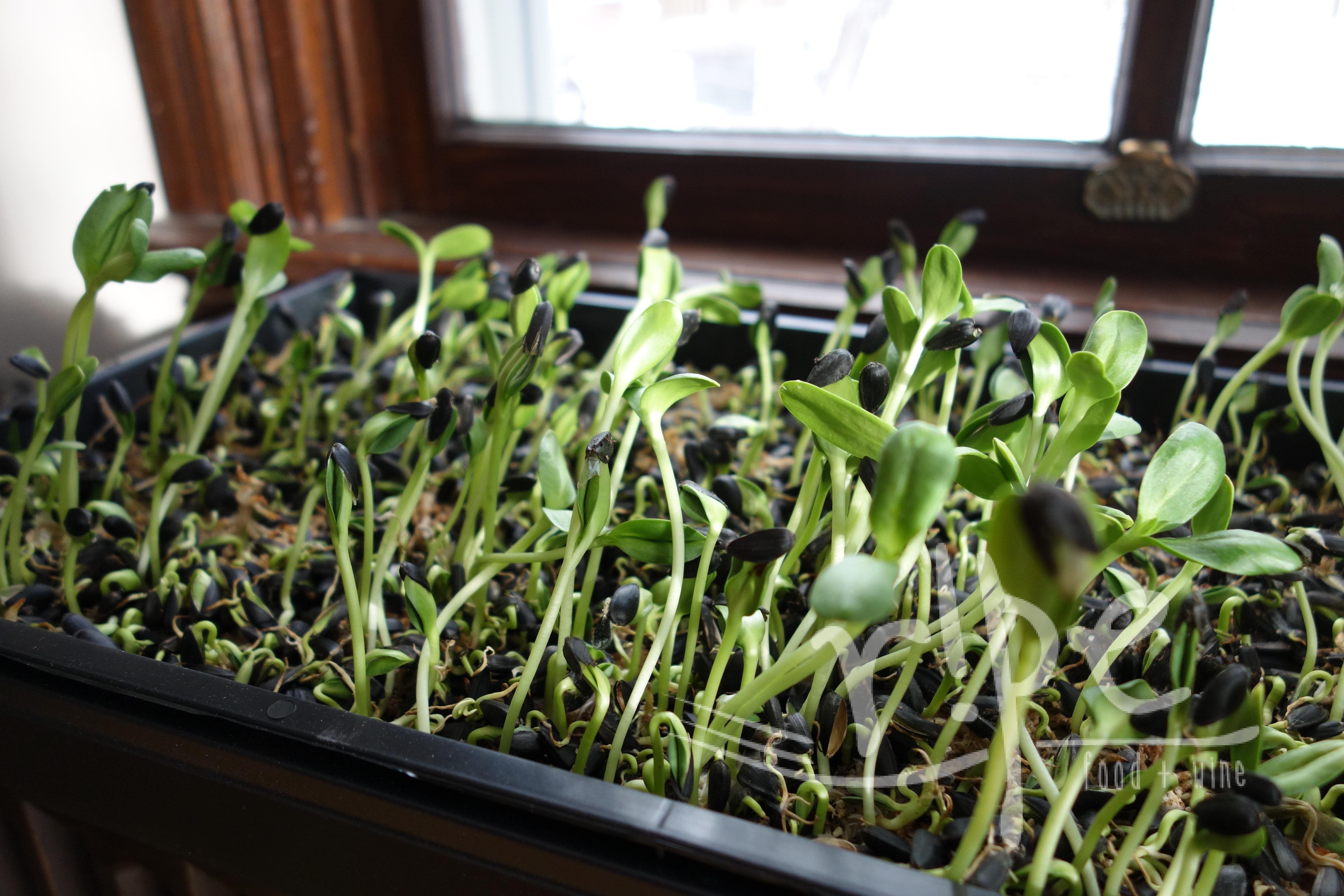
The speed at which your sunflower sprouts and grows can vary depending on factors like temperature, moisture, and the specific variety of sunflower you've planted. Some can pop up within just a few days, while others might take a week or more. The key is patience and providing the right conditions. It’s a beautiful reminder that nature operates on its own schedule, and good things often come to those who wait and nurture.
Watching these stages unfold is a fantastic educational experience for children and adults alike. It offers a tangible connection to the natural world and teaches valuable lessons about growth, patience, and the amazing capabilities of even the smallest seed. The journey from a hard, unassuming shell to a vibrant, sun-seeking plant is a testament to the resilience and wonder of life. So, the next time you plant a sunflower seed, take a moment to anticipate the exciting transformation that’s about to happen beneath the soil – that first, hopeful sprout is just the beginning of an incredible story.