
What Do The Colors In The Mexican Flag Mean

Ever looked at the Mexican flag and wondered about those vibrant stripes of green, white, and red? It's more than just a pretty design; each color tells a story, a bit like a secret handshake for those who know. Think of it as a delicious recipe for national pride, with each ingredient bringing something special to the table.
Let's start with the green stripe. When the flag was first dreamt up, this color was all about hope. Imagine a sunny day after a good rain, everything looking fresh and new. That's the feeling this green was meant to capture. It's the promise of a bright future, a land full of possibilities.
Then comes the white stripe. This one is often linked to unity. Think of a big, happy family gathering, everyone together, no matter what. That's the kind of togetherness this white represents. It’s about Mexicans standing hand-in-hand, a solid block of togetherness.
And finally, the red stripe. This color is all about the blood shed for the nation. It's a powerful reminder of the sacrifices made to keep Mexico free. It’s a bit somber, sure, but also incredibly brave. It’s the color of passion and the willingness to fight for what's right.
Now, hold on to your sombreros, because the meaning of these colors has actually evolved a bit over time! The original version, back in the early 1800s, was a little different. The green meant independence, the white meant religion (specifically, the Roman Catholic faith which was very important then), and the red was for the union of Europeans and Americans.
It’s a bit like a recipe that’s been tweaked over the years to suit changing tastes. While the original meaning is super interesting, the current, more secular interpretation is what most people connect with today. It’s a beautiful example of how symbols can grow and change with a nation.
But what about that magnificent emblem smack-dab in the middle? That's the Mexican coat of arms, and it’s a whole other legend in itself! It features a magnificent eagle perched on a prickly pear cactus, with a serpent dangling from its beak. This isn't just a random bird and snake; it's a story deeply rooted in ancient Aztec beliefs.
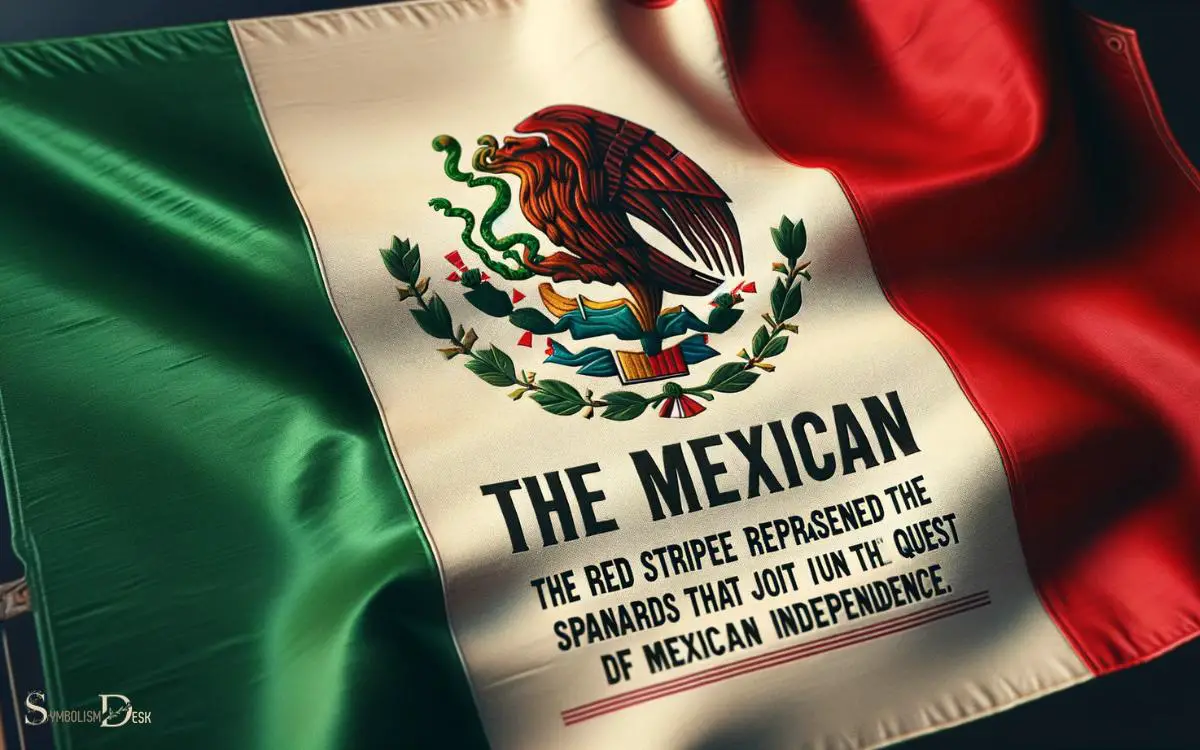
According to legend, the god Huitzilopochtli told the Aztec people to build their city wherever they found an eagle eating a serpent. They searched and searched, and eventually, they spotted this exact scene on a small island in Lake Texcoco. And that, my friends, is how the great city of Tenochtitlan was born, which is now the heart of modern-day Mexico City!
So, the eagle and serpent aren't just cool-looking symbols; they're a direct link to the very beginnings of Mexican civilization. It’s like finding an ancient family photo that explains where you all came from. It’s a reminder of their rich history and the incredible resilience of the Aztec people.
The eagle itself is a symbol of power and strength. Imagine the fiercest, most majestic eagle you can picture – that's the kind of power we're talking about. It's a protector, a guardian, watching over the land.
And the serpent? Well, in many cultures, serpents can have different meanings. For the Aztecs, it was often associated with the earth and even with creation. Here, it might represent something overcome or a challenge being conquered. It adds a layer of complexity to the story, a bit like a plot twist in a great movie.

The cactus, the prickly pear cactus, is also super significant. It's a plant that thrives in the arid Mexican landscape, showing incredible endurance. It's a symbol of surviving and flourishing even in tough conditions. Think of it as a tough, determined plant that just won't quit!
When you put it all together, the coat of arms is a mini-story of Mexico’s origins, its strength, and its ability to endure. It’s a visual poem about their ancestors and the founding of their great nation. It’s pretty incredible when you stop and think about it.
Now, how does this all tie back to the colors? The original meaning connected the religious significance to the white stripe, and the union of people to the red. While those specific ties might not be the primary interpretation today, the spirit of what they represented – togetherness and the sacrifices for the nation – still resonates deeply.
Think about it like a beloved song. You might know all the lyrics, but each time you hear it, you might connect with a different part of the melody or a particular line. The Mexican flag is a bit like that. Its colors and symbols have layers of meaning, and different people might feel a connection to different aspects.
The green, white, and red are now widely accepted as representing hope, unity, and the blood of heroes. It's a beautiful, straightforward interpretation that speaks to the heart of what it means to be Mexican. It’s a modern narrative woven into an ancient tapestry.
/the-mexican-flag-1588860-final-5c3f9f08c9e77c0001aa1dd7.png)
This evolving meaning is actually quite heartwarming. It shows that a nation’s identity isn’t static; it’s a living, breathing thing. The flag can be a mirror, reflecting the present while holding onto the echoes of the past.
So, next time you see the Mexican flag, whether it’s waving proudly on a flagpole, decorating a building, or on a fan’s jersey, take a moment. See those bold stripes and that iconic emblem. Remember the stories of hope, the power of unity, and the bravery of those who came before.
It’s more than just cloth and dye. It’s a symbol bursting with history, legend, and the enduring spirit of a vibrant nation. It’s a reminder that even simple things, like colors, can hold profound and beautiful meanings.
From the original idea of independence to the modern interpretation of hope, the green has seen a journey. It’s a color that looks forward, always pointing towards a brighter dawn.

The white, once tied to faith, now stands as a testament to the strength found in coming together. It’s the calm in the storm, the bond that holds a nation steady.
And the red? It’s a powerful, unshakeable reminder. It speaks of courage, of passion, and the ultimate price paid for freedom. It’s a color that demands respect and remembrance.
The coat of arms, with its eagle, serpent, and cactus, is the exclamation point on this grand narrative. It’s a snapshot of a mythical beginning, a testament to the enduring power of their ancestors' vision.
It's fascinating how these symbols can be interpreted and reinterpreted, carrying different weight and significance for different generations. This flexibility is part of what makes the flag so enduringly powerful.
So, go ahead, embrace the full story. The next time you see that proud banner, you’ll have a richer appreciation for the meaning behind the colors. It’s a little piece of Mexico’s soul, waving for all the world to see. ¡Viva México!