
What Do You Put Under Metal Roofing

Ah, metal roofing. It’s the modern marvel that’s slowly but surely making its way onto more and more rooftops, promising durability, a sleek aesthetic, and a lifespan that’ll make your grandparents’ shingles look like a fleeting summer fling. But as you’re dreaming of that cool, contemporary look, a little question might pop up, usually when you’re sipping your morning coffee or perhaps mid-way through a Netflix binge: what actually goes underneath all that gleaming metal? Is it just… air? Some kind of superhero adhesive? Let’s dive in, shall we, and uncover the unsung heroes of your metal roof’s underbelly.
Think of it like this: your metal roof is the chic leather jacket, and what's underneath? That's the comfy, reliable t-shirt and maybe a light flannel. It’s not just about aesthetics; it’s about creating a perfectly orchestrated system that keeps you dry, comfortable, and your home protected from the elements, season after season. So, grab a cup of tea, settle in, and let's demystify the foundation of your fantastic metal roof.
The Foundation: Sheathing, The Silent Supporter
At the very base of it all, supporting your metal panels like a trusty best friend, you'll typically find roof sheathing. This is the structural layer that gets fastened directly to your roof’s rafters or trusses. It's the solid, flat surface that gives your metal roofing something to grip onto, ensuring it stays put, no matter how enthusiastic the wind decides to get.
The most common material for sheathing is plywood or OSB (Oriented Strand Board). You might be familiar with these from DIY projects or seeing them on construction sites. They're sturdy, readily available, and provide a uniform surface. Think of them as the sturdy canvas upon which your metal masterpiece will be painted.
The thickness of the sheathing is important. It needs to be substantial enough to handle the weight of the metal panels, snow loads, and any other forces nature decides to throw at it. Generally, you'll see 15/32-inch or 5/8-inch thick sheets being used, depending on the specific roofing system and local building codes. It’s all about building a strong, reliable base.
This sheathing isn't just there to hold things up; it also plays a role in the overall structural integrity of your roof. It distributes loads evenly, preventing those pesky "soft spots" that can develop in older roofing systems. It’s the unsung structural hero, quietly doing its job so you don't have to worry.
The Barrier: Underlayment, Your Roof's First Line of Defense
Now, directly on top of the sheathing comes the layer that truly acts as your roof's first line of defense against moisture: roof underlayment. This is a crucial component, often overlooked in the grand scheme of things, but absolutely vital for preventing leaks and protecting your home from water damage. Imagine it as a really good quality, extra-thick raincoat for your roof.
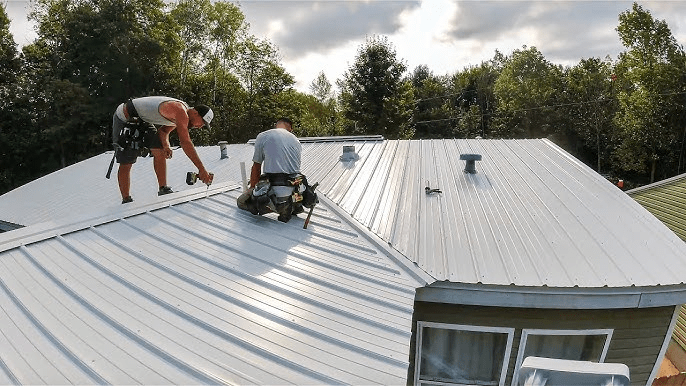
There are a few main types of underlayment you'll encounter, each with its own strengths. The most traditional is felt underlayment, often made from asphalt-saturated paper. It's been around for ages and is a reliable choice for many roofing applications, including metal. It provides a decent barrier against water and helps to seal any small imperfections in the sheathing.
However, the modern world of roofing has brought us some fantastic innovations. We're now seeing a lot more of synthetic underlayment. These are typically made from polypropylene or polyester and are incredibly strong, tear-resistant, and often offer superior water resistance compared to felt. They're lighter too, which can make installation a breeze.
Then there's the superstar of the underlayment world, especially for metal roofing: self-adhering underlayment, also known as peel-and-stick membranes. These bad boys are amazing. They stick directly to the sheathing, creating a seamless, waterproof barrier. They’re particularly popular in areas prone to ice dams because they offer exceptional protection against water backing up under the metal panels.
These self-adhering membranes are often referred to as "ice and water shield" in specific critical areas, but high-quality synthetic underlayments can also feature self-adhering strips to create a robust, integrated system. The idea is to create a continuous, waterproof layer that prevents any stray water from reaching the sheathing and, subsequently, your home.
When it comes to metal roofing, the underlayment is especially important because metal itself isn't a perfect water seal in the same way that shingles are. While metal panels are designed to shed water effectively, there's always a slight possibility of wind-driven rain or melting snow finding its way into small gaps or under edges. The underlayment is there to catch any of that sneaky moisture.

Why Underlayment is Your Roof's Best Friend
So, why all this fuss about a layer you can't even see? Well, it’s all about long-term protection. Underlayment:
- Provides a secondary water barrier: Even the best metal roof can be compromised in extreme weather. Underlayment acts as a backup, catching what the metal might miss.
- Protects against UV degradation: Some underlayments are designed to resist the damaging effects of the sun's rays, extending the life of the roofing system.
- Reduces friction: It can act as a buffer between the metal panels and the sheathing, preventing scratching and potential damage during installation and expansion/contraction.
- Contributes to energy efficiency: Some modern underlayments have reflective properties or can help to create an air gap, which can contribute to a cooler home in the summer.
- Prevents corrosion: Certain underlayments are designed to prevent moisture from coming into direct contact with the underside of the metal, which can help to stave off rust and corrosion.
It’s like wearing a good pair of socks under your stylish new boots. You might not think about them, but they make all the difference in comfort and preventing blisters, wouldn't you agree?
The Cozy Embrace: Insulation and Ventilation
While not strictly "under" the metal roofing panels in the same way as sheathing and underlayment, the layers above and below play a crucial role in the overall performance and longevity of your metal roof. We're talking about insulation and ventilation, the dynamic duo that keeps your home at the perfect temperature and prevents moisture buildup.
Insulation, typically found in your attic or the space between your ceiling and the roof, is like a warm hug for your home. It prevents heat from escaping in the winter and keeps the heat from the sun out in the summer. While it's not directly attached to the metal, its presence is paramount to enjoying the benefits of a metal roof, which can sometimes reflect a lot of solar heat.
A well-insulated attic not only keeps you comfortable but also plays a significant role in preventing ice dams. In colder climates, heat escaping from your home can melt snow on your roof. This meltwater then runs down to the colder eaves, refreezes, and forms a dam. Water backs up behind this dam and can seep under your roofing materials. Proper insulation is your first line of defense against this chilly problem.
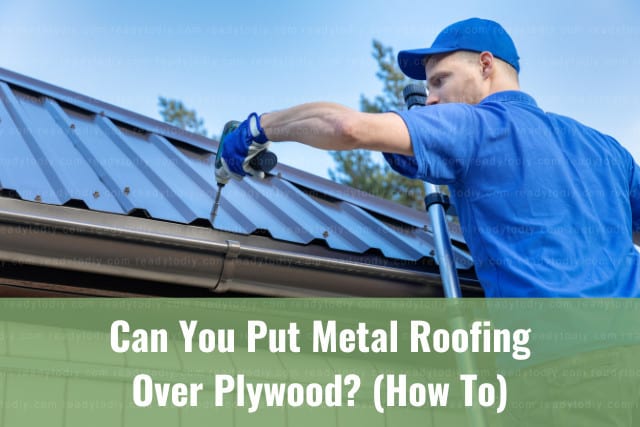
And then there's ventilation. This is the unsung hero that prevents your attic from becoming a swamp. Proper attic ventilation involves a system of intake vents (usually at the eaves) and exhaust vents (at the ridge or peak of the roof). This creates a natural airflow that expels warm, moist air from your attic and replaces it with cooler, drier air.
Why is this so important for a metal roof? Well, metal, being a conductor, can get quite warm when exposed to direct sunlight. Without proper ventilation, this heat can transfer into your attic, making your home hotter and your air conditioner work overtime. Furthermore, if any moisture does manage to get past the underlayment (which is rare with a good system), ventilation helps it to dry out quickly, preventing mold and rot.
Think of your attic ventilation like a chimney for your house. It allows unwanted air to escape, keeping things fresh and controlled. A well-ventilated attic, coupled with good insulation, works hand-in-hand with your metal roof to create an incredibly efficient and comfortable living space. It’s all about balance, really. Like knowing when to hit "play" and when to hit "pause" on life.
Beyond the Basics: Specialized Underlayments and Coatings
For those seeking an extra layer of peace of mind, or perhaps living in particularly challenging climates, there are even more advanced options when it comes to what goes under your metal roof.
Some metal roofing systems might recommend a specialized underlayment that includes features like integrated battens or spacers. These create a small air gap between the underlayment and the metal panel. This gap enhances ventilation and helps to further reduce heat transfer, making your home even more energy-efficient. It's like adding a little extra cushion for your comfort.
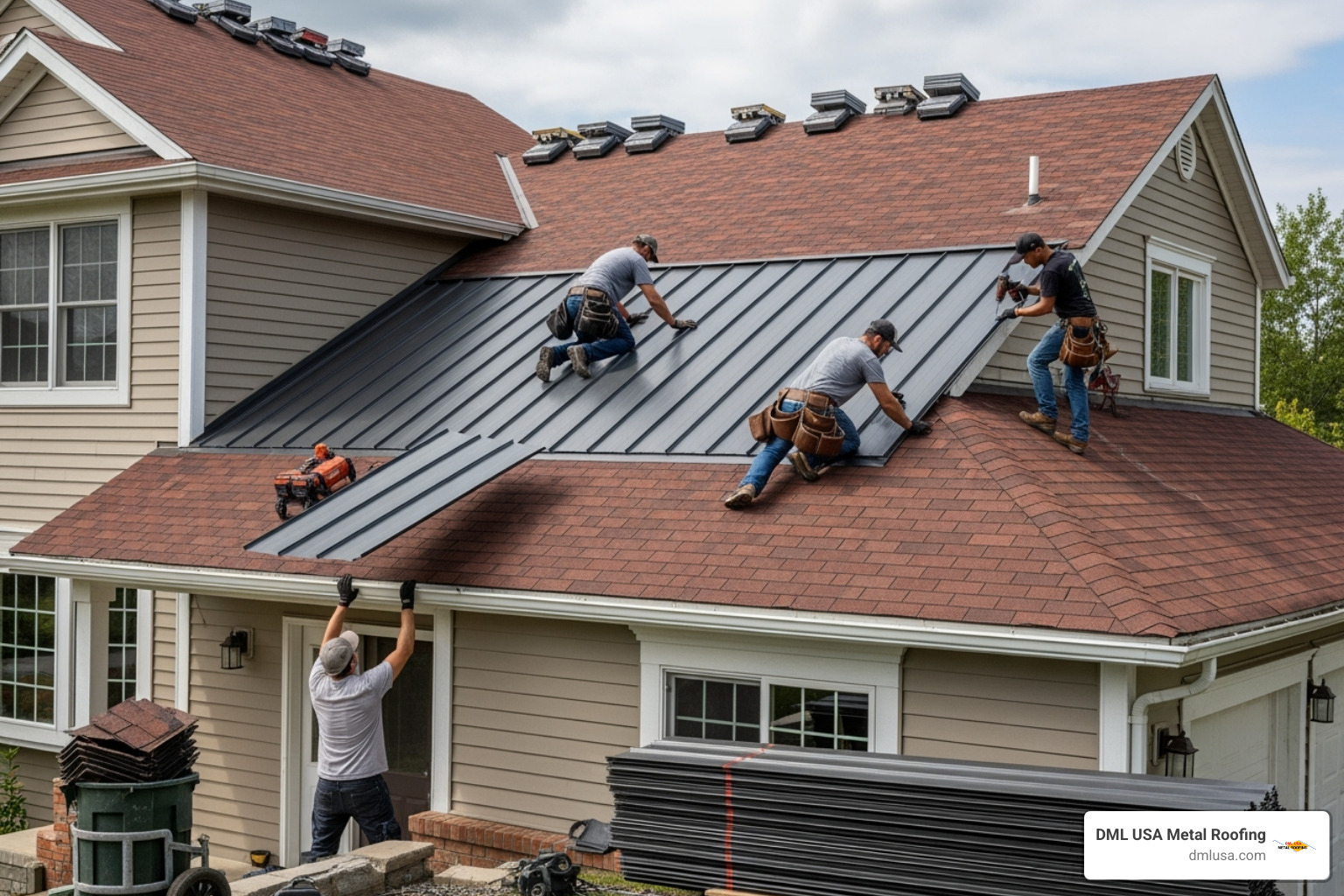
In some commercial applications or for specific metal profiles, you might also encounter coatings applied to the underside of the metal panels themselves. These coatings can offer enhanced corrosion resistance, sound dampening (reducing the "pitter-patter" of rain, which some people love and others find a bit much!), or even act as a thermal break.
These are often tailored to the specific needs of the project and the type of metal being used. It’s a bit like choosing a custom paint job for your car; it’s about enhancing performance and aesthetics.
The Grand Finale: A Smooth Transition
So, there you have it! The humble yet essential layers that lie beneath your impressive metal roof. From the sturdy sheathing providing the bedrock, to the vigilant underlayment acting as your moisture shield, and the vital insulation and ventilation systems ensuring comfort and longevity, it's a symphony of materials working in harmony.
It’s a reminder that even the most striking, modern features often rely on tried-and-true principles of construction and a thoughtful approach to how things fit together. It’s the same in life, isn't it? We strive for the shiny, new experiences, the sleek new goals, but it's often the foundational relationships, the quiet support systems, and the consistent, unseen efforts that truly hold everything together.
Next time you look up at a gleaming metal roof, you’ll know that behind that impressive exterior lies a carefully constructed system, built to last. And perhaps, just perhaps, it will inspire you to appreciate the foundational elements in your own life, the things that, while not always in the spotlight, are absolutely crucial to a well-built, comfortable, and enduring existence. Now, if you’ll excuse me, I think it’s time for another cup of tea.