
What Does A Pitot Tube Measure

Ever looked up at a plane soaring through the sky and wondered how on earth that magnificent metal bird knows how fast it's actually moving?
It's not magic, folks, although it certainly feels like it sometimes! It's a clever little gizmo, a true unsung hero of aviation, known affectionately as the Pitot tube. Now, before you picture some ancient, dusty relic, think of it more like a tiny, but incredibly important, nose on the airplane.
So, what exactly does this fancy-sounding tube do? Drumroll please... it measures airspeed! But not just any airspeed. The airspeed that really matters, the one that keeps those wings happily defying gravity and carries us from here to Timbuktu (or at least to Grandma's house for Thanksgiving) is the indicated airspeed. And that, my friends, is where our little Pitot tube shines.
Imagine you're sticking your hand out of a car window (don't do this on a highway, safety first!). As the car speeds up, you feel the wind pushing against your hand, right? The faster the car goes, the harder the wind pushes. The Pitot tube works on a very similar, brilliantly simple principle, but with a lot more precision and a lot less chance of getting bugs in your teeth.
This little tube, usually sticking out from the wing or the nose of an aircraft, is essentially designed to capture the air that's directly rushing into it as the plane moves forward. Think of it as a tiny, determined scoop, bravely facing the oncoming wind. This "ram air" pressure is then compared to the pressure of the air around the aircraft, which hasn't been directly "scooped."
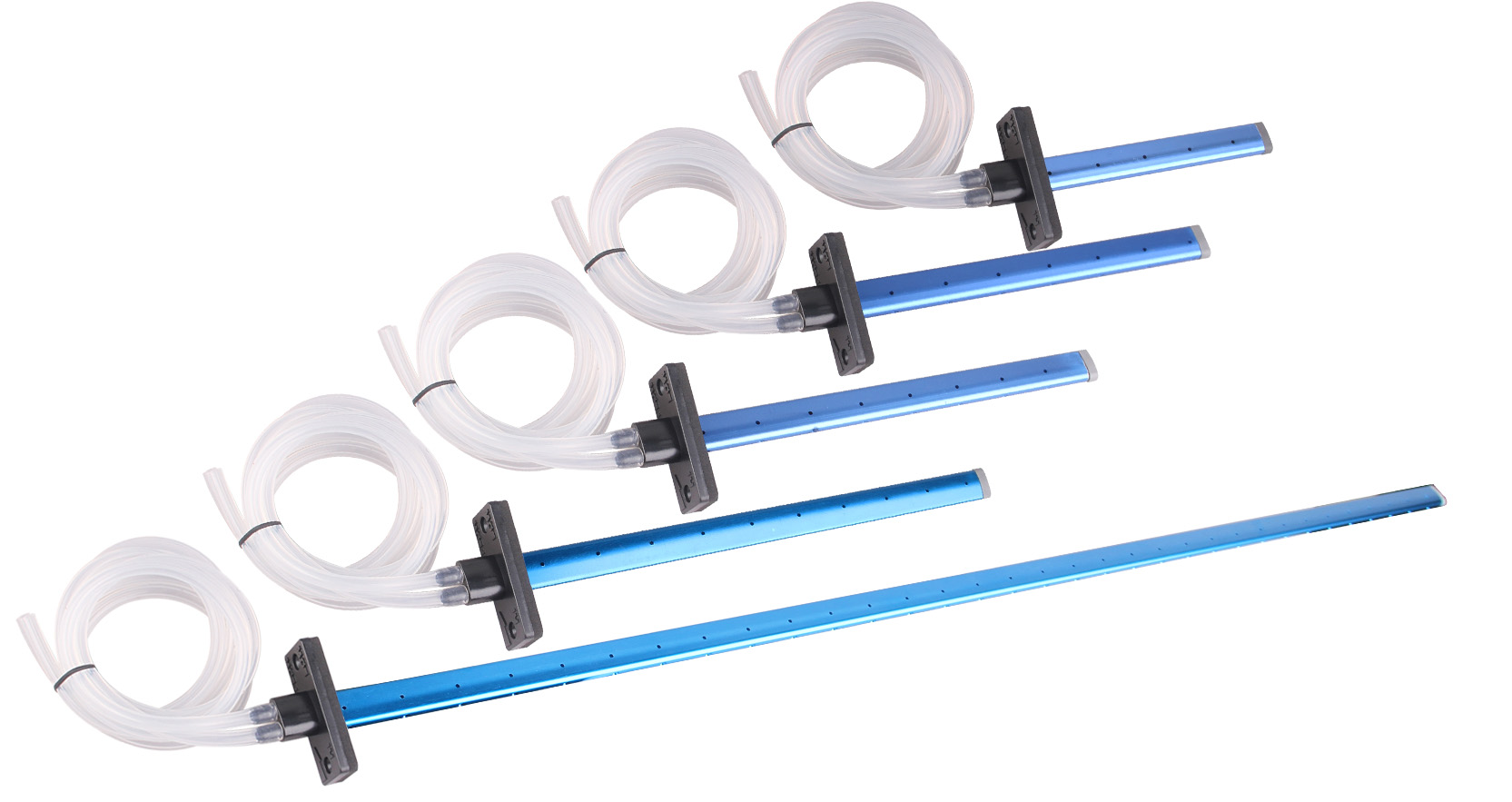
The difference between these two pressures – the pressure of the air being rammed into the tube and the pressure of the still air outside – is the magic ingredient. This difference tells the pilots exactly how fast the air is moving relative to the airplane. And that, in a nutshell, is indicated airspeed.
Why is this so important? Well, without knowing their indicated airspeed, pilots would be flying blind! It's their primary tool for understanding how the airflow over the wings is behaving. Too slow, and the wings might not generate enough lift, leading to a rather embarrassing situation (and definitely not a fun story to tell later). Too fast, and things can get a bit… unmanageable. It's all about finding that sweet spot, that perfect dance between speed and the air that holds the plane aloft.

Think of it like this: if you're trying to fly a kite, you need a certain amount of wind to make it dance and soar. The kite has to be moving through the air, or the air has to be moving past the kite, to get that lift. The Pitot tube is the airplane's way of constantly monitoring that vital "wind speed" relative to itself.
It's a beautifully elegant solution to a complex problem. No whirring blades like a car's speedometer, no complicated radar beams. Just a carefully placed tube and a smart bit of physics. This measured airspeed is what allows pilots to maintain safe and efficient flight, to climb, descend, and cruise with confidence. It’s the silent guardian of every flight, ensuring that those soaring metal giants stay precisely where they need to be in the vast expanse of the sky.
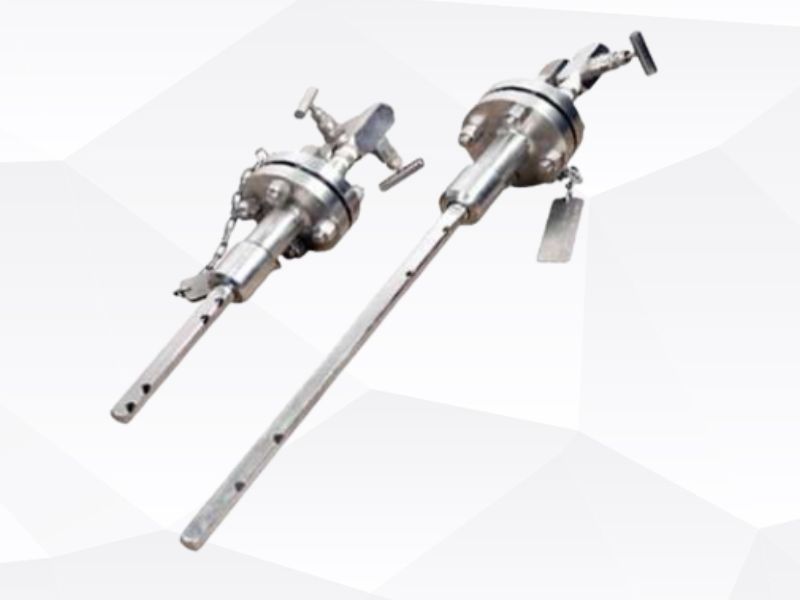
So, the next time you see a plane, give a little nod of appreciation to the humble Pitot tube. It might be small, it might be unassuming, but it's an absolute rockstar in the world of aviation. It's the reason those incredible machines can perform their aerial ballets with such grace and precision. It's the unsung hero that whispers the secret of the wind, allowing us all to travel the skies in safety and wonder. Pretty neat, right?
"Without the clever Pitot tube, our winged wonders would be utterly clueless about their sky-high ballet!"
It's this fundamental measurement that allows pilots to react to changing conditions, to adjust their power, and to ensure a smooth journey for everyone on board. It's the first line of defense in maintaining control and enjoying the incredible experience of flight. So, while the engines might roar and the wings might flap (metaphorically speaking, of course!), it's the quiet competence of the Pitot tube that truly makes it all possible.
And remember, this little tube is working tirelessly, through sunshine, rain, and even the occasional fluffy cloud, to keep us all safe. It's a testament to human ingenuity and a reminder that sometimes, the simplest inventions can have the most profound impact. So, cheers to the Pitot tube, the real MVP of your next flight!