
What Does A Poison Dart Frog Do

Hey there! Ever heard of those super colorful, tiny frogs that live deep in the rainforest? You know, the ones that look like they’ve been dipped in a painter’s palette? We’re talking about the amazing poison dart frogs. Now, the name might sound a bit scary, conjuring up images of sneaky assassins and shadowy figures, but trust me, these little guys are way more fascinating than they are fearsome. Let’s dive in and discover what makes these little jewels of the jungle so special.
So, what exactly does a poison dart frog do? Well, first and foremost, they are masters of survival. And how do they do that? By having one of the most incredible defense mechanisms in the animal kingdom: toxicity. But here’s a fun little twist – they don’t actually make the poison themselves. Nope! It’s all thanks to their diet.
Imagine you’re a tiny frog, just a few centimeters long. You’re not exactly built for chasing down big, juicy insects. So, what do you do? You become a discerning diner! Poison dart frogs spend their days hopping around the forest floor, looking for all sorts of tasty invertebrates. This includes things like ants, termites, mites, and even tiny beetles. And it’s these specific little critters that carry the potent toxins.
Think of it like this: if you ate a salad made with some slightly bitter lettuce, you’d probably be fine. But if you ate a whole bunch of really, really bitter plants, you might start to feel a bit off, right? The frogs are similar, but the “bitterness” they ingest is on a whole different level. When they eat these toxin-rich insects, their bodies somehow absorb and store these compounds. Over time, these toxins accumulate in their skin, turning them into living, hopping nature’s warning signs.
A Splash of Color, a Dash of Danger
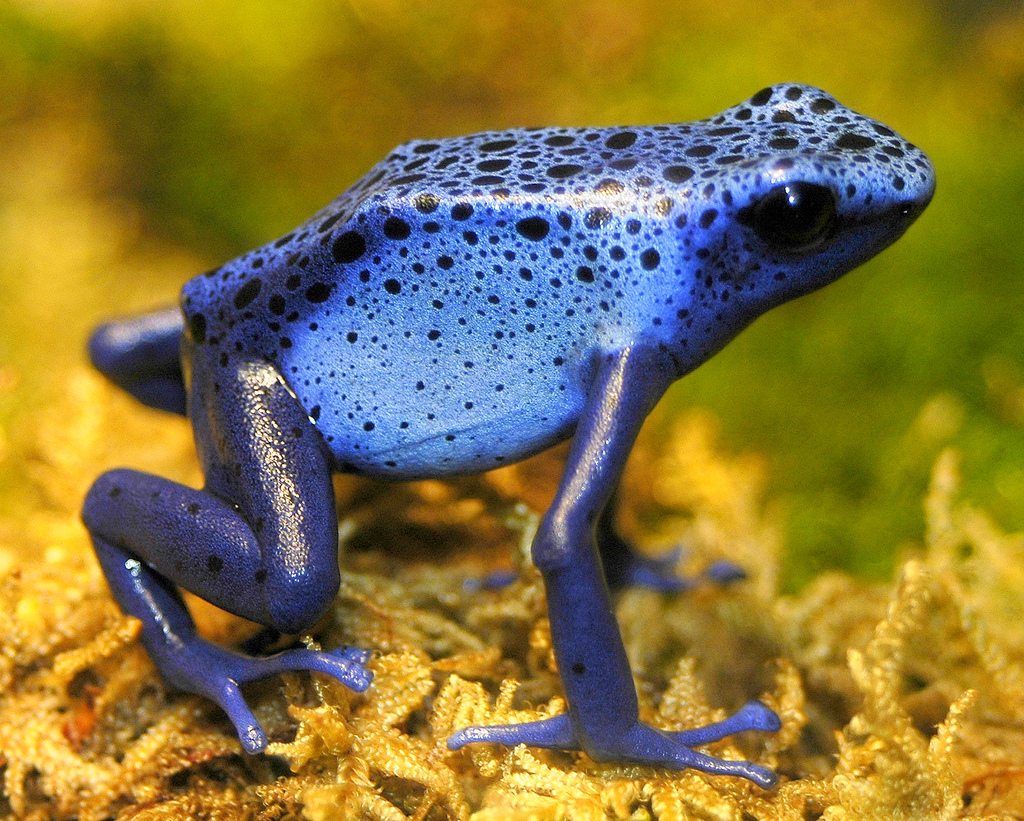
And that brings us to their most striking feature: their vibrant colors. Seriously, these frogs are like living fireworks! You’ll find them in dazzling blues, fiery reds, electric yellows, and emerald greens. This isn't just for show, though. It’s a classic case of aposematism – a fancy word for when brightly colored animals warn predators that they’re not a tasty snack. It’s nature’s way of saying, "Hey, don't even think about it!"
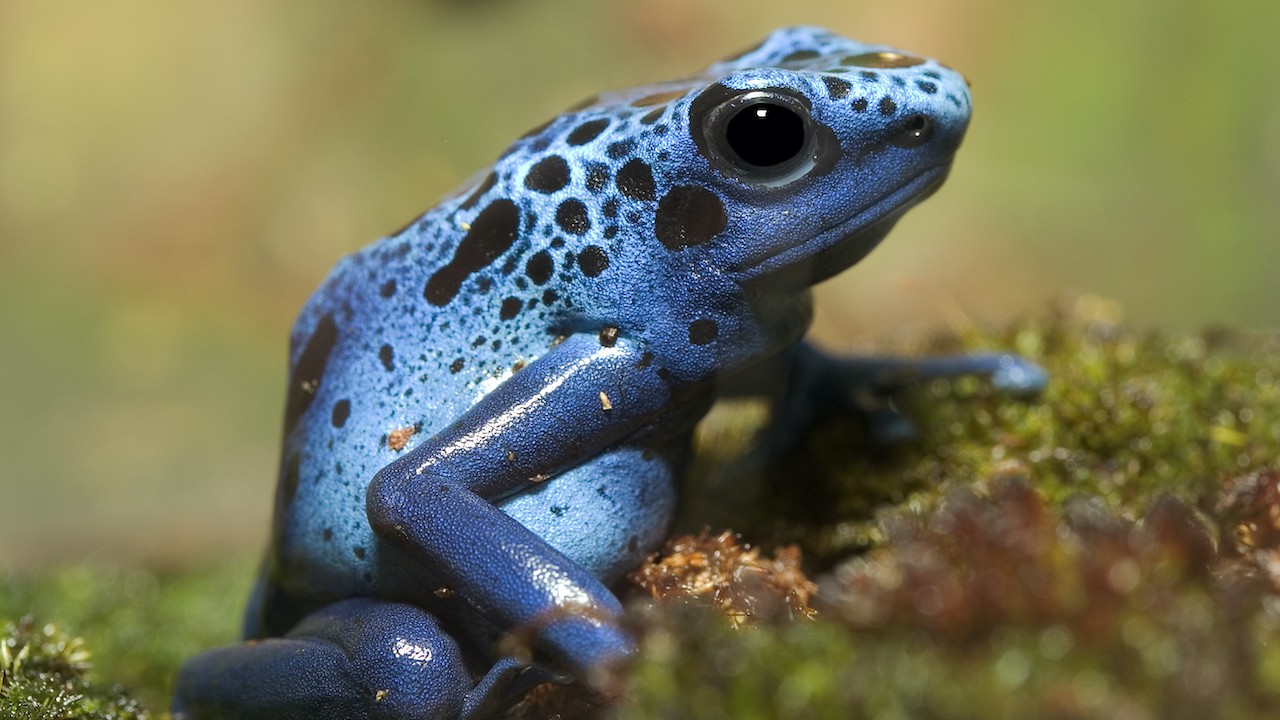
Picture a kid in a superhero costume. They’re instantly noticeable, right? Poison dart frogs are the same. Their bright colors are like a flashing neon sign that screams, "I'm not your average frog! I'm a bit (or a lot!) unpleasant to eat." Most predators, especially those who have had a bad experience before, will see that vibrant hue and think, "Nope, not today, thank you!" They’ll swiftly look for a less colorful, and therefore less risky, meal.
This is why the indigenous people of the rainforest have historically used the poison from some species. They would carefully rub the skins of these frogs on their blowgun darts. Imagine you’re hunting for your dinner, and your dart has this incredible natural anesthetic. It could make hunting much more successful and humane. It’s a testament to how potent these toxins are, but it also highlights a very clever and long-standing relationship between humans and these frogs.
More Than Just Pretty Faces (and Toxic Skin)
But a poison dart frog isn't just sitting around being toxic. They have a whole life to live! They are incredibly active during the day, which is called being diurnal. You’ll see them busily exploring their environment, looking for food, and communicating with each other. They have their own unique froggy conversations, using a variety of chirps, clicks, and buzzes. It’s like a tiny jungle orchestra, with each frog adding its own special note.
When it comes to romance, they are also quite involved. The males often call out to attract females, and once a pair has bonded, they will find a suitable spot to lay their eggs. This is often in damp leaf litter or in the small pools of water that collect in bromeliad plants – those cool, spiky plants you often see clinging to trees. After the eggs are laid, things get really interesting. Both parents often take turns guarding the precious eggs, ensuring they stay safe from hungry insects and other potential threats.
Once the tadpoles hatch, they are carefully carried by one of the parents, usually the male, to a safe place, often a small pool of water, again, usually in a bromeliad. This is crucial because the tadpoles are still vulnerable and need a protected environment to grow. The parent will then continue to visit, sometimes bringing unfertilized eggs to feed the developing tadpoles. How’s that for dedication? It's like a tiny, super-responsible amphibian nanny service!

Why Should We Care About These Colorful Critters?
Okay, so they’re pretty, they’re toxic, and they’re good parents. But why should you, sitting there with your morning coffee or evening tea, care about a tiny frog in a faraway rainforest? Well, think of them as tiny biological superheroes. The toxins they possess have been incredibly valuable to scientists and medical researchers.
For years, scientists have been studying these compounds, hoping to unlock their secrets for the benefit of human health. For example, certain compounds found in poison dart frog skin have shown potential in developing new pain relievers, as well as drugs that could help treat heart conditions and even epilepsy. It’s like nature has already invented some amazing medicines, and we’re just starting to understand how they work. If we lose these frogs, we might be losing out on the next big medical breakthrough!

Furthermore, poison dart frogs are indicator species. What does that mean? It means they are very sensitive to changes in their environment. If the rainforest is healthy, with clean water and abundant insects, the frogs will thrive. But if pollution creeps in, or if their habitat is destroyed, the frog population will suffer. Their decline is an early warning sign that the entire ecosystem is in trouble. It’s like a little canary in a coal mine, but much, much cuter and more colorful!
Their existence is also a testament to the incredible biodiversity of our planet. Every species, no matter how small, plays a role in the intricate web of life. Losing even one species can have ripple effects that we may not fully understand until it’s too late. These frogs are a beautiful, vibrant part of that incredible tapestry, and their survival is linked to the health of the entire planet.
So, next time you see a picture of a poison dart frog, remember that they are so much more than just pretty faces. They are incredible survivors, fascinating parents, and potential keys to future medical advancements. They are a reminder of the wonders of the natural world and why it’s so important to protect these precious ecosystems for generations to come. They are, in their own small, colorful way, truly worth caring about.