
What Does A Vacuum Tube Do

Hey there, ever stumbled upon an old radio, maybe at your grandma's house or a quirky antique shop? You know, the one with the big, glowing glass bulbs inside that hummed and crackled like a friendly old storyteller? Those glowing glass bulbs are what we call vacuum tubes. And while they might seem like relics from a bygone era, they’re actually pretty darn cool and have a story to tell about how some of our favorite modern marvels came to be. Think of them as the unsung heroes of the early electronic age, the grandpas of the tiny chips that live inside your smartphone!
So, what exactly does a vacuum tube do? Imagine electricity as a herd of little sheep. Normally, they just kind of wander around. A vacuum tube is like a very clever shepherd who can control those sheep, directing them exactly where you want them to go and how fast. It’s all about managing that flow of electrons, which is the basic ingredient of electricity.
Think of it like a faucet in your kitchen. You can turn the handle to let a little water trickle out, a steady stream, or a gushing torrent. A vacuum tube does something similar, but with electricity. It can act as a switch, turning the flow of electrons on or off instantly, like flipping a light switch. Or, it can act as an amplifier, taking a weak little signal and making it much, much stronger. This amplifying magic is what made those old radios sing and talk!
Let’s dive a little deeper, shall we? The most basic type of vacuum tube, often called a diode, is like a one-way street for our electron sheep. They can only go in one direction. This is super important for converting alternating current (AC), the kind that comes from your wall socket, into direct current (DC), the kind your electronic devices actually prefer. It’s like making sure all your sheep are facing the right way before they go into the pen!
Then you have the more complex tubes, like triodes and tetrodes and even pentodes. These are the real maestros. They have extra little metal bits inside that act like controls, allowing us to do much more sophisticated things with our electron herd. It’s like having multiple shepherds, each with their own section of the flock, working together.

One of the most crucial jobs vacuum tubes performed was amplification. Imagine you’re trying to whisper a secret across a crowded room. Nobody’s going to hear you, right? But if you had a microphone connected to a big speaker system, your whisper could become a roaring announcement! Vacuum tubes did exactly that for radio signals. They took the incredibly faint signals picked up by an antenna and boosted them enough for us to hear them as clear voices or music.
This was a huge deal back in the day. Suddenly, people could hear news, music, and stories from miles away, all thanks to these glowing glass bulbs. It was like the internet of its time, connecting people and sharing information in a way that was previously unimaginable. Think about the sheer wonder of tuning into a radio station and hearing a voice that originated hundreds, or even thousands, of miles away! It was pure magic, and vacuum tubes were the wands.
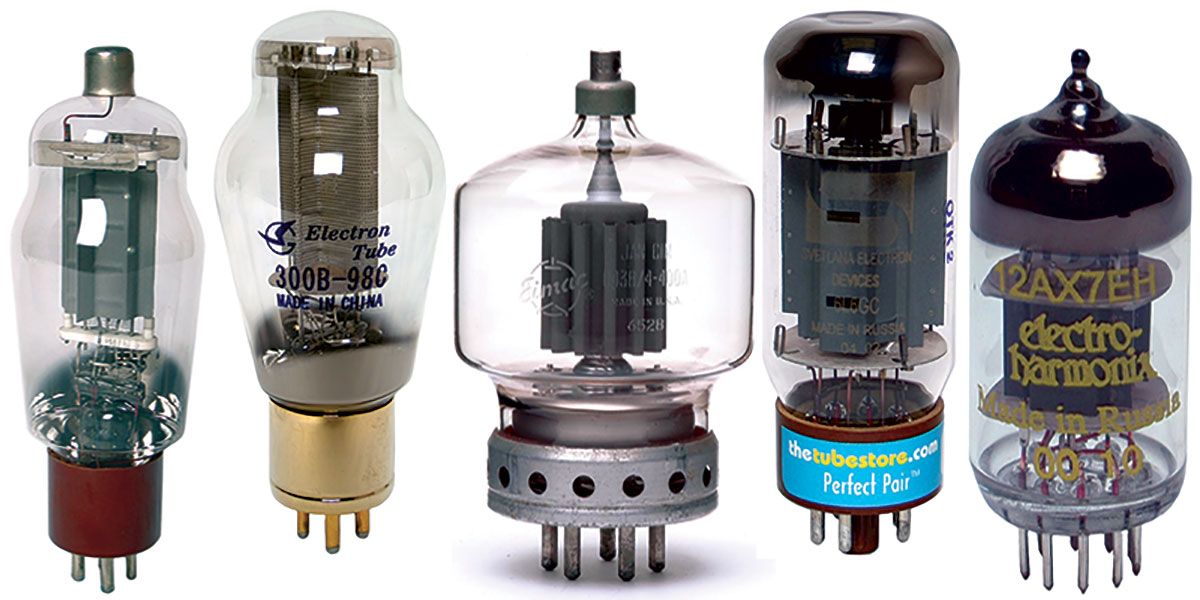
But it wasn't just about radios. Vacuum tubes were the brains behind early televisions. They were responsible for creating the image you saw on that fuzzy screen. And they were essential for the very first computers! Yes, you heard that right. Those giant, room-sized machines that could perform calculations were packed with thousands of vacuum tubes. Imagine a computer the size of your living room, filled with these glowing glass things! It’s quite a contrast to the sleek laptops and smartphones we carry around today.
So, why should you, an everyday reader in this age of tiny silicon chips, care about these old-school gizmos? Well, for a few reasons! Firstly, they laid the foundation for everything we have now. Without the innovation and understanding gained from working with vacuum tubes, we wouldn't have transistors, integrated circuits, or the digital revolution. They were the stepping stones, the necessary evolutionary leap.
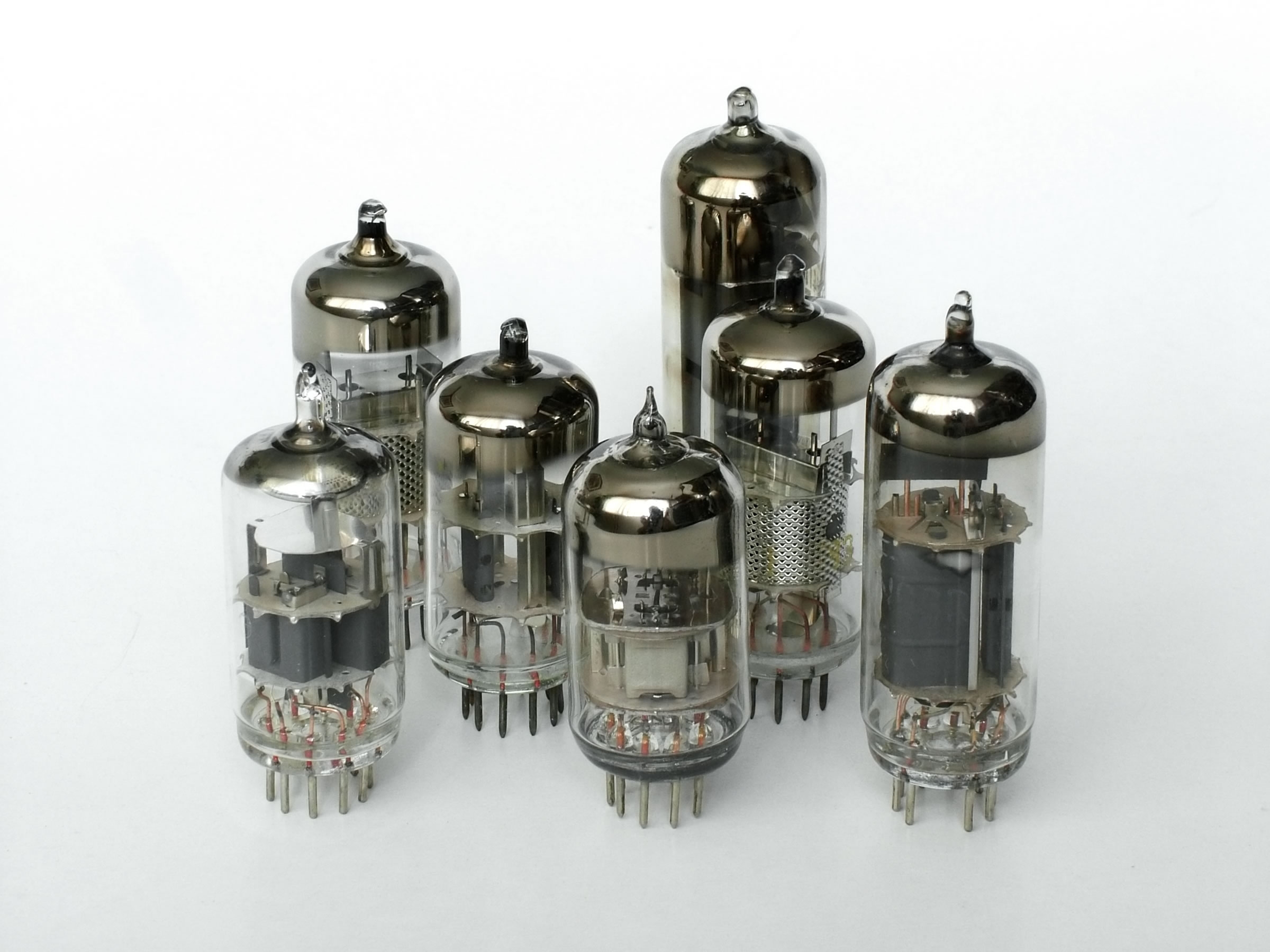
Secondly, there’s a certain warmth and character to vacuum tubes that many audiophiles still swear by. The way they amplify sound is different from modern solid-state electronics. They introduce a subtle "coloration" or harmonic distortion that some people find incredibly pleasing, giving music a richer, more organic feel. Think of it like the difference between a perfectly crisp digital photograph and a beautifully grainy analog film photo – both are great, but they offer a different kind of aesthetic appeal.
For example, musicians and sound engineers often prefer using amplifiers that feature vacuum tubes for electric guitars. The resulting sound is often described as being more "fat," "rich," and "dynamic." It's that classic rock 'n' roll sound, that bluesy grit, that many people associate with great music. It’s a sound that has a tangible feel to it, a sort of sonic hug.
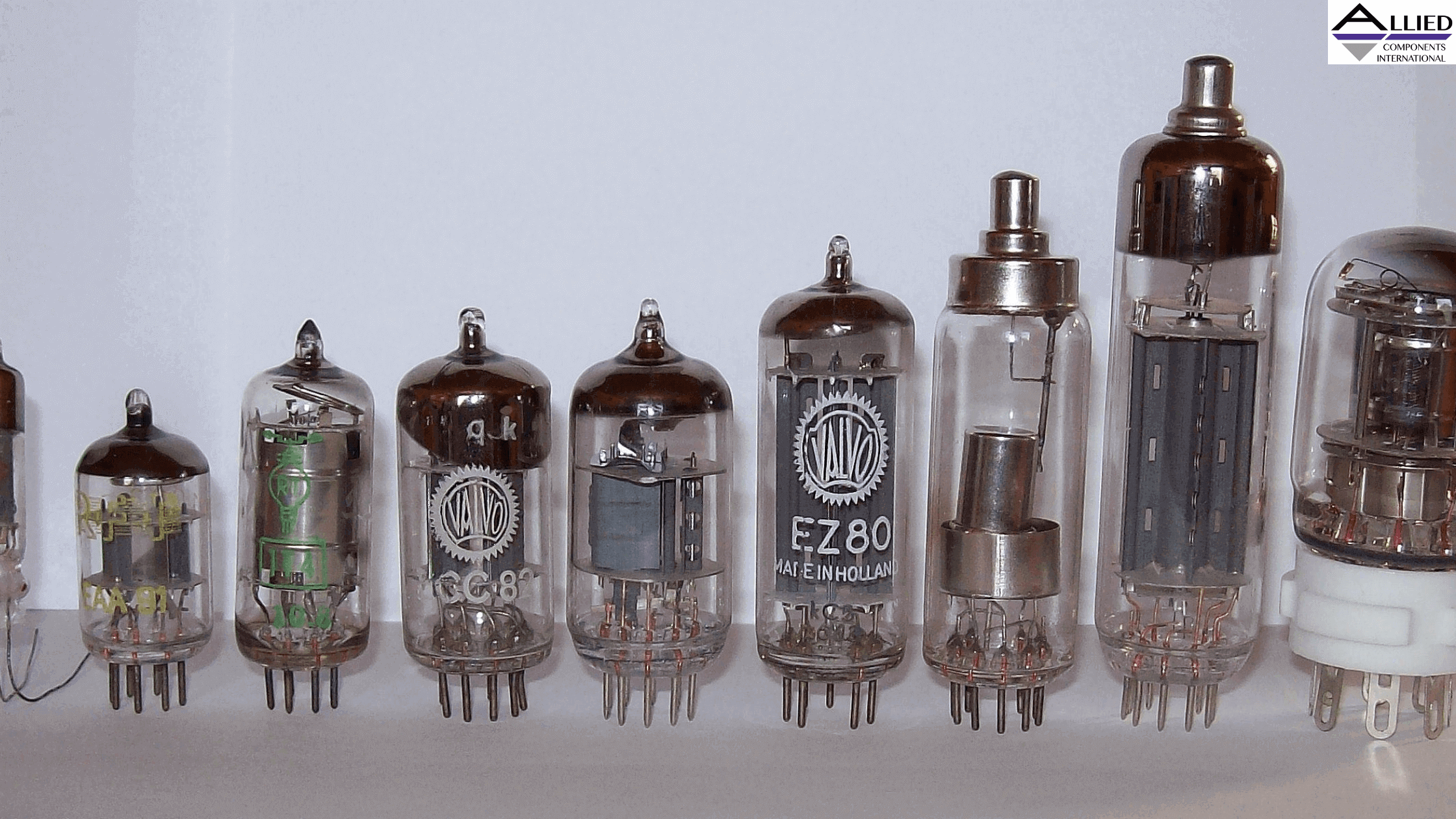
Even today, you'll find vacuum tubes popping up in some very high-end audio equipment and musical instrument amplifiers. People are willing to pay a premium for that distinct sound quality. It’s a testament to their enduring charm and the unique way they interact with electrical signals.
Think of it like this: You can have a super-efficient, modern car that gets amazing gas mileage. Or, you can have a classic muscle car. Both get you from point A to point B, but they offer completely different driving experiences and aesthetics. Vacuum tubes are kind of like the classic muscle cars of the electronics world – they might not be the most efficient by today’s standards, but they offer a unique and highly sought-after experience.
So, the next time you see one of those old glowing glass bulbs, don't just dismiss it as junk. Give it a little nod of appreciation! It’s a piece of history, a testament to human ingenuity, and the ancestor of the technology that powers our modern lives. They were the tireless workers that brought us sound and vision, and in some circles, they continue to provide a sound that’s simply… unbeatable.