
What Does An Ng Tube Do

So, you’ve heard the term “NG tube” bandied about, maybe at a family gathering, a particularly dramatic episode of your favorite medical show, or perhaps you’ve seen a brave soul sporting one and wondered, “What in the heck is that thing?” Well, pull up a chair, grab your latte (or your questionable hospital-grade juice box), because we’re about to dive into the surprisingly fascinating, and dare I say, somewhat amusing world of the nasogastric tube. Think of it as a secret tunnel, a culinary express lane, and a medical marvel all rolled into one slightly bendy, often beige, tube.
First things first, let’s decode the jargon. “NG” stands for naso-gastric. Pretty straightforward, right? “Naso” means it goes up your… you guessed it… nose. And “gastric” means it ends up in your stomach. So, essentially, it's a tube that travels from your nostril, down your throat (don't worry, it’s not as bad as it sounds – mostly!), and lands snugly in your stomach.
Imagine it like a tiny, intrepid explorer on a mission. Its journey is a bit like a very specific waterslide. It starts in the open air, navigates the windy passages of the nasal cavity, bravely squeezes past the uvula (that dangly thing at the back of your throat – bless its heart), and then slides down into the great, mysterious expanse of your stomach. It’s less about “going through” your stomach and more about ending up in it. It's like an underground subway for your insides!
Now, you might be thinking, “Why on earth would someone need a tube shoved up their nose and into their stomach?” Excellent question! It’s not for sneaking extra snacks, though I’m sure some entrepreneurial minds have pondered it. The main gig of an NG tube is feeding and draining. Let’s break these down, shall we?
The Feeding Frenzy (When Eating Gets Tricky)
Sometimes, life throws a curveball, and our amazing bodies decide that eating the traditional way is just too… much. This could be due to a variety of reasons. Maybe someone’s had surgery and their throat is still a bit grumpy. Perhaps they have a condition that makes swallowing difficult, like a stroke or a severe neurological issue. Or, bless their hearts, they might be undergoing certain medical treatments that make eating a challenge.

In these situations, an NG tube becomes the unsung hero. Instead of wrestling with food that’s trying to go down the wrong pipe (a culinary horror story we’ve all experienced with a cough and a splutter), specially prepared liquid nourishment, sometimes called "tube feeds" or "enteral nutrition," can be delivered directly into the stomach via the tube. Think of it as a highly efficient, pre-digested milkshake of essential nutrients. It's like having your own personal chef who exclusively makes pureed meals, delivered through a discreet straw.
And let’s be honest, the convenience! No chewing, no tasting (for the most part), just pure, unadulterated fuel. It’s the ultimate shortcut to energy. Imagine never having to decide what to eat again. Pure bliss, right? Well, maybe not pure bliss, as I'm sure the delightful taste of a gourmet meal is missed, but it’s certainly a lifeline.
These feeds can be given all at once (a bolus feed – sounds very important, doesn't it?) or slowly over time (a continuous feed – like a gentle drizzle of goodness). The medical team decides what’s best, but the principle is the same: getting vital nutrients where they need to go without the usual digestive hustle.
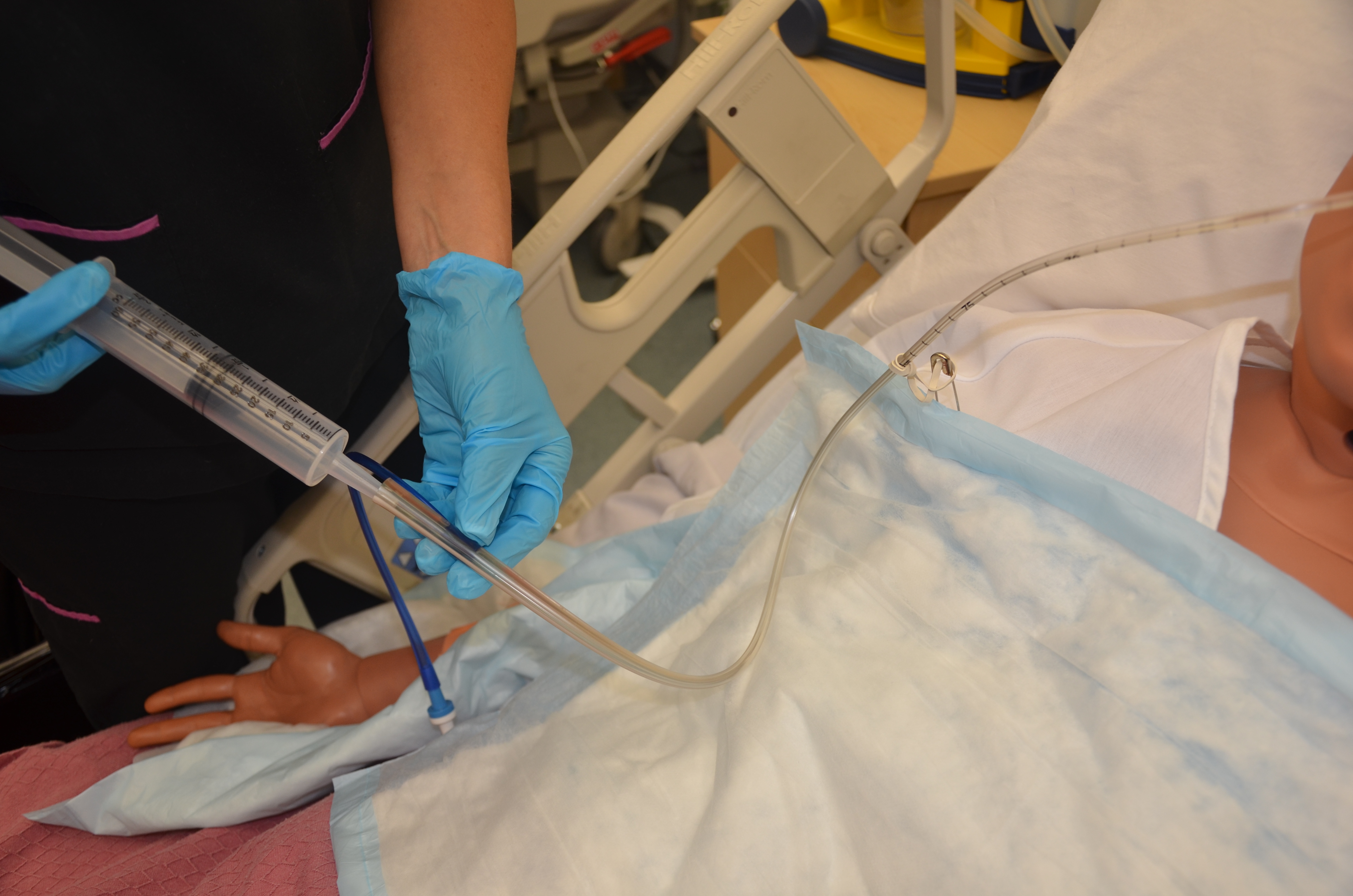
The Drainage Dilemma (When Things Need to Come Out)
But an NG tube isn't just a one-way street for sustenance. It’s also a master of extraction. Yes, sometimes the stomach needs a good old-fashioned clear-out. Imagine your stomach as a busy kitchen. Sometimes, things get backed up. This could happen after certain surgeries, if there’s a blockage, or if the stomach is producing too much acid.
In these cases, the NG tube acts like a tiny, internal vacuum cleaner. It can be used to gently suction out excess air, fluids, and digestive juices. This helps to relieve pressure, prevent vomiting, and give the digestive system a much-needed break. It’s like unclogging a drain, but on the inside!
This drainage is often done continuously or intermittently, depending on what the medical team is trying to achieve. They might connect the tube to a special bag that collects the drainage, allowing them to monitor how much is coming out and what it looks like. It’s not the most glamorous job, but it’s incredibly important for keeping things running smoothly. Think of it as a pit stop for your internal plumbing.
And here’s a fun fact: sometimes, doctors will even use an NG tube to administer medications directly into the stomach. This bypasses the need for pills to be swallowed, which can be a huge help for people who have trouble with that. It’s like a liquid stealth bomber for your medicine cabinet!
The Insertion Saga (How Does It Actually Get In?)
Okay, so the actual insertion. This is where the stories get a little… vivid. For the person receiving the tube, it’s a bit of an odd sensation. First, the medical professional will usually lubricate the tube. Think of it like preparing a very important piece of spaghetti for its descent. Then, they gently guide it into one of the nostrils.

As it travels down, the person might feel a tickle, a gagging sensation, or a feeling of liquid being poured down their throat. It’s usually not painful, but it can be quite uncomfortable and a little bit alarming if you’re not expecting it. Some people find it helps to take slow sips of water or to swallow as the tube progresses. It’s like a guided tour of your own internal anatomy!
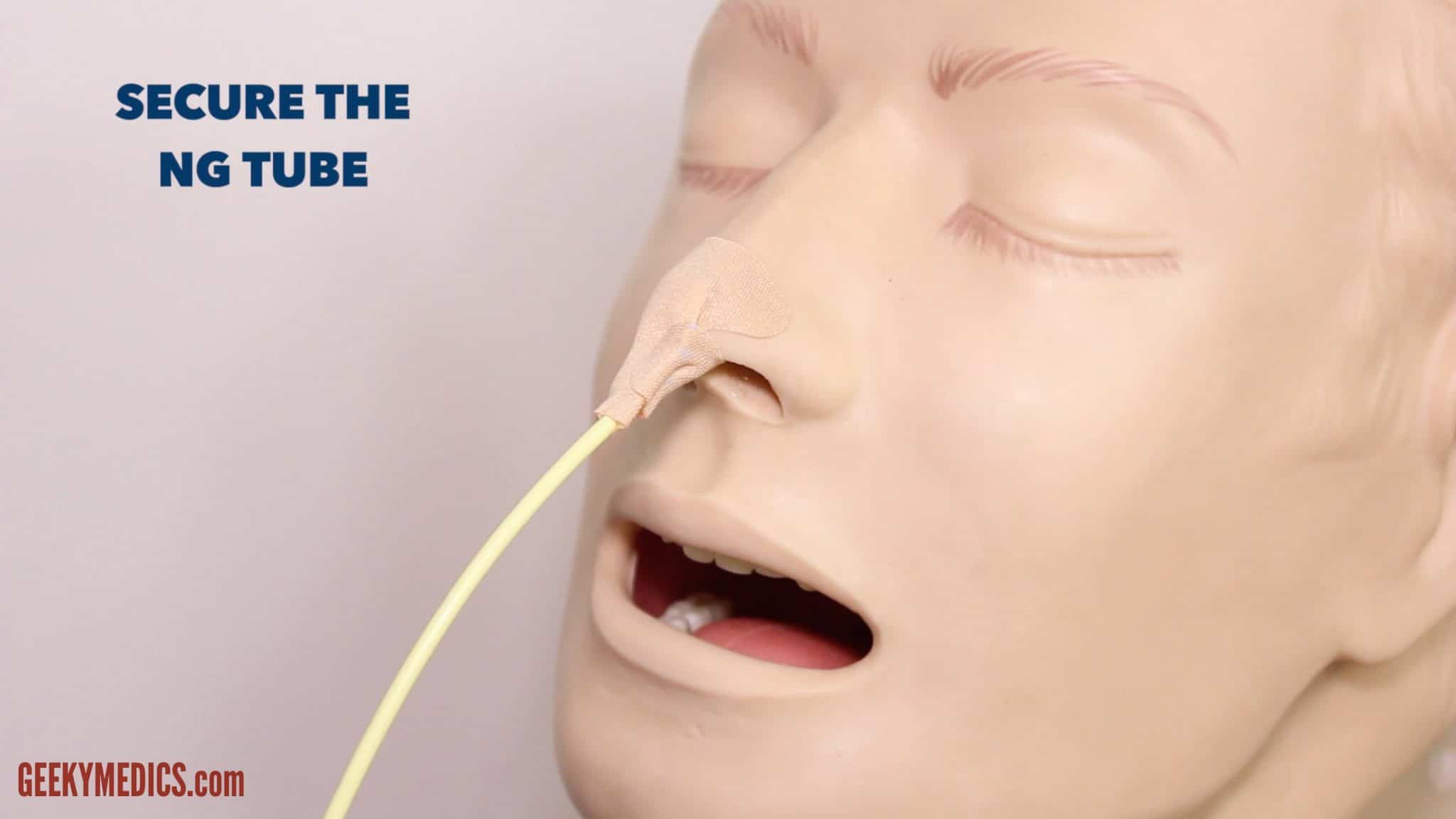
Once it’s in place (and this is confirmed by X-ray or other methods to make sure it's exactly where it needs to be), it’s secured with a special tape or dressing. It might look a bit like a tiny, beige antenna, but it’s working hard behind the scenes.
So, there you have it. The humble, yet mighty, NG tube. It’s a tool that can be a true lifesaver, making sure people get the nourishment they need or helping to resolve uncomfortable internal situations. It’s a testament to human ingenuity and our ability to find clever solutions when our bodies need a little extra help. The next time you hear about an NG tube, you can nod knowingly, perhaps with a slight smile, picturing that little explorer on its vital mission. It’s not just a tube; it’s a pathway to recovery, a culinary bypass, and a testament to the wonders of modern medicine. And who knew something that goes up your nose could be so darn interesting?