
What Does Galvanized Metal Mean

Hey there! Grab your coffee, let's chat about something that pops up everywhere, but you might not even think about it. You know, those sturdy metal things, like a backyard fence or a mailbox? Ever wondered what makes them not turn into rusty blobs after a bit of rain? Well, that's probably because they're galvanized. Sounds fancy, right? But it's actually super simple, and honestly, a bit of a superhero move for metal.
So, what's the big deal with "galvanized metal"? Imagine metal, like good old steel or iron, getting a protective coating. Think of it like putting a raincoat on your metal friend. And this raincoat isn't just any old thing. Nope, it's made of zinc. Yeah, that stuff you might find in sunscreen or vitamins. Turns out, zinc is a metal's best bud when it comes to fighting off the dreaded rust monster.
Why zinc, you ask? Great question! It's all about chemistry, but let's keep it fun. When steel or iron is exposed to oxygen and moisture (hello, rain! hello, humidity!), they start to do this thing called oxidizing. Basically, they start to rust. It's like they're getting a bad case of the sniffles, but way more destructive.
But when you galvanize metal, you're giving it a sacrificial anode. Ooh, fancy words! What does that even mean? Well, zinc is like the brave soldier who steps in front of the enemy. It's more reactive than iron or steel. So, if there's a little scratch or a tiny opening in the coating, the zinc is the one that will corrode first. It basically eats itself to protect the underlying metal. Talk about dedication!
It's like a bodyguard, but for metal. The zinc sacrifices itself, so your fence, your screws, your buckets, all of it, stays strong and shiny for way, way longer. Pretty neat, huh? No more wobbly, rusty bits falling apart!
Now, how do they do this galvanizing thing? It's not like they just dip it in a bucket of melted zinc and hope for the best. Though, that sounds kinda fun, doesn't it? Imagine a giant fondue pot, but for metal.
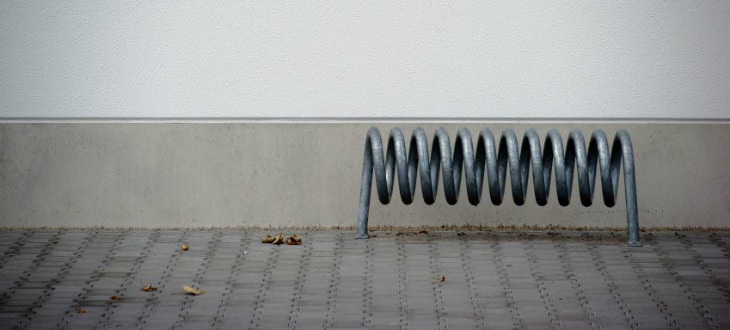
There are a few ways, but the most common one is called hot-dip galvanizing. This is where the metal is actually dipped into a bath of molten zinc. We're talking seriously hot stuff here, like 840 degrees Fahrenheit (around 450 Celsius). When the metal comes out, it's covered in this lovely layer of zinc.
This dipping process is pretty cool because it creates a strong, metallurgical bond between the zinc and the base metal. It's not just sitting on top; it actually fuses with it. This makes the coating really durable. It’s like it becomes one with the metal, a super-powered metal.
Another method is called electrogalvanizing or zinc plating. This one is a bit more delicate. It uses an electric current to deposit a thin layer of zinc onto the metal. Think of it like a super precise spray tan, but with zinc. This method is often used for smaller items or when a smoother finish is needed. So, if you see something that looks really smooth and has a zinc coating, it might have been electrogalvanized.
There’s also sherardizing, which involves heating the metal in a rotating drum filled with zinc powder. It’s like a very thorough, zinc-infused sauna for metal. This one is great for intricate parts.
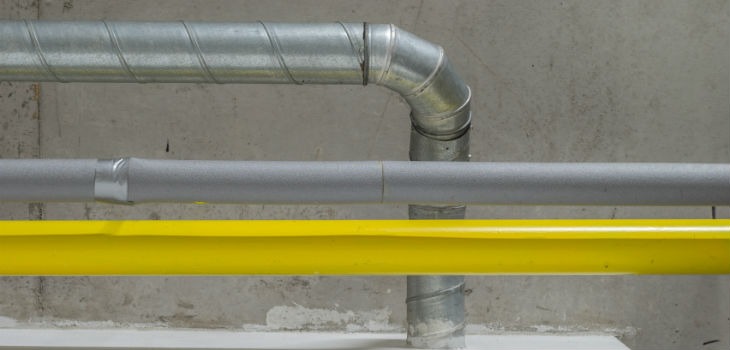
No matter the method, the goal is the same: to give that metal a tough, protective shell. It’s like giving it a suit of armor. And this armor is pretty effective.
So, what kind of metal are we usually talking about here? Mostly steel and iron. These are the common metals that are prone to rusting. Think of all the things made from these materials: pipes, nuts, bolts, screws, nails, construction beams, car parts, and of course, all those outdoor things we mentioned, like fences, gates, and garden furniture.
Galvanizing is a total game-changer for these items. It dramatically extends their lifespan. Without it, your beautiful wrought iron gate would be a rusty mess in no time. Your trusty garden shed would be weeping rust streaks down its sides. Your screws would snap off after a few seasons. It’s the unsung hero of durability, really.
Think about all the stuff you see outdoors. Playgrounds, streetlights, traffic signs, those big metal bins for recycling. They're all constantly battling the elements. Rain, sun, wind, even salt from roads in winter. Galvanizing helps them stand up to all of that. It’s why they last for years and years without looking like they’re about to give up the ghost.
And the best part? It's actually a pretty cost-effective solution. Compared to replacing rusted-out metal parts or dealing with the constant maintenance of ungalvanized metal, galvanizing is a smart investment. You pay a bit more upfront, sure, but you save a ton in the long run. It’s like buying a good quality tool that lasts forever versus a cheap one that breaks after a week. You get what you pay for, but with galvanizing, you get a whole lot of longevity.
It's also pretty environmentally friendly. How, you ask? Well, by making things last longer, we produce less waste. We don't have to make and ship new parts as often. And the zinc itself is a recyclable material. So, it's a win-win for your wallet and for Mother Earth. Pretty cool, right?
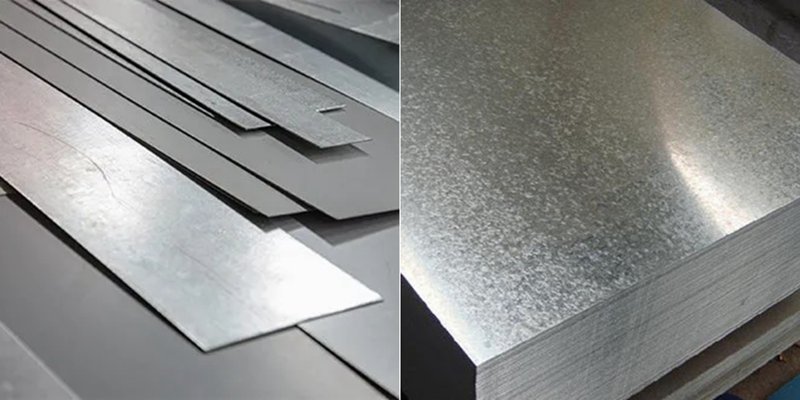
You might notice that galvanized metal sometimes has a slightly dull, matte gray finish. Sometimes it can have a shiny, almost iridescent look, especially when it's new. This is the zinc coating. The appearance can vary depending on the galvanizing process and the specific type of zinc used. Don't be fooled by the looks, though. Even the dullest looking galvanized metal is working hard to protect itself.
Some people actually like the look of galvanized metal. It has a sort of industrial chic vibe, right? You see it in modern interior design, in outdoor furniture, and even in those trendy metal buckets for plants. It’s got character! It tells a story of durability and function.
What about when you need to weld or paint galvanized metal? Ah, a good question for the handy folks out there. Welding galvanized steel requires a bit of care. You need to be aware that the zinc coating will vaporize when heated, releasing zinc fumes. These fumes can be harmful, so good ventilation and respiratory protection are a must. It's always a good idea to do a bit of research or talk to a pro before tackling this.
Painting galvanized metal is also a thing. You can paint it, but you usually need to prepare the surface properly. New galvanized surfaces might need a special primer to help the paint adhere. Older, weathered galvanized surfaces might just need a good cleaning. Again, a little prep work goes a long way to making sure your paint job stays put and looks good.
So, to sum it all up, when you see "galvanized," think of it as a metal that’s been given a superhero cape made of zinc. It’s a process that protects it from rust and corrosion, making it last much, much longer. It’s used for tons of everyday items, is cost-effective, and even a bit good for the planet.
Next time you see a galvanized object, you can give it a knowing nod. You’ll know its secret: it’s protected by a layer of trusty zinc, ready to face whatever the world throws at it. It’s a simple idea, but it makes a huge difference. So there you have it, the lowdown on galvanized metal. Pretty interesting stuff for something so common, don't you think? Now, about that second cup of coffee…