
What Does Passivation Do To Stainless Steel

Hey there, ever wondered why your shiny stainless steel cookware or that sleek faucet doesn't get all yucky and rusty like, well, regular steel? It's not magic, though sometimes it feels like it, right? It's a super cool process called passivation. And guess what? It's way simpler than it sounds, and it’s responsible for keeping your stainless steel looking so spiffy.
Think of it like giving your stainless steel a superhero cape. Yeah, I know, a bit dramatic, but stick with me here! We're talking about making it tougher, more resilient, and generally less inclined to throw a tantrum when it meets water or other… well, less-than-friendly stuff.
So, what exactly is passivation? Basically, it’s a chemical bath, a little spa day for your stainless steel. It cleans off any nasty bits that might have hitched a ride during manufacturing – think oils, grease, or even tiny iron particles that got stuck there. These little freeloaders can mess with the steel's natural defenses. We don’t want that, do we?
The "Passive" Part: It's Not About Being Shy
Now, the name "passivation" can be a little misleading. It doesn't mean the steel suddenly becomes shy and hides in a corner. Nope! It’s quite the opposite. It's about making it passively resistant to corrosion. Imagine a really chill dude who doesn't get riled up easily. That’s your passivated stainless steel.
The real secret sauce in stainless steel is chromium. It’s this amazing element that, when exposed to oxygen, forms a super thin, invisible layer on the surface. This layer is called the passive layer. It’s like a microscopic force field, protecting the steel underneath from all sorts of nasties.
But here’s the kicker: sometimes, during the whole cutting, grinding, and shaping process of making those beautiful things we love, this protective chromium oxide layer can get damaged or contaminated. It’s like getting dirt on your superhero cape – it needs a good cleaning to restore its superpower.
So, How Does This "Spa Day" Work?
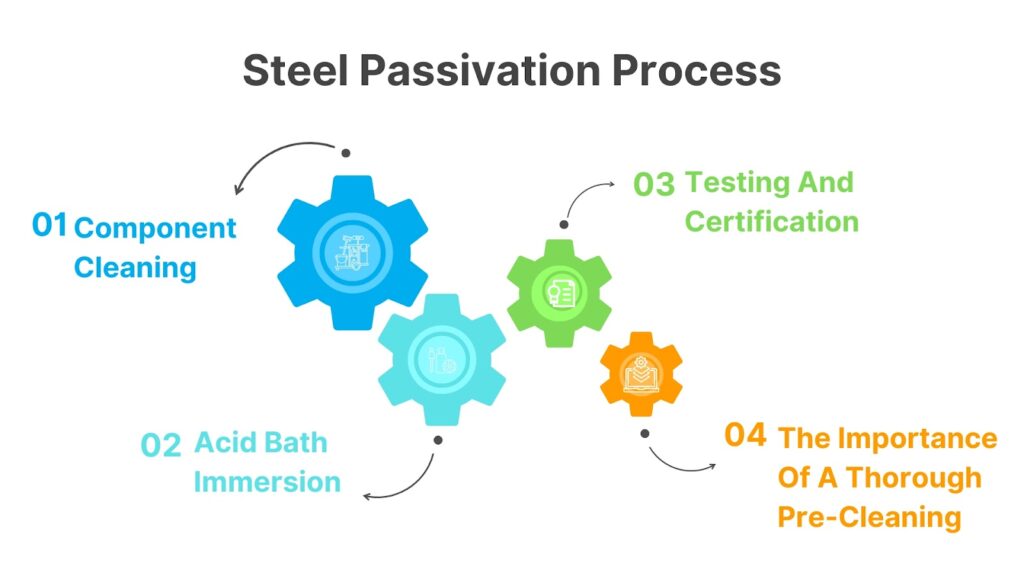
The most common way to achieve passivation is by using a mild acid. Nitric acid is the big cheese in this operation. Don’t worry, it’s not like you’re dunking your car keys into a vat of acid and expecting them to come back as a bouquet of flowers. It’s a controlled, carefully managed process. Think of it as a gentle scrub, not a full-on chemical peel!
The acid basically does two main things:
1. The Deep Clean: Wiping Away the Grime
First, it meticulously cleans the surface. It dissolves any embedded iron particles or other contaminants that are clinging to the stainless steel like a stubborn barnacle. These contaminants are the real troublemakers, as they can start to corrode and create rust spots. We're talking about giving the steel a squeaky-clean slate.
Imagine you've been baking, and there are little bits of flour and butter stuck to your whisk. Passivation is like giving that whisk a thorough wash and rinse, getting rid of all those sticky bits so it's ready for its next culinary adventure.
2. Rebuilding the Shield: The Chromium Oxide Magic
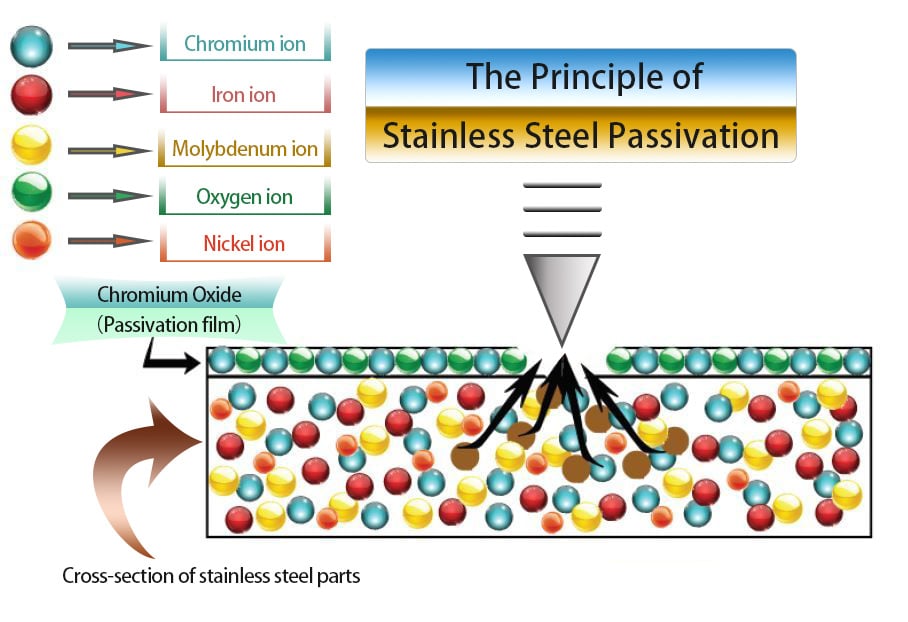
After the cleaning, the magic happens. The acid helps to further enrich the surface with chromium. Then, when that surface is exposed to oxygen (which is pretty much everywhere, thank goodness!), a new, thicker, and more uniform chromium oxide layer forms. This is your re-established force field, your superhero cape, if you will, is now back in pristine condition, ready for action!
It’s like after you’ve cleaned your kitchen counter, and you then apply a special polish that makes it extra shiny and repels future spills. Except, in this case, the "spills" are corrosive elements!
Why is this So Important? (Besides Looking Pretty)
Okay, we all love shiny things. But passivation is about more than just aesthetics. It’s about performance and longevity.
When stainless steel is properly passivated, it becomes significantly more resistant to corrosion. This means:
- No More Rust Spots: Those annoying little orange freckles that can appear on regular steel? Passivated stainless steel can say "see ya later!"
- Better Hygiene: In places like hospitals or kitchens, a smooth, non-porous surface is crucial for preventing bacteria growth. Passivation helps create that ideal surface.
- Extended Lifespan: Your stainless steel appliances, tools, and equipment will last a whole lot longer because they’re not constantly fighting off corrosion. More bang for your buck, right?
- Maintaining Its "Stainless" Qualities: It's called stainless steel for a reason. Passivation ensures it lives up to its name!
Think about a surgeon's scalpel. It needs to be incredibly clean and resistant to corrosion because lives depend on it. Passivation plays a huge role in making that happen. Or that fancy chef's knife you splurged on? You want that to stay sharp and rust-free for years of delicious creations.

Are There Other Ways to Passivate?
While nitric acid is the most common, there are other methods. Sometimes, a combination of acids is used, or even citric acid for certain applications. The goal is always the same: to clean and create that protective chromium oxide layer. The specific method often depends on the type of stainless steel and its intended use. It’s like choosing the right cleaning product for different surfaces – you wouldn’t use floor cleaner on your glasses, would you?
What Happens If You Don't Passivate?
Well, your stainless steel might still look okay for a while. But it'll be more vulnerable. It’s like sending your kid to school without a jacket on a chilly day. They might be fine for a bit, but eventually, they’re going to get cold.
Over time, unprotected stainless steel can start to develop surface rust, pitting, and other forms of corrosion. It can lose its shine, and its performance can be compromised. It’s kind of sad, like watching a perfectly good car slowly rust away in the rain.
It's Not Just for Fancy Stuff

You might think passivation is only for industrial-grade stainless steel, like in factories or hospitals. But nope! Many everyday items get passivated. That sleek toaster on your counter? That sturdy water bottle you take everywhere? Your favorite pair of stainless steel earrings? Chances are, they've all had a little trip to the passivation spa.
It’s a fundamental process that makes a huge difference in the quality and durability of so many things we use and enjoy. It’s the unsung hero of our kitchens, our bathrooms, and beyond.
The "Feel Good" Factor
So, the next time you’re admiring the gleam of your stainless steel appliances, or using a tool that feels incredibly smooth and robust, take a moment to appreciate the magic of passivation. It’s this subtle, yet incredibly powerful, process that keeps things looking good and performing their best.
It's a testament to smart engineering and chemistry working together to make our lives a little bit easier, a little bit shinier, and a whole lot more resistant to rust. It’s like a little chemical hug for your metal, giving it the strength and confidence to face the world, come what may.
And honestly, isn’t it just great to know that something so commonplace is protected by such a clever, invisible shield? It’s a reminder that even in the materials we interact with every day, there’s a hidden world of science making things better. So go on, give your stainless steel a little nod of appreciation. It’s earned it!