
What Does Satan Look Like According To The Bible
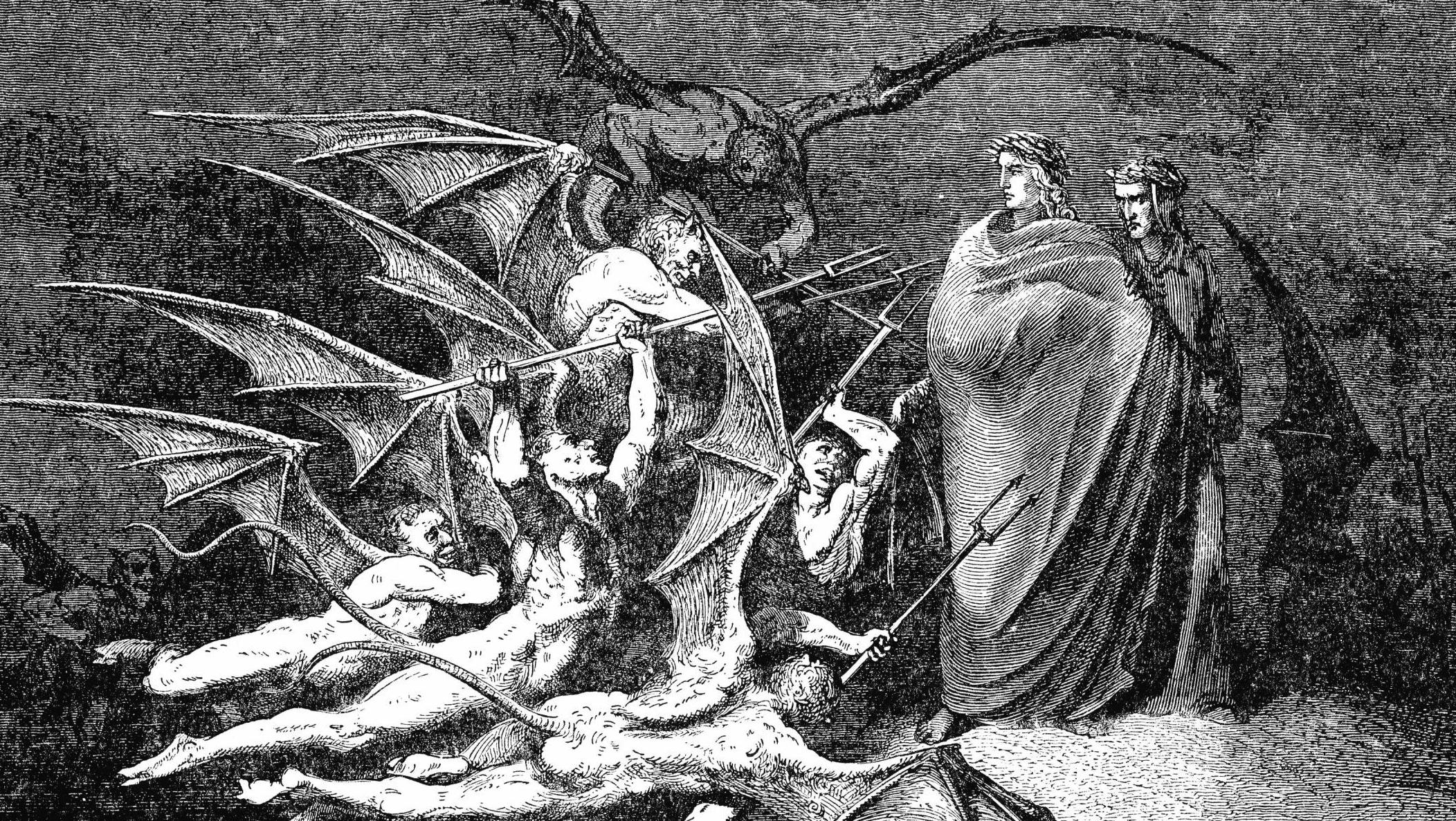
Ever wondered what the ultimate bad guy, Satan, actually looks like? It's a question that pops up in movies, spooky stories, and even casual conversations. While popular culture has painted some pretty vivid pictures – think pointy tails, horns, and a fiery pitchfork – the Bible actually offers a more nuanced, and perhaps even more intriguing, description. Digging into what the Good Book says isn't just about satisfying curiosity; it helps us understand the biblical narrative about good versus evil, the temptations we face, and the ultimate victory of light over darkness. It's a fascinating peek into ancient beliefs and how they've shaped our modern imagination.
Understanding the biblical portrayal of Satan serves a few key purposes. Firstly, it helps demystify a figure often shrouded in myth and exaggeration. By grounding the image in scripture, we get a clearer picture of what biblical authors intended to convey. This isn't about literal physical appearances in the way we might describe a person. Instead, it's about symbolic language and the attributes associated with this being. Secondly, it offers insight into the nature of evil and temptation as understood within a religious context. The descriptions often highlight deception, rebellion, and the desire to usurp divine authority. Finally, it reinforces the central theme of biblical narratives: the cosmic struggle between God and His adversary. Knowing how this adversary is depicted helps us appreciate the stakes and the eventual triumph promised in Christian theology.
So, what does the Bible actually say? It’s important to remember that the Bible doesn’t give us a single, consistent, detailed portrait of Satan in the way an artist would paint a character. Instead, we find various descriptions and epithets that paint a picture of his nature and role. One of the most prominent names used is "Satan" itself, which means "adversary" or "accuser" in Hebrew. This name immediately tells us his primary function: to oppose God and to accuse His people. Think of him as the ultimate cosmic lawyer, constantly trying to find fault and bring people down.
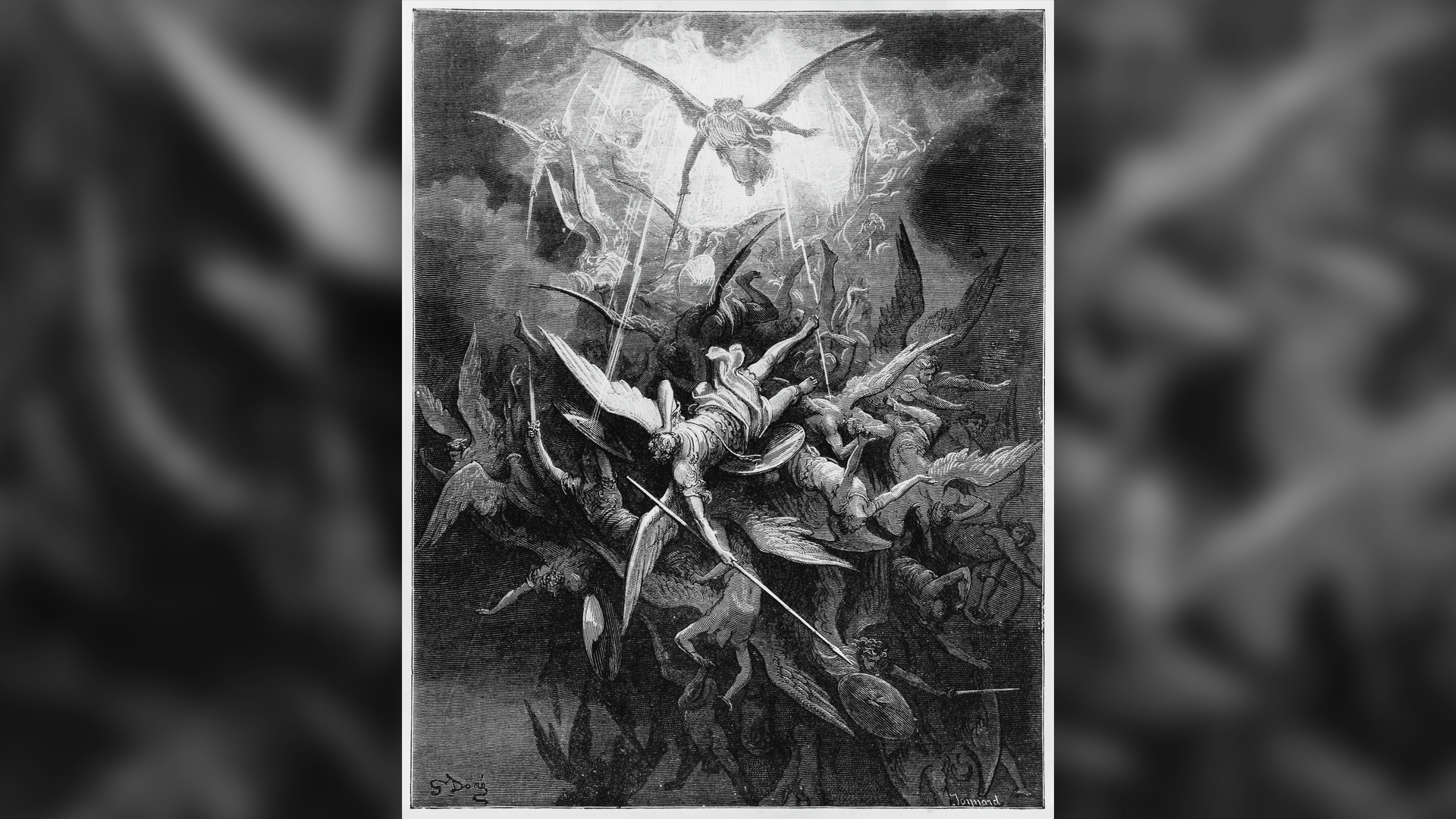
Another significant title is "Lucifer," which comes from the Latin translation of a passage in Isaiah 14:12. This verse speaks of a "morning star" that has fallen from heaven. "How you have fallen from heaven, morning star, son of the dawn!" The imagery here suggests a being of great beauty and brilliance who, through pride and rebellion, was cast down. This is where the idea of Satan being a fallen angel originates, though the passage itself is primarily an allegory about a Babylonian king. Still, the imagery of a once-glorious being now in opposition has deeply influenced how people visualize Satan.
The New Testament offers further insights. In the Book of Revelation, Satan is sometimes depicted as a "dragon"—a great, fiery red dragon with seven heads and ten horns, and seven crowns on its heads. The dragon's tail swept a third of the stars out of the sky and flung them to the earth. The dragon stood in front of the woman who was about to give birth, so that he might devour her child when she gave birth. This is a highly symbolic image, representing immense power, chaos, and a relentless pursuit of destruction, particularly aimed at God’s people. The dragon’s connection to the number seven often signifies completion or divine power, highlighting the formidable nature of this opposition.
Jesus himself speaks of Satan. In Luke 10:18, Jesus says, "I saw Satan fall like lightning from heaven." This echoes the "morning star" imagery and reinforces the idea of a rapid and decisive defeat. In John's Gospel, Jesus refers to Satan as "the ruler of this world" (John 12:31) and "the devil" (John 8:44), describing him as a "murderer from the beginning" and a "liar and the father of lies." These descriptions emphasize Satan's deceptive nature, his role in instigating evil and death, and his opposition to God’s truth.
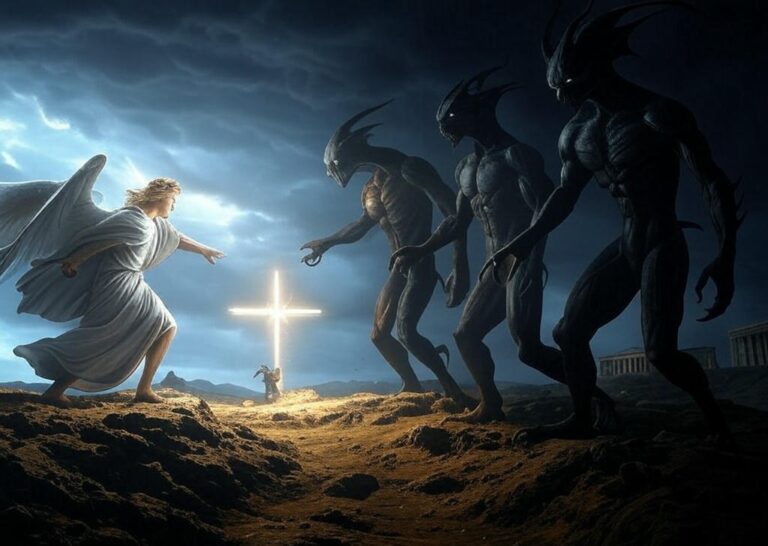
It's also worth noting that Paul’s letters describe Satan as the one who tempts believers and who can disguise himself. In 2 Corinthians 11:14, Paul writes, "And no wonder, for even Satan disguises himself as an angel of light." This is a crucial point: the Bible often portrays Satan not as a grotesque monster, but as a cunning deceiver who appears alluring and good, making his temptations all the more dangerous. He operates through subtlety and manipulation, not always through overt displays of malice.
So, while the popular image of a red-skinned, horned creature with a pitchfork is largely a product of later traditions and artistic interpretations rather than direct biblical description, the Bible does provide a consistent picture of Satan as a powerful, rebellious, and deceptive adversary. He is a spiritual being, a fallen angel, an accuser, a tempter, and a murderer. The biblical descriptions are less about his physical form and more about his character, his motives, and his devastating impact on humanity and creation. Understanding these biblical attributes helps us to recognize the spiritual warfare described in scripture and the importance of resisting temptation and staying true to God.