
What Drill Bit Is Needed For Stainless Steel

Ever found yourself staring at a stubborn stainless steel object, a shiny pot lid handle, or maybe a DIY project involving a sleek metal shelf, and thought, "How on earth do I even begin to put a hole in this without turning my drill into a molten mess?" You're not alone! It's a common kitchen-sink-level dilemma (pun intended, because you might be working on stainless steel sinks!). Stainless steel is fantastic stuff – it’s tough, it resists rust, and it looks darn good. But when it comes to drilling through it, it can feel a bit like trying to tickle a steel girder. It’s not impossible, but you can’t just grab any old drill bit and expect a smooth ride. So, let’s break down what kind of drill bit you actually need, and why it matters, in a way that won’t make your head spin faster than a misaligned drill bit.
Think of your drill bit like a tiny, specialized tool, almost like a chef’s knife. You wouldn't try to chop a tomato with a butter knife, right? And you definitely wouldn't try to carve a roast with a paring knife. Each tool has its purpose, and for stainless steel, that purpose requires a specific kind of metal friend.
The Villain: The Wrong Drill Bit
So, what happens if you grab the wrong guy for the job? Well, it’s rarely a happy ending. For starters, you’ll likely overheat your drill bit. This is like wearing socks in a sauna – not a good idea for anyone involved. When a drill bit gets too hot, it loses its temper, becoming softer and duller. It’s like a superhero losing their powers. Your once-sharp bit will start to grind and slip, making a horrible screeching sound that will make your cat hide under the bed.
Then there’s the stainless steel itself. It's a tough cookie, and when you try to force a dull bit into it, it's going to fight back. You’ll end up with burrs – those nasty, jagged little edges that are sharp enough to make you curse and are just plain ugly. It’ll look like a tiny, metal monster chewed on your workpiece. And let’s not forget the sheer frustration! Imagine trying to push a wet noodle through a brick wall. That’s kind of what it feels like when you’re not equipped for the task.
The Hero: The Right Drill Bit
Now, for the good news! The hero of our story is a drill bit specifically designed for drilling metal, and even better, for harder metals like stainless steel. The star player here is often a cobalt drill bit. These guys are like the bodybuilders of the drill bit world. Cobalt is an alloy, meaning it's a mix of metals, and it’s blended with high-speed steel (HSS). This blend gives them incredible hardness and heat resistance. They can power through tougher materials without losing their edge, which is exactly what you need for stainless steel.
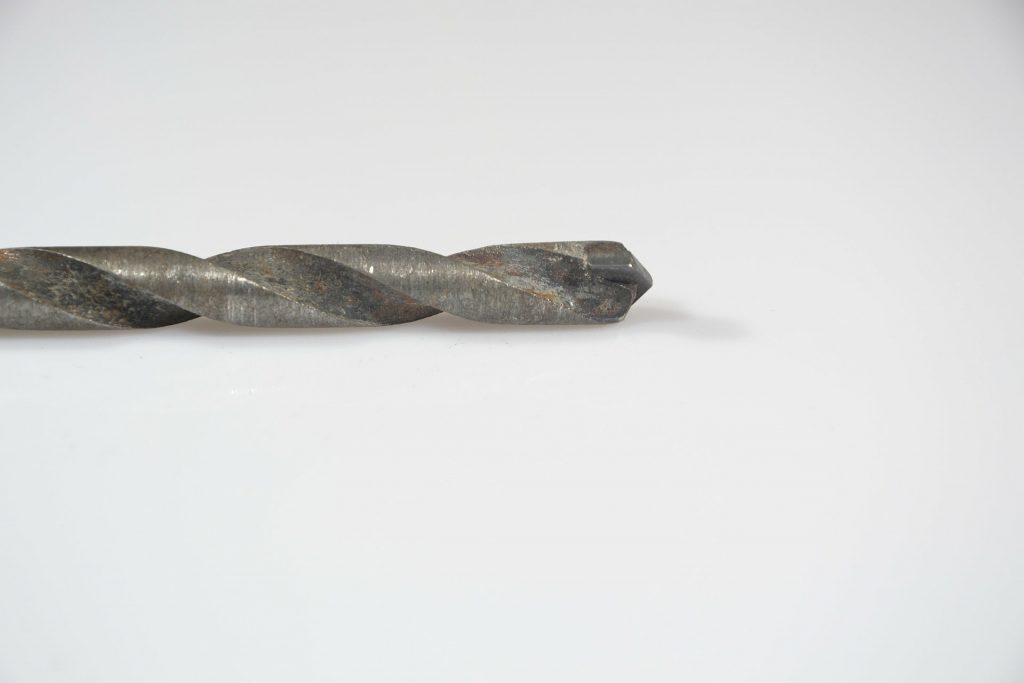
Another excellent choice, and sometimes more readily available, is a high-speed steel (HSS) drill bit with a titanium coating. Think of the titanium coating as a superhero’s shiny armor. It adds an extra layer of hardness and reduces friction, which means less heat buildup and a smoother cut. These are often a fantastic and more budget-friendly option for most DIYers tackling stainless steel.
Why Does It Matter So Much? A Little Story…
Let me tell you about my Uncle Barry. Uncle Barry was a man who believed in “making do.” He once decided to attach a fancy stainless steel spice rack to his kitchen wall. He grabbed the first drill bit he found in his overflowing toolbox – a regular old wood bit. The first few turns sounded like a banshee wailing. Then, the bit started smoking, and the screw he was trying to put in just spun in place, creating a sad, shiny divot. He ended up with a wobbly spice rack, a router bit that looked like it had a bad hair day, and a deep, existential sigh. Had he just invested in a couple of cobalt bits, he would have had a perfectly secure spice rack and probably a much happier afternoon, maybe even with a biscuit and a cup of tea instead of wrestling with metal.
![Best Drill Bit for Stainless Steel [2024 Review ] | SawsHub](https://sawshub.com/wp-content/uploads/2020/04/best-drill-bits-stainless-steel-01-scaled.jpg)
The Nitty-Gritty: What to Look For
So, when you’re at the hardware store, looking at those little plastic containers of drill bits, what are you hunting for? You’re looking for the words “Cobalt” or “HSS Titanium Nitride” (that’s the fancy name for that titanium coating). They often have a distinct, darker color, sometimes with a bronzy or goldish hue, compared to regular black or silver bits. That color is your clue that these bad boys are built for tough stuff.
You might also see bits labeled as “Left-Handed”. While not strictly necessary for stainless steel, sometimes a left-handed drill bit can be helpful in specific situations, especially if you’re trying to extract a broken screw. But for general drilling, stick to the standard right-handed ones.
![Best Drill Bit for Stainless Steel [2024 Review ] | SawsHub](https://sawshub.com/wp-content/uploads/2020/02/best-drill-bit-for-stainless-steel-003.jpeg)
Beyond the Bit: Other Tips for Success
Just having the right drill bit is half the battle, but there are a few other tricks up your sleeve that make the whole process much smoother. First off, use a lubricant! This is crucial. Think of it as the olive oil for your metal cutting. A bit of cutting fluid, a drop of motor oil, or even a bit of WD-40 can help keep the bit cool and prevent it from gumming up. Apply it generously to the spot you’re drilling.
Next, go slow and steady. Don't jam that drill in like you're trying to win a speed contest. Start with a slow drill speed. This is key to controlling the heat and giving the bit a chance to actually cut, rather than just melt its way through. As you get a feel for it, you can gradually increase speed, but it’s always better to err on the side of caution.
![Best Drill Bit for Stainless Steel [2024 Review ] | SawsHub](https://sawshub.com/wp-content/uploads/2020/02/best-drill-bit-for-stainless-steel-004.jpg)
And don’t forget to apply steady pressure. You want to push the bit into the steel, but not with all your might. Let the drill bit do the work. Too much pressure can lead to the bit skipping or breaking.
Finally, clear out the debris. Stainless steel shavings can be sharp and can build up, making it harder for the bit to cut. Every so often, pull the drill bit out slightly to let the shavings clear. It’s like giving your tiny metal worker a little break to spit out the metal chips.
Why Should You Care? Because You Deserve Nice Things!
So, why is all this fuss about a drill bit important for your average Joe or Jane? Because it means you can actually DIY those projects you’ve been dreaming about! Want to hang those gorgeous stainless steel hooks in your kitchen? Need to assemble that sleek stainless steel furniture? Or maybe you’re tackling a more ambitious metalworking project? Having the right tools means you can achieve that professional, clean finish. It means your creations won’t look like Uncle Barry’s spice rack. It means you can be proud of your work, and your home can look even better. It’s about the satisfaction of a job well done, with tools that work with you, not against you. So, next time you’re facing down a piece of stainless steel, you’ll know exactly which hero to grab from your toolbox. Happy drilling!