
What Elements Are In Steel
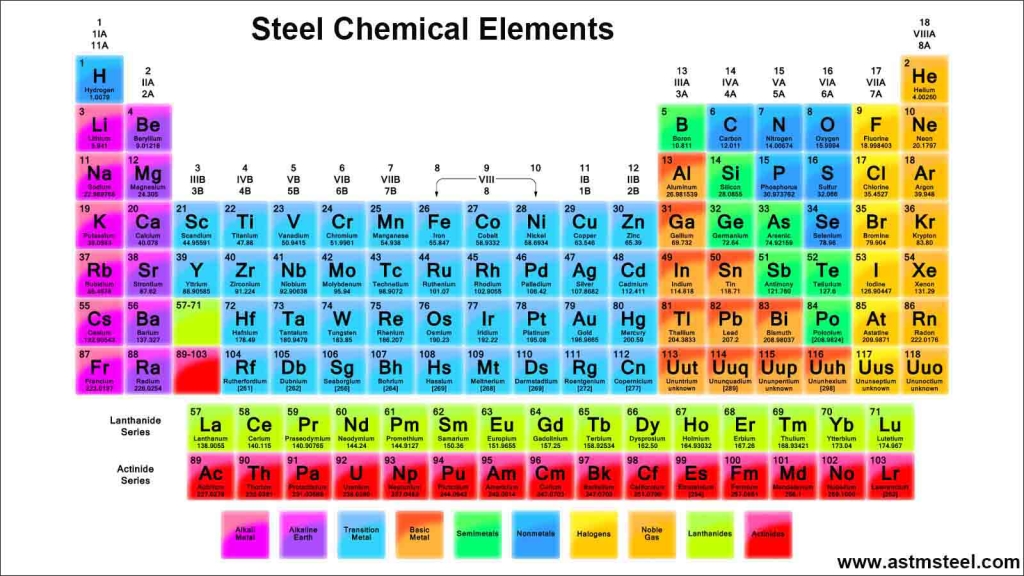
Alright, settle in, grab your latte (or whatever your poison is), and let's talk about steel. Yeah, I know, sounds about as exciting as watching paint dry, right? But trust me, steel is basically the superhero of materials. It's everywhere, holding up our skyscrapers, making our cars go zoom, and even keeping your trusty frying pan from turning into a sad, warped frisbee. So, what's the secret sauce? What magic potion do they brew to create this industrial marvel? It’s not just… well, steely stuff.
At its absolute core, the main ingredient is iron. Think of iron as the big, brawny bodyguard of steel. It’s like the grumpy but ultimately dependable dude who shows up to do the heavy lifting. Iron, in its pure form, is okay, but it’s a bit… meh. It rusts faster than a teenager’s mood swings and it’s not exactly the strongest guy in the room. Imagine trying to build a bridge out of pure iron; it would probably sag like your uncle at Thanksgiving dinner after too much gravy.
But here’s where the real fun begins! We add a secret ingredient, a tiny but mighty little troublemaker that changes everything. This is carbon. Now, don’t go thinking we’re talking about charcoal briquettes for your barbecue. We’re talking about a very small amount of carbon, usually less than 2% of the total weight. It’s like adding a pinch of chili flakes to your bland chili – suddenly, it’s got a kick! This little bit of carbon sneaks into the iron’s crystal structure, making it all rigid and strong. It’s the difference between a floppy noodle and a sturdy toothpick.
And that’s pretty much it for the basic recipe! Iron and a whisper of carbon. Ta-da! You’ve got steel. Sounds almost anticlimactic, doesn't it? Like discovering your favorite magician’s trick is just a really well-timed sneeze. But the beauty is in the simplicity, and how that tiny amount of carbon works wonders. It’s the ultimate underdog story of the elements.
But Wait, There's More! (Because Life's Never That Simple, Is It?)
Now, while iron and carbon are the undisputed kings and queens of the steel kingdom, sometimes we like to throw in some other party guests to really jazz things up. These are what we call alloying elements, and they’re like the sprinkles on the steel cupcake, giving it special powers and flavors. They're not always present, but when they are, oh boy, do they make a difference.

One of the most common and important party crashers is manganese. This guy is like the helpful friend who always brings snacks. Manganese helps get rid of nasty impurities in the molten steel, like sulfur, which can make steel brittle. Think of it as a tiny, elemental cleanup crew. It also helps improve the steel’s strength and hardness. So, manganese is basically the unsung hero, quietly making sure everything runs smoothly and efficiently.
Then we have silicon. Silicon is like the dude who’s really good at absorbing shock. It helps make steel stronger and also improves its ability to resist oxidation, meaning it’s less likely to turn into that flaky orange stuff we call rust. Silicon is also crucial for certain types of electrical steel, used in transformers and things like that. It’s like the silent guardian, the watchful protector of our electrical grids.
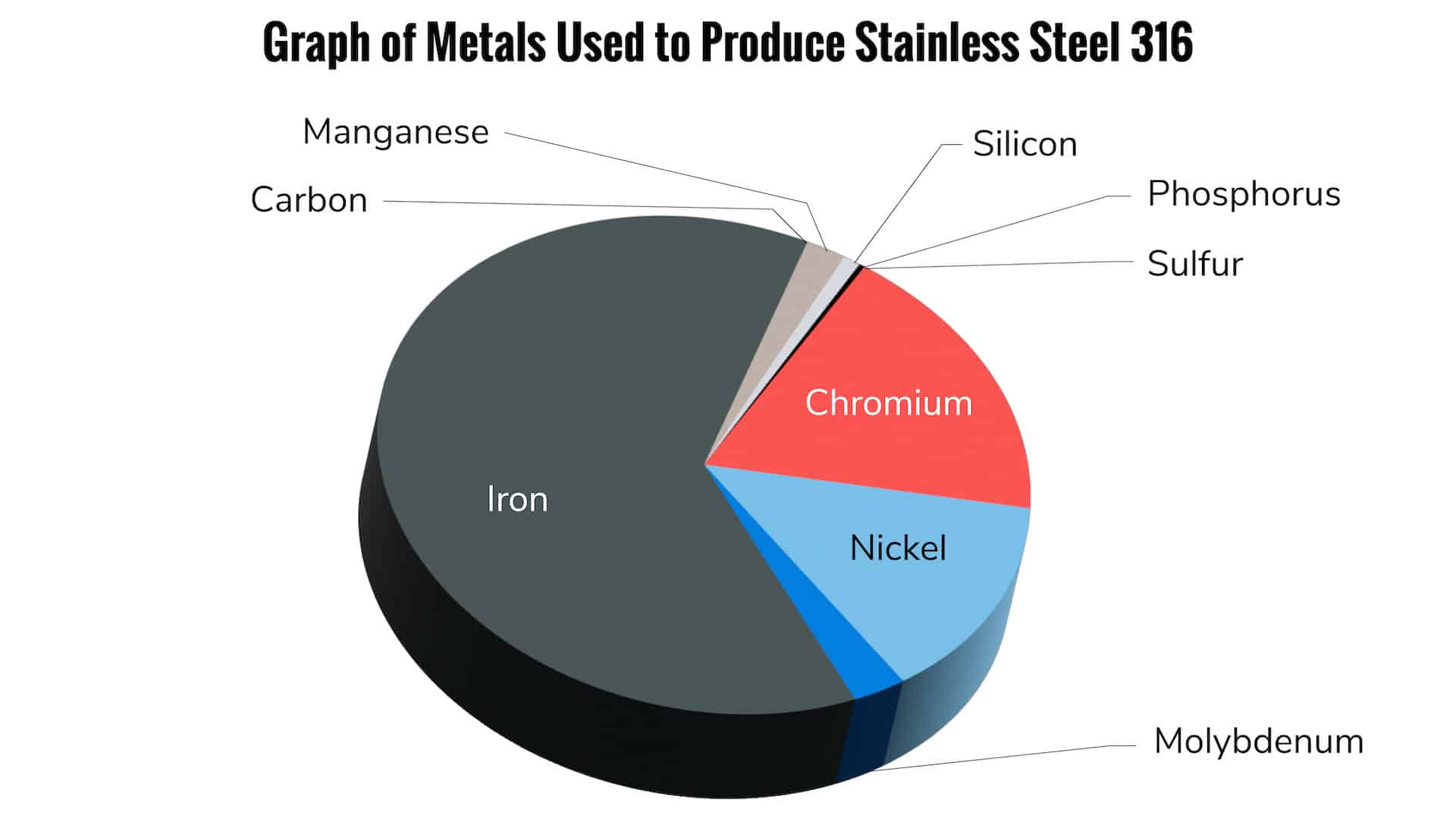
And what about chromium? Ah, chromium. This is where things get really interesting. Chromium is the magic ingredient that gives us stainless steel. Yes, that stainless steel! The stuff your fancy cutlery is made of, the shiny bits on your car, the sinks that refuse to stain (mostly). Adding chromium, usually at least 10.5%, creates a thin, invisible layer of chromium oxide on the surface. This layer is like a superhero’s force field, protecting the steel from corrosion. It’s so effective, it basically makes the steel immune to rust and stains. It’s like the steel finally put on its fancy, stain-proof suit.
The Gang's All Here (Sometimes)
There are a whole bunch of other elements that can join the steel party, depending on what we want the steel to do. We’re talking about:

Nickel: The Smooth Operator
Nickel is often added alongside chromium to make stainless steel even more corrosion-resistant and to improve its toughness, especially at low temperatures. It’s like the smooth operator, making everything easier and more adaptable. Think of it as the diplomat of the alloying elements.
Molybdenum: The Heat Seeker
Molybdenum is a bit of a workhorse. It makes steel stronger, harder, and more resistant to high temperatures and corrosion. It’s the kind of element that says, “Bring on the heat! I can handle it.” It’s essential for things like drill bits and engine parts that get seriously hot.
Vanadium: The Strength Booster
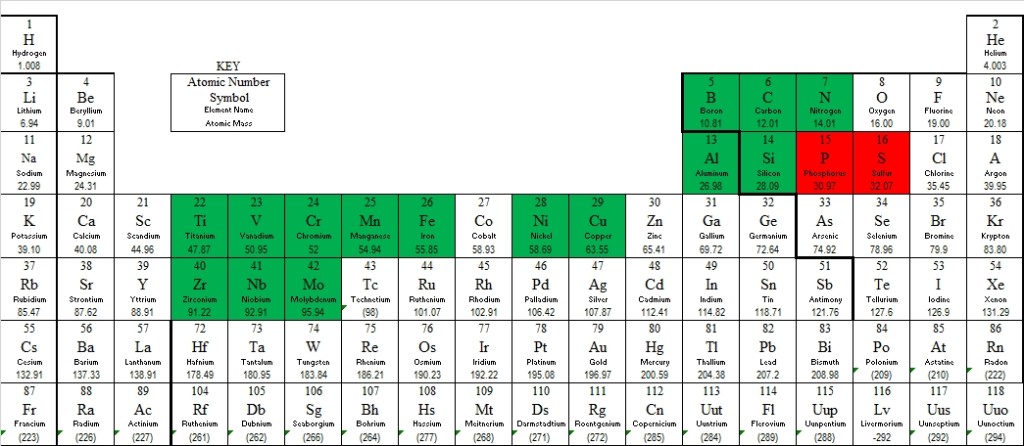
Vanadium is another element that’s all about strength. It helps create very fine grains in the steel, which makes it incredibly strong and tough. It’s like giving the steel a personal trainer, helping it build serious muscle.
Tungsten: The Unyielding Warrior
Tungsten is an absolute legend when it comes to hardness and heat resistance. It's used in tools that need to withstand extreme wear, like cutting tools and drill bits that bore through rock. This stuff is so tough, it practically laughs in the face of friction. It's the element that says, "You think that's tough? Try me."
So, there you have it! Steel isn't just one thing. It's a whole family of materials, with iron and carbon as the core members, and a rotating cast of alloying elements that give it superpowers. It’s a testament to how a few well-chosen ingredients can transform something ordinary into something truly extraordinary. Next time you lean against a steel railing or admire a sturdy building, give a little nod to the elements working hard behind the scenes. They’re the unsung heroes of our modern world, and frankly, they deserve a round of applause… or at least a really good polish.