
What Happens If You Confess A Crime To A Therapist

Ever had one of those moments where a thought just pops into your head, and you’re like, “Whoa, where did that come from?” We all have them. Sometimes it’s about a slightly embarrassing thing you did years ago, like that time you “borrowed” your sibling’s favorite toy and “forgot” to return it. Other times, it might be a… well, a bigger thought. A thought that maybe involves something that wasn't exactly on the straight and narrow.
So, what happens if you find yourself needing to spill the beans on something like that to your therapist? It’s a question that might niggle at the back of your mind, especially if you’re thinking about starting therapy or are already in it. Let’s break it down, nice and easy, without any scary legal jargon.
The Sacred Space of Therapy
Think of your therapy sessions as a bit like that super comfy armchair in your living room. It’s a place where you can finally let your shoulders drop, unbutton those tight pants of your worries, and just… be. Your therapist is there to listen, to understand, and to help you navigate whatever’s going on in that wonderful, complex brain of yours. They are, in essence, your professional confidante.
And the cornerstone of this relationship? Confidentiality. This isn't just a nice-to-have; it's the bedrock of why therapy works. Imagine trying to open up about your deepest fears or your most shameful secrets if you thought your therapist was going to write it all down in a public ledger or gossip about it at the water cooler. Yikes!
The Confidentiality Shield: What It Means for You
So, what does this mighty confidentiality shield actually cover? Pretty much everything you say in session. Your therapist is bound by a strict ethical code to keep your conversations private. This means they can’t just blab to your friends, your family, your boss, or, importantly, the authorities about what you’ve shared.
It’s like when you tell your best friend a secret. You trust them not to go spilling it to everyone at the next party. A therapist’s confidentiality is that trust, amplified and legally protected. They’re not there to judge you; they’re there to help you heal and grow.

When the Shield Gets a Tiny Crack (Very Tiny!)
Now, before you picture your therapist with a secret diary and a mischievous grin, let’s talk about the very few exceptions to this confidentiality rule. These exceptions are put in place for a reason: to protect people, including yourself, when things reach a certain level of danger.
The most common exceptions are:
- Imminent Danger to Yourself: If you express a clear and immediate intention to harm yourself, your therapist has a duty to try and keep you safe. This might involve contacting emergency services or a trusted family member, but it's always done with your well-being as the absolute priority. Think of it like a lifeguard spotting someone struggling in the water; they have to jump in to help.
- Imminent Danger to Others: Similarly, if you reveal a plan to seriously harm another specific person, your therapist may be obligated to report it to the authorities to prevent that harm from happening. This is a very high bar, though. It’s not about vague threats or angry outbursts; it’s about a concrete and immediate plan. Again, the goal is prevention and safety for everyone involved.
- Child Abuse or Neglect: In most places, therapists are mandatory reporters. This means if you disclose information about current child abuse or neglect (past abuse is often protected by confidentiality, but present danger is not), they are legally required to report it to the relevant child protective services. This is to protect vulnerable children.
- Elder Abuse or Abuse of Vulnerable Adults: Similar to child abuse, there are often mandatory reporting laws for elder abuse or the abuse of other vulnerable adults.
These are serious situations, and your therapist’s actions in these rare cases are about preventing significant harm. They aren't about getting you in trouble for past mistakes, but about intervening when there's an immediate risk.

What About Those “Oops, I Did That” Moments?
So, let’s say you’re in therapy, and you confess to something from your past. Maybe you “borrowed” that toy permanently from your sibling all those years ago and never admitted it. Or perhaps you did something a bit more significant, like a petty theft years ago when you were struggling, or a mistake made under pressure that you deeply regret.
Here’s the good news: for the vast majority of past actions that don’t pose a current threat, your therapist will keep it confidential. They are interested in understanding the why behind your actions, how they’ve impacted you, and how you can move forward. Your confession helps them do their job better!
It's like telling your doctor you once ate a whole tub of ice cream in one sitting. They might gently suggest it's not the healthiest habit, but they're not going to call the "Dairy Police" or put you on a national ice cream offenders list. They're focused on your overall health and well-being, and understanding your relationship with food.

The Purpose of the Confession
When you confess something to your therapist, it’s often a sign of immense trust and a desire for genuine healing. You’re letting go of a burden. Your therapist's role isn’t to be a judge or jury; it’s to be a guide. They want to understand your story, the context of your actions, and how those experiences have shaped you.
Your confession allows them to help you process guilt, shame, or any other emotions attached to the event. It’s a stepping stone to self-acceptance and personal growth. Think of it as clearing out the clutter from your mental attic. Once it’s out in the open, you can sort through it, decide what to keep, what to discard, and what to learn from.
Why This Matters to You
Why should you care about all this? Because understanding the boundaries of confidentiality in therapy is crucial for effective treatment. It empowers you to be honest and open, which is the only way therapy can truly work its magic.
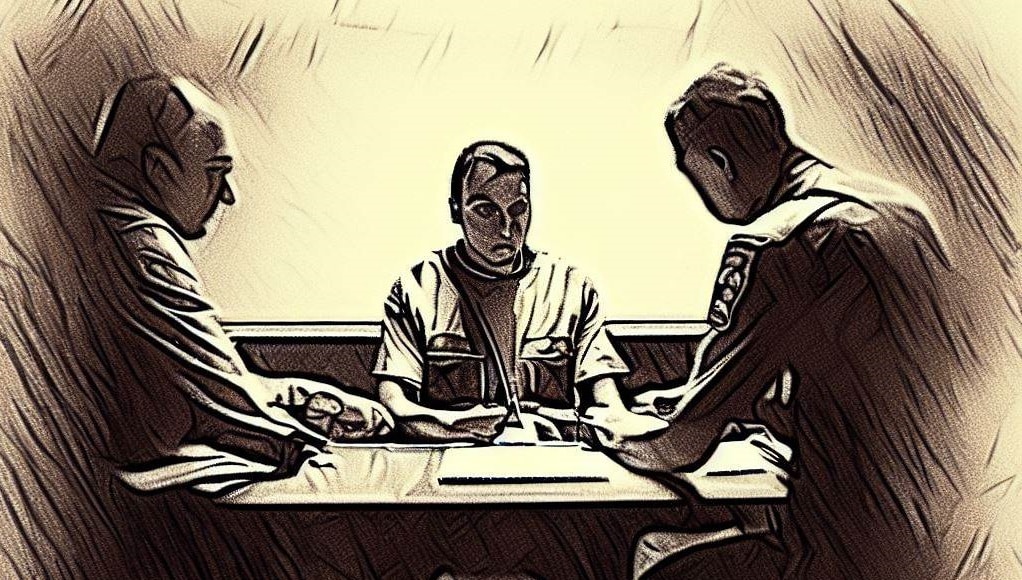
If you’re holding back for fear of judgment or repercussions, you’re not getting the full benefit of your therapy. You’re keeping a part of yourself hidden, and that hidden part can continue to cause you pain or hold you back.
Think of it like this: if you’re trying to fix a leaky faucet, you need to be able to tell the plumber exactly where the drip is coming from, right? You can’t just say, “It’s somewhere in the bathroom.” The more precise and honest you are, the faster and better the repair will be. Therapy is the same. Your honesty is the blueprint for your healing.
Your Well-being is the Priority
Ultimately, your therapist is on your team. Their primary goal is to support your mental and emotional well-being. When you confess something, they’re not looking to punish you; they’re looking to understand and help you navigate the complexities of your life. It's a partnership built on trust and the shared goal of making your life better.
So, if you have something weighing on your mind, something you feel you need to share, remember that your therapy space is designed for that. It's a safe haven for your truth, allowing you to explore, understand, and ultimately, to heal.