
What Happens If You Microwave Aluminum Foil
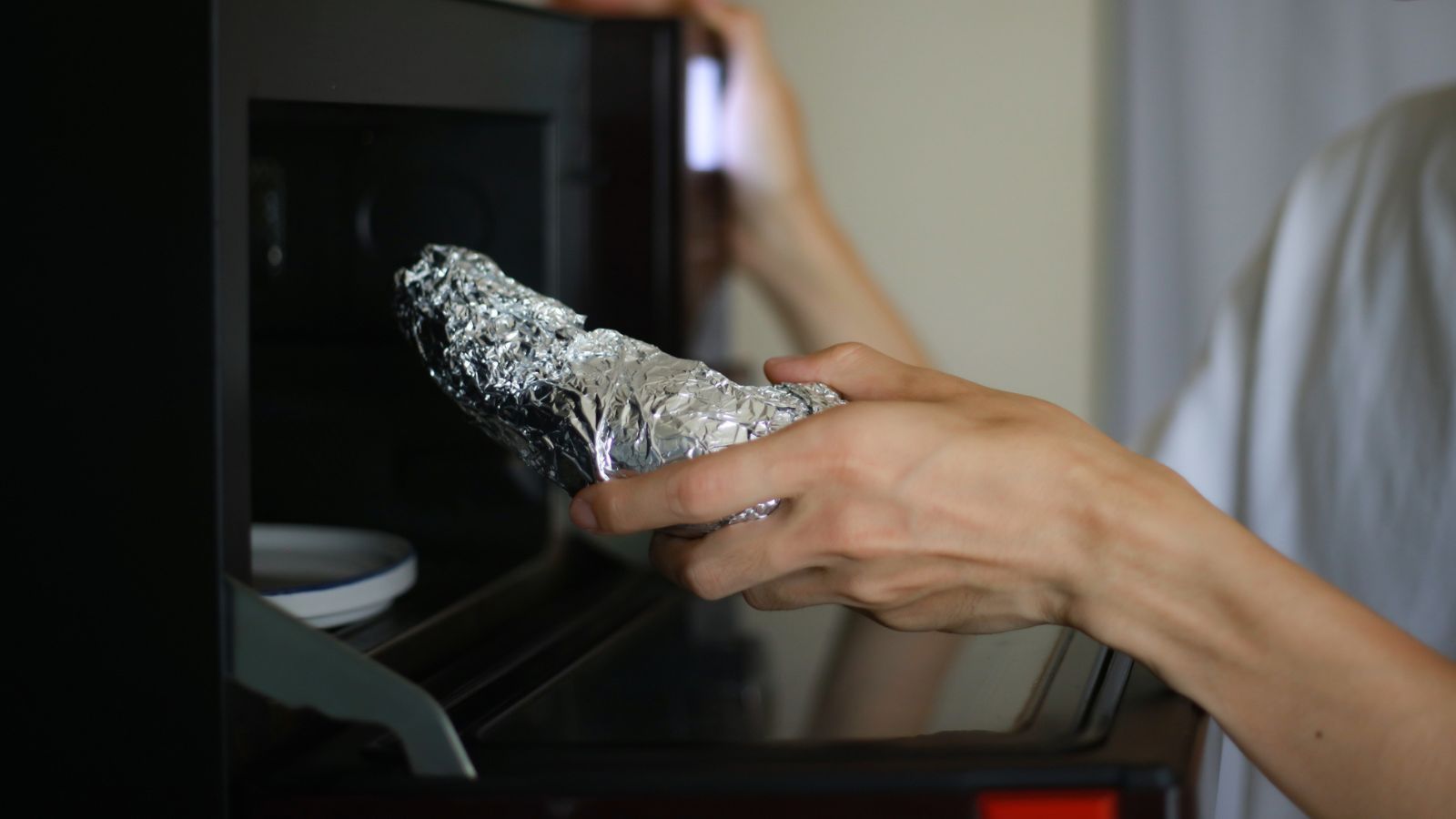
Hey there, you curious culinary adventurers! Ever had that moment, you know, the one where you're juggling dinner prep, your phone's buzzing, and you suddenly wonder, "Can I just pop this aluminum foil-wrapped… thing… into the microwave?"
Let’s be honest, we've all had those brain farts. It’s a common question, and one that’s probably crossed more minds than there are shiny sheets of foil in the average kitchen drawer. So, what happens if you do the unthinkable? What’s the big deal about microwaving aluminum foil?
Well, buckle up, buttercup, because we’re about to dive into the sparkly, potentially zappy world of microwave and foil interactions. Think of this as your friendly, non-judgmental guide to avoiding a kitchen kerfuffle. No need to panic, just pure, unadulterated curiosity exploration!
The Sciencey Bit (but make it fun!)
Alright, deep breaths. We're not going to get bogged down in complex physics here. The basic idea is that microwaves, those magical waves that heat up your leftovers in a jiffy, are electromagnetic energy. They bounce around inside your microwave, exciting the water molecules in your food and making them vibrate at super-speed, hence the heat.
Now, aluminum foil is made of metal. And metal, in general, isn't a huge fan of electromagnetic energy. It’s like that one friend who really doesn’t like loud music – it gets a bit… agitated.
When microwaves hit metal, especially thin, crinkly metal like aluminum foil, things get interesting. Instead of passing through the foil and heating your food (like they’re supposed to), the microwaves get reflected. It's like they hit a tiny, shiny mirror and bounce right back.
This reflection isn't just a polite "excuse me." It can cause a buildup of energy. And when energy builds up in a confined space, especially one with pointy bits, things can get a little… energetic. Think of it like static electricity, but on steroids and with a much higher chance of dramatic flair.
The Sparkle Show: Arcing!
This is where the real action, or rather, the potential for a bit of a show, happens. That reflected microwave energy can concentrate on the edges, corners, or even tiny tears and wrinkles in the aluminum foil. When this concentration gets high enough, the air around these spots can become ionized. And what does ionized air do? It wants to discharge that built-up energy.

This discharge is what we call arcing. It looks like tiny, bright blue sparks, zipping and zapping around inside your microwave. It’s almost like a mini fireworks display, but one you definitely don't want happening in your kitchen appliance. It’s not quite a full-blown explosion, but it's definitely not good for your microwave's delicate insides.
Imagine the microwaves are a bunch of eager puppies, and the foil is a fence with a few holes. The puppies are trying to get through, but they keep bumping into the fence and getting frustrated. When they find a hole (a sharp edge on the foil), they might jump through with a little more enthusiasm, creating sparks as they go. Cute analogy, right? Except, you know, with potentially damaging electrical currents.
So, What's the Damage?
Okay, so you've seen sparks. Now what? Is your microwave going to go up in flames like a scene from an action movie? Probably not. Most modern microwaves have safety features to prevent catastrophic meltdowns. However, that doesn't mean it's a good idea.
The primary concern is damage to your microwave. Those sparks are essentially mini electrical shorts. Repeated or prolonged arcing can damage the internal components of your microwave, particularly the magnetron, which is the part that actually generates the microwaves. Think of it like repeatedly poking a sensitive electronic device with a tiny, super-powered laser pointer. Eventually, it’s going to get upset.
This damage might not be immediate. You might not see it on day one. But over time, those little sparks can wear down the components, leading to a less efficient microwave or, in the worst-case scenario, a completely non-functional one. And nobody wants to replace a perfectly good microwave because they got a little too experimental with their foil-wrapped leftovers.
It’s Not Just About Sparks
The arcing is the most dramatic part, but there are other less flashy reasons why foil and microwaves are not best friends. Remember how the foil reflects the microwaves? Well, that means the food inside is also being shielded from those heating waves.
So, you might have a microwave that’s sparking and whirring, but the food inside is still stubbornly cold, or at best, lukewarm. It’s like trying to warm yourself by a fireplace that’s been covered with a giant, shiny blanket. Not very effective, is it?
This uneven heating can be annoying, but it can also be a bit of a food safety issue. If parts of your food aren't heated to a high enough temperature, you might not kill off any pesky bacteria. So, while you’re busy marveling at the light show, your chicken might be contemplating a bacterial rave.
But Wait, There Are Exceptions! (Yes, Really!)
Now, before you throw all your aluminum foil in the bin in a panic, hold your horses! There’s a tiny caveat to this whole "no foil in the microwave" rule. And it’s a pretty specific one.
Some microwave manufacturers are starting to design their ovens with specific metal components that are safe to use. Think of it like this: the manufacturer has built a little "safe zone" or "approved metal" within the microwave cavity. These are usually shaped in a very particular way and are designed to handle the microwave energy without causing problems.
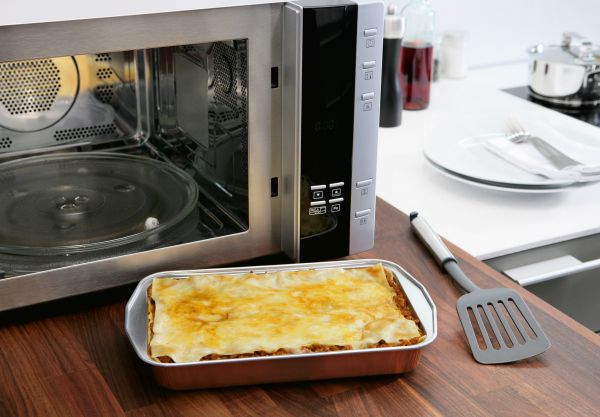
For example, some microwaves might come with a metal rack that is safe to use. Or, certain microwave models might have specific "crisping trays" that incorporate metal. These are usually clearly marked and explained in your microwave's instruction manual. Always, always, always refer to your microwave’s manual before trying anything unusual.
The key here is that it’s not just any piece of aluminum foil. It’s a specifically designed, manufacturer-approved metal component. If your microwave manual doesn’t explicitly say it’s okay to put a particular metal item in, then the safest bet is to assume it’s a big fat NO.
The "Shielding" Myth
You might also hear people talking about "shielding" food with foil in the microwave. This usually involves using small pieces of foil to cover only the tips of wings or legs on poultry, for example, to prevent them from overcooking while the rest of the meat cooks through.
While this is a technique used in conventional ovens (where the heat distribution is different), it's generally a big no-no in microwaves for the reasons we’ve already discussed. The reflective properties of foil can lead to uneven cooking and arcing, even if you’re trying to protect a specific part of the food. Better to stick to microwave-safe methods for even cooking, like rotating the food halfway through or using microwave-safe covers.
So, What Should You Do Instead?
Fear not, my fellow food enthusiasts! If you can't use your trusty aluminum foil, what are your options for speedy reheating and cooking in the microwave?
Well, the simplest answer is: remove the foil! Take your food out of the aluminum foil and place it on a microwave-safe plate or in a microwave-safe dish. Ceramic, glass, and many plastics are your friends here.
If you're worried about splatters or want to trap some steam for more even heating, use a microwave-safe lid, a piece of parchment paper (yes, paper is generally safe!), or even a damp paper towel. These will help keep your microwave clean and your food moist without any of the sparking drama.

For those situations where you might have been tempted to use foil for crisping, there are now specific microwave accessories designed for that purpose, like microwave crisper pans. These are made from materials that can withstand microwave energy and help create that desirable crispy texture.
A Little Note on Other Metals
Just as a friendly PSA, it’s not just aluminum foil that’s a no-go. Other metals like steel, copper, and even those fancy gold-rimmed plates can cause similar arcing issues. So, when in doubt, err on the side of caution and stick to clearly marked microwave-safe materials.
Think of your microwave as a sophisticated piece of technology that requires a bit of respect. It’s designed to work with specific types of materials, and when you introduce the wrong ones, you’re basically asking for trouble. And let's be honest, a malfunctioning microwave is nobody's friend on a hungry Tuesday evening.
The Takeaway: Be Smart, Be Safe, and Keep Sparkling (the Good Kind!)
So, there you have it! The mystery of microwaving aluminum foil is solved. While the visual of sparks can be a bit dramatic, the underlying message is simple: don't do it unless your microwave manual explicitly states a specific metal component is safe. It’s a surefire way to potentially damage your appliance and achieve unevenly cooked food.
Instead, embrace the world of microwave-safe dishes, plates, and covers. They might not be as shiny as foil, but they’re far more reliable and a lot less likely to send you on a surprise trip to the appliance store.
The kitchen is a place for creativity and delicious experiments, but sometimes, the most fun and rewarding culinary adventures come from sticking to what we know works. So, let’s keep our microwaves humming happily, our food perfectly heated, and our kitchens free from unexpected light shows. Go forth and microwave with confidence (and the right materials)! Happy cooking!