
What Happens When The Serpentine Belt Breaks
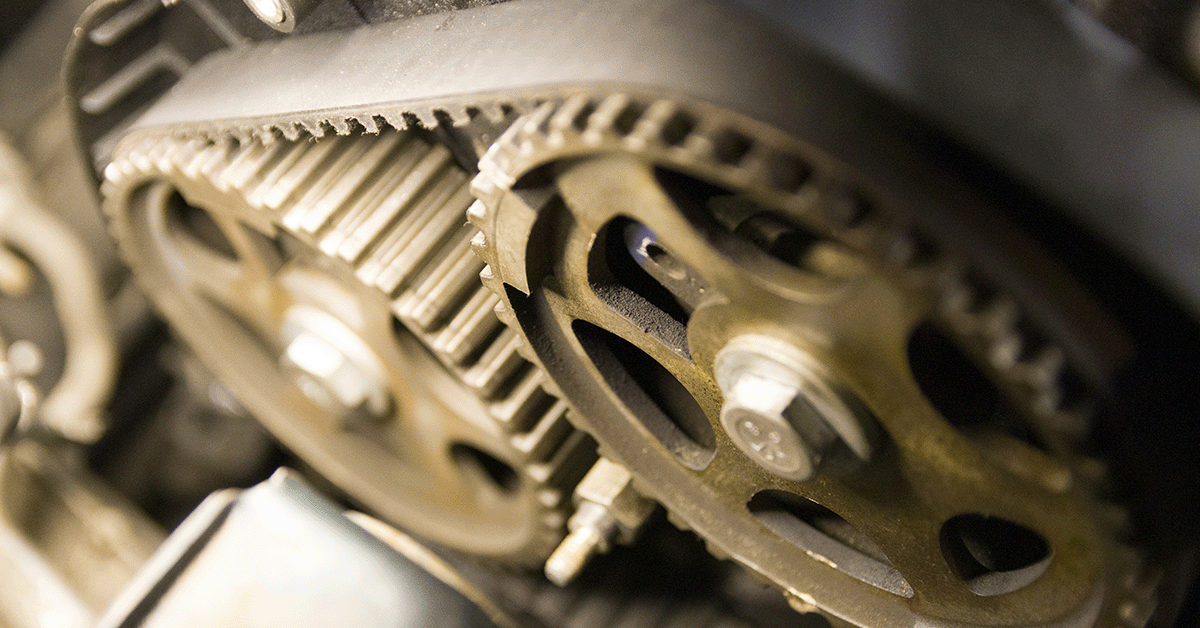
So, picture this: I was heading out for a much-needed weekend getaway, bags packed, playlist curated, and a ridiculous grin plastered on my face. The sun was shining, the road was clear, and I was feeling unstoppable. Then, about an hour into the drive, I heard it. A rather… unpleasant squealing sound. Not the fun kind of squealing, like when you discover a killer sale, but the "uh-oh, something's not right" kind of squealing. It got louder, more insistent, and then… silence. The engine just kind of died down, my power steering vanished (which, let me tell you, makes a sharp turn feel like wrestling a bear), and the AC, my trusty companion on a hot day, sputtered its last breath. My dashboard lit up like a Christmas tree gone rogue, with a bunch of little red lights winking at me. My perfect getaway? Suddenly feeling a lot less perfect.
Yep, that was my introduction to the unsung hero (or villain, depending on your perspective at that moment) of your car's engine: the serpentine belt. This little rubber band, or rather, this very important rubber band, is responsible for a whole heap of things that keep your car running smoothly and, you know, moving. When it decides to throw in the towel, things go from zero to chaos pretty darn fast. It’s like the central nervous system of your engine's accessories. Cut that off, and everything just… stops talking to each other.
You might be thinking, "A belt? How big a deal can a belt really be?" Oh, my friends, let me tell you, it’s a huge deal. Think of your car as a miniature, highly efficient factory. The engine is the main power source, but it needs little workers to distribute that power. The serpentine belt is basically the foreman of those workers, making sure they all get their share of the engine's grunt. And when the foreman breaks, the whole operation grinds to a halt.
So, what exactly does this serpentine belt do when it’s happy and intact? Well, it’s a single, long, multi-ribbed belt that snakes its way around various pulleys attached to your engine's accessories. It’s pretty ingenious, actually. Instead of having a separate belt for each component, one belt handles multiple jobs. Talk about efficient engineering! It’s the workhorse, the multitasker, the one that keeps all the other moving parts in your engine bay humming along.
Let’s break down some of its key responsibilities, shall we? First up, the alternator. You know that thing that keeps your battery charged and powers all your car’s electrical systems? Lights, radio, that fancy navigation system that’s probably giving you bad directions right now? Yep, the serpentine belt drives the alternator. So, if that belt snaps, your battery starts to drain faster than my patience when I see a "low fuel" light blink on. Eventually, everything electrical will start to flicker and die. Your headlights will dim, your radio will go silent, and that comforting hum of the engine will fade into an ominous quiet.
Then there’s the power steering pump. Remember how I mentioned my steering suddenly got super heavy? That’s the power steering. It uses the engine’s power, via the serpentine belt, to make turning your steering wheel a breeze. Without it, you’re essentially trying to steer a tank. It’s not fun. Especially in tight parking lots or during a tricky maneuver. You’ll feel like you’ve suddenly acquired biceps the size of watermelons, and even then, it’s a serious workout. Imagine trying to parallel park during rush hour without power steering. Shudder.
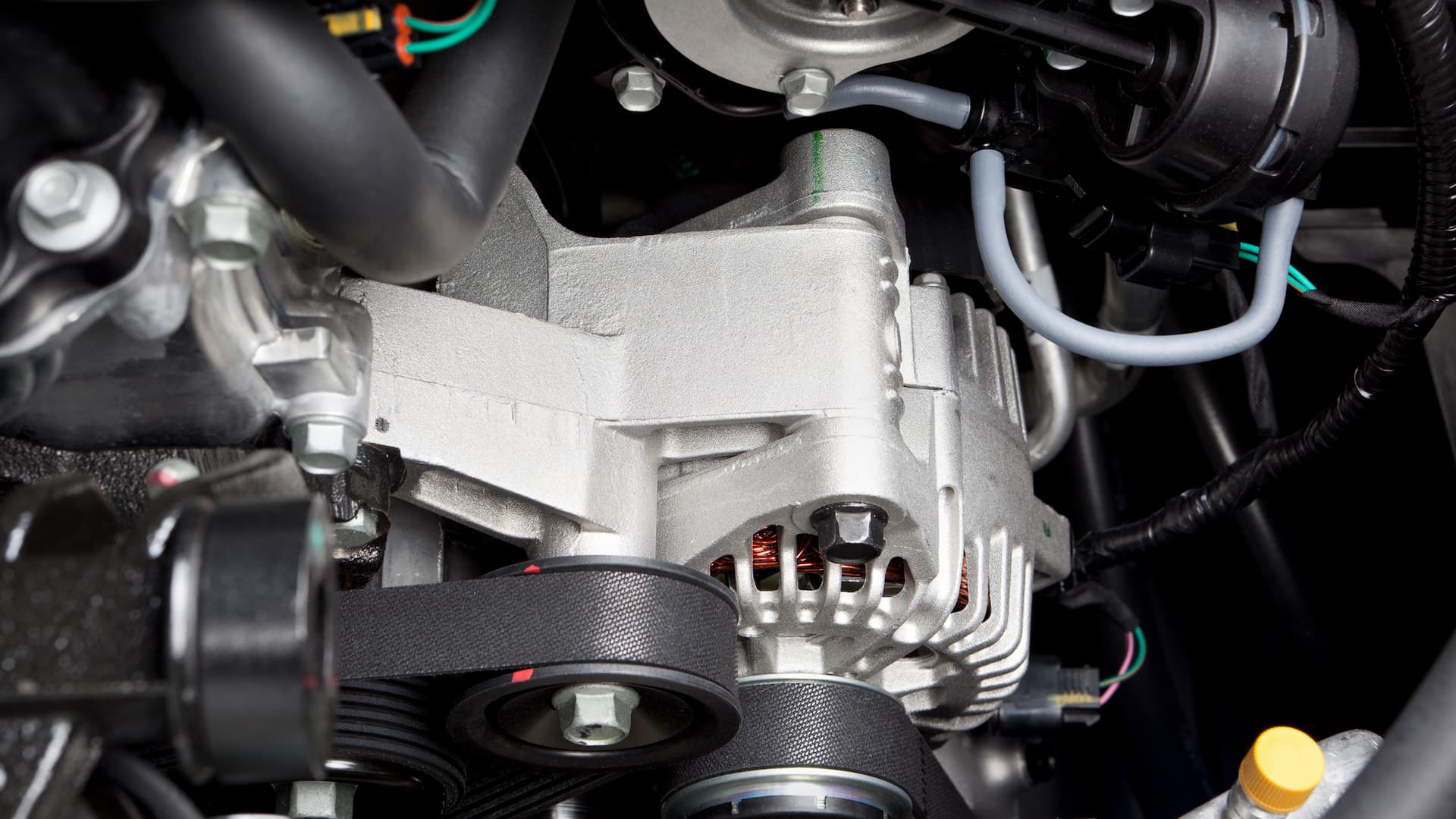
And what about that blissful cool air that flows from your AC vents on a sweltering day? Yep, you guessed it. The air conditioning compressor is also driven by the serpentine belt. So, a broken belt means no more chilled air. Just you, the heat, and the growing realization that you’re really going to miss that squealing noise if it meant a blast of cool air. This is usually one of the first things people notice, especially if it’s summer and you're stuck in traffic. Suddenly, your car transforms from a sanctuary of cool to a mobile sauna. And let’s be honest, nobody enjoys a sweaty commute, especially when you’re already stressed about being stranded.
The water pump is another crucial component powered by the serpentine belt. This is the heart of your car's cooling system. It circulates coolant through the engine to prevent it from overheating. If the water pump stops working, your engine temperature will start to climb rapidly. And an overheating engine? That's a recipe for some seriously expensive disaster. We’re talking blown gaskets, warped cylinder heads, the whole nine yards of automotive nightmares. Most modern cars will have an overheating warning light, and if you see that red temperature gauge climbing into the danger zone, it’s a pretty clear sign that something is very, very wrong, and the serpentine belt could be the culprit.
Some cars also have an air pump or smog pump that’s driven by the belt, which helps reduce emissions. While less immediately noticeable in terms of drivability (your car probably won’t sputter and die because of it), it’s still part of the intricate system that keeps your car running efficiently and legally. So, even if you don’t notice the immediate effects, it’s still a piece of the puzzle that’s gone missing.

So, how do you know if your serpentine belt is about to stage its dramatic exit? Well, that squealing sound I mentioned? That’s often the first warning sign. It’s usually caused by the belt slipping on the pulleys, perhaps due to wear, a misaligned pulley, or a failing tensioner. Don't ignore that squeal, folks! It’s your car’s way of politely (or not so politely) asking for attention before things get truly unpleasant. It’s like when your phone starts giving you low battery warnings; you know you should plug it in, but sometimes you just don’t, right? Except with your car, the consequences are a lot more… inconvenient.
Another sign can be visible wear on the belt itself. If you can safely (and I mean safely, with the engine off and cool!) peek under the hood, you might see cracks, fraying, or glazing on the belt. Glazing is when the belt gets smooth and shiny, which reduces its grip on the pulleys. It’s essentially saying, "I’m losing my traction, people!" A visual inspection can save you a lot of heartache and money down the road. Honestly, it’s worth knowing where your serpentine belt is and what it looks like. A quick peek now and then can be incredibly beneficial. Think of it as a quick check-up for your car’s vital signs.
A loose or improperly tensioned belt can also cause problems. The belt needs to be kept at the correct tension to ensure it grips the pulleys effectively. If the tensioner fails, the belt can become too loose, leading to slipping, squealing, and ultimately, a broken belt. You might feel a slight shudder or vibration from the engine, or notice that your accessories aren’t working as efficiently as they should. It’s like a guitar string that’s too loose – it doesn’t make the right sound and doesn’t function as intended.
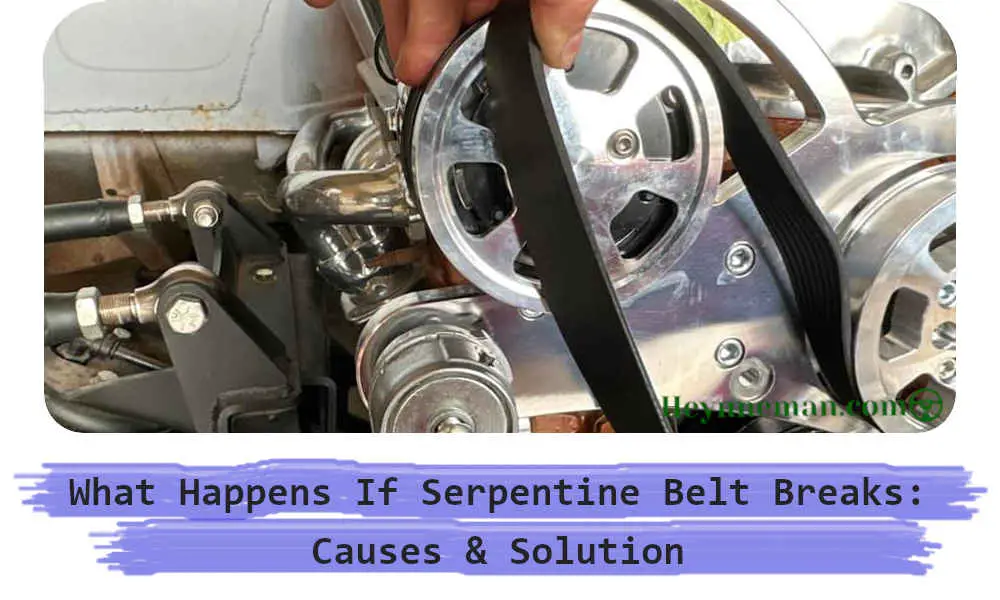
When your serpentine belt breaks, the immediate effects are usually quite dramatic. As I experienced, power steering loss is a big one. Your steering wheel will become incredibly heavy and difficult to turn. Then comes the loss of the alternator’s charging capability, meaning your battery will start to drain. Your car’s electronics will begin to fail, lights will dim, and eventually, the engine will stop running altogether. And, of course, no more AC. You’ll also likely see some warning lights illuminate on your dashboard. That "check engine" light might come on, or you might see specific battery or temperature warnings. Honestly, it’s a symphony of automotive distress signals.
What happens after the break depends on where you are. If you’re lucky, you’re in your driveway. If you’re not, well, you’re probably going to be calling for a tow truck. Driving on a broken serpentine belt is pretty much impossible and definitely not recommended. The engine will overheat, and you risk causing more significant damage to other components. It's a bit like trying to run a marathon with a broken leg – you’re not going to get very far, and you’re going to make things a lot worse.
The repair itself is usually not overly complex for a mechanic, but it does require them to have access to the belt and the necessary tools. They’ll need to remove the old belt, inspect the pulleys and tensioner for any damage or wear, and then route and install the new belt correctly. It’s usually a relatively quick job, which is good news if you’re facing an unexpected roadside breakdown. Still, it’s not exactly a DIY job for the faint of heart or those who don't have a dedicated workspace and tools. Unless you’re a seasoned gearhead, it’s best left to the professionals.

The cost of a serpentine belt replacement can vary depending on your car's make and model, as well as your location and the mechanic's labor rates. However, it's generally considered a moderately priced repair. You’re looking at the cost of the belt itself, which isn’t usually too expensive, plus the labor to install it. It’s definitely significantly cheaper than dealing with the consequences of an overheating engine or a fried electrical system. So, when your mechanic tells you it's time to replace it, even if it's just a preventative measure, it's usually a wise investment. Think of it as preventative medicine for your car!
Preventative maintenance is key here, my friends. Serpentine belts aren’t designed to last forever. They wear out over time due to heat, stress, and the sheer number of revolutions they perform. Most manufacturers recommend inspecting and potentially replacing the serpentine belt at specific mileage intervals, often around 60,000 to 100,000 miles, or every 5-7 years, whichever comes first. But this can vary greatly, so it's always best to consult your car's owner's manual or ask your trusted mechanic. They’ll be able to give you the best advice for your specific vehicle. And if you hear that squeal, don't delay! It’s your car giving you fair warning.
The irony of my situation, stuck on the side of the road with a silent, hot car, was that I had been meaning to get my car checked out. You know, that nagging little voice in the back of your head that says, "Maybe you should get that weird noise looked at." Well, that voice was shouting at me by the side of the highway. My weekend getaway turned into an extended conversation with a tow truck driver and an overnight stay in a not-so-charming motel. All because of a little rubber belt.
So, the moral of the story? Don't ignore strange noises coming from your engine. Keep an eye on your car’s maintenance schedule. And if you ever hear a persistent squealing, take it seriously! The serpentine belt might be small, but its failure can bring your entire automotive world to a screeching (pun intended) halt. It's a reminder that even the most seemingly insignificant parts can play a critical role in keeping everything running smoothly. And trust me, you don't want to be that person stuck on the side of the road, wrestling with a heavy steering wheel and sweltering in the heat, all thanks to a broken belt. It’s a lesson I learned the hard way, and one I hope you can avoid!