
What Happens When You Weld Galvanized Steel
There's a certain satisfaction, isn't there, in taking two pieces of metal and making them one? Whether you're a seasoned DIYer building a custom garden gate, a hobbyist crafting intricate metal art, or even a professional working on essential infrastructure, welding offers a powerful way to create, repair, and innovate. And when it comes to versatility, galvanized steel is a frequent star of the show. Its protective zinc coating means it's tough against rust, making it a go-to for countless projects that need to stand up to the elements.
Think about it: that sturdy porch railing you lean on, the framework of your shed, even the playground equipment your kids swing on – much of it likely started life as galvanized steel. The zinc coating isn't just for looks; it's a sacrificial layer that corrodes instead of the steel underneath, dramatically extending the lifespan of structures. This makes it an incredibly economical and practical choice for everything from agricultural fencing to automotive parts and building construction. It’s the unsung hero of durability!
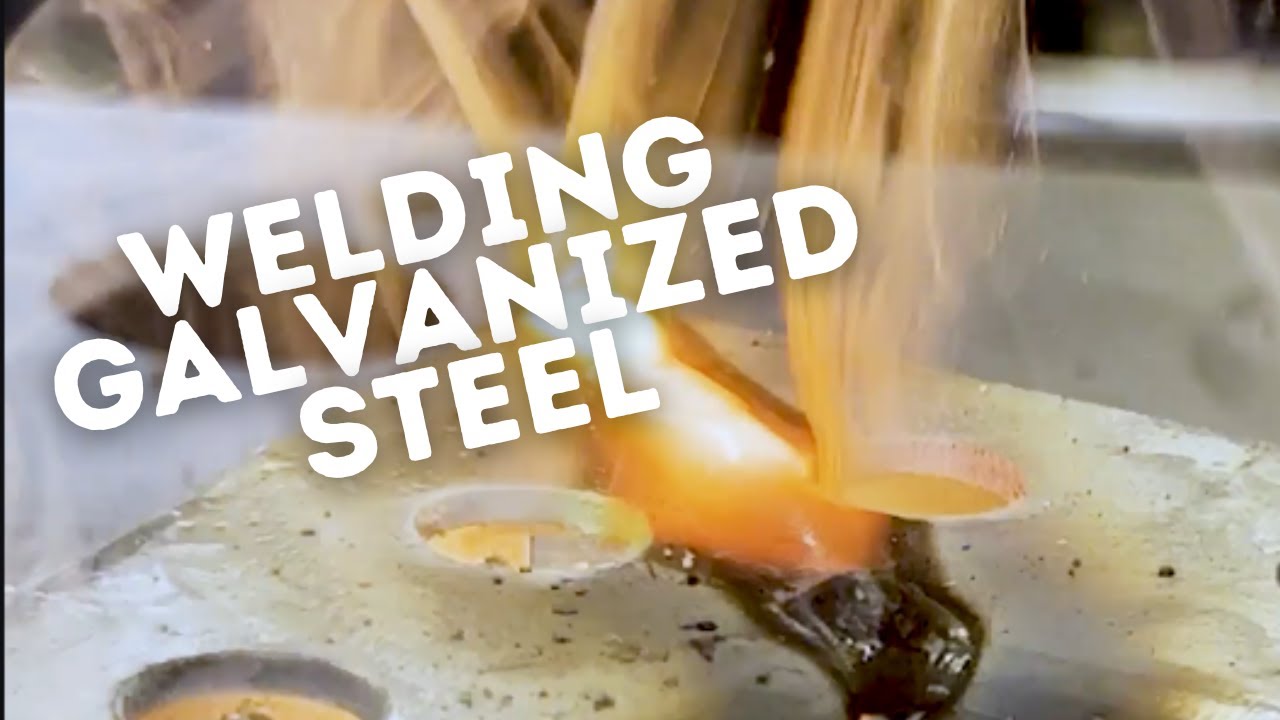
Now, here's where things get a little… smoky. When you bring a welding torch to galvanized steel, that protective zinc coating isn't just going to melt away politely. It vaporizes, creating a distinct, often pungent white smoke. This isn't just a bit of theatrical flair; it's a sign that you're dealing with zinc fumes. While the steel itself is strong and reliable, the process of welding it requires a bit more attention to safety and technique compared to non-galvanized varieties.
So, how can you make your galvanized steel welding experience not only effective but also more enjoyable and, crucially, safer? First and foremost, ventilation is your best friend. Welding in an open, well-ventilated area or using a dedicated fume extraction system is paramount. Those zinc fumes, when inhaled in significant quantities, can lead to a temporary condition known as "metal fume fever," which mimics flu-like symptoms. It’s definitely something to avoid!
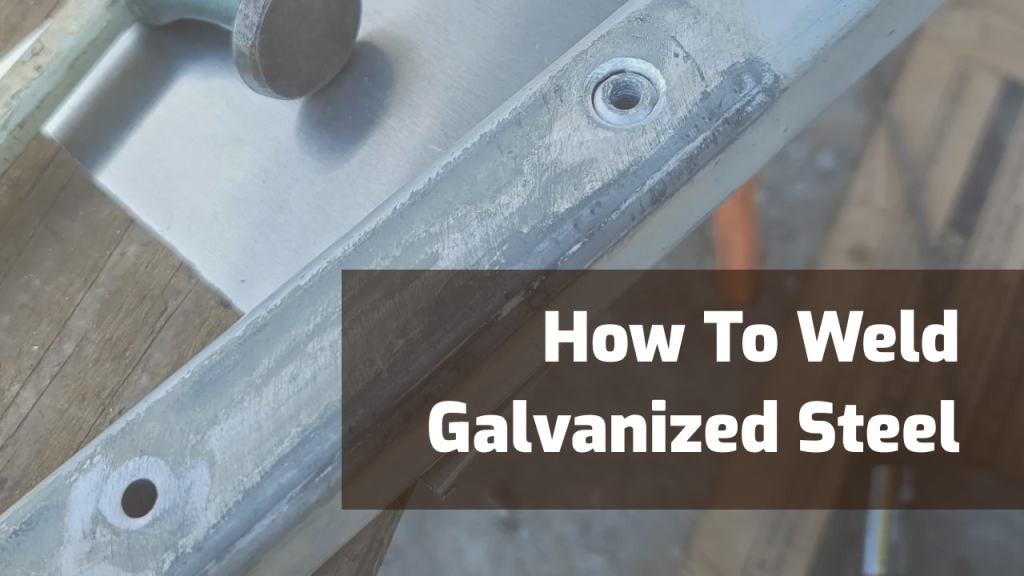
Secondly, don't skip the personal protective equipment (PPE). Beyond your standard welding helmet and gloves, consider a respirator with the appropriate cartridges for organic vapors and metal fumes. This provides an extra layer of protection. You might also find it helpful to clean the area you intend to weld before you start. Lightly grinding or wire brushing away some of the zinc coating in the immediate vicinity of your weld can reduce the amount of smoke produced and potentially improve weld penetration, leading to a cleaner, stronger joint.
Finally, remember that galvanized steel might require slightly different welding parameters than bare steel. You might need to adjust your amperage or travel speed. Experimentation on scrap pieces is always a good idea to dial in your settings. Embrace the challenge! With the right precautions and a little practice, welding galvanized steel can be a rewarding and productive part of your metalworking adventures, leading to durable, long-lasting creations that you can be truly proud of.