
What Is A Good Metal Detector For Beginners
So, picture this: I'm out at the beach, right? Just trying to enjoy a peaceful sunset, maybe bury my toes in the sand, you know, the usual. And then, BAM! My foot hits something hard. Not a pebble, not a seashell. This was… a thing. A metallic thing. And my immediate thought? "Is this pirate treasure? Am I about to become ludicrously wealthy?" Spoiler alert: it was a bottle cap. A very, very old bottle cap, but still. A bottle cap.
It was a bit of an anticlimactic moment, I'll admit. But it got me thinking. What if it had been something more? What if I’d had a secret weapon, a little device that could have told me before I stubbed my toe on potential riches? Enter the humble, yet mighty, metal detector. And if you're just starting out in this wonderfully weird world of underground discovery, you're probably asking yourself the same question I was: What makes a good metal detector for beginners? Let's dive in, shall we?
The Allure of the Unknown (and the Potentially Shiny)
There's something inherently exciting about metal detecting, isn't there? It's like a treasure hunt, but the map is the ground beneath your feet. You're not just walking; you're exploring. You're unearthing history, one beep at a time. And that's the beauty of it, especially when you're just dipping your toes in. You don't need to be a seasoned pro with a degree in archaeology to get started.
For most beginners, the goal isn't necessarily to find the lost Ark of the Covenant on your first outing. It's more about the thrill of the search, the surprise of what you might find, and the sheer fun of it all. And that's where choosing the right beginner detector becomes crucial. You don't want to get bogged down with complicated settings or a machine that's too heavy to swing for more than ten minutes. We're aiming for accessible and enjoyable.
What Makes a "Beginner-Friendly" Detector?
So, what are the key ingredients in a beginner-friendly metal detector? Think of it like choosing your first car. You don't need a souped-up race car; you need something reliable, easy to operate, and that won't break the bank. Here's the lowdown:
Simplicity is Key
Honestly, this is probably the most important factor. As a beginner, you're going to be learning a lot of new concepts: target IDs, discrimination, ground balancing. The last thing you need is a detector that looks like it belongs on the bridge of the Starship Enterprise. You want a machine with intuitive controls and a clear, easy-to-understand display.
Most beginner models will have a few core settings: sensitivity, discrimination (which tells the detector to ignore certain metals, like iron), and perhaps volume control. That's usually about it, and that's perfectly fine! You can learn to master these basic settings and still find plenty of interesting things. Don't be intimidated by the fancy knobs and buttons on the more advanced models; they're for when you've got a few finds under your belt and want to fine-tune your search.
Weight and Ergonomics
Let's be real, you're going to be swinging this thing around for a while. If your detector feels like a medieval mace, you're going to be exhausted after an hour, and that's no fun. Look for a detector that's lightweight and has a comfortable grip. Adjustable shafts are a godsend, as they allow you to customize the length to your height, which makes a huge difference in comfort and swingability.
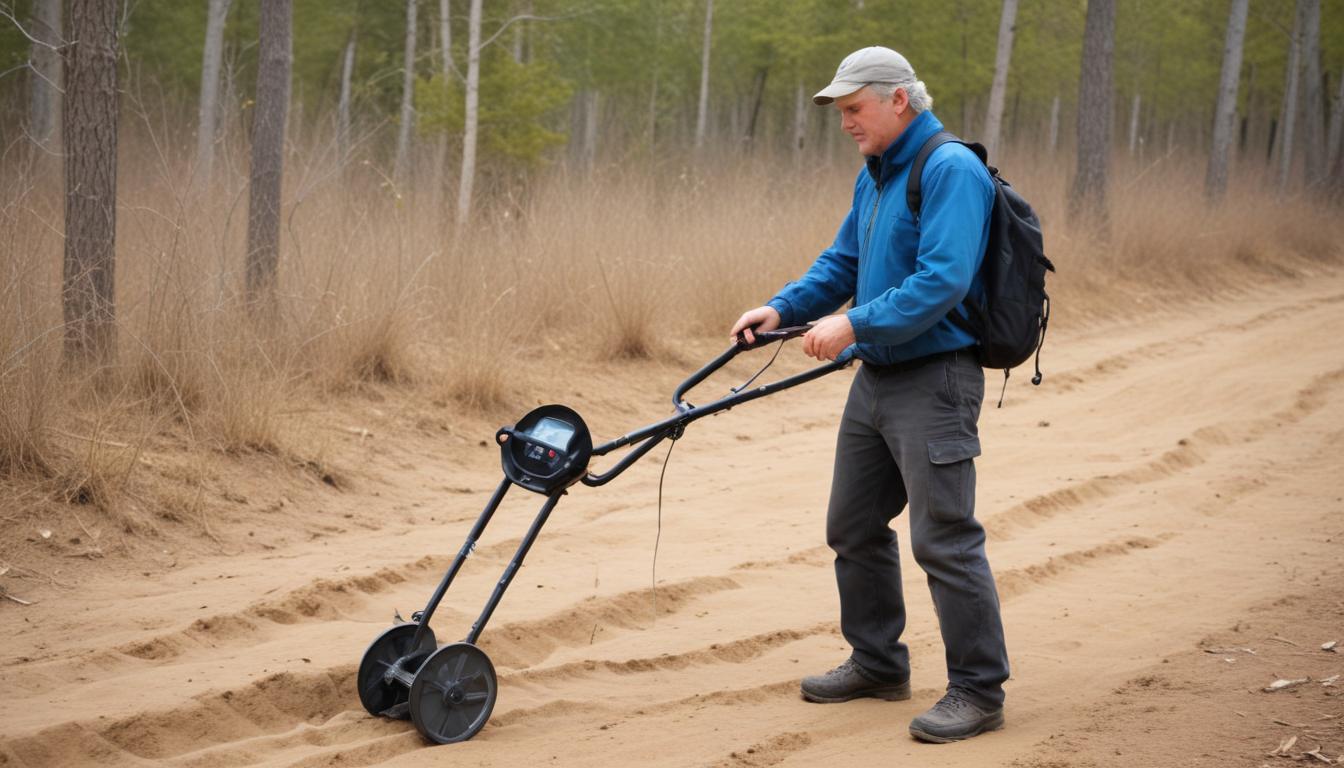
Think about it: you’re out there trying to be Indiana Jones, not Popeye. A well-balanced detector that feels natural in your hand will let you extend your detecting sessions, giving you more time to explore and, hopefully, make a cool discovery. Plus, nobody wants to look like they're wrestling a metal pole on the beach. Trust me on this one.
Affordability
This is a biggie. You're just starting out; you don't want to drop a small fortune on a hobby you might not end up sticking with. There are some fantastic beginner detectors out there that offer a great balance of performance and price. You can often find excellent options in the $150 to $350 range. This price point usually gets you a reliable machine that will teach you the ropes without requiring you to remortgage your house.
Resist the urge to go for the cheapest model you can find, though. Sometimes, the absolute cheapest options are so basic they'll frustrate you more than anything. But on the flip side, don't feel pressured to buy the top-of-the-line professional model. Save that for when you're a seasoned pro, a detectorist legend in your own time. We're talking about a gateway drug to the world of metal detecting, not a lifetime commitment just yet.
Water Resistance (or Not?)
This is where you need to think about where you'll be doing most of your detecting. If you're planning on spending most of your time at the beach, wading in the shallows, or detecting after a rain shower, then a water-resistant or submersible coil is a huge advantage. Some beginner models even have fully submersible control boxes, which is pretty neat.
However, if your primary detecting grounds are parks, forests, or dry fields, this might not be as critical. You can always rinse off a detector with a damp cloth. Just something to consider based on your intended detecting adventures. No point paying for waterproofing if you’re only going to be hunting in a desert, right?

Popular Picks for New Detectors
Alright, so we've covered the general characteristics. Now, let's talk about some specific brands and models that are often recommended for beginners. These aren't endorsements, mind you, just popular choices that tend to get good reviews and fit the bill for ease of use and affordability.
Garrett Ace Series (Ace 250, Ace 300, Ace 400)
Garrett is practically synonymous with metal detectors, and for good reason. Their Ace series is a long-standing favorite among beginners. The Ace 250 was a legend for years, and while it’s been superseded by newer models, it’s still a solid choice if you can find one used. The newer Ace 300 and Ace 400 offer more features like digital target IDs and pin pointing modes, which are super helpful.
They're known for being user-friendly, durable, and having a good performance for the price. The graphical display is pretty straightforward, and the tones are distinct enough to give you an idea of what you might be digging up. Plus, Garrett has a huge community of users, so finding tips and advice online is a breeze.
Minelab Vanquish Series (Vanquish 340, Vanquish 440, Vanquish 540)
Minelab has really stepped up their game in the beginner market with the Vanquish series. What's cool about these is that they use Minelab's Multi-Frequency technology, which typically you'd find on their more expensive machines. This means they can detect a wider range of targets in different ground conditions.
The Vanquish 340 is often cited as a fantastic entry-level option. It's lightweight, has a simple interface, and offers decent depth. The higher-numbered models add more features like iron bias control and higher resolution target IDs. They’re generally considered a bit more advanced than the Ace series but still very manageable for a beginner.

Nokta Makro Simplex+
The Nokta Makro Simplex+ (and its newer iterations like the Simplex BT) is another absolute winner for beginners. It's one of the few detectors in its price range that is fully submersible up to 10 feet. That's a huge deal if you're beachcombing or planning on getting wet!
It’s also incredibly easy to use right out of the box. It has a clean interface, clear target IDs, and good depth for its price. It feels well-built and durable, and many beginners rave about how quickly they felt comfortable using it. It’s like a little workhorse that can take a beating and keep on detecting.
Beyond the Machine: What Else You Need
So you've got your shiny new beginner metal detector. Awesome! But before you go running off into the sunset looking for buried treasure, there are a couple of other things you'll want to consider:
A Pinpointer
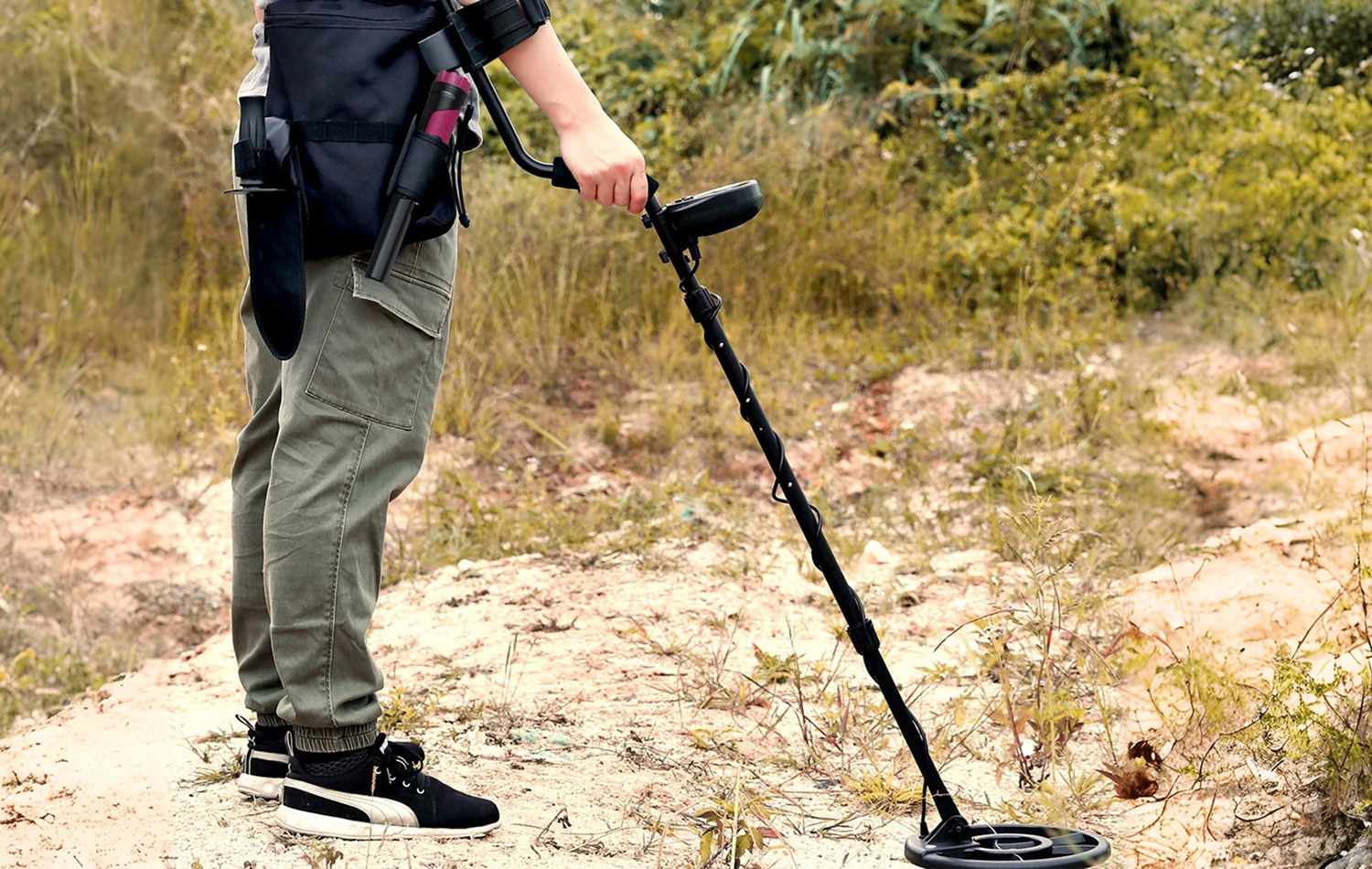
This is probably the second most important piece of equipment after your detector. When your main detector signals a target, it tells you it's there, but not exactly where. A pinpointer is a small, handheld device that you stick into the plug of dirt you've dug up. It gives you a very localized signal, helping you pinpoint the exact location of your target. Trust me, it will save you a ton of time digging and frustration.
Imagine digging a plug of dirt and then sifting through it like a mad scientist. Tedious, right? A pinpointer is like having a tiny, super-precise metal detector that tells you, "It's in THIS little clump right here!" You can get decent pinpointers for around $30-$50. Totally worth it.

Digging Tools
You're going to need something to dig with! For most beginner detecting in parks and grassy areas, a good handheld trowel or a digging shovel designed for metal detecting is perfect. Look for something sturdy that won't bend or break on you. Many detectors come with these as part of a package, or you can pick them up separately.
For beaches, you might want something a bit different, like a sifting scoop. Again, think about where you'll be detecting. You don't want to be trying to dig up a coin in a manicured park with a giant beach shovel, and vice-versa.
Headphones
This is an optional but highly recommended accessory. Using headphones helps you hear those faint signals that you might otherwise miss, especially in noisy environments. They also help preserve your hearing (and the sanity of anyone around you). Many detectors have a headphone jack, so make sure yours does if you plan on using them.
Tips for Your First Outing
You've got the gear, you're ready to go! Here are a few quick tips for your very first metal detecting adventure:
- Read your manual! I know, I know, who reads manuals? But seriously, it’ll save you a lot of guesswork.
- Start in a familiar area. Your backyard, a local park you know well. This way, you can focus on learning your detector without worrying about getting lost or navigating unfamiliar terrain.
- Practice discrimination. Learn what different tones and target IDs sound like for different metals. You can do this by burying a few coins and pull tabs in your backyard and practicing finding them.
- Be patient. You won't find gold doubloons on your first try. Enjoy the process, learn from each find (or non-find!), and celebrate the small victories.
- Be ethical and responsible. Fill your holes! Respect private property. Check local laws about metal detecting. Leave places cleaner than you found them. This hobby relies on us being good stewards of the land.
So, there you have it. A good metal detector for beginners isn't about having the most expensive, feature-packed machine. It's about finding a device that is easy to use, comfortable to operate, and won't break the bank, allowing you to focus on the joy of discovery. Whether you're hoping to unearth old coins, lost jewelry, or just a really interesting piece of history (or even just a really old bottle cap!), the right beginner detector is your first step into an exciting new world.
Now go out there, swing that coil, and happy hunting! And hey, if you find any pirate treasure, you know who to call for advice on how to spend it. 😉