
What Is A Steel Structure

So, you're curious about what exactly a steel structure is, huh? Like, what’s the big deal? Isn't it just… metal bits stuck together? Well, yeah, kinda! But it’s way more than that, friend. Think of it as the superhero of building materials. Seriously.
Imagine building something, anything, without gravity constantly trying to pull it all down. Wild, right? That's where steel structures come in. They're like the ultimate backbone for pretty much anything we build nowadays. From that skyscraper you see on your commute (you know, the one that pokes the clouds?) to the humble little garage in your backyard (or maybe it’s a mansion, no judgment!), steel is probably involved. It’s everywhere!
Let’s break it down. What is steel? It’s basically iron, but with a little sprinkle of carbon added in. Just enough to make it super strong and, well, steel-y. And when we’re talking about steel structures, we’re talking about taking these strong steel bits and fashioning them into something… structural. Duh.
So, what kind of bits are we talking about? We're not just hammering together random scraps. Nope. These are specially shaped pieces. Think of things like I-beams. They look like… well, an ‘I’, but a very, very sturdy one. These are your workhorses. They’re amazing at taking loads, like the weight of a roof, or a bunch of people having a party on the tenth floor. They just shrug it off. Like, “Is that all you got?”
Then you have H-beams. Even more robust! And channels, and angles, and hollow sections. It’s like a whole alphabet of strength, all designed to do a specific job. Each shape is engineered for a reason, to carry weight, resist bending, and generally keep everything from falling into a sad, crumpled heap. Isn't that kinda cool?
Why steel, though? Why not just use, I don't know, really big rocks? Or maybe, like, giant Jenga blocks? Well, let’s just say steel has some serious advantages. For starters, it’s ridiculously strong. I mean, we’re talking about being able to hold up a ton of weight without even breaking a sweat. This means we can build taller, build wider, and build things that just wouldn’t be possible with other materials. Imagine trying to build a bridge out of, say, spaghetti. Yeah, not gonna happen. But steel? It laughs in the face of load.
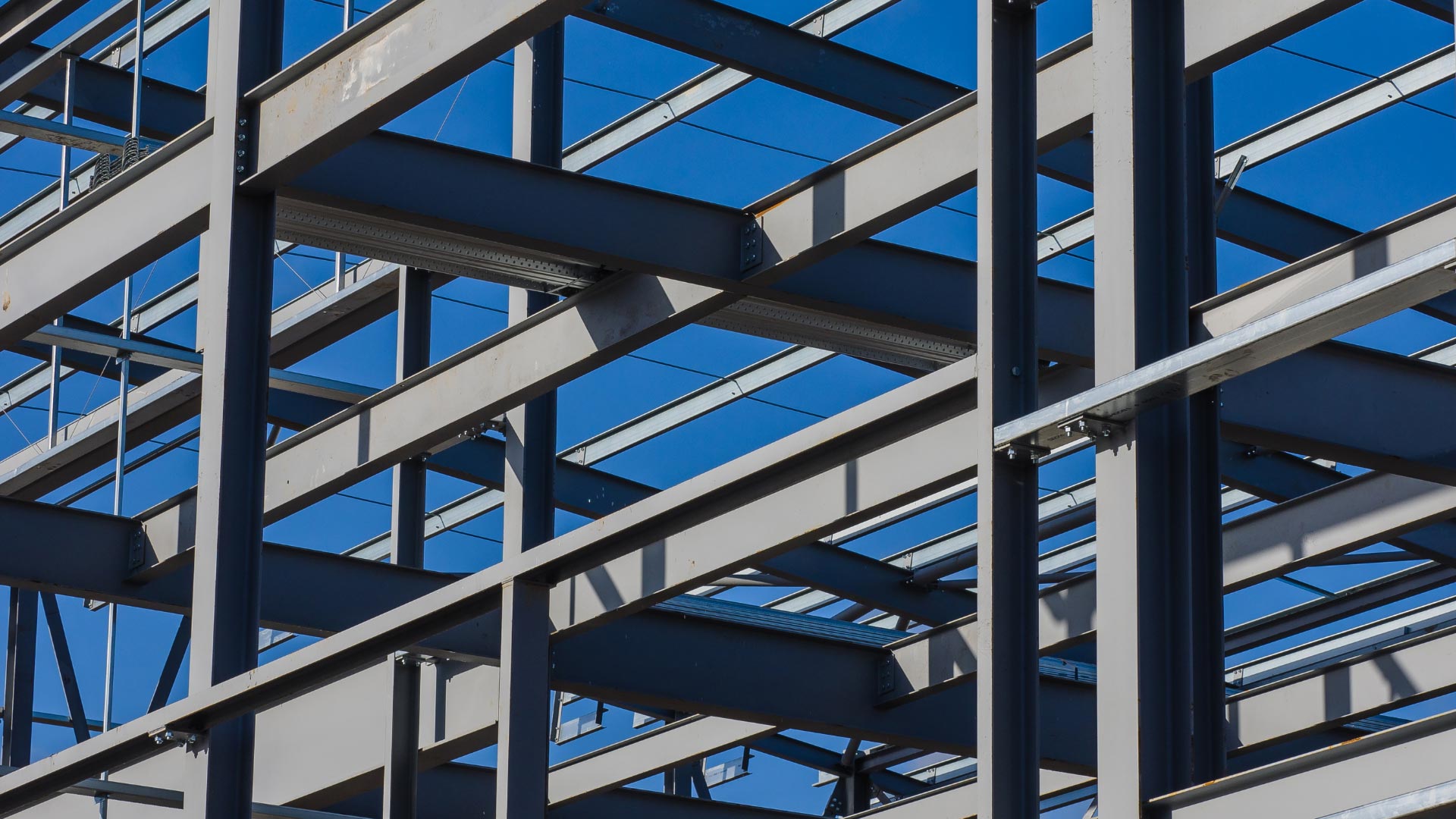
And it’s not just about raw strength. Steel is also pretty lightweight for how strong it is. Think about it. You can lift a steel beam (with a crane, obviously, unless you're a Marvel superhero), and it’s manageable. Compare that to, say, a giant concrete block of the same strength. Much heavier, much more difficult to move. This means less heavy lifting, faster construction, and, you know, happier construction workers. Win-win-win.
Another big one? Durability. Steel structures can last for ages. Like, ages. We’re talking decades, even centuries, with proper care. They’re not going to rot like wood, or crumble like old bricks. They’re tough cookies. They can handle the elements, too. Wind? Rain? Snow? Steel just kinda says, “Bring it on!” Of course, we do need to protect them from rust, but that’s a small price to pay for such longevity. It's like they're built for the long haul. And in the world of construction, that's a huge deal.
Think about all the crazy places we build things now. Over water? No problem. On tricky terrain? We got this. Steel structures are so versatile, you can pretty much design them to fit any situation. They’re like the chameleon of building materials, adapting to whatever environment you throw at them.
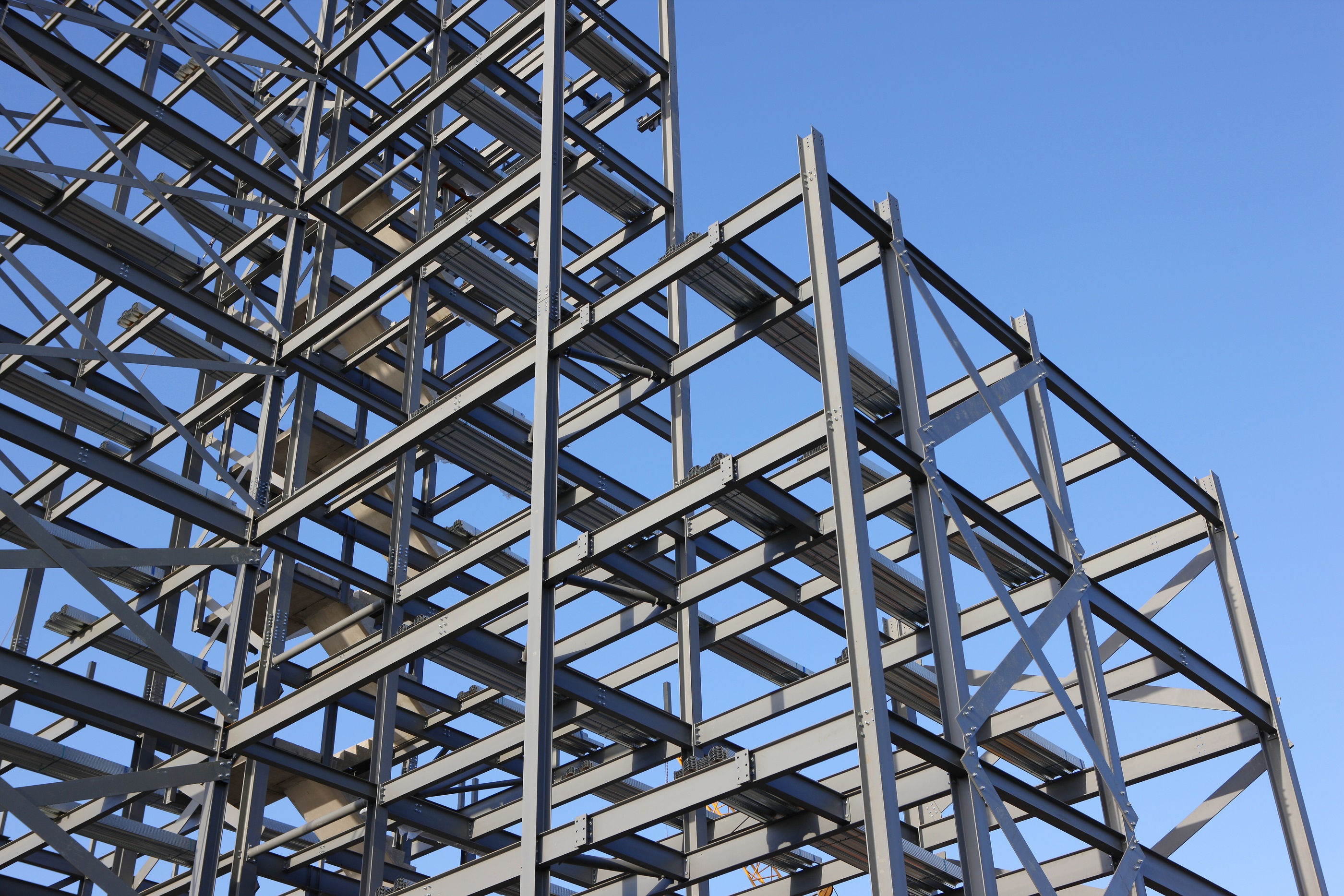
And the speed! Oh, the speed! Building with steel is generally much, much faster than traditional methods. Why? Because a lot of the steel components are prefabricated off-site. That means they're made in a factory, under controlled conditions, and then they’re delivered to the building site ready to be assembled. It’s like a giant, highly organized LEGO set. Snap, click, done! Well, maybe not that simple, but you get the idea. This speeds up the whole process, meaning you get your new building, or your new bridge, or whatever it is, a lot sooner. Who doesn’t love getting things done faster?
Let’s talk about flexibility, too. Steel structures are incredibly adaptable. Need to add another floor? No problem! Want to change the layout? Easier than you think! Because steel is so strong and can be precisely engineered, it's much easier to modify or extend a steel structure later on. It’s not a rigid, set-in-stone situation. It’s more like, “Hey, let’s build this, and then maybe in 10 years we’ll add a balcony.” And the structure is like, “Sure, sounds good!”
Now, I know what you might be thinking. "But what about fire?" That's a totally valid question, and a good one! Steel can lose some of its strength when it gets super, super hot. But here’s the thing: engineers know this. And they have ways to protect it. We’re talking about fire-resistant coatings, concrete encasement, and clever design. So, while steel itself isn't fireproof, the structures built with it can be made incredibly safe in case of a fire. It’s all about smart engineering and knowing your materials.
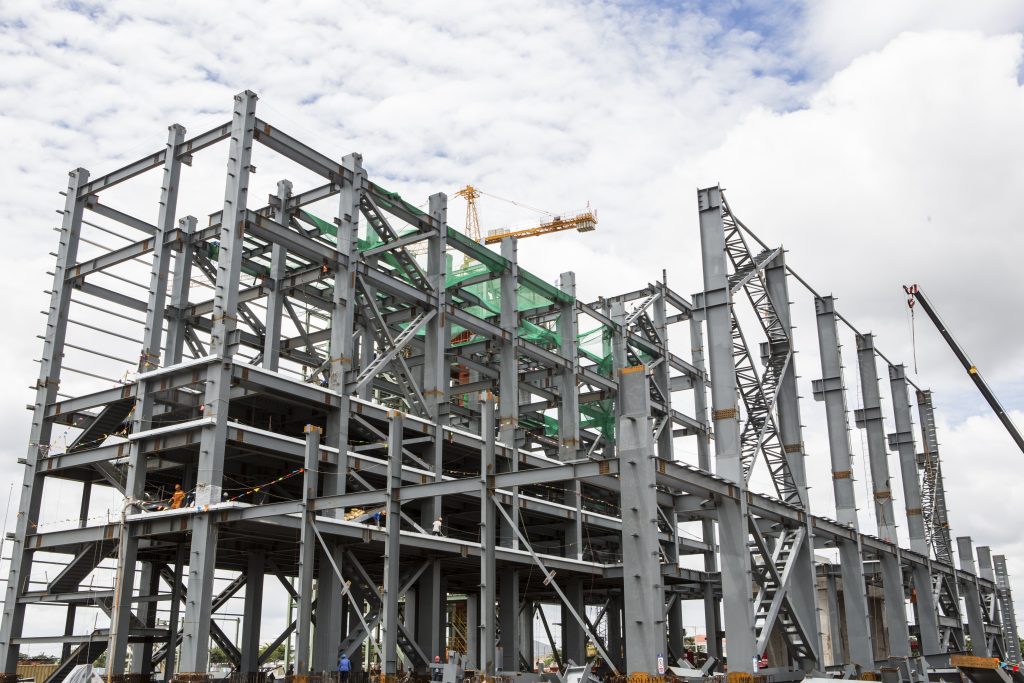
So, how are these steel structures actually put together? It’s not just randomly welding bits together, although welding is often involved. It’s more systematic. You’ve got your foundations, which are usually concrete, anchoring everything down. Then you have your columns (the vertical bits) and beams (the horizontal bits). These are connected with clever things called connections. These can be bolted, welded, or a combination of both. It’s like a complex dance of precision and strength, all choreographed to hold up whatever we decide to put on top.
Think about bridges. Those magnificent spans that connect us all. Many of them are steel structures. They need to be incredibly strong to handle the weight of cars, trucks, and even trains, and they need to withstand wind and weather. Steel is perfect for this. It can be shaped into all sorts of complex forms to create those elegant arches and sturdy supports. Without steel, some of the most iconic bridges in the world simply wouldn’t exist.
And what about those massive industrial buildings? Warehouses, factories, aircraft hangars. They often have vast open spaces inside, with no need for lots of internal walls. Steel structures are brilliant for this. They can span huge distances, creating enormous, uninterrupted areas. This is super important for efficient operations in many industries. Imagine trying to park a plane inside a building made of, I don't know, papier-mâché. Not ideal.
Even in our homes, steel is making more of an appearance. You might have steel beams in your roof, or steel framing in some modern construction. It’s not just for the giants anymore. It's becoming more accessible and offers some fantastic benefits, even for smaller projects. It’s like steel is slowly but surely taking over the world, in the best possible way!
The beauty of a steel structure is that it's often designed using sophisticated computer software. Engineers can simulate all sorts of scenarios – how much wind will it face? How much snow? What about earthquakes? The software can predict how the steel will react, allowing them to fine-tune the design for maximum safety and efficiency. It’s pretty high-tech stuff, making sure your building is not just strong, but smart-strong.
And let’s not forget the environmental aspect. Steel is actually a very sustainable material. It can be recycled over and over again without losing its quality. Think about all the old cars, old buildings, old train tracks. A lot of that steel can be melted down and turned into brand new steel for new structures. It’s like a circular economy for building materials. How cool is that? Instead of creating endless waste, we're reusing and reinventing. Good for the planet, good for our buildings.
So, next time you’re looking up at a tall building, or driving over a bridge, take a moment to appreciate the unsung hero: the steel structure. It’s the strong, silent type, the backbone that holds our modern world together. It’s engineered with precision, built for durability, and surprisingly adaptable. It’s not just metal; it’s the foundation of our progress. Pretty impressive for just a bit of iron and carbon, wouldn’t you say?
It’s the reason we can build so high, so wide, and so efficiently. It’s the reason our cities can grow and our infrastructure can connect us. It’s the quiet strength that supports everything. So, yeah, a steel structure is way more than just metal bits. It’s a marvel of engineering, a testament to human ingenuity, and frankly, a pretty awesome way to build things. And now you know! Cheers to steel!