
What Is Aluminum's Oxidation Number
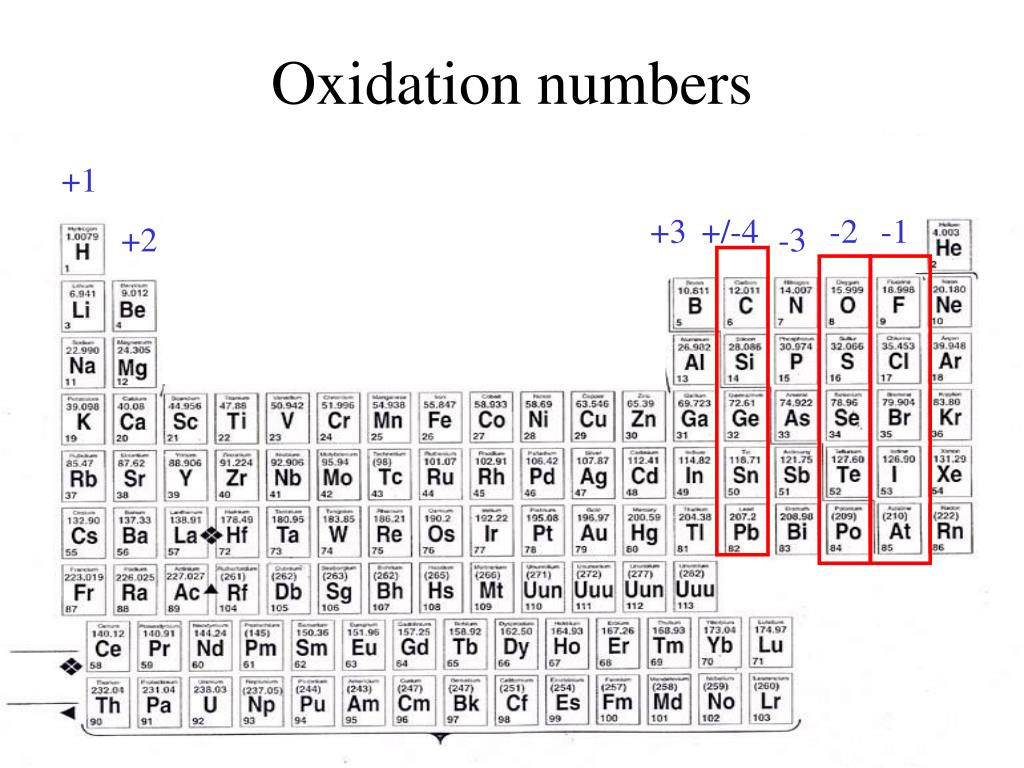
Ever wondered why that shiny new aluminum foil tarnishes over time? Or why aluminum cookware is so popular? It all boils down to a little concept in chemistry called the oxidation number! Now, don't let the word "chemistry" scare you. Think of it less like a tough exam and more like a fun puzzle piece that helps us understand how the world around us works. Aluminum's oxidation number is a surprisingly handy piece of information, and understanding it can make you a little more curious about the materials you interact with every day. It's like unlocking a secret code for how certain elements behave!
So, what exactly is this oxidation number thing? In simple terms, it's a way chemists represent how many electrons an atom has gained or lost when it forms a chemical bond. For aluminum (Al), this number is almost always +3. This means that an aluminum atom loves to give away three of its electrons to other atoms when it reacts. This is a core characteristic of aluminum, and it's why it's so good at forming certain kinds of compounds and why it reacts the way it does with things like oxygen.
Why should you care about aluminum's +3 oxidation number? Well, for beginners, it's a fantastic starting point for understanding basic chemical interactions. It’s a consistent, predictable behavior that’s easy to grasp. For families, imagine explaining to your kids why aluminum cans don't rust like iron. It’s because aluminum forms a protective coating when it reacts with oxygen, thanks to that +3 oxidation number! This makes it a great material for things that need to last. Hobbyists, especially those into metalworking or even just understanding how materials behave, can use this knowledge to predict how aluminum will react in different environments or with different substances. It's about being a more informed creator!
Let's look at some examples. When aluminum reacts with oxygen (O), which usually has an oxidation number of -2, two aluminum atoms (2 x +3 = +6) combine with three oxygen atoms (3 x -2 = -6) to form aluminum oxide (Al₂O₃). This is what creates that dull, protective layer on aluminum. It’s a natural process, and that oxide layer is actually quite useful! It prevents the aluminum from further corrosion. Another variation you might see is in aluminum salts, like aluminum chloride (AlCl₃), where aluminum is still happily at its +3 oxidation state, and chlorine (Cl) is at -1.
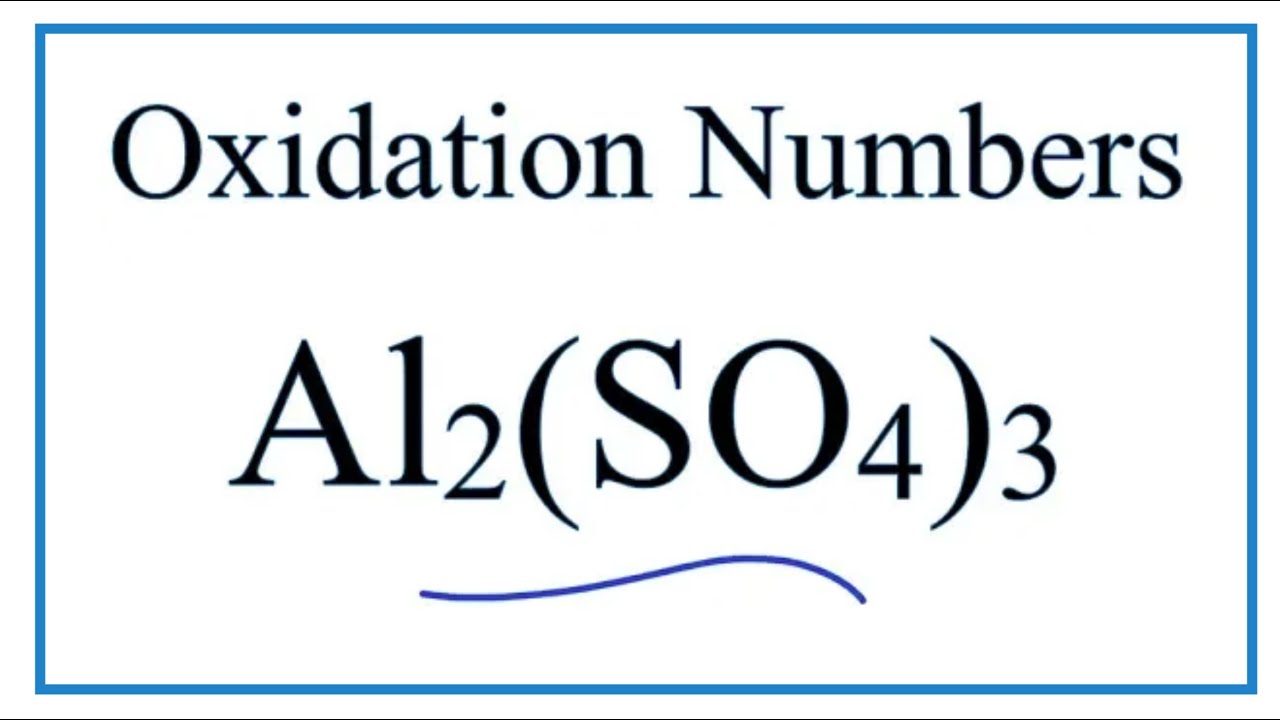
Getting started with understanding oxidation numbers is simpler than you might think. Start small! Look around your kitchen. Notice your aluminum foil, your pots, and pans. Think about the metal railings on your porch or the frame of your bike. These are all common places to find aluminum. You can even do a simple search online for "common oxidation numbers" to see a handy chart. The key is to connect the abstract idea to the tangible things you see every day. Don't be afraid to ask "why?"!
In the end, understanding aluminum's oxidation number isn't just about memorizing a number. It's about appreciating the fundamental properties of a material that's all around us. It adds a layer of understanding and even a bit of wonder to the everyday. So, the next time you see that familiar shiny metal, you'll know a little secret about how it behaves – all thanks to its constant, reliable +3 personality!