
What Is Best Gauge For Stainless Steel Sink

Thinking about a new kitchen sink might not sound like the most exciting topic, but trust us, it's actually a
So, what's this "gauge" all about? Think of it like the thickness of the steel. The lower the gauge number, the thicker and more robust the stainless steel. This is super important for different folks in the kitchen!
For the beginner just setting up their first kitchen, a slightly thicker gauge (say, 18 or even 16) means your sink will feel more solid and less prone to dings and scratches from, let's be honest, the occasional dropped pot. It’s about building a kitchen that’s easy to live with and forgiving of minor mishaps.
If you're part of a busy family, durability is key! You’re likely dealing with lots of dishes, kids’ sticky fingers, and maybe even the occasional overflow. A thicker gauge (definitely 18 or 16) will hold up better to the constant use and abuse. It’s less likely to dent or warp over time, meaning fewer worries and more time enjoying family meals.
And for the hobbyist chef or baker who spends hours in the kitchen, a high-quality, thicker gauge sink (16 gauge is often considered the sweet spot for professional kitchens) offers a superior experience. It’s quieter because thicker steel absorbs more sound, meaning you won’t hear that loud clatter every time you put a pot down. Plus, it’s incredibly resistant to scratches, keeping your sink looking sleek even after intense culinary sessions.
You’ll commonly see stainless steel sinks in gauges like 20, 18, and 16. 20 gauge is usually the thinnest and most budget-friendly, good for lighter use. 18 gauge is a fantastic all-rounder, offering a great balance of durability and affordability. And 16 gauge? That’s the premium choice for those who want the absolute best in toughness and sound dampening. Some might even find sinks as thin as 22 gauge, but these are generally not recommended for a main kitchen sink due to their fragility.
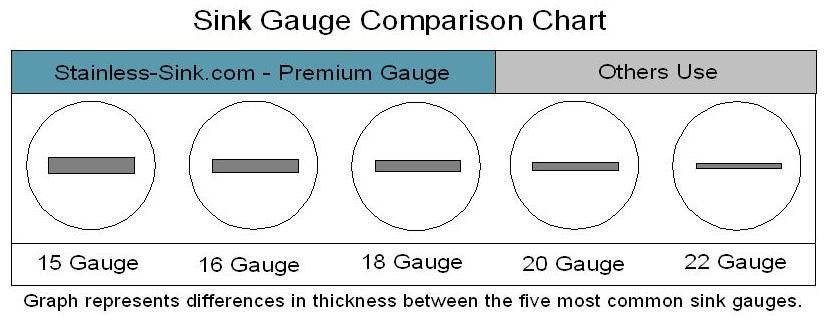
Getting started is easy! When you’re browsing for a new sink, simply look for the gauge number. Most product descriptions will clearly state it. If you’re unsure, don’t hesitate to ask the salesperson or check the manufacturer's specifications online. Aim for 18 gauge or thicker for a sink that will serve you well for years to come. If your budget allows, leaning towards 16 gauge is a super smart investment.
Choosing the right gauge for your stainless steel sink is a simple step that brings a lot of value and enjoyment to your kitchen. It's about creating a space that's not only beautiful but also practical and resilient for all your daily adventures.