
What Is Brass Metal Made Of

So, I was rummaging through my grandpa’s old toolbox the other day, you know, the kind that smells faintly of oil and forgotten dreams. It’s a treasure trove, honestly. I found a dusty old trumpet, a ridiculously ornate doorknob, and a bunch of those weird, hexagonal bolts that probably held together something incredibly important. The thing that struck me, though, was the color. That beautiful, warm, almost buttery glow. I mean, it’s just… rich, isn’t it? It’s not quite gold, not quite silver. It’s something else entirely. And it got me thinking: what is this stuff? What makes brass, well, brass?
It’s funny, isn't it? We see brass everywhere. From musical instruments that fill our ears with joy (or sometimes, if you’re unlucky, a rather questionable rendition of “Twinkle Twinkle Little Star”) to decorative bits and bobs that make a room feel… fancy. And yet, for most of us, its composition is a bit of a mystery. A bit like trying to figure out how your Wi-Fi actually works. You just assume it does.
But unlike Wi-Fi, brass is actually pretty straightforward once you peel back the layers. It’s not some magical, naturally occurring element like gold or silver. Nope, it’s actually a bit of a team player. A proper alloy, as the fancy science folk call it. And the main players in this particular team? They’re two of the most well-known metals on the planet.
The Dynamic Duo: Copper and Zinc
Drumroll, please! The primary ingredients that make up brass are, you guessed it, copper and zinc. That’s it! No mysterious meteoric dust or unicorn tears involved, sadly. Just good old copper and its slightly more reactive buddy, zinc.
Think of it like baking a cake. You need flour, sugar, eggs, butter. You can’t just have flour and expect a cake, right? Same principle applies here. You need copper, and you need zinc, mixed together in specific proportions to achieve that characteristic brassy goodness.
The exact percentage of copper and zinc can vary quite a bit, and that’s where things get really interesting. It’s like a chef tweaking their secret recipe. A little more of this, a little less of that, and suddenly you have a completely different flavor… or in this case, a different set of properties.
Copper: The Backbone of Brass
Copper is the undisputed star of the show. It typically makes up the largest chunk of the brass pie, usually ranging from around 55% to over 90%. Yeah, that’s a pretty wide range, I know. We’ll get to why that matters in a sec.
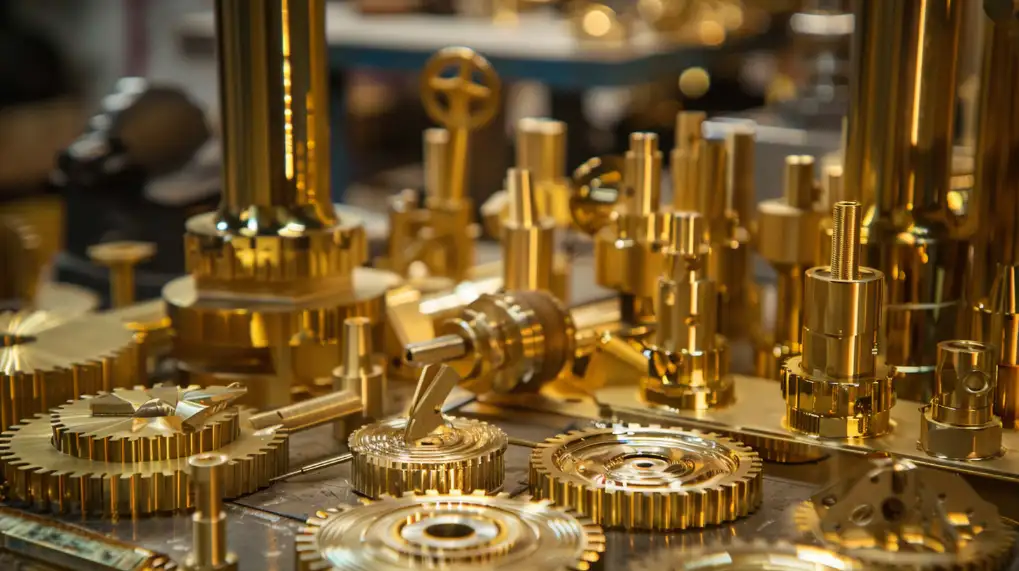
Copper itself is a fantastic metal. It’s known for its excellent conductivity – both electrical and thermal. That’s why you see copper wiring in pretty much everything electronic. It's also got that lovely reddish-brown hue that, when mixed with zinc, mellows out into that iconic brassy color.
But copper on its own can be a bit… soft. And it can also be prone to tarnishing, that greenish patina that some people love, but others find a bit of a nuisance. Enter zinc, the supporting actor who really makes the whole performance shine.
Zinc: The Enhancer
Zinc is the other half of the equation, usually making up the remaining percentage, from about 10% to 45%. It’s a crucial ingredient that significantly alters the properties of copper.
What does zinc do, you ask? Well, for starters, it makes the brass harder and stronger than pure copper. It also increases its ductility, which is a fancy word for how easily a metal can be stretched or drawn into wires. So, even though it's harder, it's still workable.
Zinc also plays a role in the color. More zinc generally means a lighter, more yellowish color for the brass. Less zinc and a higher copper content will result in a deeper, redder tone.
The Magic of Proportions: Why Different Brass is Different
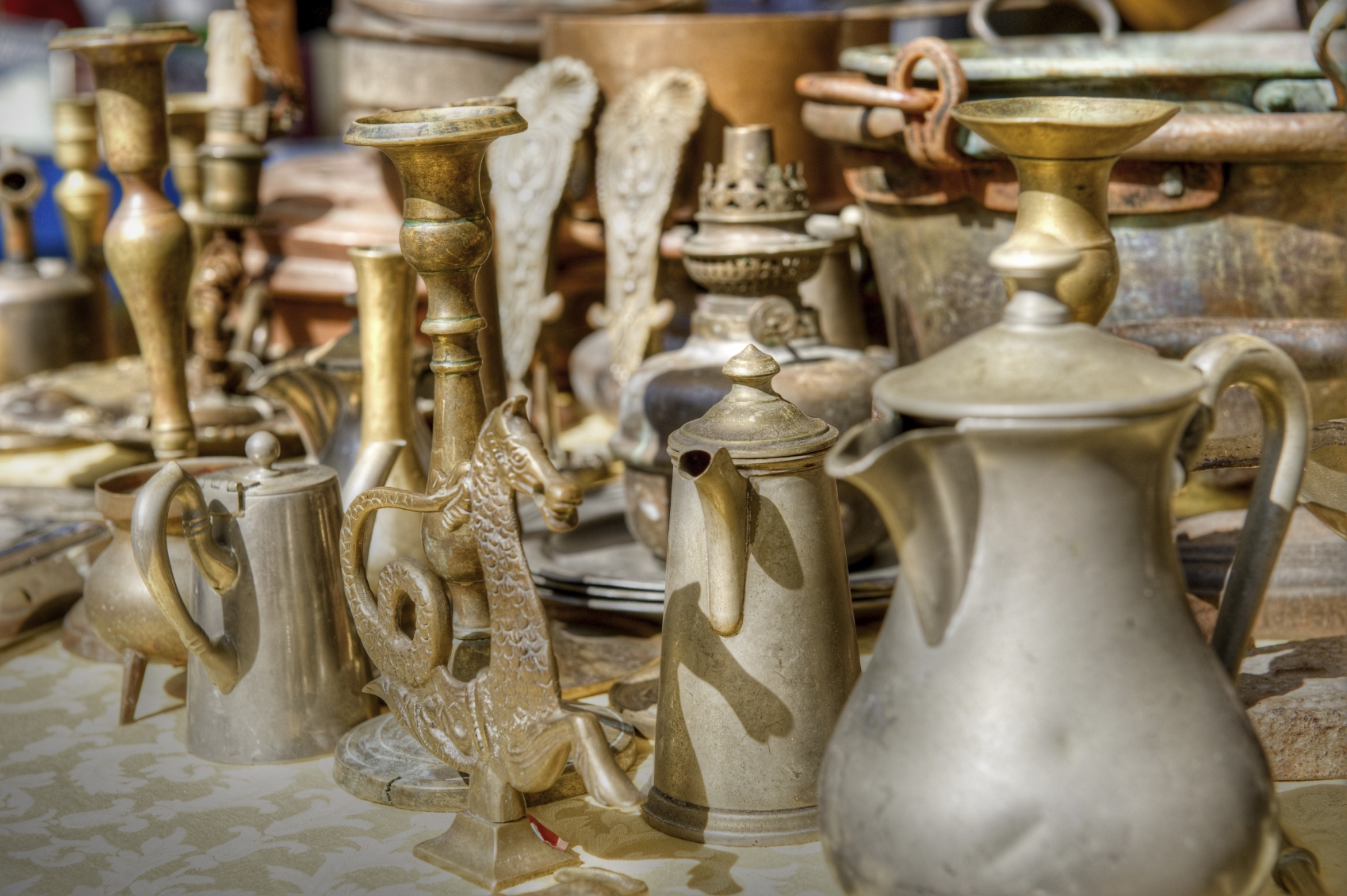
This is where the real fun begins, my friends. Because depending on the exact ratio of copper to zinc, you get different types of brass, each with its own unique set of characteristics. It’s like having a whole family of brass, each with its own personality. Pretty neat, right?
Common Brass Alloys (and what they’re good for)
You’ll often hear different names thrown around when people talk about brass. These usually refer to the specific alloy composition.
Cartridge Brass (70% Copper, 30% Zinc)
This is probably one of the most common types you’ll encounter. It's got a great balance of strength, ductility, and corrosion resistance. Because it’s so ductile, it can be easily formed into complex shapes. Think about bullets – they need to be precisely shaped, right? This is where cartridge brass shines. It's also used for things like flexible metal hoses and musical instruments. You know, the really good ones!
Red Brass (85% Copper, 15% Zinc)
As you can probably guess from the name, this alloy has a more pronounced reddish hue because of the higher copper content. It's also known for its excellent corrosion resistance, making it a popular choice for plumbing fixtures, pipes, and decorative applications where it won't be subjected to harsh environments. It’s got a certain elegance to it, don’t you think?
Muntz Metal (60% Copper, 40% Zinc)
This alloy is a bit different. It’s significantly harder and stronger, but it’s also less ductile. It’s got a more yellowish color and is often used in marine applications, like ship hulls and propellers, because of its good corrosion resistance in saltwater. It’s a tough cookie, this one.
Naval Brass (60% Copper, 39% Zinc, 1% Tin)
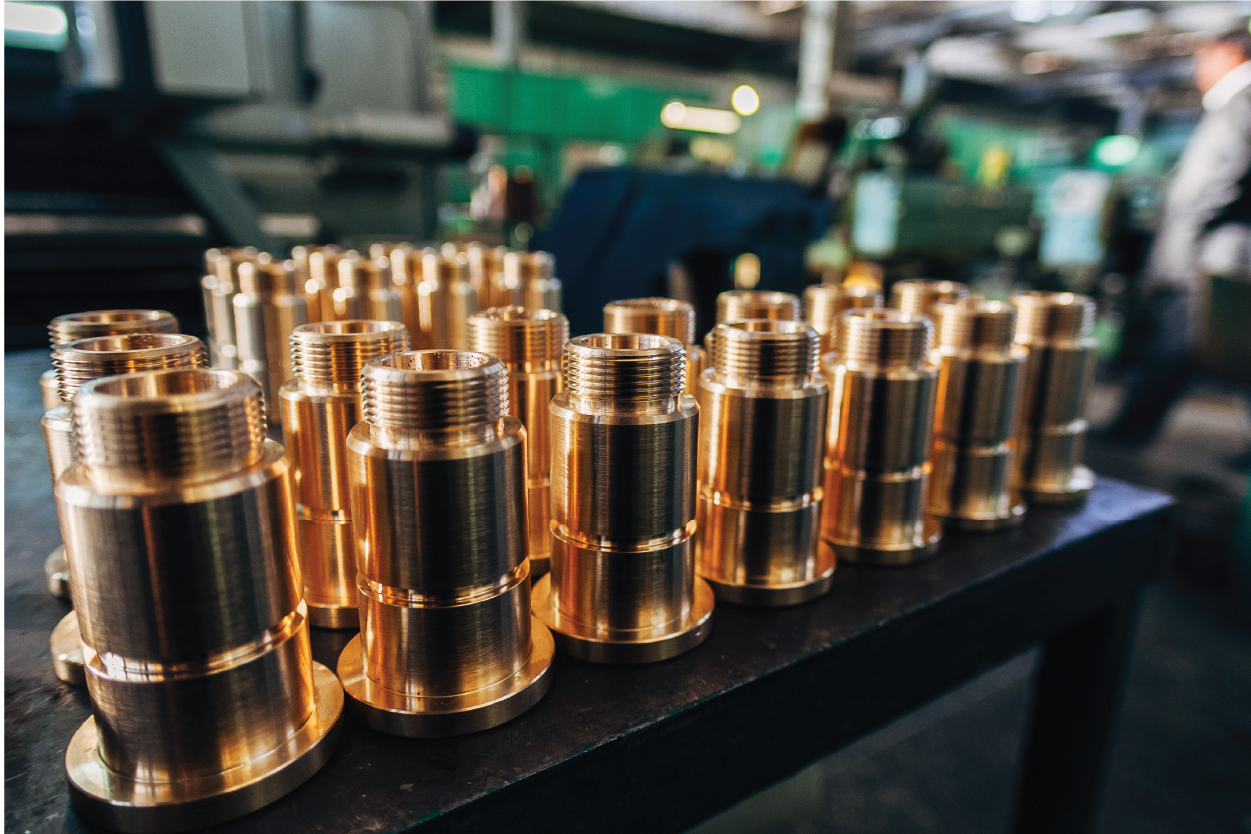
Ah, a little twist! See that 1% tin? It might seem insignificant, but that little bit of tin makes a big difference. It significantly improves the corrosion resistance, especially in saltwater. That’s why it’s called naval brass. It’s incredibly durable and finds its way into boat fittings, propeller shafts, and other harsh marine environments. A true survivor!
Beyond the Basics: Other Additions to the Brass Mix
While copper and zinc are the foundational elements, sometimes other metals are added in small amounts to further enhance specific properties. These additions can give brass even more specialized capabilities. It’s like adding a secret ingredient to your recipe that nobody can quite identify, but it just makes it taste better.
Lead: The Machining Enhancer
You might see lead listed as an additive in some brass formulations, particularly those designed for machining. Now, before you go all "ew, lead!", it’s important to understand why it's added. Small amounts of lead (typically 1-3%) are added to brass to make it much easier to cut, drill, and shape. It essentially breaks up the long, stringy chips that would otherwise form, making the machining process smoother and faster. This is why brass used for things like faucets, valves, and intricate hardware often contains a bit of lead. However, due to health and environmental concerns, there’s a growing trend towards lead-free brass alternatives, especially for plumbing applications.
Tin: The Corrosion Fighter
We briefly touched on tin with naval brass. Adding small amounts of tin to brass (around 0.5% to 1.5%) can significantly improve its resistance to corrosion, especially in saltwater. This is why alloys like naval brass are so important for marine applications. The tin acts as a sort of protective shield, making the brass more robust against the elements. It's a small addition with a big impact!
Aluminum: The Strength Booster
Adding aluminum to brass can increase its strength and hardness, as well as its resistance to corrosion. This type of brass, often called aluminum brass, is used in more demanding applications like heat exchangers and condenser tubes where durability is key. It’s like giving the brass a little extra muscle.
Manganese: The Hardness and Strength Champion
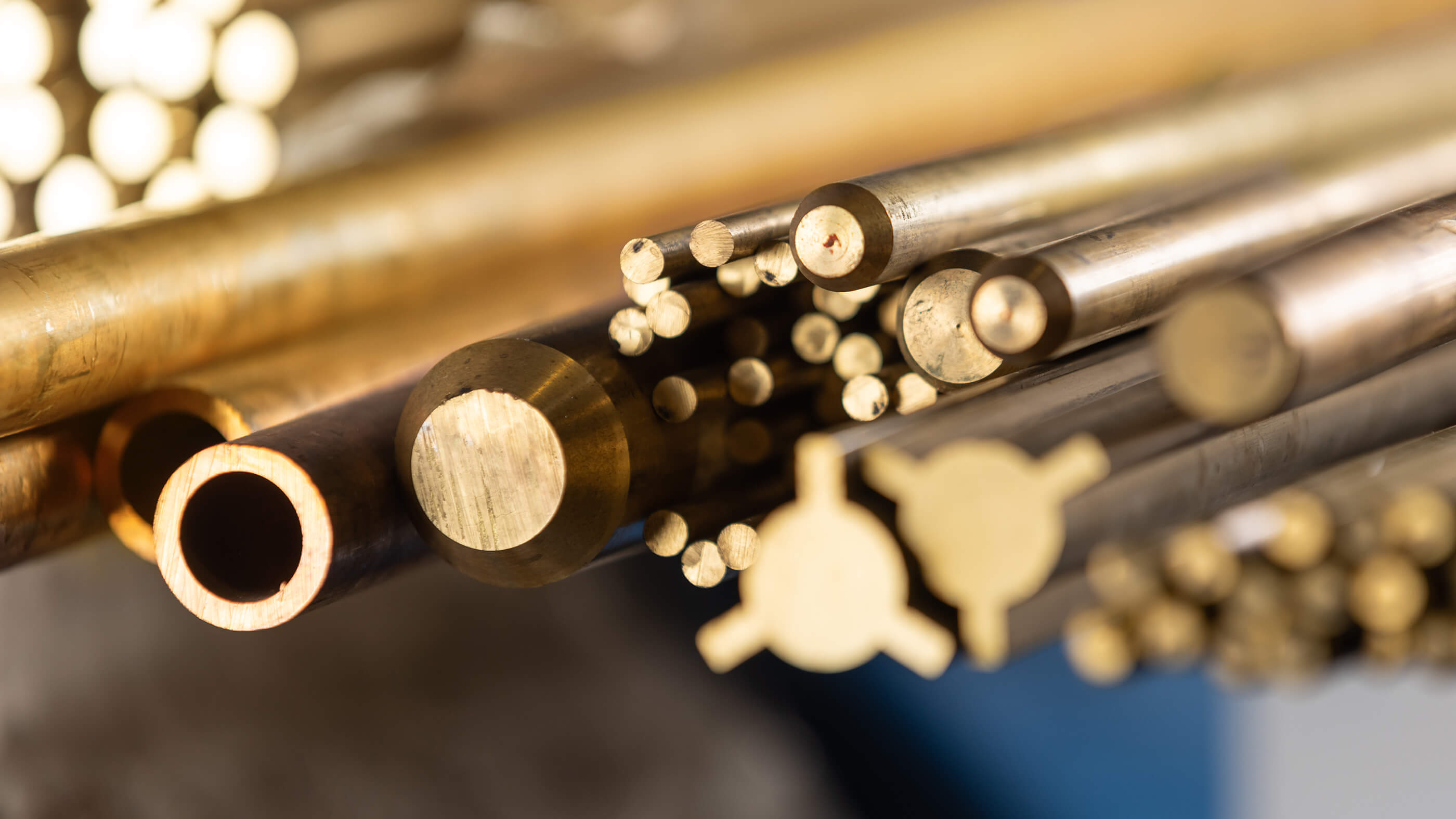
Manganese is another element that can be added to brass to boost its strength and hardness even further. Manganese brass, sometimes referred to as high-strength brass, is used in applications requiring exceptional durability, like gears and structural components.
Why Does It Matter? The Practicality of Brass
So, we’ve established that brass is a team effort between copper and zinc, with a few optional players to spice things up. But why is this important? Why do we care what’s in our metal? Well, it all comes down to its incredible versatility and the specific properties that different brass alloys offer.
Think about it: the warm, inviting color makes it aesthetically pleasing for decorative items. Its inherent strength and durability make it suitable for functional hardware. Its ease of machining allows for intricate designs and precise manufacturing. And its relatively good corrosion resistance makes it a reliable choice for many applications, from your kitchen faucet to the valves on a ship.
It’s a metal that’s been around for centuries, and for good reason. It’s a testament to the ingenuity of early metallurgists who discovered that by combining elements, they could create something even better than its individual parts. It’s a true marvel of material science, even if we don’t always stop to think about it.
Next time you see a shiny brass doorknob, hear a brass instrument’s melody, or even just notice the brass fittings on your boat, you’ll have a little more appreciation for the humble but mighty mixture of copper and zinc that makes it all possible. It’s not just metal; it’s a carefully crafted alloy designed for a purpose, a testament to the power of combination. And honestly, that’s pretty cool.