
What Is Cold Formed Steel
Alright, so picture this: you’re at a café, right? Sipping on your overpriced latte, pretending you understand what “artisanal single-origin Ethiopian Yirgacheffe” actually means. And then your buddy, let’s call him Barry, leans in with that glint in his eye that usually precedes him telling you about a new conspiracy theory or a surprisingly compelling argument for why socks with sandals are a misunderstood fashion statement. Today, though, Barry’s got something different. He’s going to tell you about… cold-formed steel.
Now, I know what you’re thinking. “Steel? Cold? Is this some kind of extreme sport for construction workers?” Nope! It’s way cooler. And honestly, Barry’s explanation was so wild, I had to write it down before it mutated into him explaining how pigeons are government surveillance drones. So, gather ‘round, grab another croissant, and let’s dive into this steely, chilly wonder.
The "Cold" Part: It's Not About the Temperature
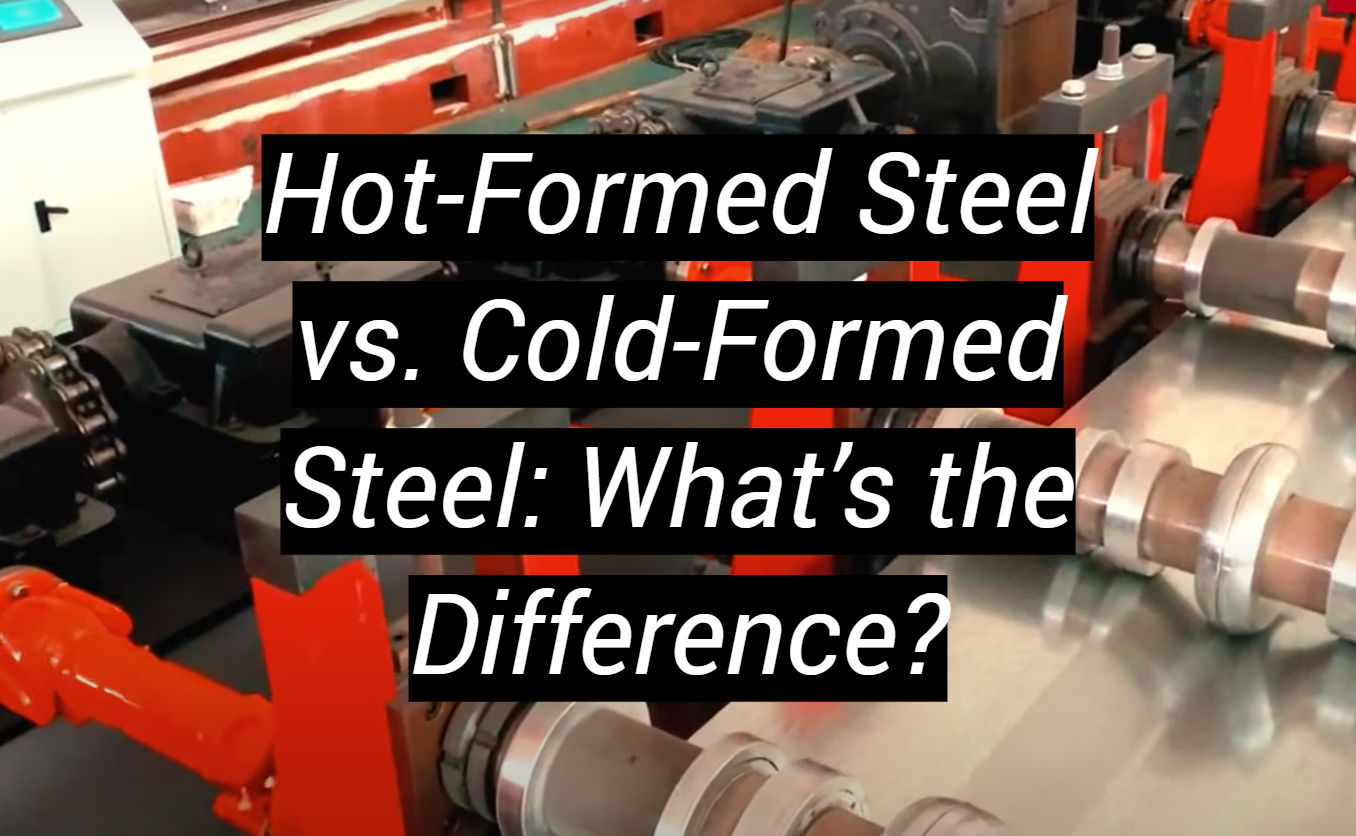
First off, the "cold" in cold-formed steel doesn't mean it's been sitting in the Arctic tundra for a millennium. It’s not like they’re pulling it out of a giant freezer. Barry’s explanation involved a lot of frantic hand gestures, so let me translate. It basically means they’re shaping the steel at, get this, room temperature. Mind. Blown. I mean, my brain already feels like it’s been through a wringer just thinking about this. We’re talking about taking flat sheets or coils of steel and bending, pressing, and rolling them into all sorts of shapes without any of that hot, melty, Indiana Jones-level forge stuff.
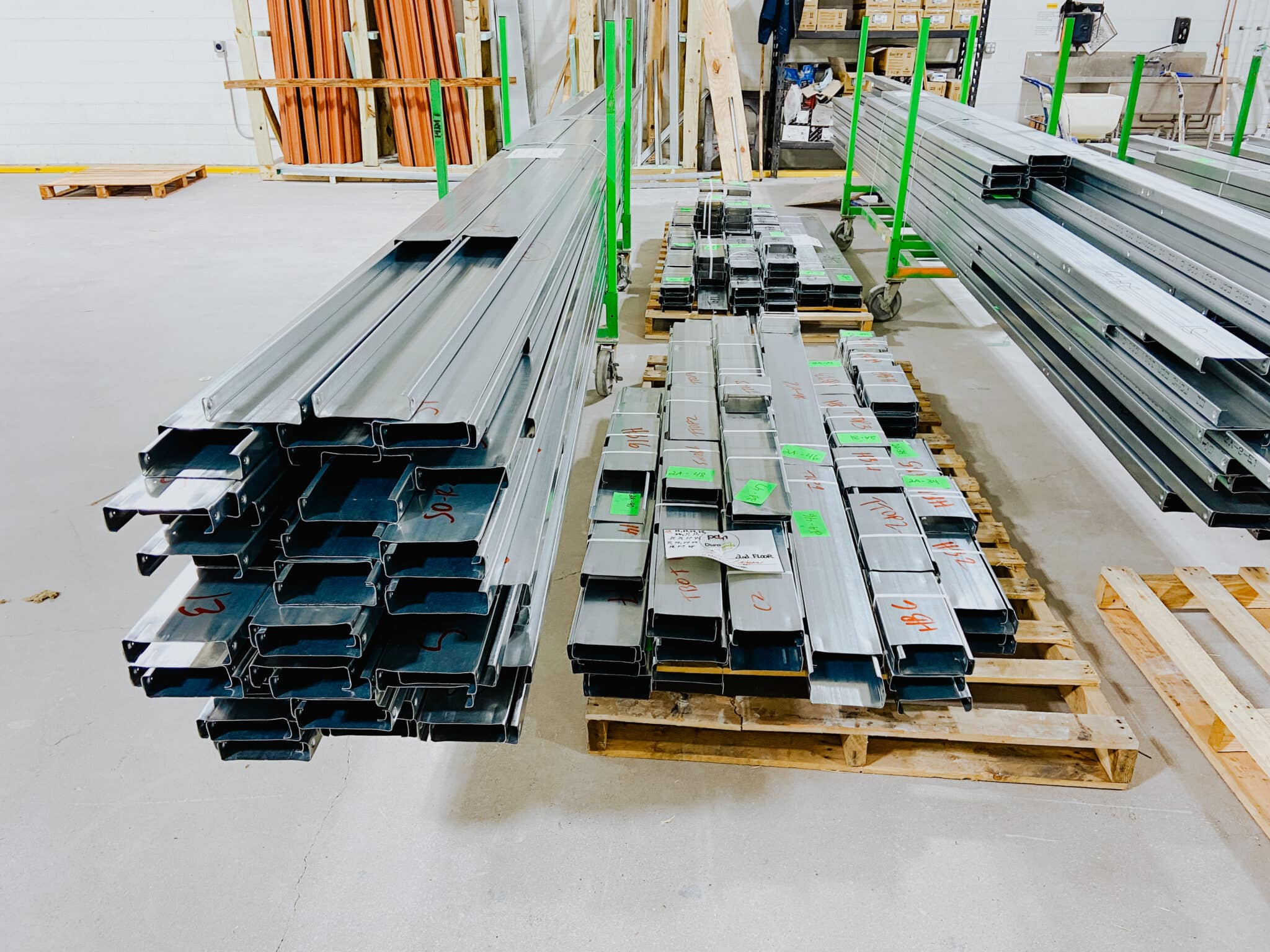
Think of it like this: imagine you have a piece of playdough. You can squish it, roll it, and bend it into whatever you want, right? Cold-formed steel is kind of like super-powered, industrial-grade playdough, but it ends up being ridiculously strong. Barry added that they use these fancy machines that are basically giant, soulless metal shapeshifters. They coax the steel into becoming C-channels, Z-purlins (which, let's be honest, sound like a mystical creature from a forgotten fantasy novel), and all sorts of other architectural gymnastics.
Why Bother Being Cold? The Benefits are Hot!
So, why is this whole “cold” thing such a big deal? Well, it turns out it’s not just some hipster trend in the metal world. There are some seriously good reasons to keep things chill. For starters, Barry pointed out that this process is incredibly precise. When you’re not dealing with the expansion and contraction of super-hot metal, you get shapes that are exactly what you designed. No funky warps or unexpected curves that make your architect have a sudden urge to take up pottery.
And then there’s the strength. This is where Barry got really excited, and honestly, so did I. When you bend steel cold, you actually make it stronger. It’s like giving it a mini-workout. Barry explained it as “work hardening,” which sounds a bit like something a disgruntled gym trainer would yell at you. But in steel terms, it means it can handle more load, more stress, and probably more of Barry’s questionable jokes without giving up. This is why you see it in all sorts of places, from the skeleton of your office building to the shelves in your garage that are probably holding more questionable life choices than actual tools.
Plus, it’s lighter! Imagine trying to build a skyscraper out of lead. Not ideal. Cold-formed steel allows for thinner sections that are still super strong, meaning less material is needed. This translates to cost savings, and let’s be honest, who doesn’t love saving a few bucks? Barry did mention that the energy savings from not heating the steel are also pretty substantial, which is good for the planet. So, it’s practically eco-friendly and budget-friendly. It’s the superhero of building materials!
Surprising Places You’re Already Meeting Cold-Formed Steel
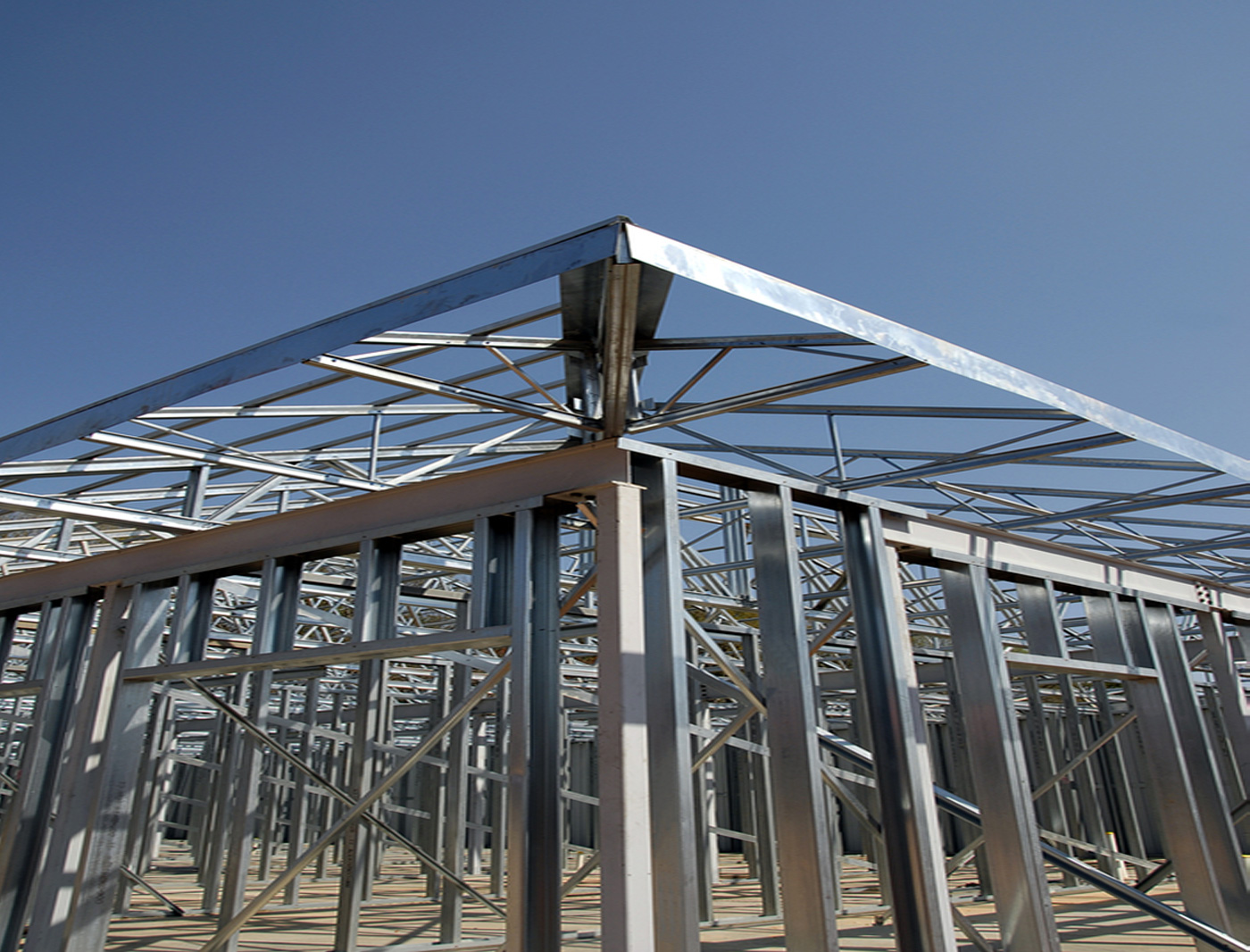
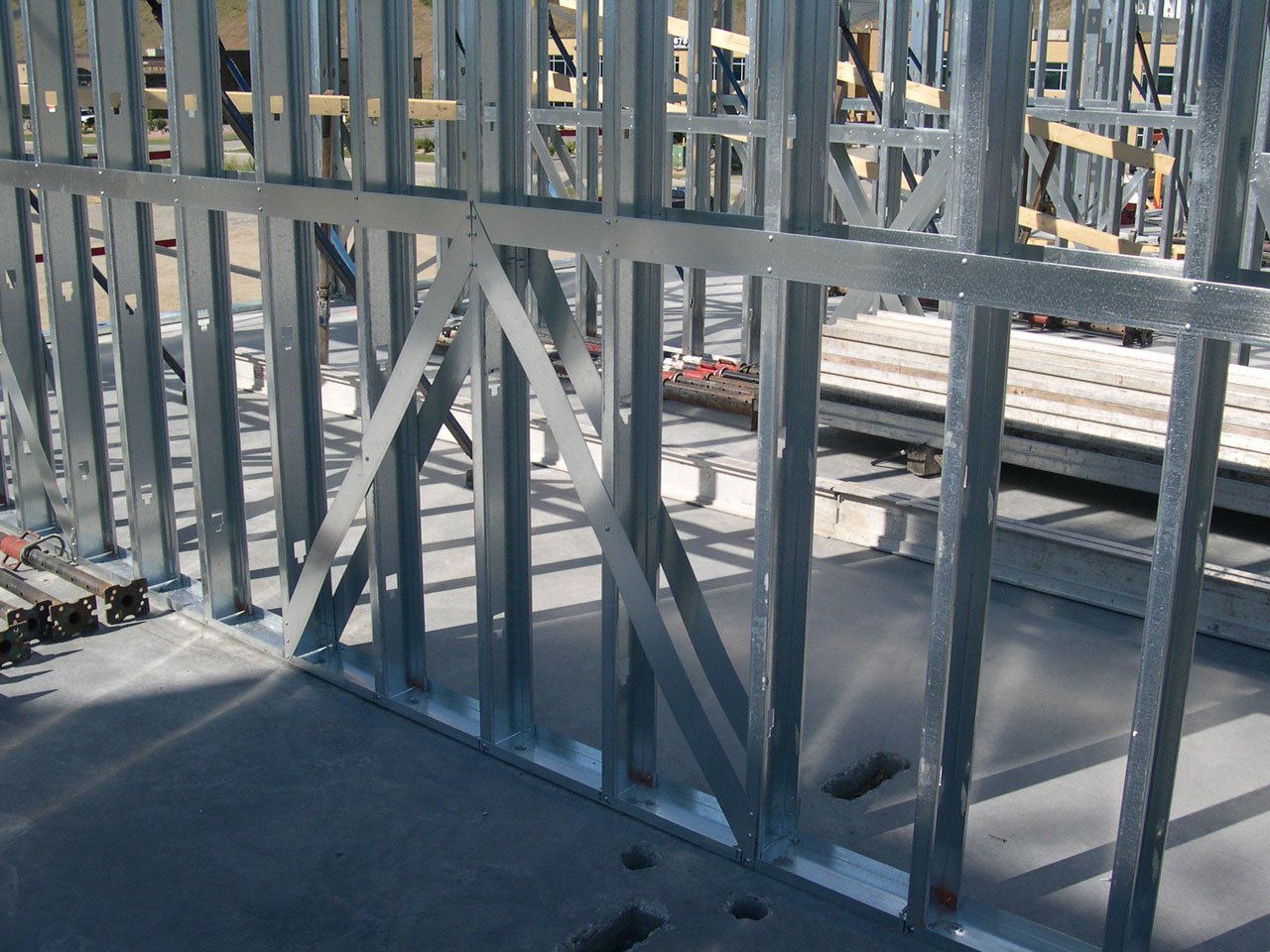
Now, here’s where things get really interesting, and Barry really started to lean into his role as the café oracle. You’d think cold-formed steel is just for those massive, imposing structures that make you feel like a tiny ant. But nope! It’s infiltrated our lives in more subtle, yet significant, ways. Barry, with a dramatic flourish of his empty espresso cup, revealed that the framing in many modern residential homes actually uses cold-formed steel. Yes, the walls of your cozy abode might be held together by this cool, bended metal.
Think about it: those sleek, modern office buildings with their clean lines and vast expanses of glass? Chances are, cold-formed steel played a starring role in their construction. It’s incredibly versatile, allowing for complex designs that would be a nightmare (or incredibly expensive) with traditional hot-rolled steel. Barry even claimed he once saw a roller coaster track that was apparently made from it, though I’m still debating whether to fact-check that one. He also insisted that some advanced dog kennels are constructed using it, presumably to prevent escape artists with a penchant for engineering from digging their way out.
And the shelves in your local supermarket? The racking in warehouses? Even some of the framing in your car? You guessed it! Cold-formed steel is the unsung hero, the quiet workhorse, the… well, the cold, formed steel doing its job. It’s everywhere, silently holding things together, making our lives (and our buildings) more stable and efficient.
The Future is Cold (and Strong!)
Barry concluded his discourse with a philosophical shrug and a request for the check. But his words lingered. Cold-formed steel isn't just some industrial process; it's a testament to innovation. It's about finding smarter, more efficient ways to build the world around us. It’s strong, it’s precise, it’s often lighter and more sustainable than its hot-headed cousin.
So, the next time you’re looking at a building, or even just admiring the sturdy shelves in your garage, take a moment. Give a little nod to the silent, strong, and surprisingly cool world of cold-formed steel. It’s out there, shaping our world, one bend at a time. And who knows, maybe Barry’s right, and it’s also used in some super-secret government drone technology. But that’s a story for another latte.