
What Is Ferrous Metal And Non Ferrous Metal

Ever found yourself staring at a sturdy bridge, a gleaming piece of jewelry, or even the humble refrigerator and wondered, "What's this made of?" Well, get ready to become a metal detective! Understanding the difference between ferrous and non-ferrous metals isn't just for scientists or engineers; it's a surprisingly fun and incredibly useful piece of knowledge that pops up everywhere, from understanding why your cast iron pan is so awesome to why those old coins are still around. It’s like unlocking a secret language of the everyday objects that make our lives tick!
So, let's dive into the fascinating world of metals and demystify these two big categories. Think of it as a friendly guide to the building blocks of our modern world, making you the go-to person at your next barbecue when someone casually mentions something metal.
The Iron Clad Difference: Ferrous Metals
When we talk about ferrous metals, the key ingredient, the undisputed superstar, is iron. The name itself, "ferrous," comes from the Latin word for iron, ferrum. So, if you see that word, think iron, iron, iron! These metals are defined by their iron content. This is the stuff that forms the backbone of so many robust structures and tools.
The most common type of ferrous metal you'll encounter is steel. Steel is essentially iron with a bit of carbon added to it, which makes it much stronger and more versatile than plain old iron. Think of it as iron getting a superpower boost! Because of its strength and relatively low cost, steel is used in an astonishing array of applications. That towering skyscraper you see in the city? Probably a lot of steel. The car you drive? Definitely has steel components. Your trusty screwdriver? Yep, steel again. Even many kitchen knives are made from steel, giving them that sharp edge we all rely on.
One of the most distinctive characteristics of ferrous metals is their tendency to rust. That reddish-brown, flaky stuff you see on old metal fences or forgotten tools? That's rust, and it happens when iron reacts with oxygen and moisture. While it might seem like a downside, understanding this property is crucial for maintenance and material selection. For example, you wouldn't want to use untreated ferrous metal for something that's constantly exposed to the elements without proper protection.

Other examples of ferrous metals include cast iron, known for its excellent heat retention (hello, Dutch ovens!), and wrought iron, historically used for decorative items and fences due to its malleability. The benefits of ferrous metals are their sheer strength, durability, and affordability. They are the workhorses of the metal world, providing the structural integrity for so much of our infrastructure and everyday items. They are magnetic too, which can be a handy little trick for identifying them!
The Non-Magnetic Marvels: Non-Ferrous Metals
Now, let's switch gears and talk about non-ferrous metals. The name gives it away: these are metals that do not contain iron. This distinction opens up a whole new world of properties and uses, often making them more desirable for specific applications where iron's downsides are a problem.
One of the most well-known non-ferrous metals is aluminum. You probably interact with aluminum every single day. Think of those soda cans you recycle, the foil you wrap your leftovers in, or the sleek casing of your laptop. Aluminum is incredibly lightweight, resistant to corrosion (meaning it doesn't rust like iron!), and a great conductor of electricity. This makes it ideal for aircraft, electrical wiring, and, of course, those ubiquitous beverage containers.
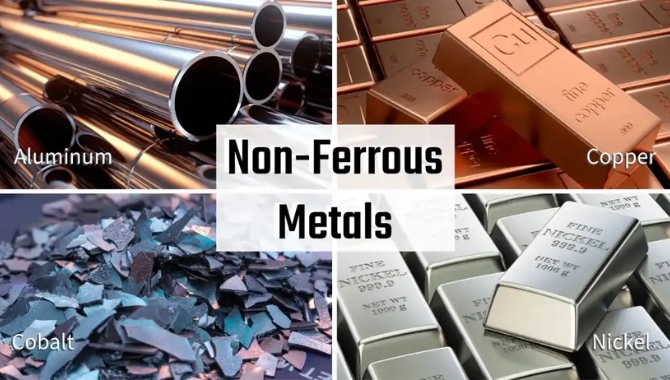
Then there's copper. This reddish-brown metal is a legend when it comes to conducting electricity and heat. That's why it's the go-to material for electrical wires inside your walls and in electronics. It's also used in plumbing, cookware, and even in beautiful decorative items and jewelry because of its warm, attractive color. And let's not forget its vital role in our health – copper is an essential trace mineral!
Brass and bronze are also popular non-ferrous alloys. Brass, a mix of copper and zinc, is known for its durability and attractive golden hue, often seen in musical instruments, door handles, and decorative fixtures. Bronze, typically a mix of copper and tin, is even harder than brass and was famously used for centuries to make tools, weapons, and sculptures – think of those ancient statues!

Lead, once common in pipes and paints, is another non-ferrous metal, though its use is now restricted due to toxicity. However, it's still found in things like car batteries. Zinc is often used for galvanizing steel to prevent rust, creating a protective coating.
The benefits of non-ferrous metals are diverse: they are generally resistant to corrosion, lightweight (like aluminum), excellent conductors of heat and electricity (like copper), and often have attractive appearances. They are also typically non-magnetic, which is a key differentiator from ferrous metals.
Putting It All Together
So, next time you're looking at something made of metal, try to spot the clues! Does it feel heavy and robust, and could it potentially rust? It's likely ferrous. Is it lightweight, corrosion-resistant, or does it have a bright, non-reddish sheen? It's probably non-ferrous. From the mighty steel beams of our cities to the delicate copper wiring in our devices, understanding ferrous and non-ferrous metals gives you a deeper appreciation for the materials that shape our world. It’s a small piece of knowledge that unlocks a bigger understanding of the objects you use and see every single day!