
What Is Hot Rolled And Cold Rolled Steel

So, you’re standing there, staring at a metal thing. Maybe it’s a car door, maybe it’s a shelf, maybe it’s just a really sturdy paperweight. And you wonder, “How did this metal get this way?” Well, my friend, it’s likely a tale of heat and… well, less heat. Let’s talk about hot rolled steel and cold rolled steel.
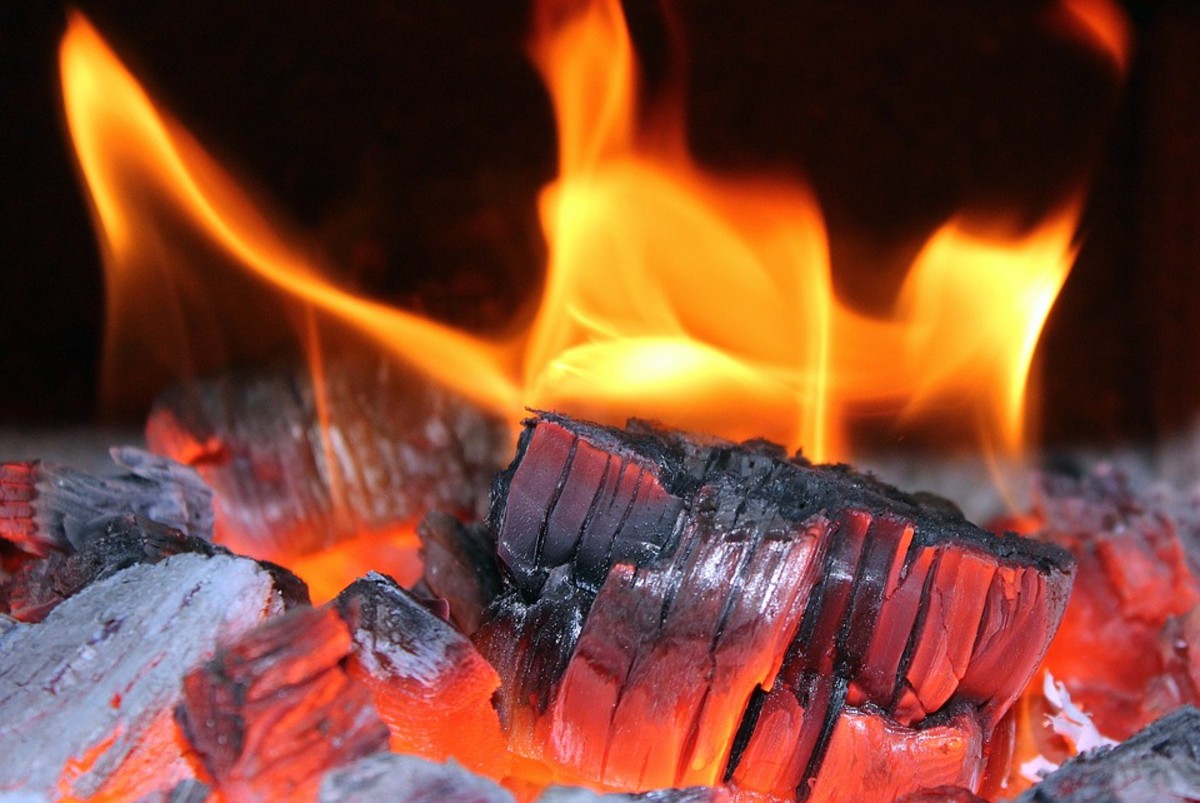
Imagine steel, but it’s super, super hot. Like, glowing-red-hot. We’re talking temperatures that would make your oven look like a chilly breeze. This is where our story of hot rolled steel begins. It’s basically steel that’s been persuaded into shape while it’s still feeling quite warm and fuzzy.
Think of it like playdough. When playdough is warm, it’s super easy to mold and shape. You can squish it, roll it, and twist it into all sorts of fun forms. That’s kind of what happens with hot rolled steel. At these high temperatures, the steel is more pliable. It’s less stubborn, you could say.
Because it’s so easy to work with when it’s hot, hot rolled steel tends to be a bit more… relaxed. It’s not worried about being perfectly precise. In fact, there’s a slight shrinkage when it cools down. This means the dimensions might not be exactly what you planned for. A little bit of give and take, you know?
You might notice that hot rolled steel has a slightly rougher surface. It’s got this bluish-gray, scaly finish. It’s like it’s wearing its cozy blanket from the hot forging process. It's not exactly going to win beauty pageants, but it gets the job done.
And here’s the thing, hot rolled steel is often cheaper. Because it’s easier to produce and requires less processing, your wallet will thank you. So, if you need something strong and functional, and a few millimeters of wiggle room in size or a slightly less-than-perfect surface doesn't bother you, hot rolled steel is your go-to guy.
Think of things like railway tracks, structural beams for buildings, or even car frames. These guys need to be tough and strong, and the exact dimensions aren't as critical as the sheer brawn. Hot rolled steel is perfect for these heavy-duty applications.
Now, let’s switch gears. Imagine that same steel, but it’s cooled down. It’s at room temperature. It’s chilling out, maybe even a bit grumpy. This is where cold rolled steel enters the picture. It’s steel that has been further processed after it’s cooled.

Think of it like taking that playdough that’s now a bit firm. You can’t just squish it into any shape anymore. You have to put in more effort, more pressure. That’s essentially what happens with cold rolled steel. It’s rolled, but at room temperature, and it requires significantly more force.
This extra effort, this intense rolling and shaping at cooler temperatures, actually makes cold rolled steel stronger. It’s like it’s been working out and building some serious muscle. The process realigns the steel’s grain structure, making it tougher and more resistant to bending and denting.
Because it's worked with more precision, cold rolled steel ends up with much tighter tolerances. The dimensions are spot on. No surprises here. It’s like a meticulously measured ingredient in a recipe – you know exactly what you’re getting.
And the surface finish? Oh, it’s a whole different story. Cold rolled steel has a smooth, often shiny surface. It’s like it’s been polished to a mirror shine. No scales, no roughness. It’s ready for painting, plating, or just looking pretty on its own.
However, all this precision and extra work comes at a price. Cold rolled steel is generally more expensive than its hot-rolled cousin. You’re paying for the extra effort and the superior finish and strength.
So, where do we find this fancy cold rolled steel? Think of things where appearance and exact dimensions matter. Appliance casings (your fridge, your washing machine – they look good, right?), metal furniture, car body panels, and even things like office equipment. These items benefit from that smooth finish and precise shape.
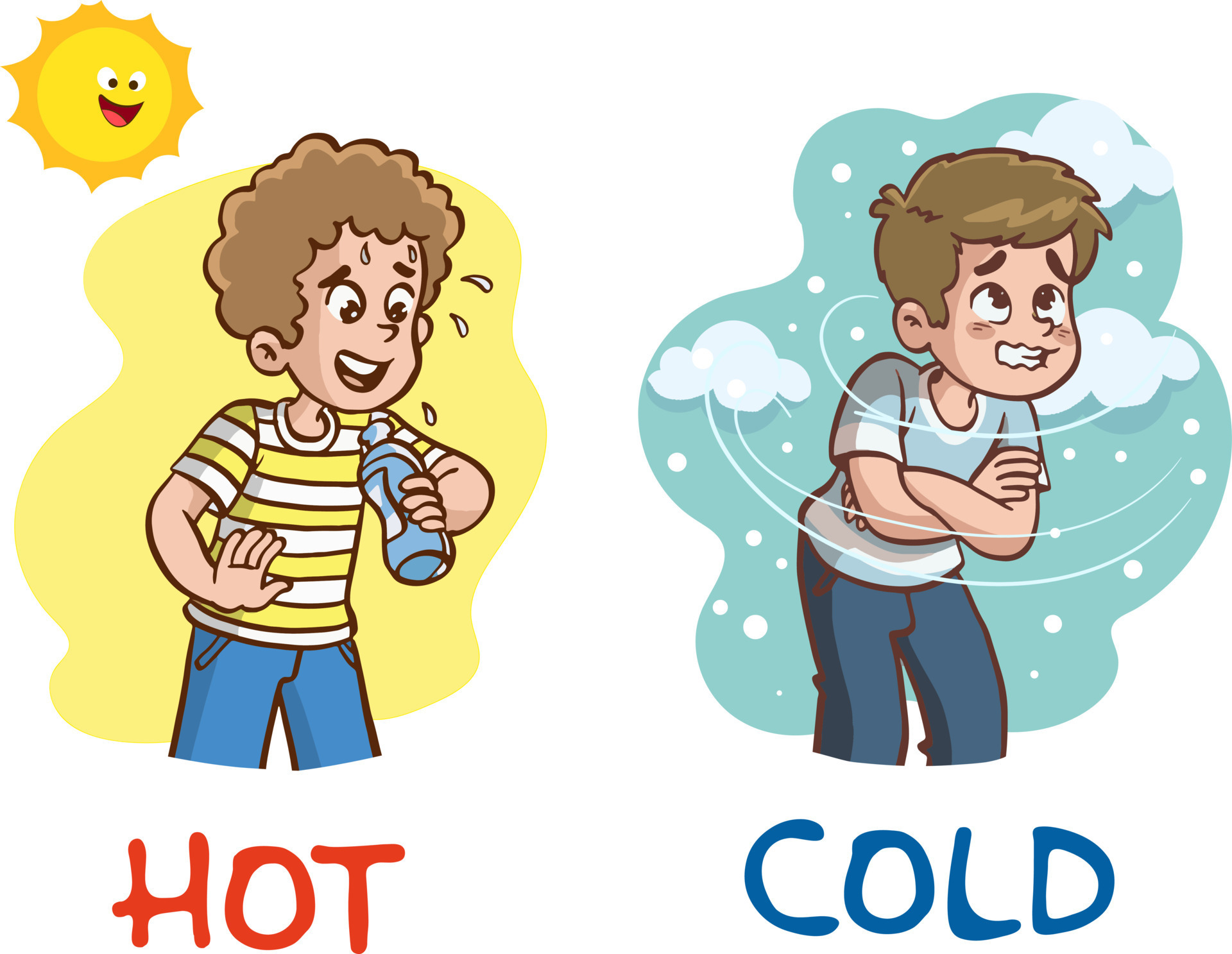
It’s a bit like choosing between a comfy, worn-in t-shirt and a crisp, perfectly tailored suit. The t-shirt (hot rolled steel) is comfortable, affordable, and great for everyday wear. The suit (cold rolled steel) is sharp, precise, and makes a statement, but it’ll cost you more and you’ll need to be more careful with it.
Now, here's my unpopular opinion: Sometimes, hot rolled steel gets a bad rap. People see that slightly rough surface and think, "Oh, that's cheap junk!" But it's not! It's just doing its job with a bit more… character. It’s the workhorse that doesn’t need all the fancy frills.
And honestly, who hasn't bought something and later realized it could have been a tiny bit smoother or a hair more exact? That’s the charm of hot rolled steel. It’s a reminder that perfection isn’t always necessary for function.
On the other hand, cold rolled steel is undeniably impressive. That sleek finish and that precise dimension? It’s like looking at a finely tuned machine. It’s the kind of material that makes you nod and think, “Yep, they really knew what they were doing there.”
But let's be real, do we really need our kitchen sink to be made of aerospace-grade, mirror-polished cold rolled steel? Probably not. A perfectly good, slightly less shiny hot rolled steel sink would probably do the trick just fine and save us some cash for, you know, actual food.
Ultimately, both hot rolled and cold rolled steel are superheroes in their own right. One is the strong, silent type, happy to do the heavy lifting without complaint. The other is the dapper gentleman, always looking sharp and precise.
So, the next time you encounter a steel object, take a moment to appreciate its journey. Was it born of fiery heat and playful shaping, or was it meticulously refined through cool determination? Either way, it's a testament to human ingenuity and the incredible properties of steel.
And if you ask me, the world needs more appreciation for the honest, unpretentious nature of hot rolled steel. It's the unsung hero of the metal world. Just a thought. Don't @ me.
But seriously, it’s fascinating how a little bit of heat (or lack thereof) can create such different materials. It’s like a metallurgy fairy tale, but with more sparks and less magic wands. More practical, you know?
So, there you have it. Hot rolled: warm, a bit rough, affordable, and strong. Cold rolled: cool, smooth, precise, and stronger. The choice, as always, depends on what you’re building and how much you’re willing to spend on looking fancy.
And maybe, just maybe, the next time you see a slightly imperfect metal surface, you’ll think of hot rolled steel with a smile. Because imperfect can be pretty darn perfect in its own way.

My grandma used to say, “If it ain’t broke, don’t fix it, and if it’s a little rusty, that just adds character.” She was probably talking about something else entirely, but it feels relevant here.
So next time you’re at the hardware store or admiring something made of metal, you’ll have a little more insight. You can impress your friends with your newfound knowledge of hot rolled versus cold rolled steel. Or you can just nod sagely and pretend you knew it all along. Your secret is safe with me.
It's all about the journey, the transformation, and the final form. And sometimes, that journey involves a whole lot of heat and a good, solid roll.
Hot Rolled Steel: The Warm Hug
When steel gets heated up, it becomes super bendy. Like a warm noodle. Manufacturers can easily shape it into different forms. This makes it cheaper to produce.
Cold Rolled Steel: The Gym Rat
This steel is shaped when it's cool. It takes more effort, making it tougher. It also looks smoother and is more precise.
So, it’s not just about being hot or cold. It’s about the entire process and what that means for the final product. And that, my friends, is pretty darn cool. Or should I say, hot?