
What Is In Fluorescent Tubes
I remember the first time I truly noticed fluorescent tubes. It wasn't some grand scientific revelation, oh no. It was a desperate attempt to repaint my childhood bedroom. My mom, bless her practical heart, insisted on doing it during the day, so we could "see what we were doing." I, being the teenager I was, had a very different definition of "seeing," which mostly involved staring blankly at my posters. But as the sun dipped lower, and that weird, slightly buzzy light flickered on, casting that distinct, cool glow, I remember thinking, "What is this stuff?" It felt… different. Brighter, yet somehow less warm than sunlight. A bit clinical, you know? Like being in a dentist's office, but for your bedroom. Weird, right?
Fast forward a few (okay, maybe more than a few) years, and I'm still occasionally baffled by the technology that lights up so much of our world. We’ve got these sleek LEDs now, all fancy and energy-efficient, but for ages, it was the humble fluorescent tube. They were in classrooms, offices, even in my grandma’s kitchen. That characteristic hum, that slightly greenish tint… it’s an era of lighting, for sure.
So, what is actually inside those long, glass tubes that made them so ubiquitous? It’s not just a magic wand that spits out light. It’s a surprisingly clever bit of chemistry and physics, all sealed up in a rather fragile package. Think of it as a tiny, contained lightning strike, but a much more controlled and, thankfully, less destructive one.
The Not-So-Secret Ingredients
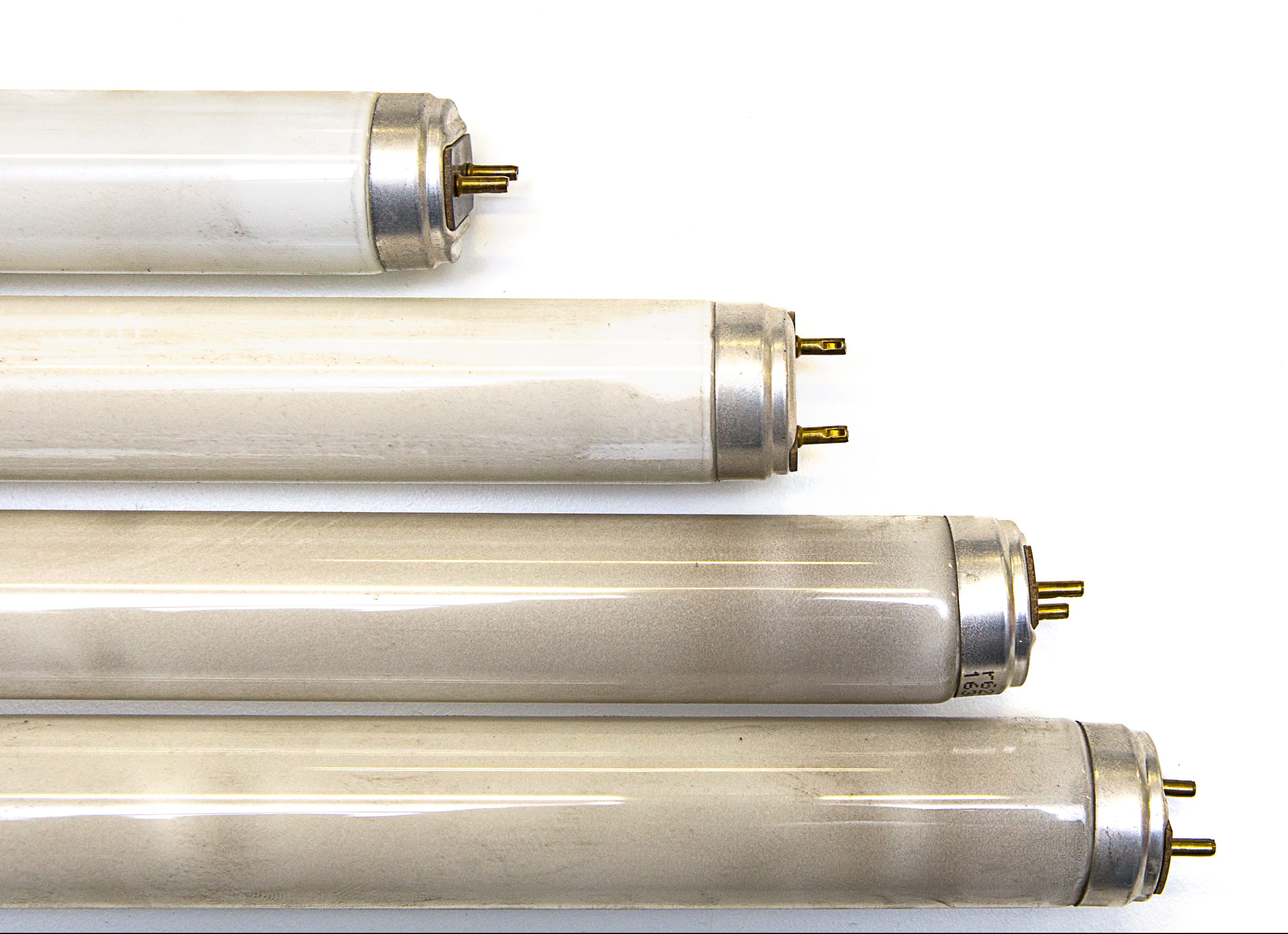
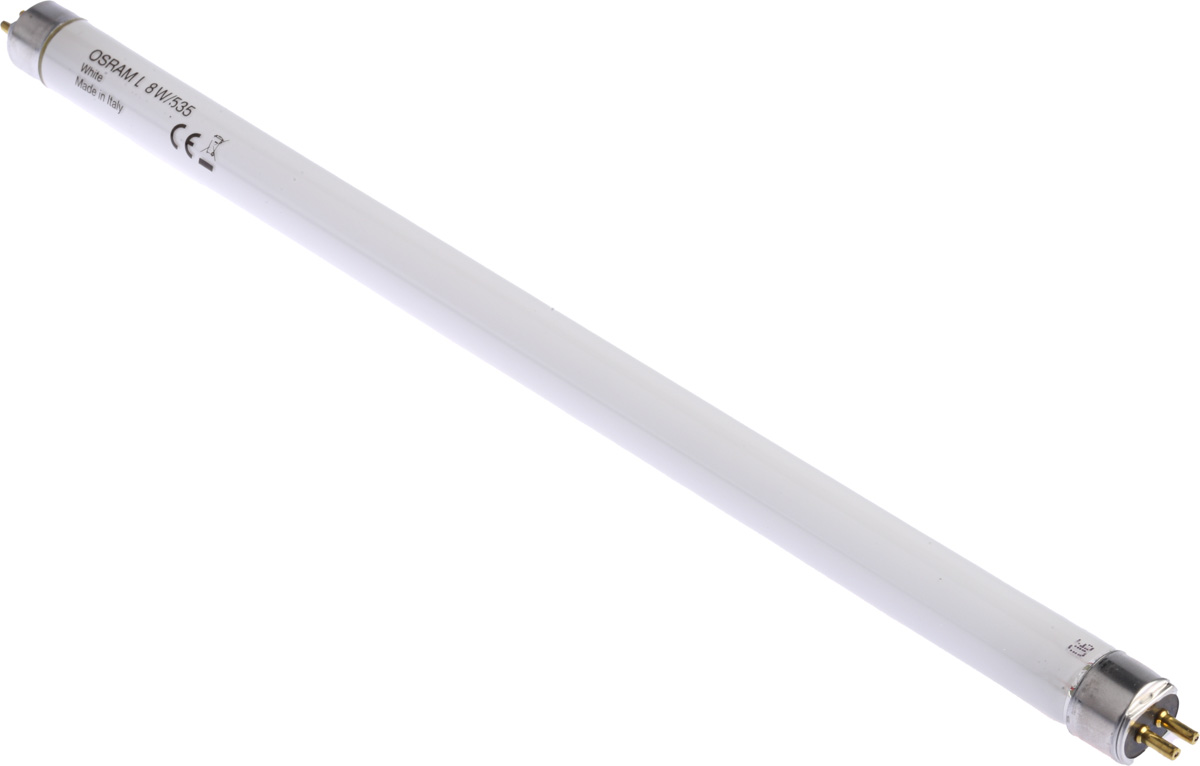
At its core, a fluorescent tube is a glass tube, sealed at both ends, with electrodes at each end. Pretty standard stuff so far. But the real magic happens inside that tube. We're talking about a vacuum, or rather, a very low-pressure environment, filled with a noble gas and a tiny bit of mercury. Hold on, don’t panic about the mercury just yet; it’s contained and in very small quantities. We’ll get to that.
The noble gas, usually argon, is there to help get the whole show started. Think of it as the starter fluid. When you flip the switch, a high voltage is applied to the electrodes. This high voltage excites the electrons in the argon gas, making them move. These moving electrons then collide with the mercury atoms. And this is where things get interesting.
The Mercury Moment
When the electrons from the argon bash into the mercury atoms, they give them a serious energetic shove. This pushes the electrons within the mercury atoms into a higher energy level. Now, these excited electrons are unstable, like a kid who’s had too much sugar. They can’t stay in that high-energy state for long. So, they drop back down to their normal energy level, and in doing so, they release that extra energy. How do they release it? As ultraviolet (UV) light.
Ah, UV light. The stuff that gives you sunburn, right? Yep, that’s the one. But here’s the catch: we can’t see UV light. Our eyes just aren’t equipped for it. Imagine trying to see a radio wave; it’s just not going to happen. So, if all we had was UV light, fluorescent tubes would be pretty useless for, you know, seeing things. This is where the next crucial ingredient comes in.
The Phosphor Coating: Turning Invisible into Visible
The inner surface of the glass tube is coated with a thin layer of a powdery substance called phosphors. This is the real showstopper, the unsung hero of the fluorescent tube. These phosphors are special materials that have a unique property: when they are hit by UV light, they fluoresce. That’s where the name "fluorescent" comes from, and it’s a pretty apt description!
When the invisible UV light generated by the excited mercury atoms strikes the phosphor coating, the phosphors absorb the UV energy. Just like the mercury atoms, the electrons in the phosphors get a kick into a higher energy state. And, you guessed it, they then fall back down, releasing their energy. But here's the crucial difference: the phosphors release their energy as visible light. Ta-da! We can see it!
The color of the visible light depends on the specific blend of phosphors used. Different mixtures of phosphors can produce different colors, from the cool, bluish-white you might find in an office to a warmer, more yellowish tone. Manufacturers can tweak these mixtures to achieve different "color temperatures," aiming to mimic natural daylight or create a more cozy ambiance. It’s like a painter’s palette, but for light.
/IDEAS and ADVICES/Modern Office Lighting/LED vs. Fluorescent.jpg)
The Role of the Electrodes and Ballast
We mentioned the electrodes earlier. These are typically tungsten filaments coated with an electron-emissive material. When the voltage is applied, they heat up and emit electrons, which then initiate the cascade of events. They're like the sparks that get the engine going. You might have seen those older fluorescent tubes where the ends would glow orange or red for a few seconds before the main light came on? That was often the electrodes preheating.
Now, the ballast. This is a crucial component, often housed separately in older fixtures, but now frequently integrated into LED tubes or even as a small internal unit in some newer fluorescent designs. The ballast is essential for two main reasons. First, it provides the initial high voltage surge needed to start the arc through the gas. It’s like giving the whole system a good jolt to get it moving. Second, once the arc is established, the ballast regulates the current flowing through the tube. Without a ballast, the current would keep increasing, and the tube would quickly burn out. It’s the responsible adult in the system, making sure things don’t get too wild.
Why Were They So Popular?
So, why did these tubes become the go-to for so long? Well, they had some pretty significant advantages. For starters, they were much more energy-efficient than incandescent bulbs. Incandescent bulbs work by heating a filament until it glows, and a lot of that energy is lost as heat. Fluorescents, by converting electrical energy into UV light and then into visible light, were much more direct. You got more light for your wattage.
They also lasted a darn sight longer than their incandescent predecessors. Think about how often you had to change a light bulb back in the day. With fluorescents, you could often get thousands of hours out of them. This meant less hassle, less money spent on replacement bulbs, and less waste. For businesses and schools, this was a huge cost-saver.
:max_bytes(150000):strip_icc()/Linear_fluorescent_lamps_T5_T8_T12-516f21e36c6f47bea58c2092cc7a7118.jpg)
And then there's the quality of light. While some found it a bit stark, the consistent, even light they provided was excellent for tasks requiring good visibility, like reading, writing, or detailed work. They reduced shadows and provided a broader illumination of a space, which was great for larger areas.
The Downsides (Because Nothing's Perfect)
Of course, it wasn’t all sunshine and (visible) light. As we mentioned, the presence of mercury is a concern. While the amount in each tube is small, it’s a toxic heavy metal. This means that when fluorescent tubes break, or when they are disposed of improperly, that mercury can be released into the environment. This is why there are specific recycling programs for fluorescent tubes, and it’s a good idea to take advantage of them. Don't just chuck them in the regular trash!
There's also the matter of that characteristic hum. Some people are more sensitive to it than others, and in quiet environments, it could be quite noticeable. And let's not forget the flicker. While it’s often imperceptible to the naked eye, especially with modern ballasts, older tubes could flicker at a frequency that some people found annoying or even headache-inducing. It’s like a subtle, persistent reminder that the light isn’t quite natural.
And, as I experienced in my teenage bedroom, the light quality wasn't always the most flattering. That cool, slightly blueish tint could make colors look a bit washed out and, well, a bit bland. Not exactly ideal for a budding fashionista or someone trying to create a cozy vibe. You had to be strategic with your lighting choices.
:max_bytes(150000):strip_icc()/SPR-t-type-fluorescent-light-bulbs-1152396-hero-15758f2e6ab04695be0472e56d37436f.jpg)
The Evolution and the Future
Fluorescent technology has certainly evolved over the years. We went from those big, clunky ballasts to more compact and efficient electronic ballasts. The phosphors got better, offering a wider range of color temperatures and better color rendering. And then came the LEDs.
LEDs (Light Emitting Diodes) have pretty much taken over the lighting world, and for good reason. They are even more energy-efficient, incredibly long-lasting, mercury-free, and offer excellent control over color and brightness. They are also more durable and don't have the same flicker issues. It’s hard to argue with their advantages.
However, it’s worth remembering the legacy of the fluorescent tube. For decades, it was the workhorse of artificial lighting, making spaces brighter, more functional, and more energy-conscious than ever before. It was a technology that fundamentally changed how we lived and worked, bringing reliable, affordable light into countless homes, schools, and offices.
So, the next time you see an old fluorescent tube, or even a newer one still kicking around, take a moment to appreciate the science behind it. The excited mercury atoms, the glowing phosphors, the carefully regulated current – it's a fascinating interplay of elements and energies, all working together to banish the darkness. It might not be the cutting-edge technology anymore, but it’s a piece of lighting history that definitely deserves a nod. It’s a reminder that sometimes, the most brilliant ideas are sealed up in a simple glass tube.