
What Is Metal Injection Molding

Ever wondered how those tiny, super-precise metal parts that make your gadgets zoom and whizz actually get made? It’s not tiny elf blacksmiths working with microscopic hammers, though that would be adorable. Nope, it’s a truly awesome process called Metal Injection Molding, or MIM for short. Think of it as the superhero of making complex metal bits!
Imagine you have a favorite toy, and it has all sorts of intricate gears and little levers. MIM is the magic wand that can create those teeny-tiny, ridiculously detailed pieces out of metal. It’s like giving a metal sculptor a super-powered 3D printer, but instead of plastic, we’re talking the real deal – metal!
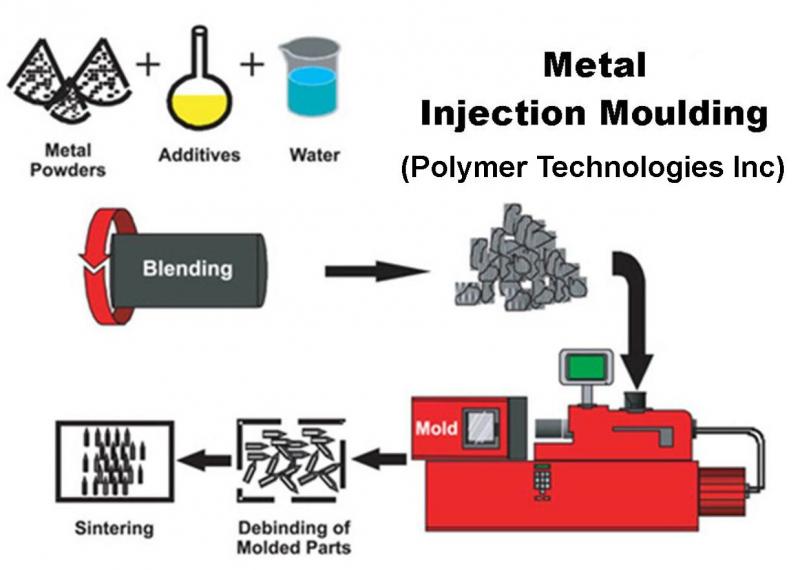
So, how does this metal sorcery happen? It all starts with a special blend. We’re talking about super-fine metal powder, mixed with a binder, which is basically like a special kind of plastic glue. This concoction is called a feedstock. It’s a bit like making dough, but with metal instead of flour and a binder instead of water.
Then, this metal-dough gets heated up until it’s nice and soft, like warm peanut butter. This gooey metal mixture is then shoved, with immense precision, into a mold. This mold is shaped exactly like the part you want to create. It’s like squeezing toothpaste out of a tube into a specific shape, but way, way cooler.
This "squeezed" part, fresh out of the mold, looks a lot like plastic. It’s got the shape down pat, but it’s still got that binder stuff holding all the metal powder together. We affectionately call this the green part. It’s green not because of its color (though that would be funny!), but because it’s not quite finished its journey.
Now comes the really mind-boggling part. We need to get rid of that binder glue. This is done by carefully heating the green part in a special oven. Think of it like baking a cake, but instead of turning raw batter into a delicious treat, we’re evaporating the binder, leaving behind just the metal powder. This is often called debinding.
After the binder is mostly gone, all those tiny metal particles are left sitting there, looking a bit lonely and like a dusty sculpture. They’re still holding the shape, but they’re not solid metal yet. It’s like a ghost of the final part. This stage is sometimes referred to as the brown part.
The final transformation happens in a super-duper hot oven, called a sintering furnace. This is where the real magic happens, and where the MIM process truly earns its stripes. The brown part is heated to temperatures so incredibly high, they’re almost unimaginable. These extreme temperatures cause the metal particles to fuse together, like tiny magnets snapping into place.

As the metal particles fuse, the part shrinks a little bit. This shrinkage is very predictable, and engineers account for it when they design the mold. So, even though it shrinks, it ends up being exactly the right size and shape. It’s like a precise, controlled shrinking party for metal!
The result? A solid, robust, and incredibly detailed metal part. It’s as strong as if it were made using traditional metalworking methods, but it can have shapes that would be impossible otherwise. We’re talking about intricate holes, undercuts, and complex geometries all in one go!
Why is this so amazing? Because MIM can make parts that are ridiculously small and incredibly complex. Think about the tiny gears inside your watch, the intricate components in your smartphone, or even the specialized parts used in medical devices. MIM is the unsung hero behind so much of our modern technology.

It’s particularly brilliant for making lots and lots of identical parts. Once the mold is made, you can churn out thousands, even millions, of perfect copies. This makes it super efficient for mass production. It's like having a metal cookie cutter that makes perfect, complex cookies every single time.
And the types of metals you can use? The list is practically endless! Stainless steel, titanium, copper alloys, and even precious metals like gold for really fancy jewelry (though usually for tiny, intricate bits). If it can be turned into a fine powder, chances are MIM can mold it.
Let’s consider an everyday example. Imagine the tiny, fiddly metal clip that holds your glasses together. MIM can create that with breathtaking precision, ensuring it’s both durable and perfectly shaped. Or think about the minuscule metal components inside a high-end camera lens that allow for perfect focus. MIM is often the secret ingredient there.
The design freedom MIM offers is truly a game-changer. Engineers don't have to compromise on their designs anymore. They can create parts that are lighter, stronger, and more functional than ever before. It’s like unlocking a whole new level of possibility for how things are made.
One of the coolest aspects is how it can create parts with very thin walls and sharp corners. These are features that can be a nightmare to achieve with other metal-forming techniques. MIM handles them with grace and precision, making previously impossible designs a reality.
So, next time you marvel at a piece of technology, a complex piece of machinery, or even a particularly intricate piece of jewelry, remember the unsung hero: Metal Injection Molding. It’s the process that takes metal dust and, through a series of brilliant transformations, turns it into the incredibly complex, tiny, and essential parts that make our world tick. It’s a little bit of science, a little bit of art, and a whole lot of awesome.