
What Is Pitting In Metal
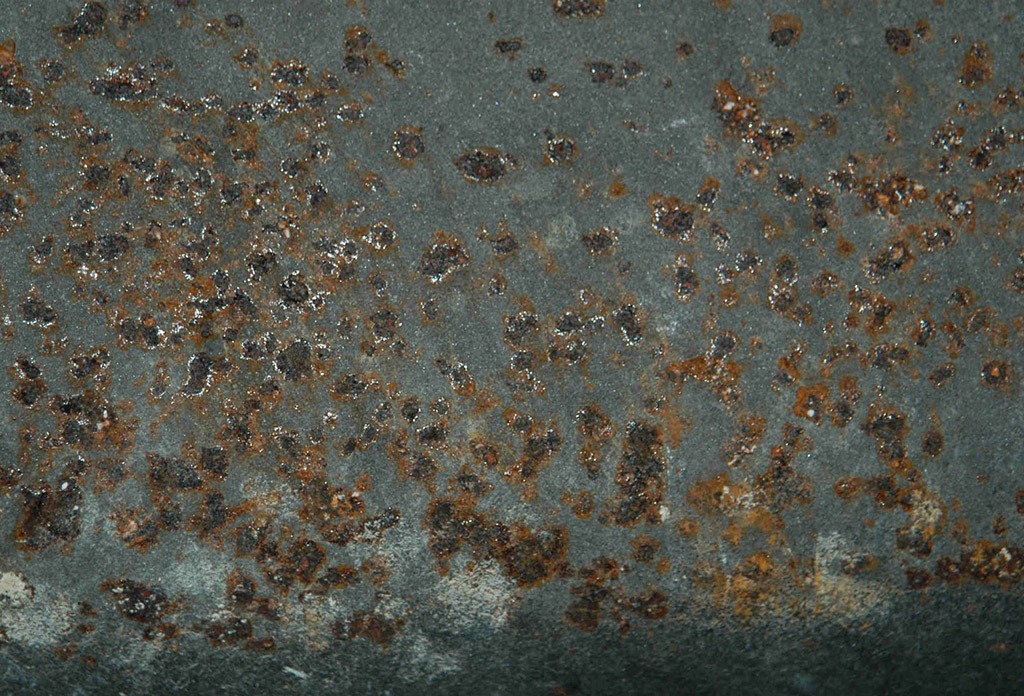
Ever looked at your favorite metal spoon, that trusty wrench, or maybe even the shiny hood of your car and noticed tiny little holes? They look like they've been attacked by a miniature army of mischievous ants with tiny drills. Well, my friends, that's what we call pitting, and it's a surprisingly common, and sometimes quite fascinating, quirk of the metal world.
Think of metal as a bit like us. It has its moods, and sometimes, under certain circumstances, it decides to get a little bit...well, bumpy. Pitting is essentially a tiny form of localized corrosion, a little nibble taken out of the metal's otherwise smooth surface. It's not a whole-scale attack, but rather a very specific, very personal beef that the metal seems to be having with its environment.
Imagine a group of friends at a picnic. Most of them are happily chatting and enjoying the sun. But then, one little friend gets a splinter. It's not the end of the world, but that splinter is pretty annoying and can get infected if left alone. Pitting is a bit like that splinter on a microscopic level.
So, what causes these little metal tantrums? Often, it's all about the chemicals. Water, especially if it has salts or other dissolved things in it, can be a real troublemaker. It’s like a sneaky saboteur, finding the weakest spots and deciding to make a home there.
Think about a sunny day at the beach. The salty air and the sea spray are wonderful for us, but for metal? Not so much. That salty environment can create tiny electrical currents on the metal's surface. These currents, much like tiny little arguments, can lead to one spot becoming a bit more aggressive and starting to break down.
It’s a bit like having a secret handshake with a corrosive agent. The metal and the environment get together and decide, "You know what? Let's make a little hole right here!" And poof! A pit is born.
Sometimes, it's not just about the environment. The metal itself can have tiny imperfections. Think of it like a microscopic crack or a slightly different patch in the metal's surface. These little "personality quirks" can become the favorite spots for corrosion to set up shop.
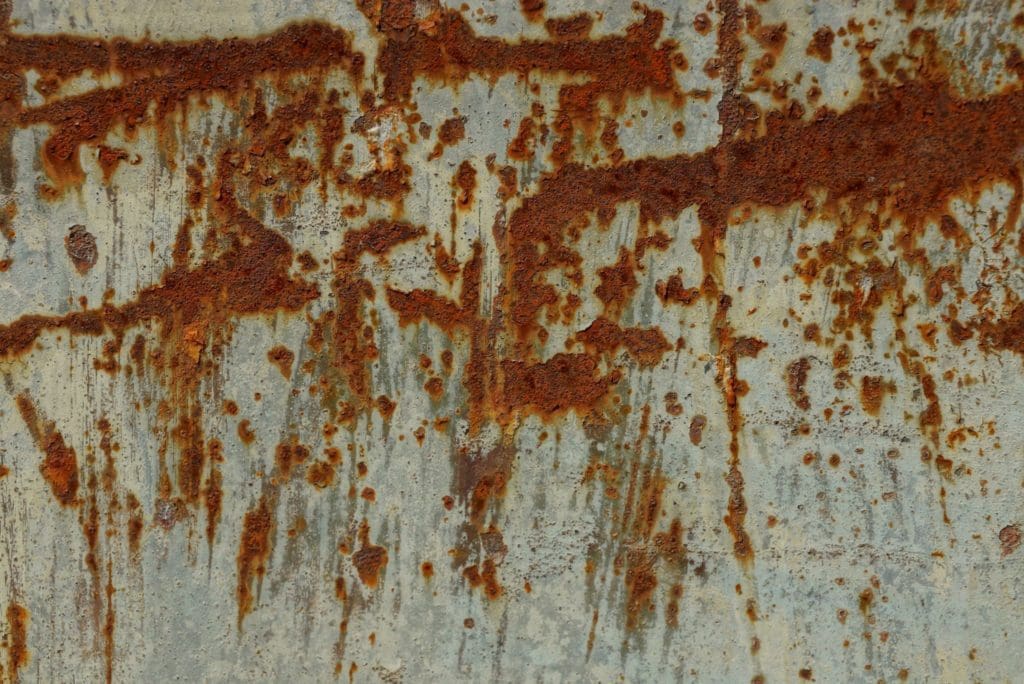
It's like a slightly uneven patch of ground. When it rains, the water will naturally pool and linger in those dips, making them more prone to becoming muddy and messy. The metal equivalent is a pit forming in those imperfect spots.
One of the most common culprits behind pitting is the presence of chlorides. You know, like in salt! So, if you've ever seen pitting on your car after a long winter of road salt, or on a boat that's been out at sea, that’s your clue.
Chlorides are like the little whispers that turn into shouts. They can break down protective layers on the metal, leaving it exposed and vulnerable to further attack. It's a bit like a protective shield cracking, and then the damage begins.
But it's not all doom and gloom! Sometimes, pitting can even be a sign of resilience. In some very special types of stainless steel, for instance, a controlled form of pitting can actually lead to the formation of a stronger, more protective layer. It’s like a minor scuffle that ends up making someone tougher!
These special steels, like those used in medical equipment or high-end kitchenware, are designed to handle this. They're like little warriors that can take a tiny hit and bounce back even stronger. It's a testament to smart engineering and understanding how metals behave.
The appearance of pits can vary wildly. Some are so tiny you'd need a magnifying glass to see them. Others can be a bit more noticeable, like little dimples in the metal's surface. They can be round, irregular, or even have a slightly elongated shape.
Imagine a baker decorating a cake. Some might use the finest piping bag for intricate details, while others might just dab on some icing with a spoon. Pitting can be that delicate or that...well, a bit messier, depending on the circumstances.
The depth of these pits can also differ. Some are superficial, barely scratching the surface. Others can burrow deeper, potentially weakening the metal over time. This is where things can become a bit more serious, especially in structural components.
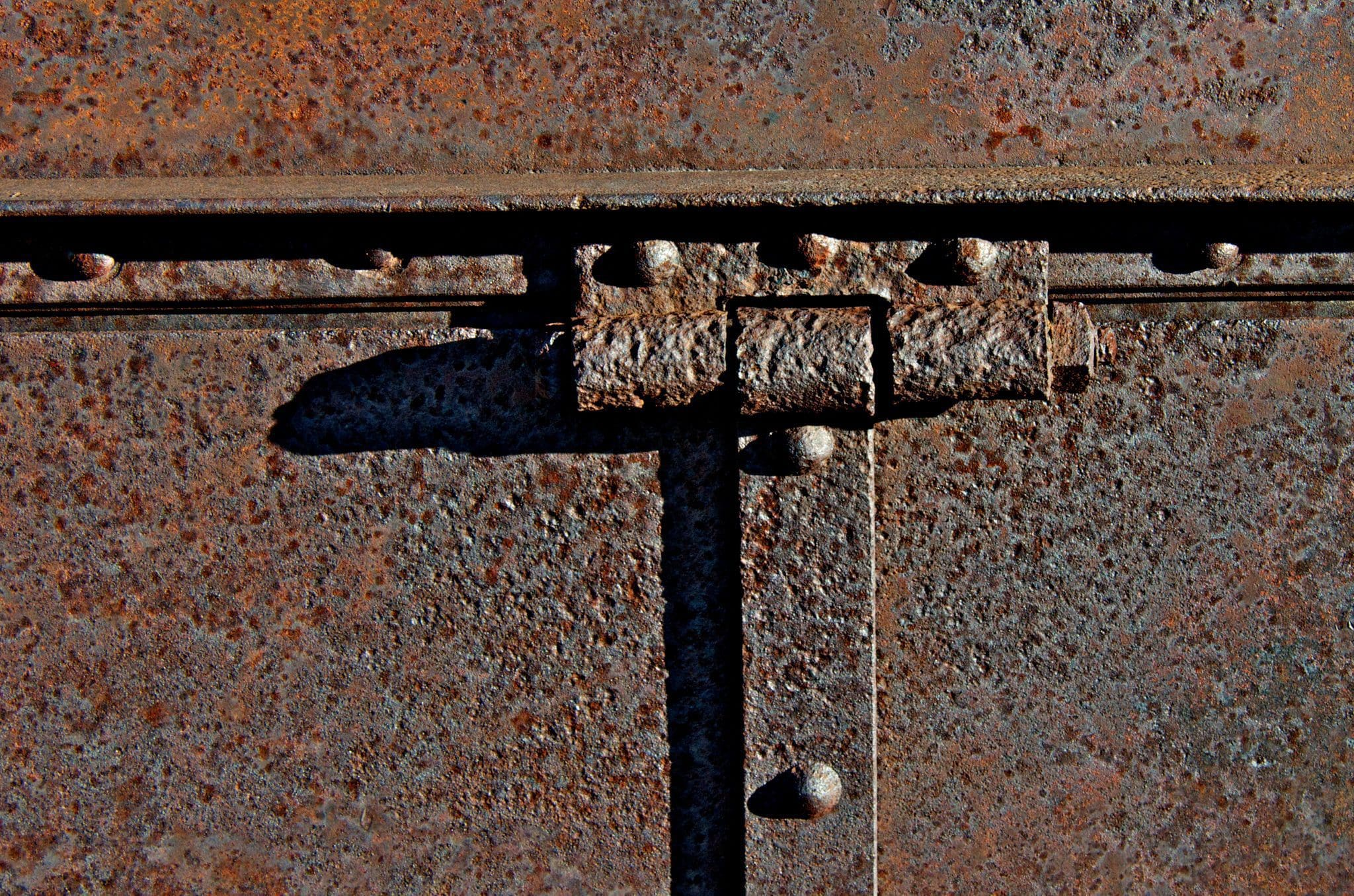
Think of a building. If the supporting beams develop deep pits, it could compromise the entire structure. It's why understanding and preventing pitting is so important in certain industries.
But for the everyday metal objects we love, pitting is often more of an aesthetic issue than a critical one. That little imperfection on your favorite gardening trowel might be annoying, but it’s unlikely to stop it from helping you plant those beautiful blooms.
In fact, some people even embrace the look! Think of weathered metal sculptures or antique furniture. The patina, which can include small pits, adds character and tells a story of time and use.
It's like a well-loved teddy bear. The worn patches and tiny holes aren't defects; they're badges of honor, showing how much that bear has been cherished. Pitting on metal can sometimes evoke a similar feeling of history and character.
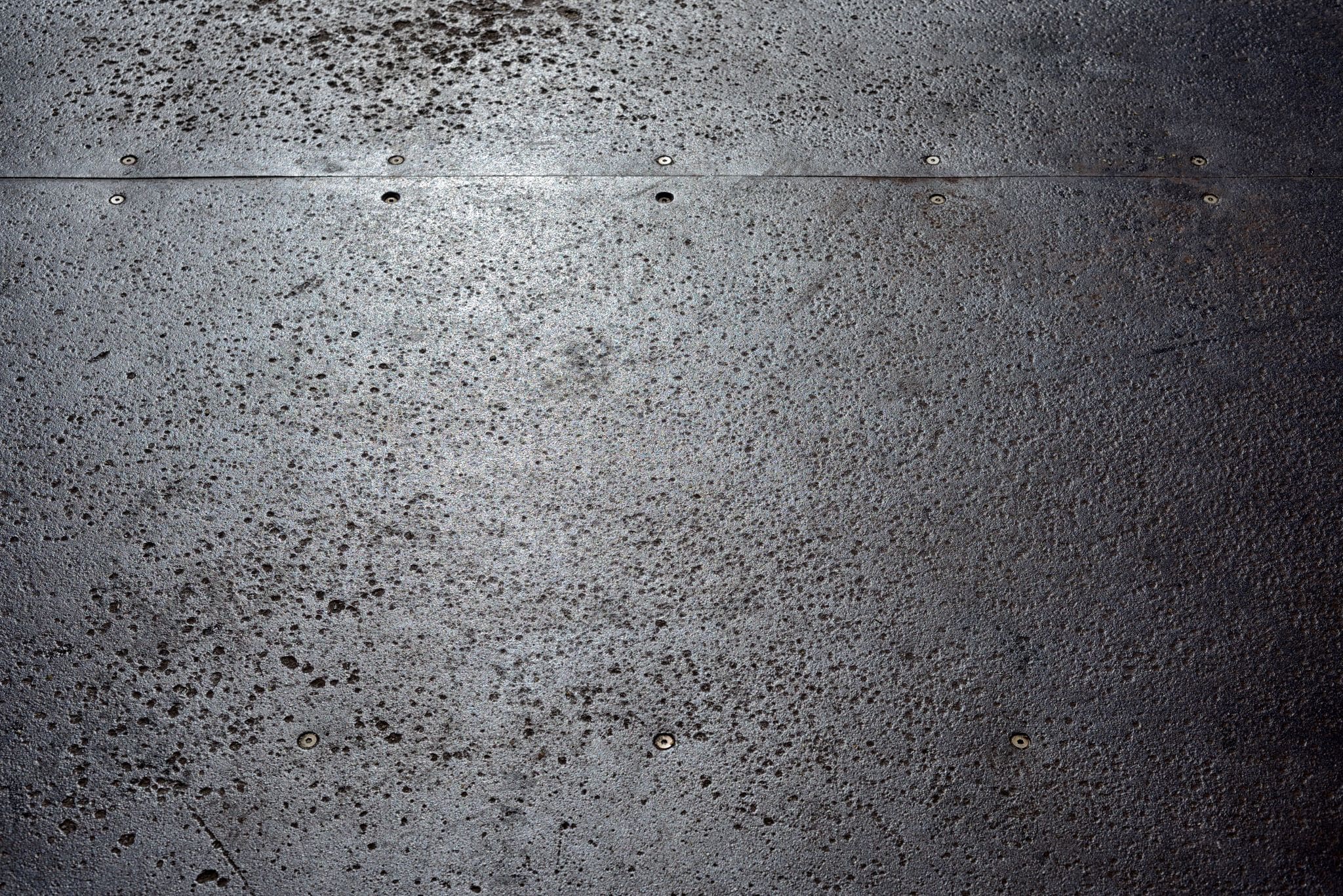
The fight against pitting is a constant one in the world of engineering and manufacturing. Scientists and engineers work tirelessly to develop new alloys and protective coatings to keep our metal friends looking their best and functioning reliably.
They're like the guardians of the metal realm, developing superhero capes (coatings) and creating super-alloys that are resistant to corrosion’s evil schemes. It’s a fascinating battle of chemistry and materials science.
So, the next time you spot a tiny pit on a metal object, don't just see it as damage. See it as a tiny testament to the metal's journey, a little scar from a chemical skirmish, or even a sign of its hidden strength. It’s a small detail that adds a surprisingly rich layer to the story of the materials that shape our world.
It’s a reminder that even the most robust materials have their vulnerabilities, and sometimes, those imperfections are what make them truly interesting. They're the little bumps in the road that give our metallic companions their unique character.
And who knows, maybe those tiny pits are just metal’s way of winking at you, saying, "I've seen things, man. I've seen things." And in a way, they have. They’ve been exposed to the elements, to the hustle and bustle of everyday life, and they’ve come through it with a little bit of character.