
What Is Powder Metallurgy Process
Ever look at a tiny, intricate metal part and wonder, "How in the world did they make that?" Chances are, if it's super small, surprisingly strong, and looks like it was molded rather than carved or cast, it might have been made using a process called powder metallurgy. Now, before you picture a bunch of dusty old guys in overalls mixing metal flour, let's break down what this is all about in a way that's as easy as pie (and just as satisfying!).
Think about baking. You don't just magically get a cake, right? You start with ingredients like flour, sugar, and eggs. You mix them up, put them in a mold (a cake pan!), and then apply heat. Powder metallurgy is a bit like that, but instead of flour and sugar, we're using super fine metal powders. And instead of an oven, we use a special kind of heat treatment.
Imagine you're making a really fancy cookie cutter. You want it to be sharp and perfectly shaped. You could try to carve it out of a solid block of metal, but that would be a lot of work and potentially wasteful. Or, you could melt down a whole bunch of metal, pour it into a mold, and hope it solidifies into exactly what you want. That's more like traditional casting, and it can sometimes leave you with bubbles or imperfections.
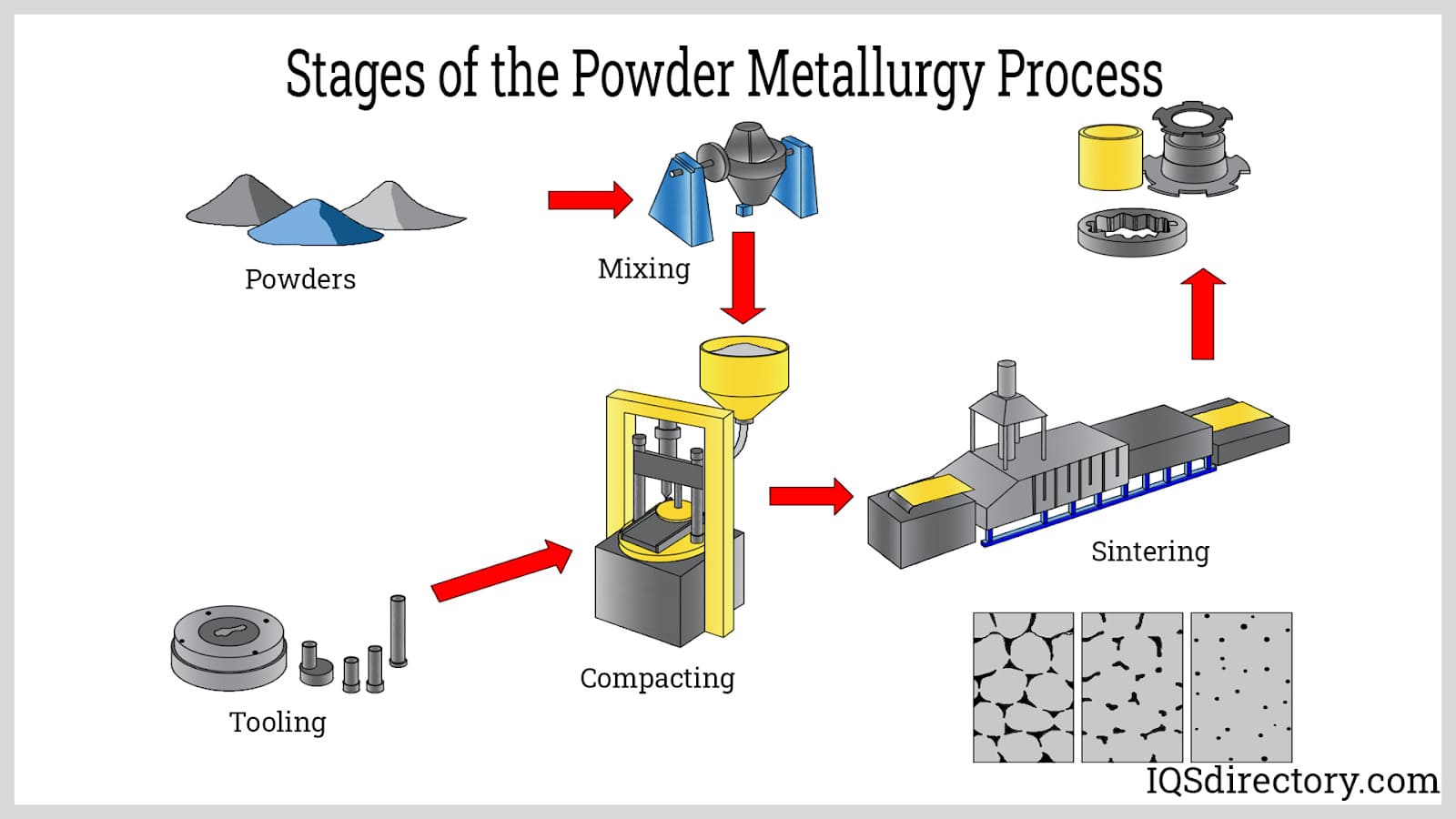
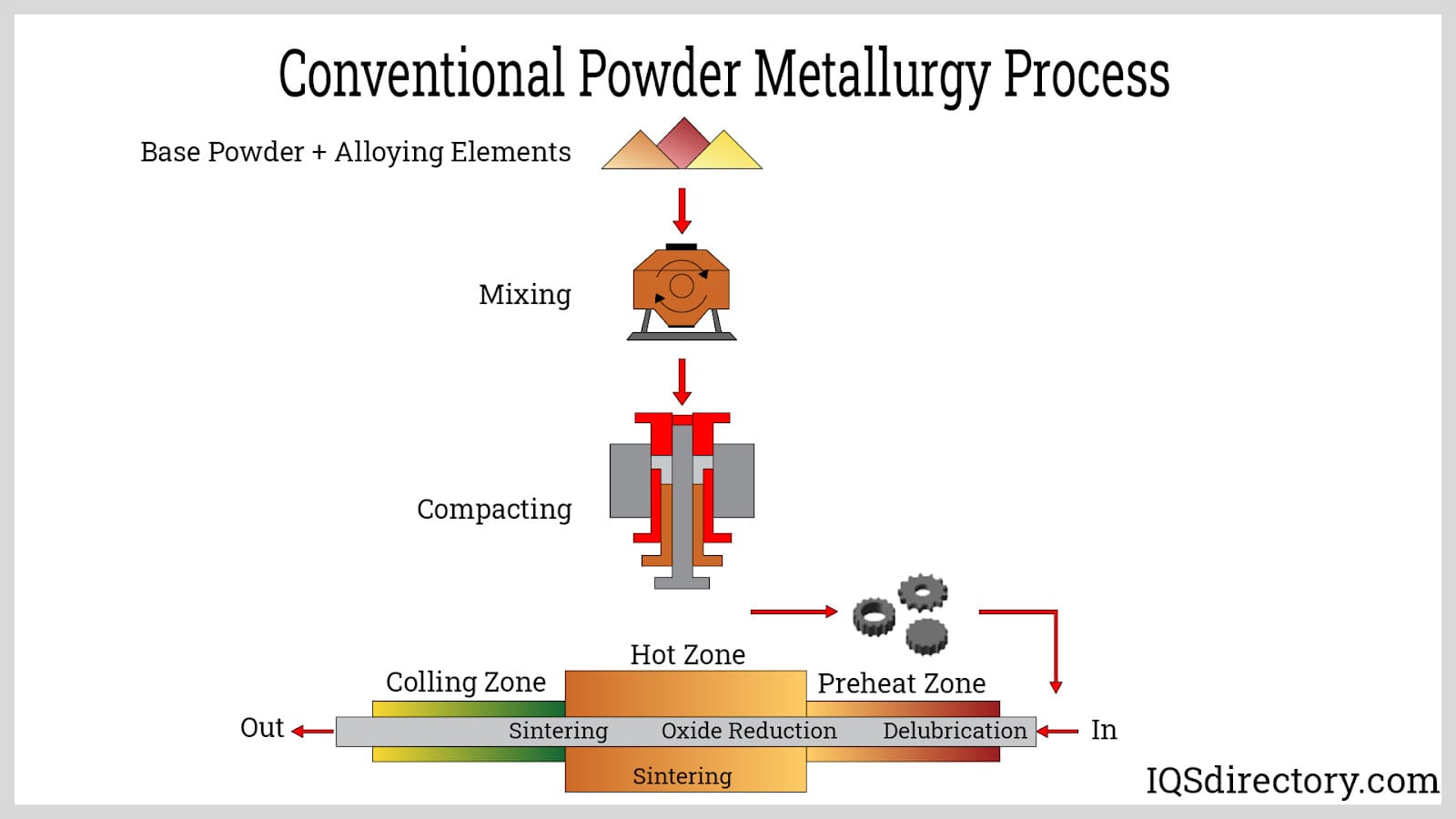
Powder metallurgy offers a third, rather clever, way. Instead of starting with a big chunk of metal, we start with it broken down into incredibly tiny particles – like dust, but way, way smaller and made of metal! These metal powders are then mixed together, sometimes with other powders to create unique alloys (think of it like adding sprinkles to your cookie dough). This mixture is then poured into a mold, which we call a die in this process.
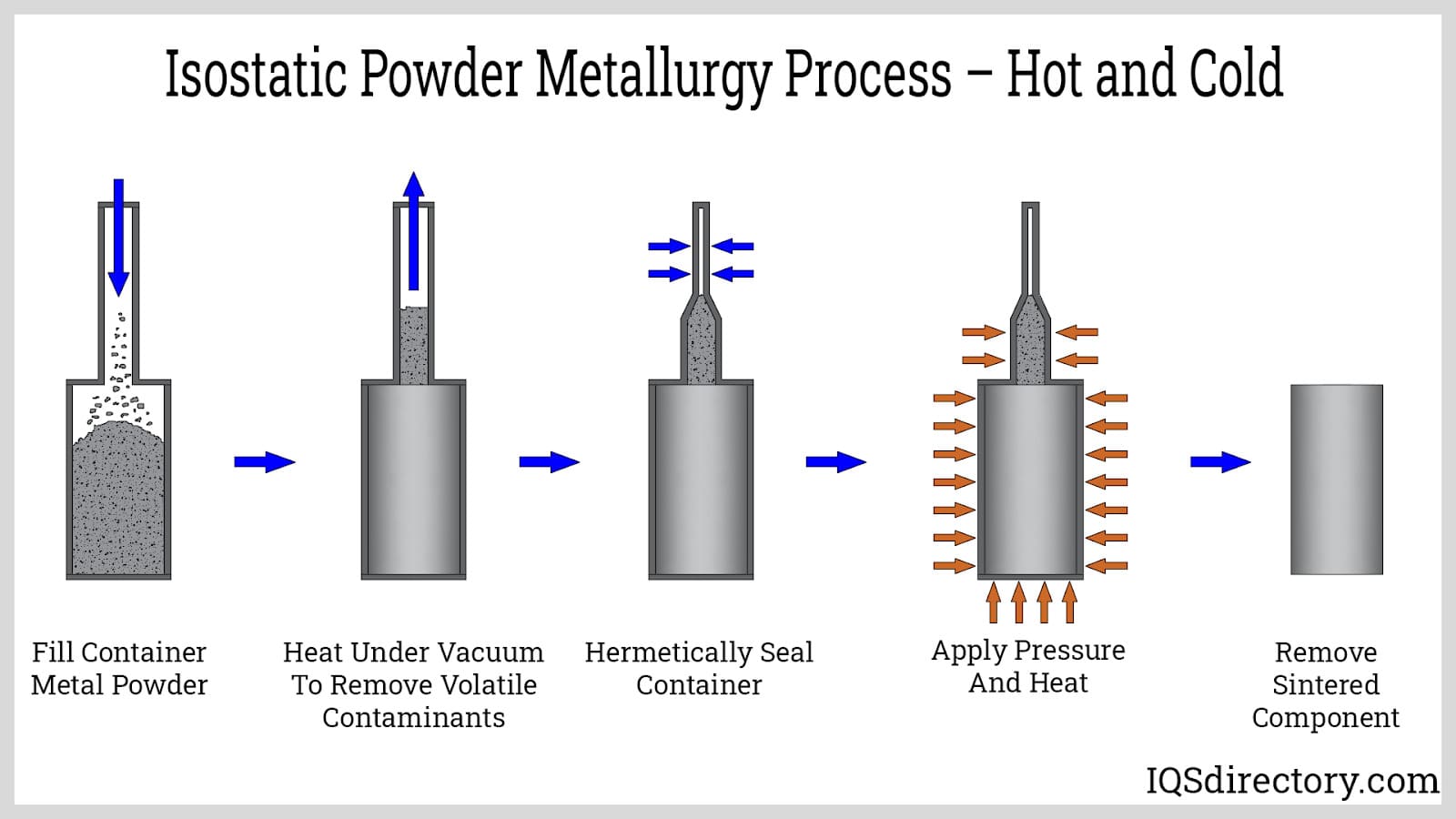
Now, here’s where it gets cool. Instead of melting everything (which can be tricky with some metals), we take this filled die and apply a huge amount of pressure. Imagine squeezing that metal powder mix so hard that the tiny particles actually fuse together, locking into the shape of the die. It's like pressing playdough into a mold – but with super-powered metal!} This is called compaction, and it gives the part its basic shape and density.

But we're not quite done yet. The compacted part, while shaped, isn't quite as strong as it needs to be. So, the next step is sintering. This is where the real magic happens. The compacted part is heated up in a special furnace, but crucially, it's heated to a temperature below the melting point of the metal. Think of it like gently warming your cookies after they’ve been shaped, not baking them to a crisp. In this heated environment, the tiny metal particles bond together even more strongly, creating a solid, robust part.
Why is this so neat? Well, imagine you need a gear for a watch. Those little gears are incredibly precise, and if they aren't perfect, your watch will be all over the place. Making those tiny, complex shapes with traditional methods would be a nightmare. Powder metallurgy lets us create these intricate designs directly, with amazing accuracy. It’s like using a 3D printer, but with metal and a much older, more established technique!
Let’s think about your car. So many of those small, often unseen parts – the little pins that hold things together, the bearings that allow things to spin smoothly, even parts of your engine – are made using powder metallurgy. Why? Because it can create parts with superior properties. For instance, you can make parts that are incredibly strong yet lightweight, or parts that are exceptionally wear-resistant. Think about those tiny oil pump gears; they need to be tough and precise to keep your engine running smoothly. Powder metallurgy is a champion at that!
One of the best parts (pun intended!) about powder metallurgy is that it’s incredibly efficient. Remember our cake analogy? You don't waste much batter, right? In powder metallurgy, we can often use almost all the starting material. This means less waste, which is great for the environment and can also make parts more affordable. It’s like getting a perfectly formed biscuit without all the leftover dough scraps!
And it's not just about being practical. Powder metallurgy allows for the creation of some pretty exotic materials. Want to combine metals that normally wouldn't mix well? This process can do it! You can create custom alloys with specific characteristics that are impossible to achieve through melting and casting. This opens doors for innovation in everything from aerospace to medical implants. Imagine a hip replacement that's both incredibly strong and biocompatible – powder metallurgy can help make that a reality.
So, next time you see a small, precisely shaped metal component, whether it's in your phone, your bicycle, or even a high-tech appliance, take a moment to appreciate the wonder of powder metallurgy. It’s a process that’s been around for a while, but it’s constantly evolving, quietly shaping the world around us with its ability to create strong, intricate, and efficient parts from a simple dusting of metal. It’s a testament to human ingenuity, turning fine powders into the strong foundations of our modern lives, one tiny, perfectly formed piece at a time!