
What Is Steel Melting Point
Ever wondered what makes your favorite sturdy things, well, so sturdy? Think about that trusty frying pan you whip up delicious omelets in, or the sleek frame of your bicycle that takes you on adventures. They're probably made of steel! And steel, my friends, is one tough cookie.
But even the toughest cookies have their limits. So, what happens when you push steel to its absolute breaking point, not in terms of bending or snapping, but in terms of heat? We're talking about its melting point.
Imagine a super-duper hot oven, like, "sun's getting jealous" hot. That’s the kind of heat we’re talking about to make steel change its mind about being solid. It’s like asking a grumpy bear to suddenly start breakdancing – it takes a whole lot of persuasion!
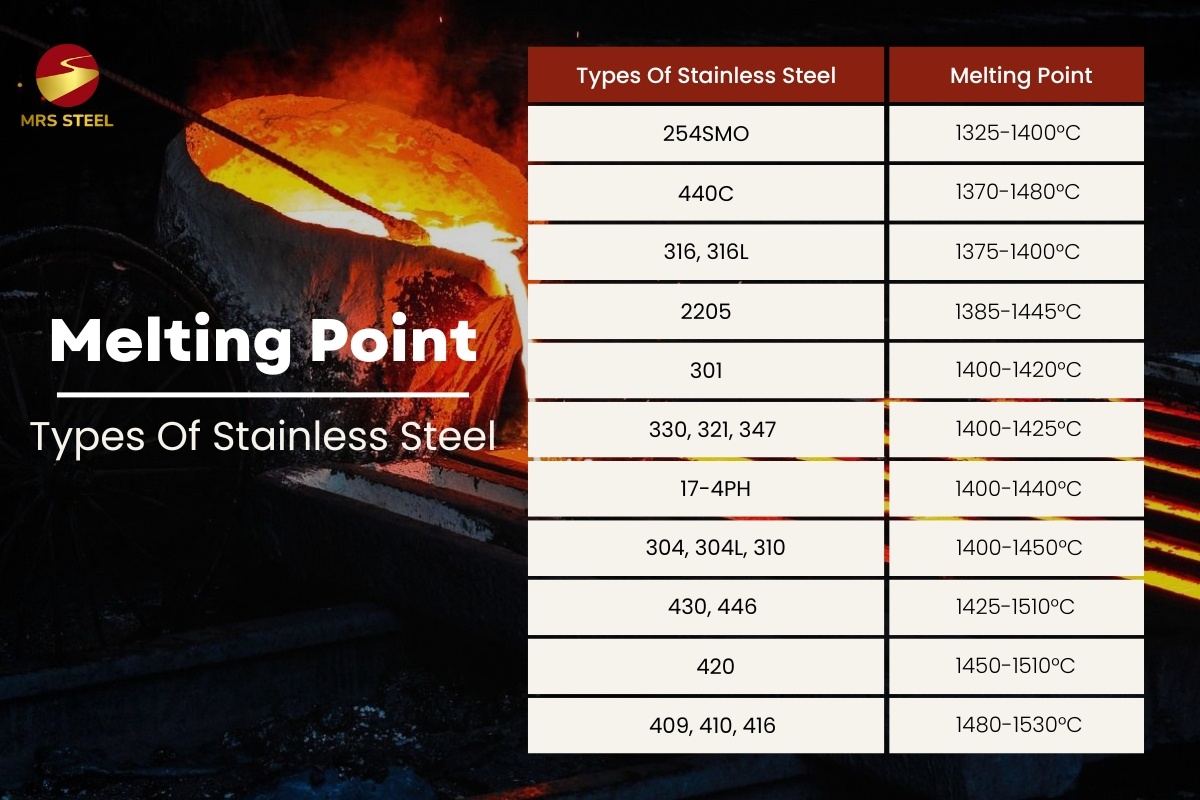
So, what exactly is this magic temperature? For most common types of steel, it’s a whopping 1370 degrees Celsius. That’s about 2500 degrees Fahrenheit for those of you who prefer your numbers a bit more… toasty.
To put that in perspective, if you were to touch a piece of steel that was just chilling at 1000 degrees Celsius, your hand would be… well, let’s just say it wouldn’t be a good day. It’s hotter than any campfire you’ve ever roasted marshmallows over, hotter than lava (almost!), and definitely hotter than your grandmother’s best casserole straight out of the oven.
Now, you might be thinking, "Why should I care about how hot steel gets?" Well, it's actually a pretty cool story! This whole melting point thing is what allows us to shape steel into all the amazing things we use every single day.
Think about it. Without being able to melt steel, we wouldn’t have skyscrapers that touch the clouds. We wouldn’t have the bridges that connect our cities, allowing us to zip from one place to another without a second thought. We wouldn’t have the cars we drive, the trains we ride, or even some of the medical equipment that keeps us healthy.
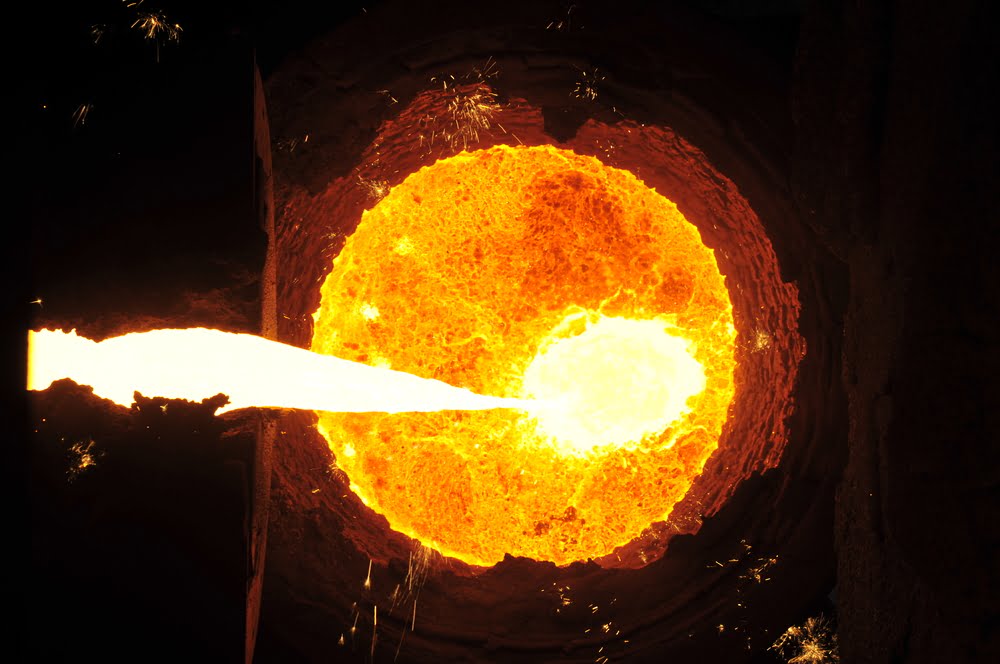
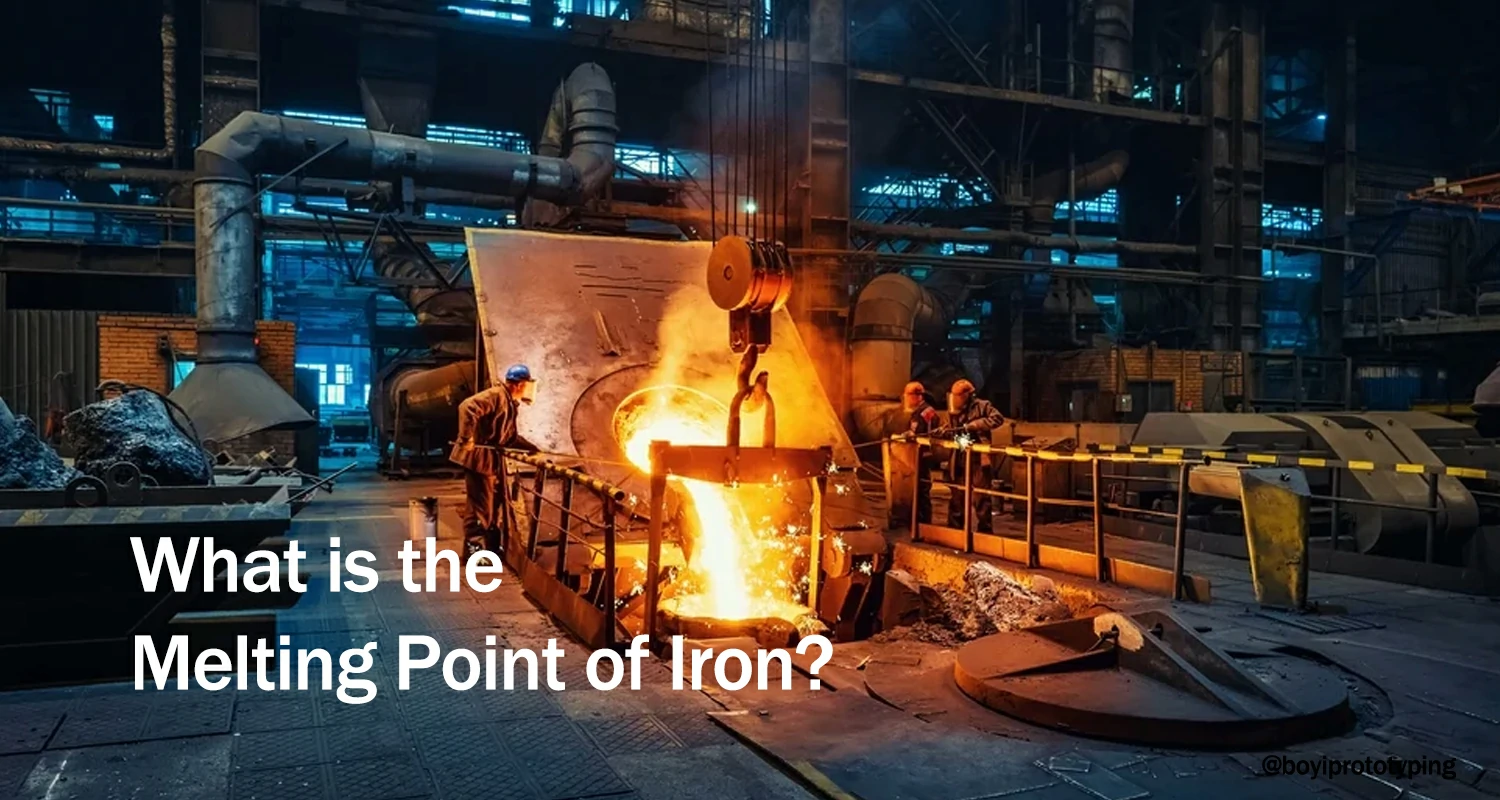
It all starts with melting. Imagine a giant, fiery cauldron, a bit like something out of a fairy tale, but with engineers and scientists instead of witches and wizards. They take raw materials, like iron ore and carbon, and heat them up to that incredible melting point.
Once steel is in its liquid, super-hot, fiery form, it's like a big, molten puddle of possibility. It can be poured into molds to create intricate shapes, like those fancy decorative railings on a balcony. It can be rolled into thin sheets to form the body of your car.
It’s a bit like a chef preparing a cake. They mix ingredients, then bake them in the oven. Except, instead of flour and sugar, these chefs are working with molten metal, and their "oven" is a blast furnace that makes a volcano look like a cozy fireplace.
The process is called smelting, and it’s been around for thousands of years. Imagine our ancient ancestors discovering this for the first time! They must have been absolutely amazed to see a hard, unyielding rock turn into a flowing, glowing liquid, and then cool down to become something even stronger and more useful.
It's a bit like a phoenix rising from the ashes, but instead of mythical birds, it's incredibly strong building materials! That initial spark of discovery must have been truly monumental.
The exact melting point can actually vary a tiny bit depending on the specific type of steel. Different mixtures of elements, like adding a little bit of chromium or nickel, can slightly raise or lower that magical number. It's like adding different spices to a recipe to change the flavor!
So, while we often say "around 1370 degrees Celsius," think of it as a guideline. Some super-specialized steels might need even more extreme temperatures to become pliable.
This is important for things like aerospace engineering. When rockets are blasting off into space, they encounter incredible heat and stress. The steels used in rocket engines have to withstand even higher temperatures and pressures, meaning they need to have very specific and robust melting points.
It’s fascinating to think about the dedication and ingenuity that goes into creating these materials. Imagine the first metallurgists, meticulously experimenting, trying to unlock the secrets of metal. They were the original mad scientists, but with incredibly useful results!

And what about the everyday objects? Your kitchen sink, for instance, is often made of stainless steel. That "stainless" part? It means it's made with added chromium, which helps it resist rust. And that steel still has to be melted and shaped to get its shiny, practical form.
Consider the humble paperclip. While not entirely made of pure steel (it’s usually a steel wire), the production of that wire involves melting and shaping steel. Even the smallest, most unassuming items owe their existence to this fiery transformation.
It’s easy to take these everyday materials for granted. We see them, we use them, and we rarely think about the incredible journey they took from raw earth to finished product. But the melting point of steel is a crucial step in that journey.
It’s the moment where potential becomes reality. Where something rigid and unyielding becomes fluid and adaptable, ready to be sculpted into whatever our imaginations (and engineers) can dream up.
Think about the sheer energy required to reach that temperature. It’s immense! Industrial furnaces are powerful beasts, designed to generate and contain that intense heat safely. It’s a testament to human engineering that we can harness such power.
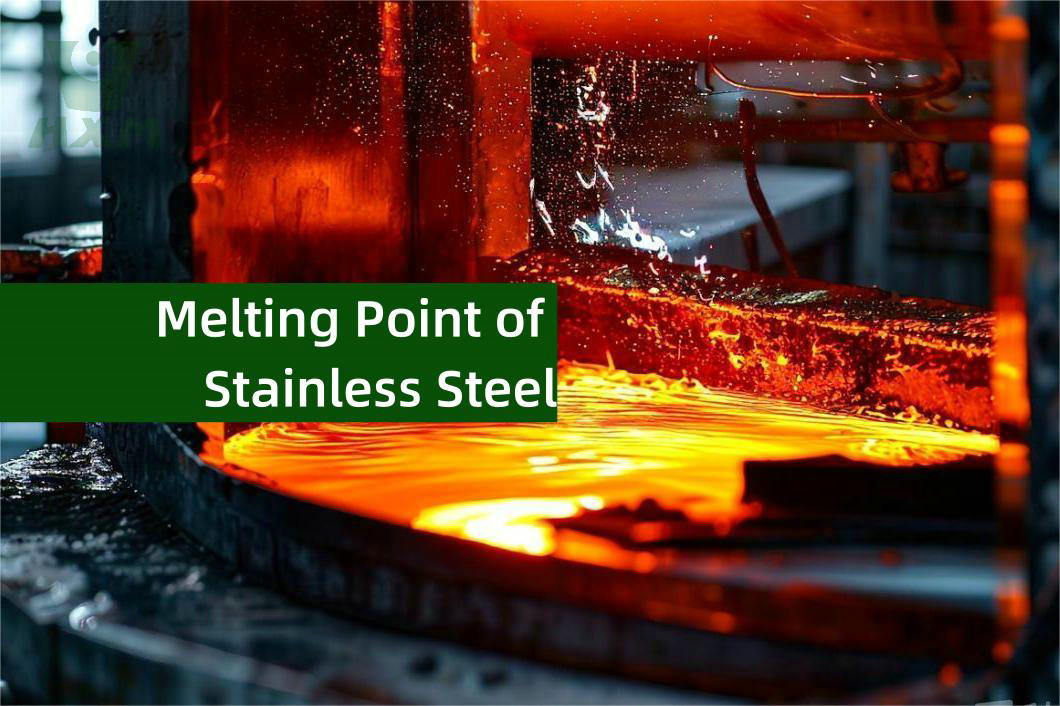
And there’s a certain beauty to it, too. Watching molten steel glow with an almost otherworldly light. It’s a raw, powerful spectacle. It’s like witnessing the birth of something truly magnificent.
So, the next time you’re holding a steel object, whether it’s a robust hammer or a delicate piece of cutlery, take a moment to appreciate the journey. Imagine that intense heat, that fiery transformation, that melting point of around 1370 degrees Celsius (or 2500 degrees Fahrenheit).
It's a reminder that even the strongest and most reliable things in our lives have a surprisingly hot and fascinating origin story. Steel isn't just metal; it's a testament to human ingenuity and the power of extreme heat!
And who knows, maybe the next time you’re enjoying a perfectly grilled steak on a steel barbecue, you’ll think, "Wow, this barbecue was once a glowing, molten puddle!" It adds a whole new layer of appreciation, doesn't it?
The world around us is literally built on these hot, molten foundations. It’s a rather comforting thought, that even our most solid structures started their lives in a state of fiery flux.