
What Is The Best Gauge Stainless Steel Sink

Alright, so you’re on the hunt for a new sink, huh? And you’ve landed on stainless steel – smart move! It’s like the Swiss Army knife of kitchen materials: durable, stylish, and doesn’t throw a fit when you accidentally drop a potato in it. But then you start looking, and BAM! You’re hit with this mysterious number: “gauge.” What in the world is that all about? Don’t worry, we’re about to break it down, nice and easy. Think of me as your friendly neighborhood sink whisperer, here to guide you through the stainless steel jungle.
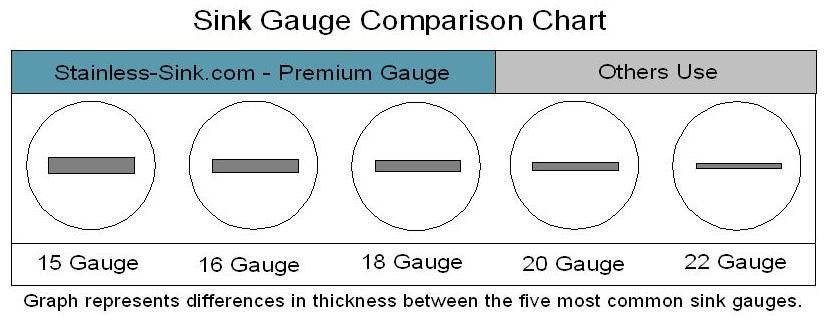
Basically, when we’re talking about stainless steel sinks, the gauge refers to the thickness of the metal. Now, here’s the funny little twist: the higher the gauge number, the thinner the steel. Yep, I know, it feels counterintuitive, right? Like why wouldn’t a bigger number mean bigger and better? Well, in the sink world, it’s the opposite. So, a sink with a gauge of 18 is thicker than a sink with a gauge of 20. Mind blown? Mine too, the first time I encountered it. It’s like a secret code the sink manufacturers are using to test our mettle (pun intended!).
So, why should you even care about the gauge? Well, it’s the difference between a sink that’s going to be your trusty kitchen sidekick for years to come, and one that might start showing its age faster than you can say “dish soap.” A thicker gauge sink is generally going to be more durable, quieter, and less prone to those annoying dings and dents that can happen when you’re wrestling with pots and pans. Think of it as the difference between a flimsy plastic ruler and a solid metal one. You know which one you’d trust with a serious task, right?
The Gauge Breakdown: What's "Good"?
Let’s get down to the nitty-gritty. When you’re shopping, you’ll most commonly see stainless steel sinks advertised with gauges like 16, 18, and 20. Sometimes you might even spot a 22, but we’ll get to that.
Gauge 20: The Budget-Friendly Buddy
So, you’re probably going to see a lot of gauge 20 sinks out there. And hey, there’s nothing inherently wrong with them! They’re usually the most affordable option, which is a big win for any budget-conscious shopper. They can look perfectly fine and do the job for a while. However, because they’re thinner, they tend to be a bit noisier. That clanging sound when you drop a fork? Yeah, you’ll hear it more with gauge 20. They can also be a little more susceptible to scratches and dents over time. If you’re not a super heavy-duty kitchen warrior and your budget is king, gauge 20 can be a decent choice. Just be prepared for a little more musical accompaniment from your sink.
Gauge 18: The Sweet Spot, The Goldilocks Zone
Ah, the beloved gauge 18. This is where things start to get really good. Most pros and homeowners agree that gauge 18 strikes that perfect balance between quality, durability, and price. These sinks are significantly thicker than their gauge 20 cousins. What does that mean for you? Well, for starters, they’re much quieter. That clatter of dishes? Muted. Much, much better. They’re also much more resistant to dings and scratches. You can feel a bit more confident banging around in the kitchen knowing your sink can take a lickin’ and keep on tickin’. Gauge 18 is the workhorse, the reliable friend who’s always there for you. It’s the most popular choice for a reason, folks!
Gauge 16: The Heavy Hitter, The Ultimate Warrior
Now we’re talking about the big guns: gauge 16. This is where you get some serious thickness and strength. Gauge 16 steel is substantial. These sinks are built to last, like a cast-iron skillet for your dishes. They are incredibly durable, practically impervious to everyday kitchen abuse. You’re going to hear very little noise from these guys – they’re practically silent ninjas of the sink world. They are also the most resistant to dents and scratches. If you’re someone who entertains a lot, does a ton of cooking, or just likes to know you’ve got the absolute best and strongest materials in your kitchen, then gauge 16 is your champion. The trade-off? They’re usually the most expensive option. But honestly, for the longevity and peace of mind, many people find it’s well worth the investment. It’s the Bentley of stainless steel sinks.
Gauge 22 (and thinner): The "Maybe Not" Zone
You might occasionally see sinks advertised with a gauge of 22 or even higher. While these are technically stainless steel, they are considerably thinner than the gauges we’ve discussed. These are generally found in very basic, builder-grade models. Honestly, if you’re looking for a sink that will stand the test of time and kitchen chaos, I’d probably steer clear of these. They’re more prone to damage and noise. Think of them as the fast-food burgers of the sink world – they fill a need in a pinch, but they’re not exactly a gourmet experience.
Beyond the Gauge: Other Things to Consider (Because Sinks Are Complicated!)
While gauge is a super important factor, it’s not the only thing that makes a great sink. Don’t get me wrong, it’s a biggie, like choosing your favorite pizza topping. But there are a few other players in this game:

The Type of Stainless Steel:
You might also see terms like "18/8" or "18/10" stainless steel. This refers to the composition of the steel. The first number is the percentage of chromium, and the second is the percentage of nickel. More chromium means better rust resistance, and more nickel means a shinier finish and added corrosion resistance. So, 18/10 is generally considered a step up from 18/8. It’s like the difference between a regular car and one with all the fancy upgrades!
The Finish:
Stainless steel sinks come in various finishes. A brushed finish is very common and helps to hide minor scratches. A polished finish is shinier but can show every fingerprint and scratch. There are also other finishes like satin, mirror, and hammered. Think about what look you’re going for and how much maintenance you’re willing to do. Do you want a sink that sparkles like a disco ball, or one that’s a bit more understated and forgiving?
The Configuration:
Are you a two-bowl person? Do you prefer one giant basin to wash your biggest pots? Or maybe a smart workstation sink with built-in accessories? This is a whole other discussion, but it’s important to think about how you actually use your sink. Are you a master chef who needs room to prep and wash simultaneously, or are you more of a “rinse and go” type?
Sound Dampening:
Even with a thicker gauge, some sinks come with extra sound-dampening pads or coatings on the underside. These are little heroes that absorb noise. So, if you’re super sensitive to sink sounds, look for these features. It’s like putting a mini-muffler on your sink!
So, What’s the Verdict? The "Best" Gauge!
Alright, let’s get back to the main question: What is the best gauge stainless steel sink? Drumroll, please…
For most people, the absolute sweet spot, the champion, the reigning monarch of sink gauges, is 18 gauge.
Why? Because it offers the best combination of durability, noise reduction, and value for your money. It’s the sink that will perform beautifully for years without breaking the bank. It’s the workhorse that won’t complain, the sturdy companion for all your culinary adventures.
If your budget is a bit tighter and you’re okay with a little more kitchen symphony, 20 gauge can still be a decent choice. Just be aware of its limitations.
And if you’re a serious kitchen enthusiast, a professional chef at home, or someone who simply wants the absolute most robust sink possible and isn’t afraid to spend a little more, then 16 gauge is your ultimate victory.
Ultimately, the "best" gauge is the one that best fits your needs, your lifestyle, and your wallet. It’s about finding that perfect harmony between form and function, noise and quiet, denting and enduring.
So, there you have it! You’ve conquered the mystery of sink gauges. Now you can stride into any kitchen store or browse any website with the confidence of a seasoned sink expert. You’ve got this! And remember, your sink is more than just a place to wash dishes; it’s the hardworking heart of your kitchen, the place where meals are born and memories are made. Choose wisely, and let your sink shine!