
What Is The Difference Between Genetic Engineering And Selective Breeding
Have you ever marveled at a rose with an impossibly vibrant hue, a tomato bursting with flavor, or a pet with truly unique markings? The world around us is a canvas of incredible diversity, and much of that is thanks to humanity's ongoing partnership with nature. While the terms might sound a bit intimidating, understanding the difference between genetic engineering and selective breeding can unlock a fascinating appreciation for how we shape the living world, and even spark a little creativity of your own!
For artists, hobbyists, and even the casually curious, delving into these concepts offers a fresh perspective. Imagine a digital artist creating fantastical creatures – understanding how traits are passed down can inform their designs. A gardener might dream of a petunia that glows in the dark, and while that's a bit beyond backyard tinkering, the principles behind it are rooted in these biological processes. Even a home baker experimenting with sourdough starters is, in a way, engaging in a very rudimentary form of guiding life's development.
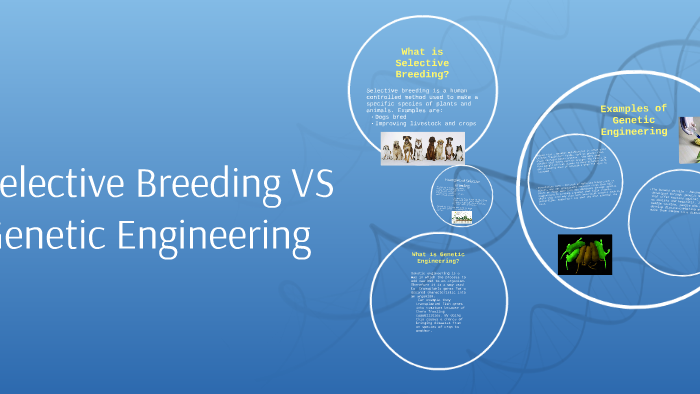
So, what's the real scoop? Think of selective breeding as a patient, time-tested artist. It's like choosing the most beautiful pigments from your palette and carefully mixing them, generation after generation. Humans have been doing this for thousands of years! We pick plants with tastier fruits or animals with calmer temperaments and encourage them to reproduce. Over time, these desired traits become more pronounced. Think of all the different dog breeds – from the tiny Chihuahua to the towering Great Dane – they all originated from wolves, but through generations of selective breeding, we’ve created this incredible spectrum of companions. Or consider the humble corn cob; the corn we eat today is a far cry from its wild ancestor, thanks to centuries of farmers choosing the best stalks.
Genetic engineering, on the other hand, is more like a highly precise, modern tool. Instead of waiting for generations and hoping for the right combination, scientists can directly edit the genetic code, the very blueprint of life. They can take a specific gene from one organism and introduce it into another, or even modify existing genes. This allows for more targeted and often faster changes. A classic example is creating crops that are resistant to pests or herbicides, reducing the need for chemical sprays. Another is developing bacteria that can produce life-saving medicines like insulin.
Feeling inspired to explore? While direct genetic engineering is best left to the labs, you can dabble in the spirit of selective breeding at home! Start a garden and pay close attention to which plants produce the most abundant flowers or the sweetest berries. If you're a pet owner, you might notice certain personality traits in your furry friends. Observe and appreciate these differences – it’s the first step to understanding. For the truly dedicated, there are even specialized hobbyist groups for things like dog breeding or developing unique varieties of houseplants, all relying on the principles of selective breeding.
Ultimately, both genetic engineering and selective breeding are testaments to the power of observation and human ingenuity. They’re about collaboration with the natural world, leading to a richer, more diverse, and often more beneficial existence. It's a constant process of discovery, and the results can be nothing short of spectacular. The joy comes from witnessing these transformations, from understanding the subtle, or sometimes dramatic, changes that life can undergo with a little guidance.