
What Is The Melting Temperature For Aluminum

I remember back in my high school days, tinkering with anything and everything I could get my hands on. My grandpa, bless his tinkerer soul, had a workshop that was a glorious mess of wires, tools, and… well, let's just say some questionable bits of metal. One sweltering summer afternoon, I was trying to fashion some sort of… uh… very sophisticated wind chime out of a pile of old aluminum cans. We're talking serious engineering here, people!
My grand plan involved melting them down. I’d seen it in cartoons, right? Just a quick zap, and poof, molten metal! So, I rigged up this contraption involving a blowtorch and a sturdy metal bucket. Spoiler alert: it didn’t quite go as planned. Instead of a glorious cascade of liquid aluminum, I got a lot of smoke, a slightly warped bucket, and a healthy dose of embarrassment. My grandpa just chuckled, shook his head, and said, "Takes more than a little flame, kiddo. Aluminum's a bit of a stubborn one."
And he was right. That little childhood experiment, albeit a fiery failure, got me wondering. What does it take to melt aluminum? It's everywhere, right? Your soda cans, your car parts, even some of those fancy kitchen pots. It’s this super common, seemingly ordinary metal. But when you really think about it, that transition from solid to liquid is kind of magical, isn't it?
So, let’s dive into the nitty-gritty of aluminum's melting point. Because, you know, understanding how things work is way cooler than just assuming they spontaneously combust (or in my case, barely char). And no, it’s not as simple as holding a match to it. Shocking, I know!
The Big Question: What Is the Melting Temperature for Aluminum?
Alright, let’s cut to the chase. The melting temperature for pure aluminum is approximately 660.3 degrees Celsius, or 1220.5 degrees Fahrenheit. Pretty specific, right? It’s like aluminum has its own personal temperature setting for when it decides to get all gooey.
Now, before you start picturing a giant vat of molten aluminum bubbling away like a witch's cauldron, remember that this is for pure aluminum. And in the real world, pure anything is kind of rare. Think about it – you rarely eat just pure sugar, right? You have cake, cookies, all sorts of delicious (and less pure) things.
The same goes for aluminum. Most of the aluminum we encounter is actually an alloy. What's an alloy, you ask? It's just a fancy word for a mixture of metals, or a metal mixed with other elements. Aluminum alloys are super common because adding other stuff can make aluminum stronger, more corrosion-resistant, or just generally better suited for whatever job you throw at it. Think airplane wings, bike frames, or those sleek smartphone casings.
So, How Do Alloys Mess With the Melting Point?
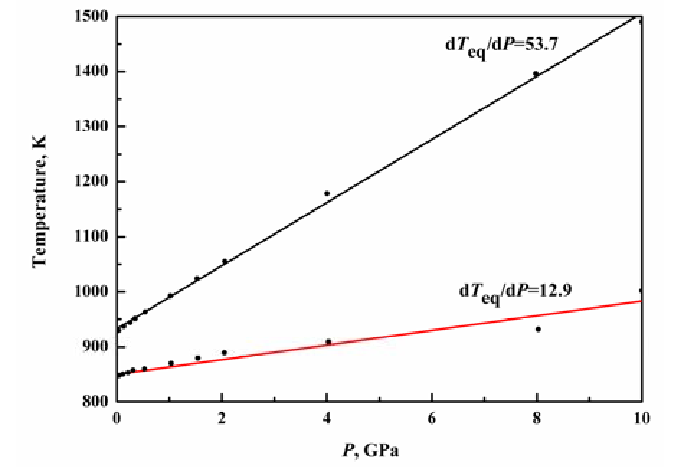
This is where things get a little more interesting, and a bit less straightforward. When you start adding other elements to aluminum, you can either raise or lower its melting point. It’s like adding a dash of spice to a recipe – it changes the whole flavor profile, or in this case, the melting profile.
For example, alloying aluminum with copper typically lowers its melting point. Makes sense, right? Copper melts at a lower temperature than aluminum. So, when you mix them, the whole mixture gets a bit lazier about staying solid. This can be a good thing, actually. It makes it easier to cast and shape these aluminum alloys into those intricate parts we rely on.
On the other hand, alloying with elements like silicon or magnesium can sometimes raise the melting point, or at least make the melting process a bit more complex. Instead of a clean, sharp melt, some alloys might start to soften and become mushy over a range of temperatures. It’s like trying to melt a chocolate bar versus trying to melt a block of ice. The chocolate goes from solid to liquid relatively quickly, but the ice melts gradually. Aluminum alloys can be a bit like that.
This variation is super important for engineers and manufacturers. They don't just grab any old aluminum; they choose specific alloys with precise melting characteristics for their applications. Imagine if your car engine block melted during a summer heatwave – not ideal, right? So, understanding these nuanced melting points is kind of a big deal.
Why Does This Even Matter? (Besides my failed wind chime experiment)
You might be thinking, "Okay, cool, 660 degrees. But why should I care?" Well, as I learned the hard way, a lot of things! Aluminum's melting point is a fundamental property that dictates how it's used and processed.
Manufacturing Processes: This is the big one. Aluminum is often melted and then poured into molds to create all sorts of things. This process, called casting, relies heavily on knowing the exact melting point of the specific aluminum alloy being used. Too hot, and you might get defects or burn the mold. Too cold, and the metal won't flow properly.
Welding: Ever seen a beautiful aluminum bike frame or a sleek piece of boat hardware? Chances are, it was welded. Welding aluminum involves heating it up to its melting point (or close to it) to fuse pieces together. Again, knowing the melting point is crucial to avoid damaging the material.
Recycling: This is where aluminum really shines, pun intended! Aluminum is incredibly recyclable, and it takes significantly less energy to melt down recycled aluminum than it does to produce new aluminum from raw materials (bauxite ore). That’s a huge win for the environment. And guess what’s the key to that recycling process? Melting it down! Understanding its melting point allows for efficient collection and reprocessing.

Safety: In applications where aluminum is exposed to high temperatures, its melting point is a critical safety factor. Think about brake components in cars or cookware. You don't want them turning into a puddle under normal operating conditions!
A Little History Lesson, Because Why Not?
Aluminum wasn't always the common, everyday metal we know today. In fact, it was once considered more precious than gold! Back in the 19th century, extracting pure aluminum was a seriously difficult and expensive process. It was so rare and valuable that Napoleon III, the Emperor of France, even had a set of aluminum cutlery that he reserved for his most honored guests. Can you imagine?
Why the fuss? Because aluminum is a super reactive metal. It readily forms a tough, protective oxide layer on its surface when exposed to air. This oxide layer actually prevents it from melting easily under normal, everyday conditions. It’s like a built-in shield! To get pure aluminum, you need to break through that oxide layer and use a lot of energy. The Hall-Héroult process, developed in the late 1880s, was a game-changer, making aluminum production much more affordable and paving the way for its widespread use.
So, Back to My Kitchen Experiments (and Yours)
My childhood attempt at melting aluminum cans was, shall we say, a tad ambitious. You need a significant amount of heat to get aluminum to that 660°C mark. A standard kitchen oven, even on its highest setting, won't even come close. You're looking at industrial furnaces, specialized kilns, or, as I learned with my blowtorch, very, very focused heat sources.

It’s also important to consider the forms of aluminum. While those soda cans are relatively thin and might warp or deform at high temperatures, they won't magically become liquid with a casual flame. A solid block of aluminum will require even more sustained heat to reach its melting point.
And let’s not forget the fumes! When aluminum is heated, especially impure aluminum or alloys, it can release fumes. These fumes can be harmful, so proper ventilation is absolutely essential if you're ever working with heated aluminum. Safety first, always!
The Takeaway: Aluminum is More Than Just a Shiny Metal
So, there you have it. The melting temperature for pure aluminum is around 660.3°C (1220.5°F). But the real story is in the nuances – the alloys, the historical significance, and the sheer ingenuity required to harness this versatile metal.
It’s a metal that’s literally shaped our modern world, from the planes we fly in to the devices we use every day. And all of it hinges on understanding its fundamental properties, like that crucial melting point.
Next time you crack open a soda can, take a moment to appreciate the journey that aluminum took to get to you. It's a journey that involves a lot of heat, a lot of science, and a lot of understanding of just how to make that shiny metal do exactly what we want it to do. And maybe, just maybe, it’ll inspire you to do a little tinkering of your own – though perhaps with slightly more advanced knowledge and safety precautions than a young, overly ambitious me!