
What Is The Minimum Slope For A Metal Roof
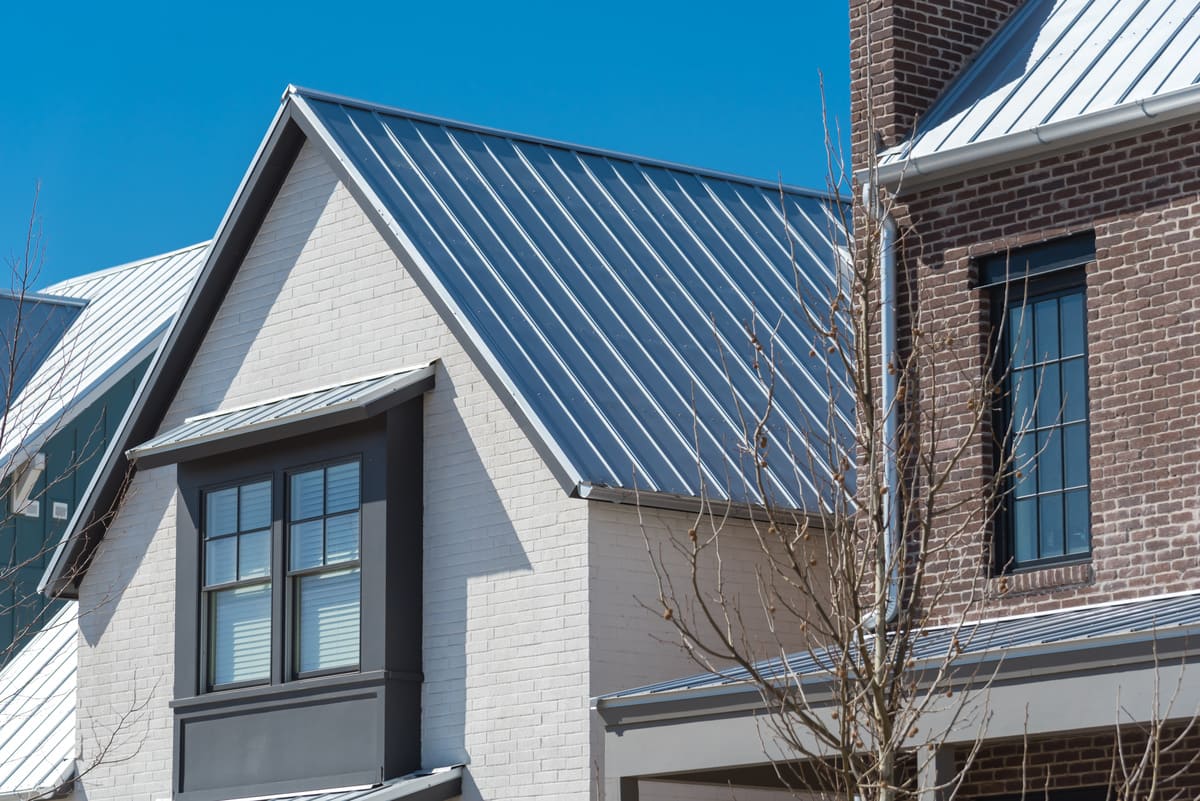
Ever gazed up at a sleek, modern metal roof and thought, "Wow, that looks sharp"? Maybe you've wondered if it's just about the aesthetics, or if there's some secret engineering magic happening up there. Well, buckle up, because we're about to dive into the fascinating (and surprisingly fun!) world of metal roof slopes. Who knew something so… sloped could be so exciting, right?
You see, when we talk about the minimum slope for a metal roof, we're not just talking about a boring technicality. We're talking about the unsung hero that keeps your home dry, your worries at bay, and your roof looking fabulous for years to come. Think of it as the roof's personal bodyguard, ensuring water (and snow, and rogue acorns) knows exactly where to go: away from your cozy abode. Pretty cool, huh?
So, what's the magic number? The general consensus, the golden rule, the industry-approved sweet spot for most standard metal roofing panels is a slope of 3:12. Now, don't let the numbers scare you! In plain English, that means for every 12 inches you measure horizontally, the roof rises or falls 3 inches vertically. Imagine a tiny staircase, but on your house! That’s your minimum slope.
Why 3:12, you ask? It’s all about gravity, my friend. Gravity is a powerful force, and on a metal roof, we want to harness its power to our advantage. A 3:12 slope is just enough to ensure that water and snowmelt can flow freely down the panels and into your gutters. It prevents puddling, which can lead to all sorts of unpleasantness, like leaks and premature wear and tear. Nobody wants a leaky roof, and certainly not one that looks like a tiny water park after a rain shower!
Now, you might be thinking, "Can't we go even flatter? I like the look of a super low-slope roof!" And yes, you can have metal roofs on lower slopes. But here's where it gets interesting, and why understanding that 3:12 minimum is so important. When you dip below that 3:12 mark, you’re entering the realm of what we call low-slope metal roofing. And for this special category, things get a bit more… specialized.
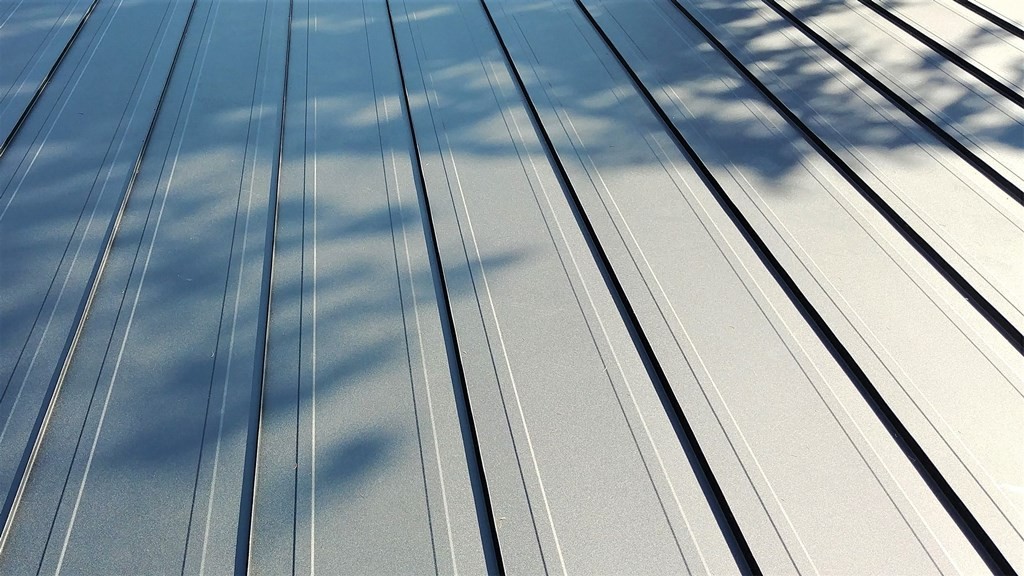
For roofs with slopes between 1:12 and 3:12, you’ll typically need to use standing seam metal panels. These aren't your average corrugated panels. Standing seam roofs have raised seams that interlock, creating a more robust barrier against water intrusion. It's like giving your roof a really good hug to keep the elements out! The seams are literally standing up, ready to direct water away with even more authority.
And what about roofs that are practically flat? Like, really flat? For slopes less than 1:12, you’re venturing into the territory of flat roof metal systems. These are even more engineered, often involving different installation techniques and specialized sealants to ensure absolute watertightness. Think of it as giving your roof a whole spa day to achieve ultimate dryness. It’s all about creating a seamless, impenetrable shield.
Why This Matters To YOU (Besides Avoiding Puddles)
So, why should you, the discerning homeowner or aspiring DIY enthusiast, care about this little detail? Because it’s the key to making a smart investment in your home! A metal roof, when installed correctly with the right slope, is a marvel of modern building science. It’s durable, energy-efficient (keeping you cooler in the summer and warmer in the winter), and let’s be honest, it looks incredibly stylish.
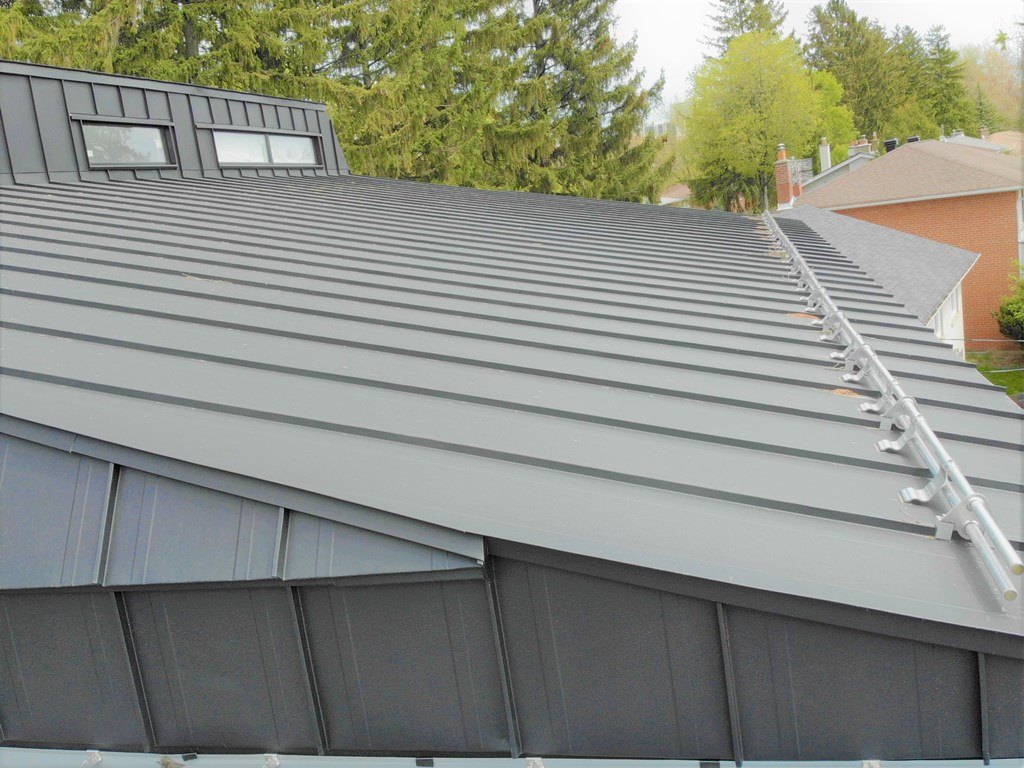
Think about the peace of mind. Knowing that your roof is expertly designed to shed water, to withstand the elements, and to look fantastic doing it? That’s a level of confidence that’s truly inspiring. It frees you up to focus on the more enjoyable things in life, like… well, whatever makes your heart sing! Maybe it’s tending to your garden, planning your next vacation, or simply enjoying a quiet cup of coffee on your porch, knowing your roof is handling its business.
And the fun doesn't stop there! The world of metal roofing is surprisingly diverse. You have different panel profiles – from the sleek, modern standing seam to the more traditional corrugated look. You have a dazzling array of colors and finishes. You can even get metal roofs that mimic the look of wood shakes or tiles! It’s like a buffet for your roof, where you get to pick the most delicious and durable option.
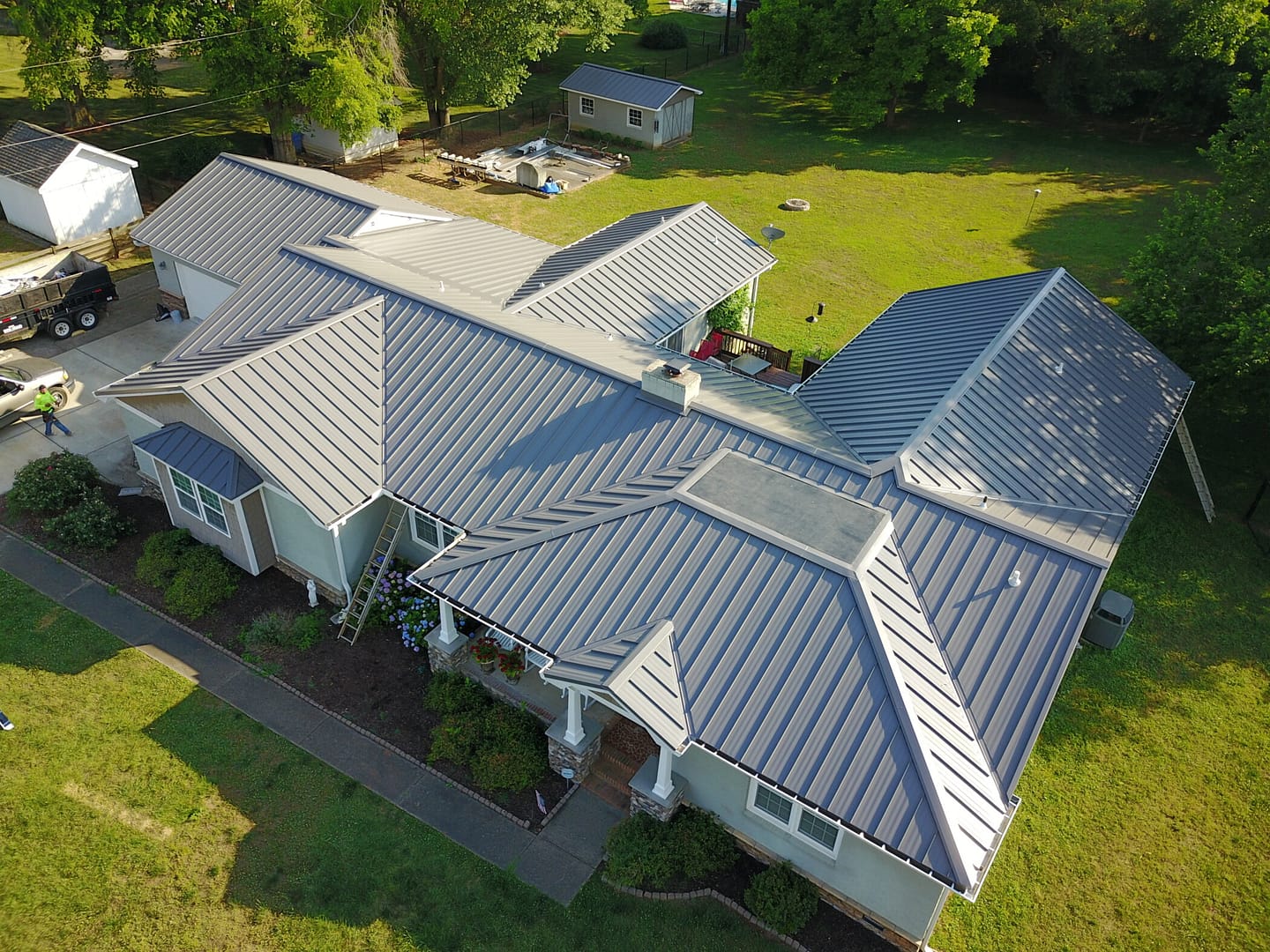
Understanding the minimum slope is like knowing the secret handshake to unlocking the full potential of your metal roof. It’s the difference between a roof that just is and a roof that performs. It’s the difference between a structure and a statement.
Consider this your invitation to explore! Don't just take my word for it. Dive deeper! Look at pictures of beautiful metal roofs and see if you can guess their slope (it's a fun game, I promise!). Talk to roofing professionals. Learn about the different types of metal roofing systems and their specific slope requirements. The more you learn, the more you'll appreciate the clever engineering that goes into protecting our homes.
So, the next time you see a metal roof, don't just see metal. See a testament to smart design, a guardian against the weather, and a beautiful addition to any home. And remember that magic 3:12 number – it’s the foundation for a roof that’s not just functional, but truly inspiring. Go forth and be curious about the roofs above you! You might just find your next passion project or a whole new appreciation for the structures that shelter us. Happy sloping!