
What Is The Most Common Cat Color
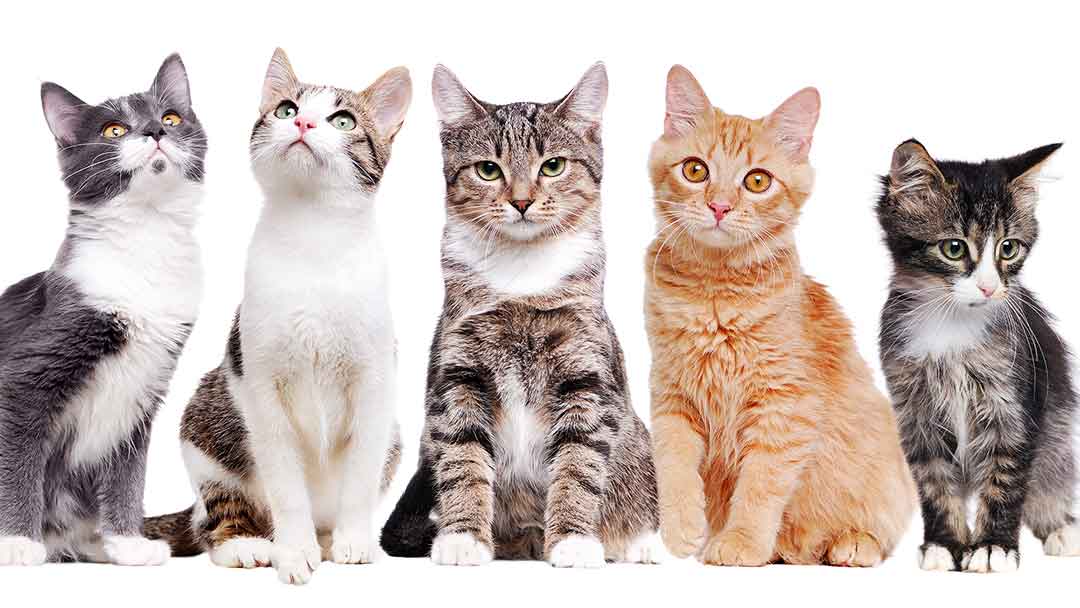
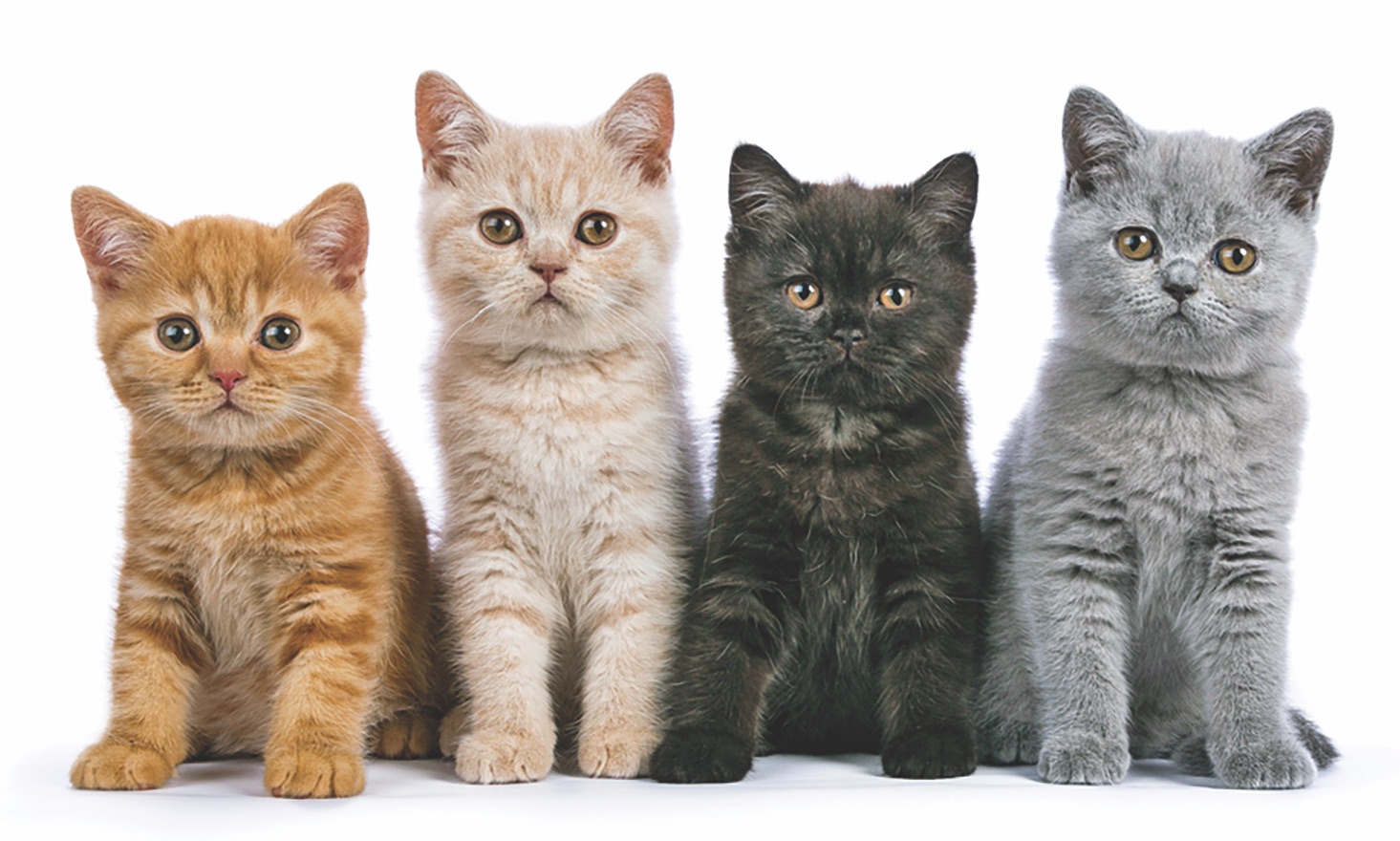
Ever find yourself staring at a beautiful feline, just wondering... what's up with their fur? Cats come in a dazzling array of colors and patterns, from deep, inky blacks to fluffy whites, and all the tabby, calico, and tortoiseshell wonders in between. It's like nature's own art studio, right? But have you ever stopped to ponder, amidst all this furry variety, is there a most common cat color out there? Like, if you were to line up a thousand random cats, what color would you see the most?
It’s a question that pops into your head when you’re, say, at the animal shelter, or scrolling through endless adorable cat photos online. It’s not exactly a pressing mystery, but it’s a fun little tidbit of cat trivia, don’t you think? And the answer, as with many things in life, is a little more nuanced than a single, simple shade.
The Reigning Champs of Cat Coats
So, what's the deal? Drumroll, please... the most common cat color, or more accurately, pattern, isn't just a solid color. It's actually the tabby pattern! Yep, those classic stripes, swirls, and spots that grace so many of our feline friends are the reigning champions of cat coats.
But wait, you might be thinking, "Tabby isn't a color, it's a pattern!" And you'd be absolutely right! This is where it gets interesting. The tabby pattern is actually caused by a specific gene that influences the distribution of pigment in a cat's fur. Think of it as the blueprint for those iconic markings.
Within the tabby world, there are actually four main types: the classic (or blotched) tabby, the mackerel (striped) tabby, the ticked tabby, and the spotted tabby. Each has its own unique flair. The classic tabby is like a marble cake of fur, with bold, swirling patterns. The mackerel tabby is all about those neat, parallel stripes, like a tiny tiger. Ticked tabbies are more subtle, with individual hairs having bands of color, giving them a salt-and-pepper look. And spotted tabbies? Well, they're just adorable little dots!
Why Are Tabbies So Common?
This is where the curious part kicks in. Why has the tabby pattern become so widespread? There are a couple of popular theories, and they're pretty cool to think about.
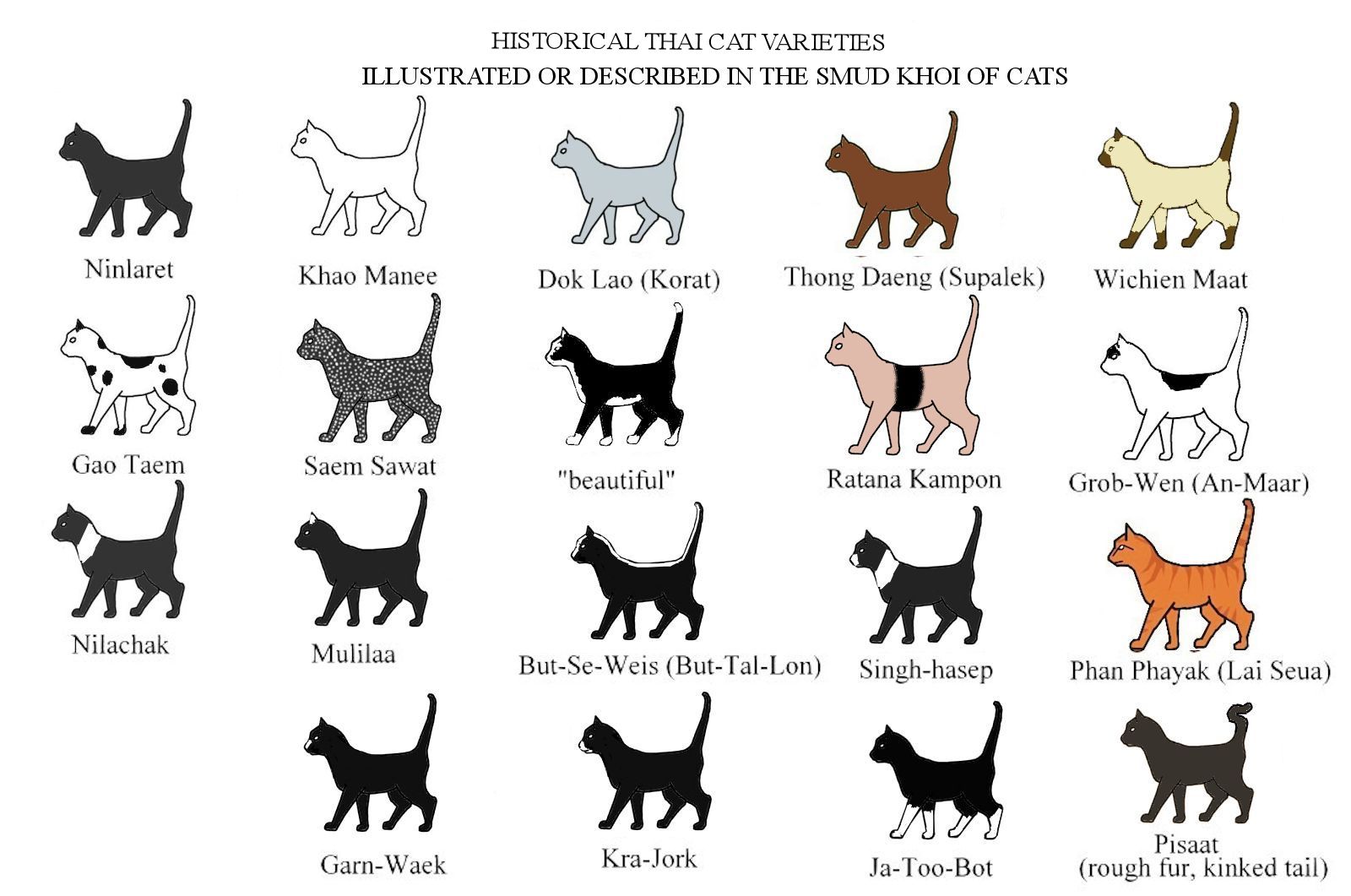
One big reason is likely tied to their wild ancestors. Think of the African wildcat, from which our domestic cats are believed to have descended. These wild kitties are natural survivors, and their coat patterns provided excellent camouflage. The tabby markings helped them blend seamlessly into their surroundings, whether that was tall grass, rocky terrain, or dappled sunlight. This camouflage would have been a huge advantage when hunting prey or avoiding predators.
So, in a way, our beloved tabby cats are carrying on a proud tradition of their wilder relatives! It's like a genetic inheritance of camouflage skills, passed down through generations. It’s pretty wild to think that the cozy tabby cat curled up on your lap might have the same basic coat blueprint as a lion or a tiger, just on a much smaller, more cuddly scale.
Another factor could be the genetic stability of the tabby gene. It's a dominant trait, meaning that if a cat inherits just one copy of the tabby gene from its parents, it will display the tabby pattern. This makes it more likely to pop up in populations, especially when you consider how cats breed!

Beyond the Tabby: Other Popular Hues
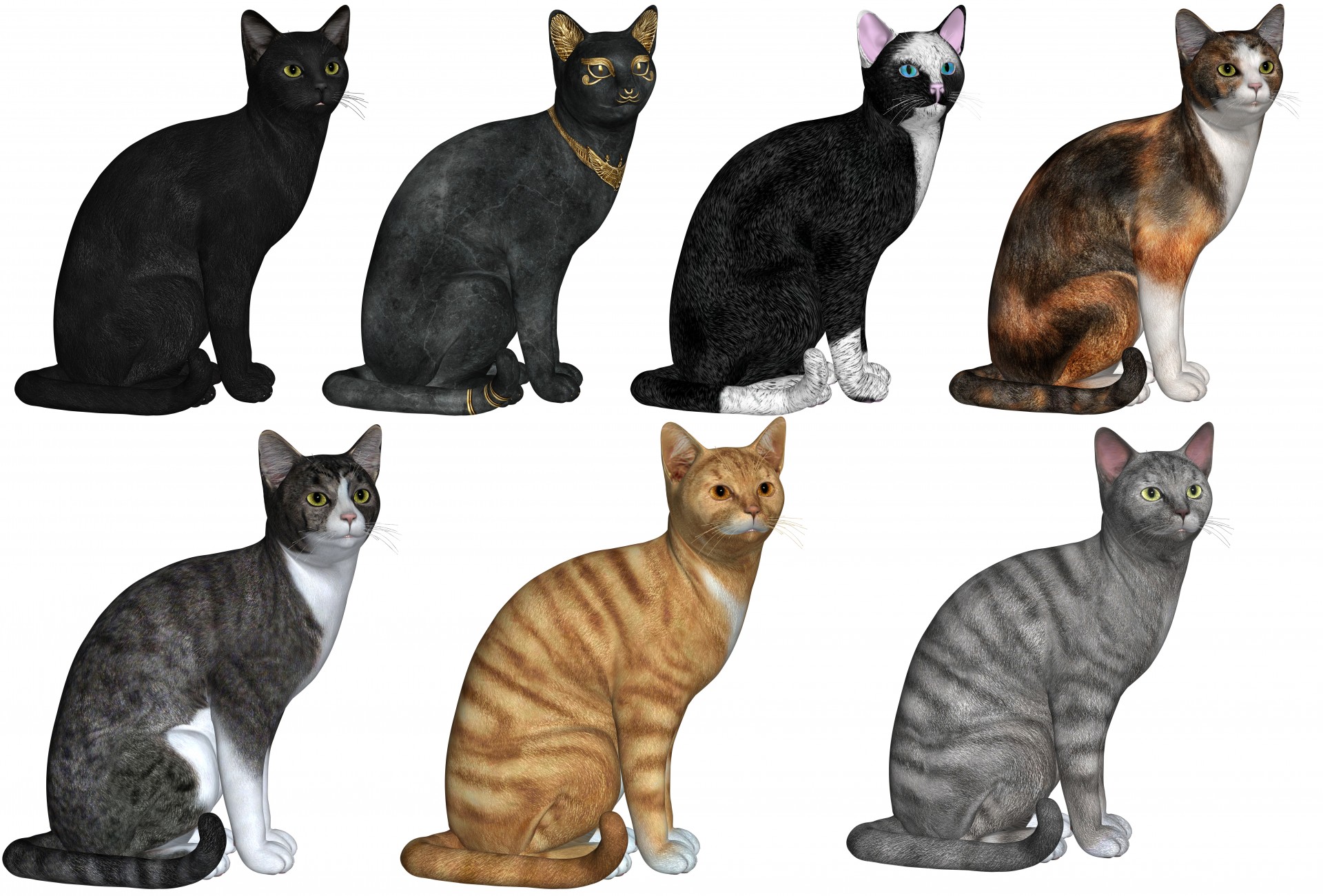
While the tabby pattern reigns supreme, it's important to remember that "tabby" itself can come in different colors. You can have a brown tabby, a grey tabby, an orange tabby, and even a cream tabby. So, when we talk about the "most common cat color," we're really talking about the presence of that distinctive tabby marking, regardless of the underlying pigment.
What about solid colors? Are any of those particularly common? Well, solid black cats are pretty striking, aren't they? And they do seem to be quite prevalent. Similarly, solid white cats, with their sometimes striking blue or odd eyes, are also a common sight.
And then there are the black and white cats, often called tuxedo cats! These guys are incredibly popular. Their crisp black fur with a white chest and paws makes them look like they're always dressed for a fancy occasion. They’re like the little gentlemen and ladies of the cat world. It’s a simple combination, but undeniably charming.
The Mysterious Solid Black Cat
Solid black cats have a fascinating history and, unfortunately, a bit of a reputation to overcome. In some cultures, black cats have been associated with bad luck, which is a real shame because they are absolutely gorgeous! Their sleek, dark fur can absorb light in a way that makes them look like little shadows or mysterious voids. They're like living pieces of midnight.
Genetically, solid black is a fairly straightforward trait. It’s due to a gene that masks all other color genes, resulting in a uniformly black coat. They're like a blank canvas, and their personalities can be just as varied and vibrant as any other cat!
What About Calicos and Tortoiseshells?
We can't talk about common cat colors without mentioning calicos and tortoiseshells, can we? These are the true wonders of feline genetics. Calico cats are typically tri-colored, with patches of white, black (or grey), and red (or orange). Tortoiseshell cats, on the other hand, are usually a mottled mix of black (or grey) and red (or orange), with very little to no white.
Here's a fun fact: the vast majority of calico and tortoiseshell cats are female! This is because the genes for orange and black fur are located on the X chromosome. Since females have two X chromosomes (XX), they can carry both the gene for orange and the gene for black. Males, with one X and one Y chromosome (XY), can generally only be orange or black, not both. Isn't that neat? It's like nature's way of creating a special, colorful club for the ladies!
While not as universally common as the tabby pattern, calicos and tortoiseshells are certainly widespread and easily recognizable. Their unique, patchy coats make them stand out in a crowd, and their personalities are often just as vibrant and feisty as their fur suggests.
It All Comes Down to Genetics and History
So, to wrap things up, when you ask about the "most common cat color," it's the tabby pattern that takes the crown. This pattern, with its roots in the survival needs of wildcats, has been passed down through countless generations, making it incredibly prevalent in our domestic cat populations.
But the beauty of cats is that they offer so much more than just one dominant look. From the sleek mystery of a black cat to the dapper charm of a tuxedo cat, and the striking artistry of a calico or tortoiseshell, every cat is a unique masterpiece. It's this incredible diversity that makes observing and loving our feline companions such a joy. So next time you see a cat, take a moment to appreciate its coat – it's a little piece of natural history right there!