
What Is The Most Important Element Of Steel
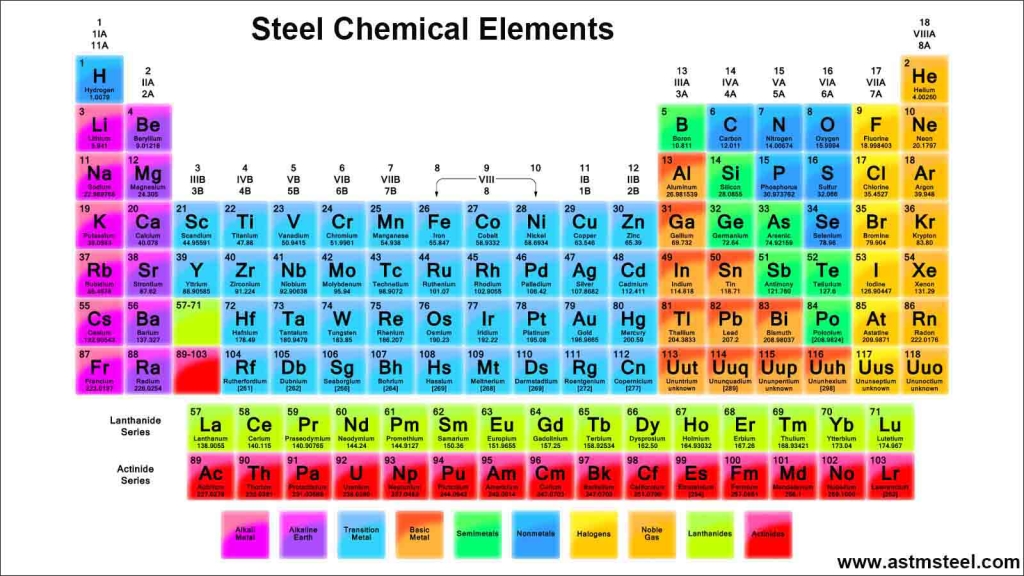
Ever found yourself staring at a sturdy kitchen knife, admiring its sharp edge? Or maybe you’ve leaned against a sleek, modern steel railing, enjoying the view? Steel, in all its glorious forms, is a fundamental part of our everyday lives, often working its magic silently in the background. But have you ever stopped to wonder what makes this material so incredibly… well, steely? It’s not just magic, though it sometimes feels like it. It’s science, of course, but a surprisingly accessible kind of science. Today, we’re diving into the heart of what gives steel its superpower, and trust me, it’s not as complicated as it sounds.
Think of steel as iron’s super-powered alter ego. Pure iron, while useful, is a bit of a softie. It’s malleable, sure, but it lacks that robust strength and durability we associate with steel. It’s like a decent everyday car versus a high-performance sports car. Same basic engine, but one is designed to go the extra mile (or lap) with significantly more oomph. So, what’s the secret ingredient that transforms humble iron into the backbone of our modern world?
The answer, in its simplest form, is carbon. Yep, that’s right. That little element, often associated with charcoal or even diamonds (in a very different arrangement, of course!), is the undisputed MVP in the steel game. When you add a small amount of carbon to iron, something truly remarkable happens. The iron atoms and carbon atoms interact in a way that creates a much stronger, harder, and more resilient material. It’s a bit like adding a secret spice to a recipe – a tiny bit makes all the difference.
The Magic of the Carb-Iron Connection
So, how does this work? Imagine the iron atoms arranged in a neat, orderly grid. When carbon atoms are introduced, they slip into the spaces between these iron atoms. This intrusion disrupts the smooth sliding of iron atoms past each other, which is what happens when pure iron is stressed. Instead, the carbon atoms act like tiny, stubborn wedges, holding the iron structure in place. This significantly increases the material’s strength and hardness. It’s like trying to push a stack of perfectly aligned books versus a stack where someone has wedged marbles between them – much harder to move the latter!
The amount of carbon is absolutely crucial. Too little, and you’re still basically dealing with iron. Too much, and the steel can become brittle, prone to cracking under pressure. The sweet spot, for most common steels, is typically between 0.2% and 2.1% carbon by weight. Think of it as the Goldilocks zone for steel creation – not too little, not too much, but just right.
This precise dance between iron and carbon is what allows us to create everything from the fine surgical instruments that save lives to the towering skyscrapers that define our cityscapes. It’s a testament to how small additions can lead to monumental changes.
Beyond Carbon: The Supporting Cast
While carbon is undeniably the star of the show, it’s not the only player on the steel team. Other elements, often called alloying elements, are added to fine-tune steel’s properties for specific applications. These are like the talented supporting actors who bring depth and nuance to the main performance. Think of them as the special effects that make the movie truly spectacular.
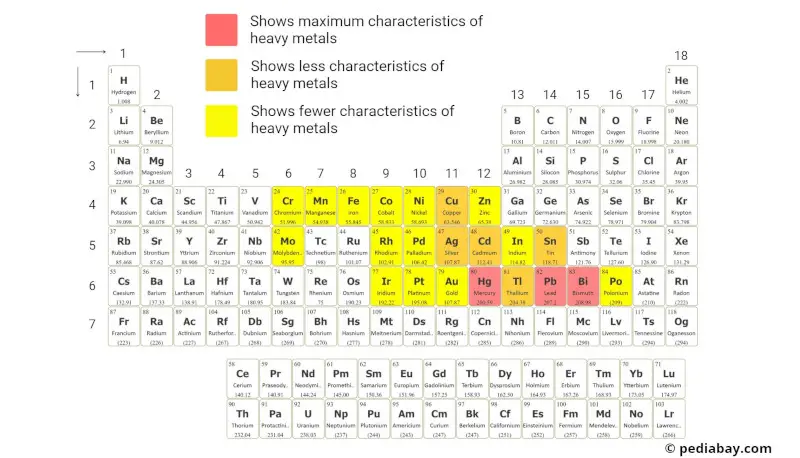
For instance, adding chromium is a game-changer. You’ve probably heard of stainless steel, right? That gleaming, rust-resistant marvel used in everything from your sink to your favourite cutlery? That’s thanks to a healthy dose of chromium. Chromium forms a thin, invisible, and self-healing layer of oxide on the surface of the steel, protecting it from corrosion. It's like giving your steel a built-in shield against the elements. This is a major reason why stainless steel is so popular in kitchens and medical settings – hygiene and longevity are paramount.
Manganese is another important player. It helps to improve strength and hardenability, and it also helps remove sulfur, an element that can make steel brittle. So, manganese is like the backstage crew, ensuring everything runs smoothly and preventing potential disasters. It plays a crucial role in deoxidation (removing oxygen) and desulfurization during the steelmaking process.
Then there’s nickel. When added, often alongside chromium, nickel significantly increases steel’s toughness and resistance to corrosion, especially in harsh environments. It’s often found in high-strength, low-alloy (HSLA) steels, which are used in everything from bridges to submarines. Nickel helps steel retain its strength and ductility even at very low temperatures, making it ideal for applications in colder climates or extreme conditions.
Molybdenum is added to increase hardness, strength, and toughness, particularly at high temperatures. This makes it valuable for tools that experience a lot of friction and heat, like drill bits. It can also improve the corrosion resistance of stainless steels.

And we can’t forget vanadium, which is often added in small amounts to refine the grain structure of steel, leading to increased strength and toughness without sacrificing ductility. It’s like a meticulous editor, ensuring every sentence is perfectly crafted for maximum impact.
The Art and Science of Steelmaking
The process of creating steel is as fascinating as the material itself. It all starts with iron ore, which is then smelted in a blast furnace to produce pig iron. Pig iron is still too impure and brittle to be considered steel. The real transformation happens in an oxygen furnace or an electric arc furnace, where the excess carbon and impurities are removed, and the precisely measured alloying elements are added. It’s a bit like a high-tech culinary process, where raw ingredients are transformed into a refined delicacy through controlled heat and precise measurements.
The temperature control during steelmaking is incredibly delicate. The molten steel is poured into molds, and its cooling rate is carefully managed. This process, known as heat treatment, can dramatically alter the steel’s microstructure and, consequently, its properties. Annealing, hardening, and tempering are all techniques used to achieve specific characteristics like increased hardness, improved toughness, or reduced internal stress. It’s like giving the steel a personalized workout routine to get it into peak condition for its intended job.
Fun Fact: The term "stainless steel" wasn't coined until 1913 by Harry Brearley, who accidentally discovered its rust-resistant properties while experimenting with gun barrels! Imagine the surprise when he realized his test piece wasn't corroding like the others. Sometimes, the most revolutionary discoveries happen when you’re not even looking for them.

Steel in Our Lives: More Than Just Metal
Let’s talk about where we encounter steel. It’s everywhere! From the humble nail holding your picture frame to the massive girders of a bridge, steel is the silent workhorse. Think about your kitchen: stainless steel pots, pans, knives, appliances – all rely on the unique properties of this alloy. Your car? Packed with steel components for safety and performance. Even the railways that transport goods and people across continents are made of steel.
And it’s not just about brute strength. Steel’s versatility is its true genius. Architectural designs often leverage steel’s ability to span large distances, allowing for open-plan spaces and sleek, modern aesthetics. Think of the iconic Eiffel Tower – a marvel of steel engineering that has stood the test of time and become a global symbol.
Cultural Nugget: The concept of steel as a symbol of strength and progress is deeply ingrained in many cultures. In literature and mythology, it's often associated with heroes and their legendary weapons. The very word "steel" evokes a sense of resilience and unyielding determination. It’s a material that has literally shaped civilizations.
The evolution of steelmaking has been a continuous journey of innovation. From the early days of blacksmithing to today’s advanced metallurgical processes, humans have been refining their ability to harness the power of iron and carbon. Each advancement has opened up new possibilities and enabled us to build more complex, durable, and sophisticated structures and tools.

The Undisputed Champion: Carbon
So, circling back to our original question: what is the most important element of steel? Without a shadow of a doubt, it’s carbon. It’s the fundamental ingredient that unlocks the potential of iron, transforming it from a soft, pliable metal into the incredibly strong and versatile material we rely on. All the other alloying elements are crucial for tailoring specific properties, but without that initial carbon addition, you simply wouldn’t have steel.
It’s a beautiful example of how a seemingly small addition can have a profound impact. It’s like the core message in a great speech, or the essential melody in a captivating song. Without it, the rest simply wouldn’t work. Carbon is the essential spark, the foundational element that makes steel, well, steel.
Think about it: the sharp edge of your knife is maintained by the hardness that carbon provides. The structural integrity of a building is a testament to the strength that carbon imbues. Even the sheen of your stainless steel appliances is a result of the underlying steel structure, made possible by carbon.
A Moment of Steel Reflection
In our fast-paced world, it’s easy to overlook the materials that underpin our daily lives. We interact with steel constantly, often without a second thought. But understanding what makes it so remarkable offers a little glimpse into the ingenuity of human innovation and the elegant simplicity of nature’s building blocks. It’s a reminder that even the most complex technologies and structures are often built upon fundamental principles, like the simple but powerful combination of iron and carbon.
The next time you use a steel utensil, lean on a steel railing, or simply admire a steel structure, take a moment to appreciate the humble carbon atom. It’s the unsung hero, the silent force that gives steel its strength, its durability, and its indispensable role in shaping our world. It’s a lesson in how even small components, when combined thoughtfully, can create something truly extraordinary and enduring. And that, perhaps, is a philosophy we can all take to heart, both in our grand designs and in our everyday lives.