
What Is The Most Painful Ear Piercing To Get

Alright, let's dive into a topic that's been buzzing around for ages, literally! We're talking about ear piercings – those tiny little metal accents that can add so much personality to your look. But as any seasoned piercer or seasoned piercee will tell you, not all holes are created equal. Some feel like a gentle pinch, while others… well, let's just say they're the stuff of legend (and maybe a few whispered warnings in the piercing studio).
So, you’ve got that itch, that desire for a new piece of sparkle adorning your earlobe, but you’re also a bit of a wimp when it comes to pain. We get it. It’s a valid concern! The journey to a perfectly curated ear stack can be a little bumpy, and understanding which piercings might bring on the tears is the first step to navigating it like a pro. Let’s break down the contenders for the most painful ear piercing, shall we?
The Pain Scale: Myth vs. Reality
Before we get into the nitty-gritty of specific piercings, it’s important to acknowledge that pain is, well, super subjective. What feels like a 10 out of 10 for one person might be a mere 4 for another. Factors like your personal pain threshold, your mood that day, the piercer's skill, and even the jewelry you choose can all play a role.
Think of it like this: a really good massage can be intensely satisfying but also push your comfort zone a little. A piercing is similar. It's a deliberate act of creating a tiny wound, and your body’s reaction to that is going to be unique. So, while we can discuss general trends and anatomical considerations, remember this is a guide, not a definitive decree.
The Usual Suspects: Lobe vs. Cartilage
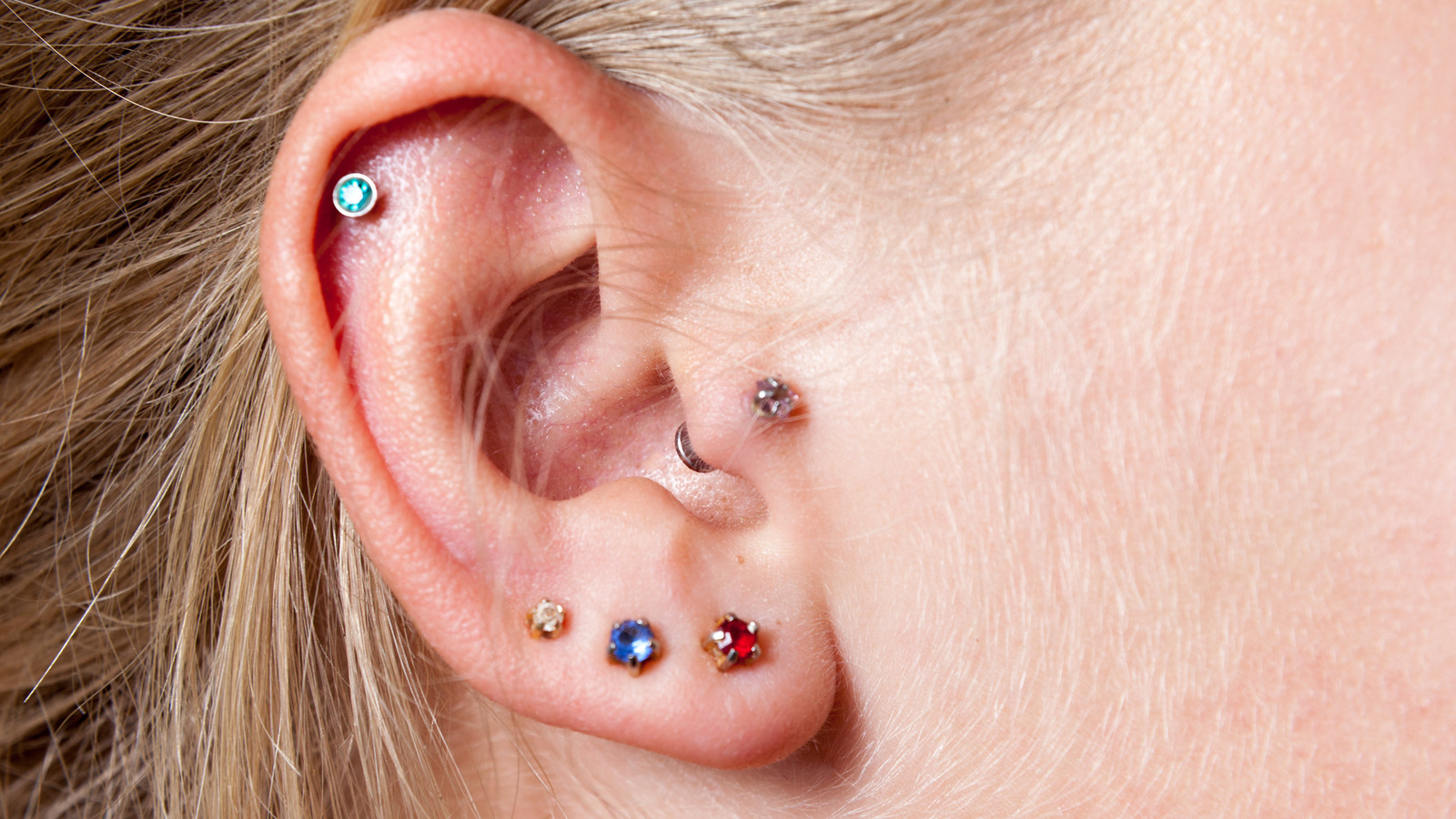
Let’s start with the undisputed champions of the "least painful" category: the earlobes. If you're new to the piercing world, this is almost always the starting point. Your earlobes are primarily made of soft, fatty tissue with a good blood supply. This means they heal relatively quickly and the initial piercing sensation is usually a quick pinch or sting.
Think of it like a mosquito bite – a brief moment of discomfort, and then you’re good to go. Most people can handle a standard lobe piercing with minimal fuss. You might experience a little throbbing afterward, but it’s generally manageable with aftercare.
Now, let’s venture into the territory of cartilage. This is where things get a little more… interesting. Cartilage is tougher, denser tissue with a much poorer blood supply compared to your lobes. It’s the framework of your ear, giving it its shape. Because of this, cartilage piercings tend to hurt more initially and take significantly longer to heal.
Imagine trying to push a needle through a piece of firm rubber versus a soft marshmallow. That’s kind of the difference we’re talking about here. The more cartilage involved, the more likely you are to experience a more intense sensation.
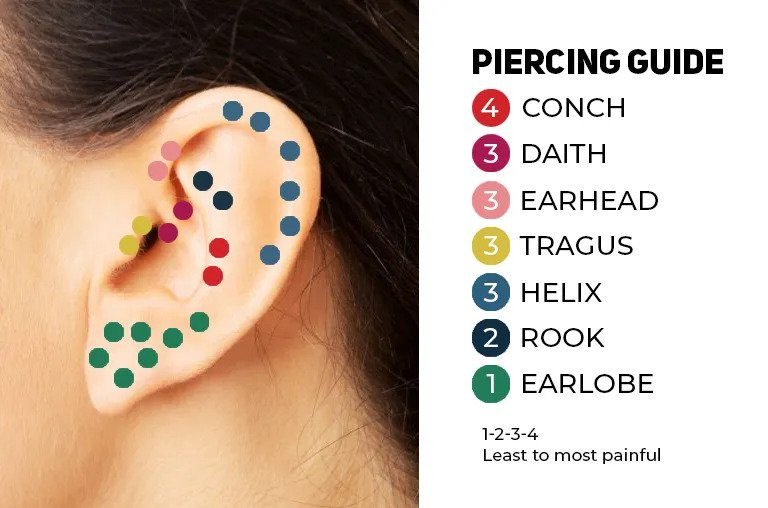
The Contenders for "Most Painful Ear Piercing"
So, which specific cartilage piercings are giving us the most cause for concern? Drumroll, please…
The Industrial Piercing (aka The Scaffold Piercing)
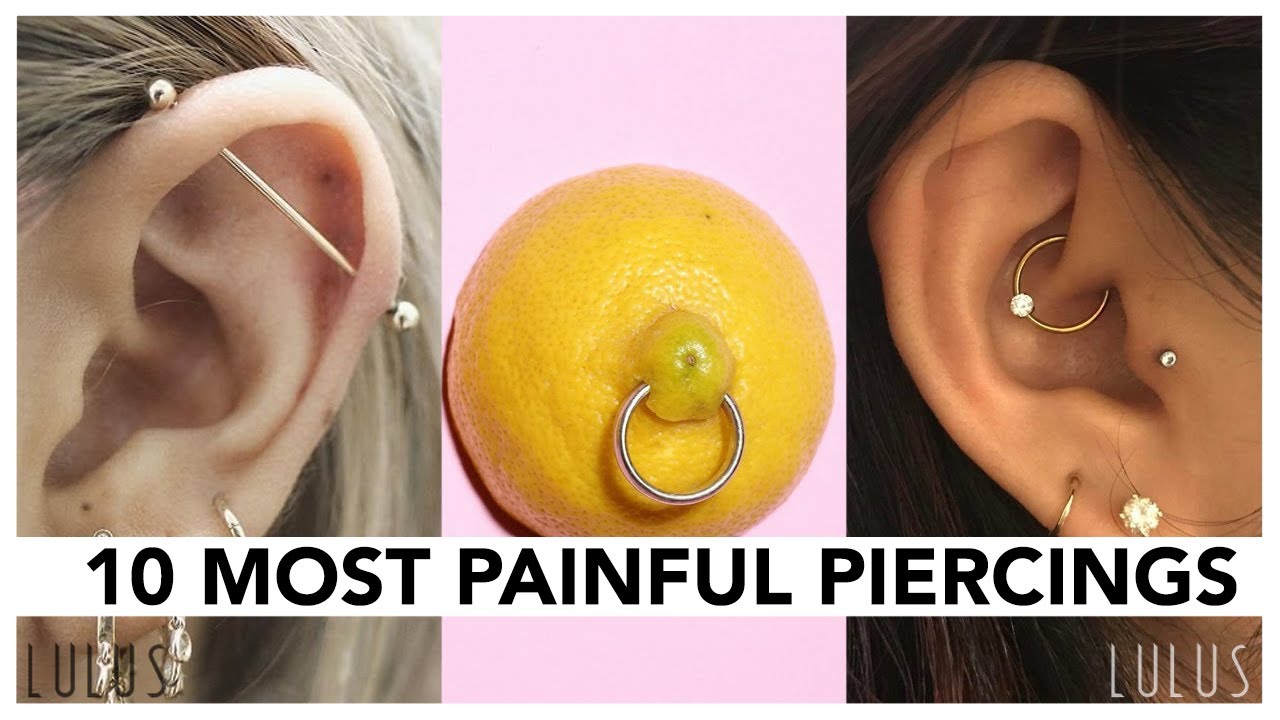
This is a big one, and often the first piercing that comes to mind when people discuss pain. The industrial piercing involves two separate holes in the upper cartilage of the ear, connected by a single piece of jewelry, usually a straight barbell.
Why is it often considered painful? Well, you're essentially pushing through two distinct points of thick cartilage. The piercer has to carefully align these points to ensure the jewelry sits correctly and doesn't put undue pressure on the ear. The sensation can be described as a sharp, intense pressure that lasts a bit longer than a single cartilage piercing. There’s also the element of having two holes being pierced at once, which can amplify the overall experience.
Some people describe it as feeling like a “clamp” or a “vice” as the needle goes through. Plus, the healing process for an industrial can be a marathon, not a sprint. Sleeping on that side can be a challenge, and it’s more prone to irritation if not cared for meticulously.
The Daith Piercing
This one has gained a lot of popularity, not just for its aesthetic appeal but also for its purported therapeutic benefits for migraines. The daith is located in the innermost fold of cartilage, just above the ear canal.
While some people report it as surprisingly manageable, many find it to be one of the more painful piercings. The reason? It's a dense, thick piece of cartilage that the needle needs to navigate. The sensation is often described as a deep, persistent ache or pressure as the needle pushes through. It’s not always a sharp sting, but more of a gnawing discomfort that can linger.
Anecdotally, the healing process can also be a bit tender, especially if you accidentally bump it. The location makes it a bit tricky to keep clean and protected, adding to the potential for discomfort during healing.
The Helix Piercing (Upper Ear Cartilage)
The classic helix is the piercing that goes through the outer rim of your ear cartilage. It’s versatile and can be done in multiple spots along the rim. While not as intense as the industrial or daith for some, it’s still a solid contender for a more painful experience compared to lobes.
The cartilage here is firm, and the needle has to pass through a good amount of it. You can expect a sharp, stinging sensation that’s definitely more pronounced than an earlobe. The amount of pain can vary depending on exactly where on the helix the piercing is done. For instance, a forward helix (closer to the face) might feel different than a standard helix further back.
Healing can also be a bit of a journey. It’s easy to catch your helix piercing on things – like your hair, a scarf, or even a pillow – which can cause a sharp twinge of pain and prolong the healing process. So, while not necessarily the most painful, it’s definitely a step up from your basic lobe.
The Rook Piercing
The rook piercing is positioned in the thickest fold of cartilage that sits above the daith and below the outer rim. It’s a bit of a hidden gem, aesthetically speaking.
This piercing involves going through a substantial amount of cartilage. The sensation is often described as a deep, intense pressure and a sharp sting. Because of the thickness of the cartilage and its relatively less vascular nature, the pain can be quite significant for some. It's the kind of piercing where you might feel a bit of a "pop" or a significant resistance as the needle passes through.
The healing for a rook can also be a bit sensitive, as it’s an area that can easily be irritated by pressure or friction.
The Tragus Piercing
The tragus is that little bit of cartilage that juts out and partially covers your ear canal. It’s a popular spot for studs and small rings.
While not as universally feared as the industrial or rook, the tragus can still pack a punch. The cartilage here is relatively thick and dense, leading to a sharp, stinging pain as the needle passes through. Some people find it quite manageable, while others report it as being surprisingly uncomfortable. Its proximity to the ear canal might also contribute to a feeling of pressure or fullness afterward.
The biggest challenge with a tragus piercing is often during the healing phase. It can be a magnet for earphone use (which you’ll need to avoid!), and it’s easy to bump or apply pressure to this area, leading to soreness.
The "Why" Behind the Pain
So, what’s the common thread here? It always comes back to the thickness and density of the cartilage. The more tissue the needle has to push through, and the less vascular that tissue is (meaning fewer blood vessels), the more pain you’re likely to experience. Nerves are also a factor, and cartilage has more nerve endings than soft tissue.
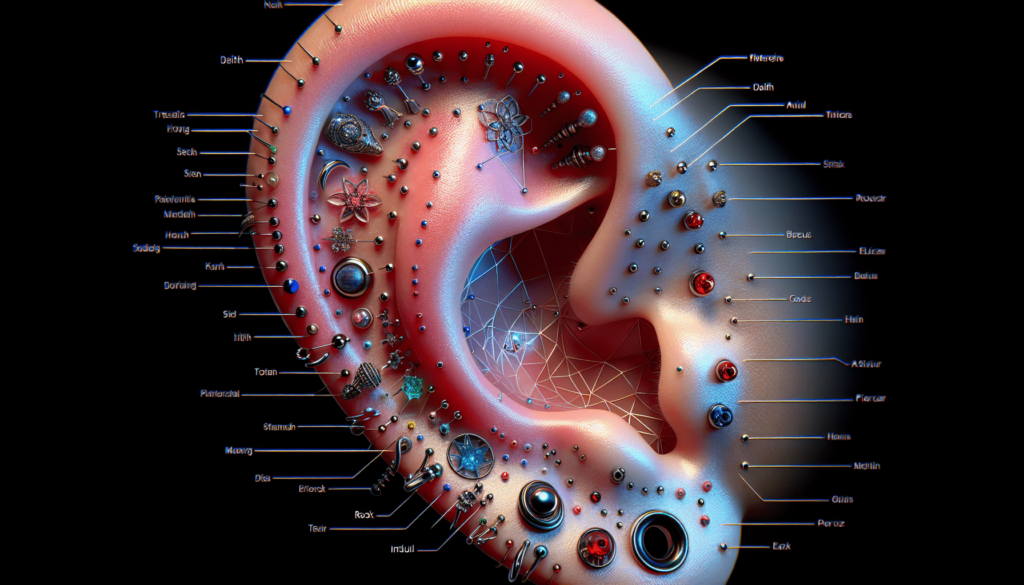
Think about it in terms of anatomy. Your ear is a marvel of cartilage, shaped and structured to catch sound. That structure is tough! When you pierce it, you're breaking through that structural integrity, and your body is sending signals of “ouch!”
Making the Pain (Slightly) More Bearable
While we can’t magically make piercings painless, there are definitely ways to make the experience as smooth as possible:
- Choose a Reputable Piercer: This is crucial. A skilled and experienced piercer will work quickly and efficiently, using sterile equipment and proper techniques. They’ll also be able to advise you on the best placement and jewelry. Don't go to a place that’s just looking to churn out piercings; seek out a studio with a good reputation for cleanliness and professionalism.
- Be Well-Rested and Hydrated: Going into a piercing when you're tired, stressed, or dehydrated can lower your pain tolerance. Eat a good meal beforehand and drink plenty of water.
- Avoid Alcohol and Blood Thinners: Don’t consume alcohol or take aspirin in the hours leading up to your piercing. These can thin your blood, leading to more bleeding and potentially a more uncomfortable experience.
- Communicate with Your Piercer: Let them know if you're feeling particularly nervous. They’ve seen it all before and can offer reassurance and guidance.
- Deep Breathing: Simple, but effective! Take slow, deep breaths as the needle goes through. This can help your body relax and manage the sensation.
- Focus on the Result: Visualize yourself with your beautiful new jewelry! A positive mindset can make a significant difference.
- Aftercare is Key: While not directly related to the initial pain, proper aftercare is vital for a smooth healing process and can prevent secondary pain from infection or irritation.
A Little Fun Fact
Did you know that the practice of ear piercing has been around for millennia? Evidence suggests that ancient Egyptians were piercing their ears as far back as 3000 BC! It was a symbol of status, wealth, and beauty across many cultures, from the Romans to various indigenous tribes worldwide. So, when you get that piercing, you’re tapping into a rich tapestry of human adornment!
The Verdict? It Depends!
Ultimately, the "most painful" ear piercing is a bit of a moving target. While the industrial, daith, rook, and helix are often cited due to their cartilage density, individual experiences can vary wildly.
If you’re looking for the absolute gentlest entry into the piercing world, stick to the earlobes. If you’re ready to venture into cartilage, be prepared for a more intense, albeit often still manageable, experience. Do your research, choose a trusted professional, and go into it with realistic expectations.
A Moment of Reflection
In our daily lives, we often encounter moments that push us slightly out of our comfort zones. Whether it’s a challenging work project, a tough conversation, or even just trying a new workout class, there’s a certain parallel to getting a piercing. We brace ourselves, we experience a brief period of discomfort or intensity, and then, with a little care and attention, we emerge stronger, a little more adorned, and often, with a newfound sense of accomplishment.
So, the next time you’re contemplating that new piece of sparkle for your ear, remember that the journey, while potentially a bit ouchy, is also a small act of self-expression and a testament to our willingness to embrace a little bit of carefully chosen discomfort for the sake of beauty and individuality. Happy piercing!