
What Is The Scrap Price For Stainless Steel

So, you've got some old stainless steel lying around. Maybe it's a leaky pot that's seen better days, or a pile of old pipes from that DIY disaster you'd rather forget. You're probably wondering, "What's this shiny stuff worth?" Well, my friend, we're about to dive into the wild, wacky world of stainless steel scrap prices.
It's not quite as simple as just looking up "shiny metal value" on your phone. Oh no, stainless steel is a bit more… particular. Think of it like a picky eater at a buffet. It has specific tastes.
The Great Stainless Steel Mystery
First off, let's get one thing straight. There isn't one single, magical price for all stainless steel. Nope. It's like asking for the price of "fruit." An apple is different from a pineapple, right? Stainless steel is the same way.
The big boss of stainless steel prices is its grade. Ever heard of 304 or 316? These aren't secret agent codes, though sometimes it feels like it when you're trying to figure them out. These grades tell us what's in the steel, and that's a big deal.
Think of it this way: some stainless steel is like a reliable old friend, perfectly good for most things. That's usually your common stuff, like 304 stainless steel. It’s the workhorse. It’s the stainless steel equivalent of a comfy pair of jeans.
Then there's the fancier stuff, like 316 stainless steel. This one’s got a bit more swagger. It’s built for tougher environments, like near the sea, where it won't get rusty and sad. It’s the stainless steel tuxedo, ready for any occasion.
And guess what? That fancy tuxedo stuff? It usually fetches a little bit more at the scrap yard. Who knew being a little more robust could pay off? It’s a hard knock life for less durable metals, but stainless steel is usually built to last.
Why Does Grade Matter So Much?
The different grades have different amounts of fancy elements mixed in, like nickel and molybdenum. These aren't just random additions; they give stainless steel its special powers – its resistance to rust and corrosion. It’s like adding secret ingredients to a recipe.
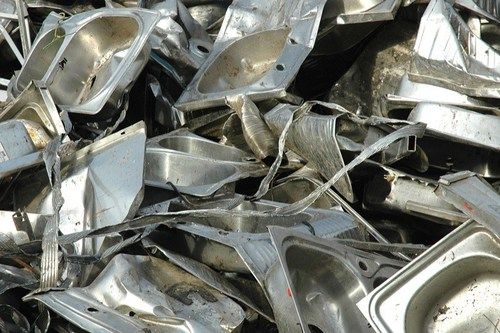
Scrap yards look for these specific ingredients because they can often re-melt them and use them again. It’s recycling at its finest, and also a smart business move for them. They're basically treasure hunters, but their treasure chests are full of old kitchen sinks.
So, when you’re looking at that pile of old pots and pans, remember they're not all created equal. The shinier, more resilient ones might be worth a bit more. It’s a small victory in the ongoing battle against clutter.
The Ever-Shifting Sands of Scrap Prices
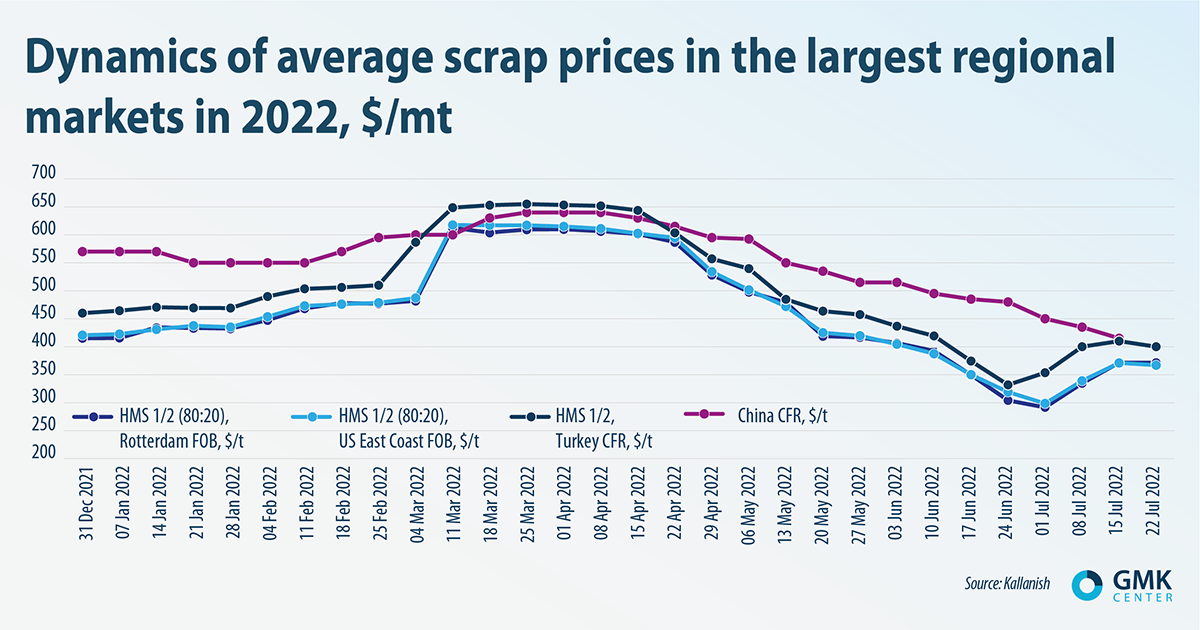
Now, even if you’ve identified your stainless steel grade (good job, by the way!), the price isn't set in stone. It’s more like it’s set in… well, fluctuating metal markets.
Think of it like the stock market, but with less suits and more forklifts. Prices can go up and down faster than you can say "ferrous metals." One day, your stainless steel might be worth enough for a fancy coffee. The next, it might only cover a single lukewarm cup.
What makes these prices dance? It’s a whole mix of things. Global demand is a huge player. If lots of companies suddenly need stainless steel for new cars or medical equipment, the price of scrap goes up. It’s supply and demand, baby!
Then there's the cost of things like fuel. Moving all that heavy metal from your curb to the scrap yard costs money. If gas prices are high, the scrap yard might have to offer you a little less to make their numbers work. It's a domino effect, powered by petroleum.
And let's not forget the international stage. Major players in the global economy can influence metal prices significantly. It's a complex web, and your old colander is unknowingly part of it.
Where to Find Out the Current Price?
So, how do you get the real scoop? You can't just call up a national hotline. You've got to get local. Your best bet is to find a reputable scrap metal dealer in your area.

Many scrap yards have websites where they list their prices. Others prefer a good old-fashioned phone call. Be prepared to describe what you have. "Shiny metal with a few dents" might not cut it.
You might need to give them an idea of the quantity you have. A single pot versus a truckload of old industrial piping will naturally fetch different prices. It’s not a one-size-fits-all transaction.
Also, be aware that there might be different prices for different types of stainless steel. If you know your grades (again, well done!), mention them. It shows you've done your homework, and you're not just tossing random metal at them.
The Unpopular Opinion: It's Not Always About the Money
Here's where I might get a little controversial. Sometimes, I think we get too hung up on the scrap price. I mean, let's be honest. The amount you'll get for a few old pots might not exactly fund your retirement.
But here’s my unpopular opinion: the real win isn't always the cash. It’s the feeling of accomplishment. It’s clearing out clutter. It’s knowing you’re giving that old steel a second life instead of letting it gather dust or, worse, end up in a landfill.
Think about it. That pot you used to make countless meals, that pipe that (eventually) held water – they've served a purpose. Now, they get to be reborn as something new. It's like a metal phoenix rising from the ashes of your garage.
Plus, imagine the conversation starter: "Yep, this new garden gnome? Made from my old toaster oven and some leftover kitchen utensils." It’s way cooler than saying, "I got $17.45 for some scrap."
A Final Word on Stainless Steel Shenanigans
So, while the exact scrap price for stainless steel is a moving target, influenced by grades, market forces, and the mood of the metal gods, there’s a certain satisfaction in the process. It’s a little adventure in the world of recycling.
Don't expect to get rich quick. But do expect to feel good about decluttering and contributing to a more circular economy. And who knows, maybe you’ll score enough for a nice lunch. Every bit counts, especially when it’s shiny and metallic!
Remember to always deal with reputable scrap yards. They’re the gatekeepers of this metallic treasure. And when in doubt, just ask them. They’re the experts in this particular brand of shiny chaos. Happy scrapping!