
What Is The Standard Height For A Workbench
So, you’ve got a workshop, a garage, or maybe just a corner of the shed that’s become your happy place. You’ve got your tools neatly arranged (or perhaps just… present) and your projects waiting to be brought to life. But have you ever stopped to think about your trusty workbench? It’s the silent partner in all your creative endeavors, the sturdy stage for your masterpieces. And just like a good companion, it’s important that your workbench is just the right height. It sounds simple, right? Like knowing how tall your favorite armchair is. But the standard workbench height is actually a little more fascinating than you might think, and it’s got a surprisingly warm story behind it.
Imagine this: a bustling workshop, maybe back in the early 20th century. Folks are hammering, sawing, and tinkering away. What were they doing to figure out the perfect height for their work surfaces? Well, it wasn’t some government agency decree or a committee meeting fueled by lukewarm coffee. Nope. It was born out of pure, practical necessity and a whole lot of trial and error. Think of all those skilled craftspeople, from carpenters to jewelers, standing at their benches, day in and day out. If a workbench was too high, their shoulders would ache. Too low, and they’d be hunched over like a question mark, developing a permanent crick in their neck.
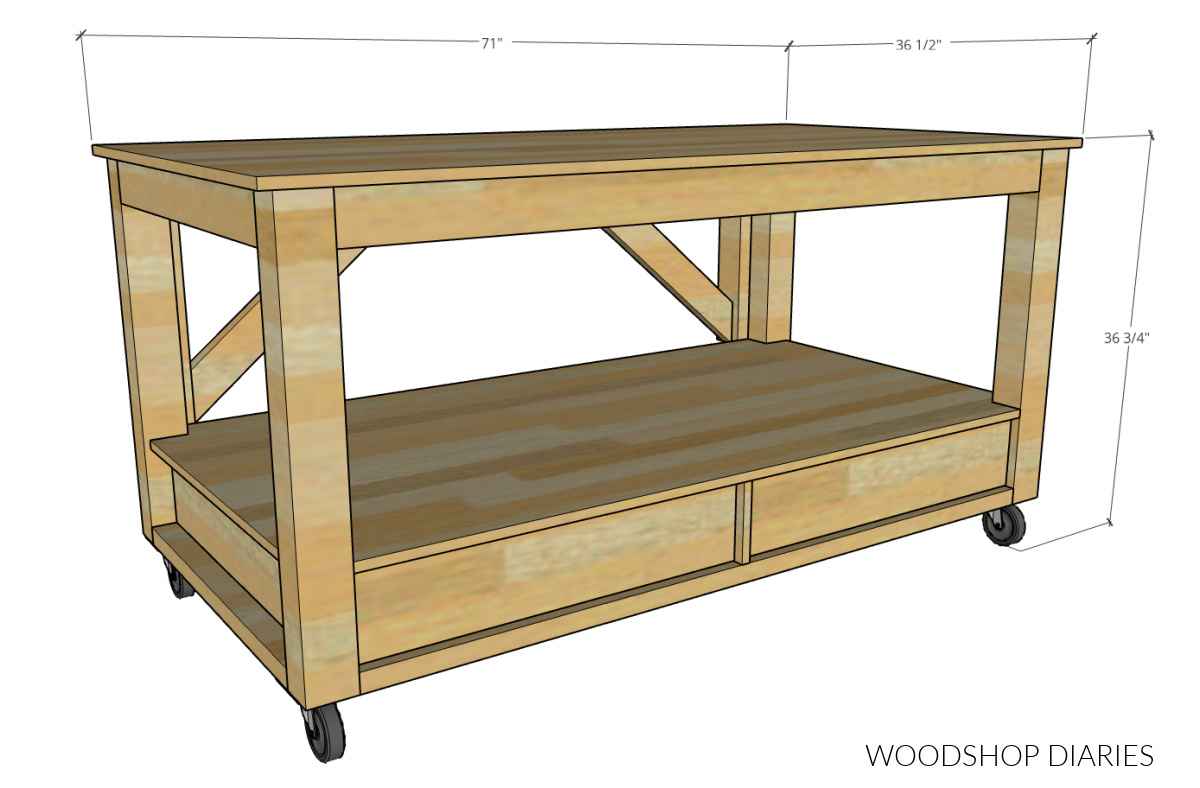
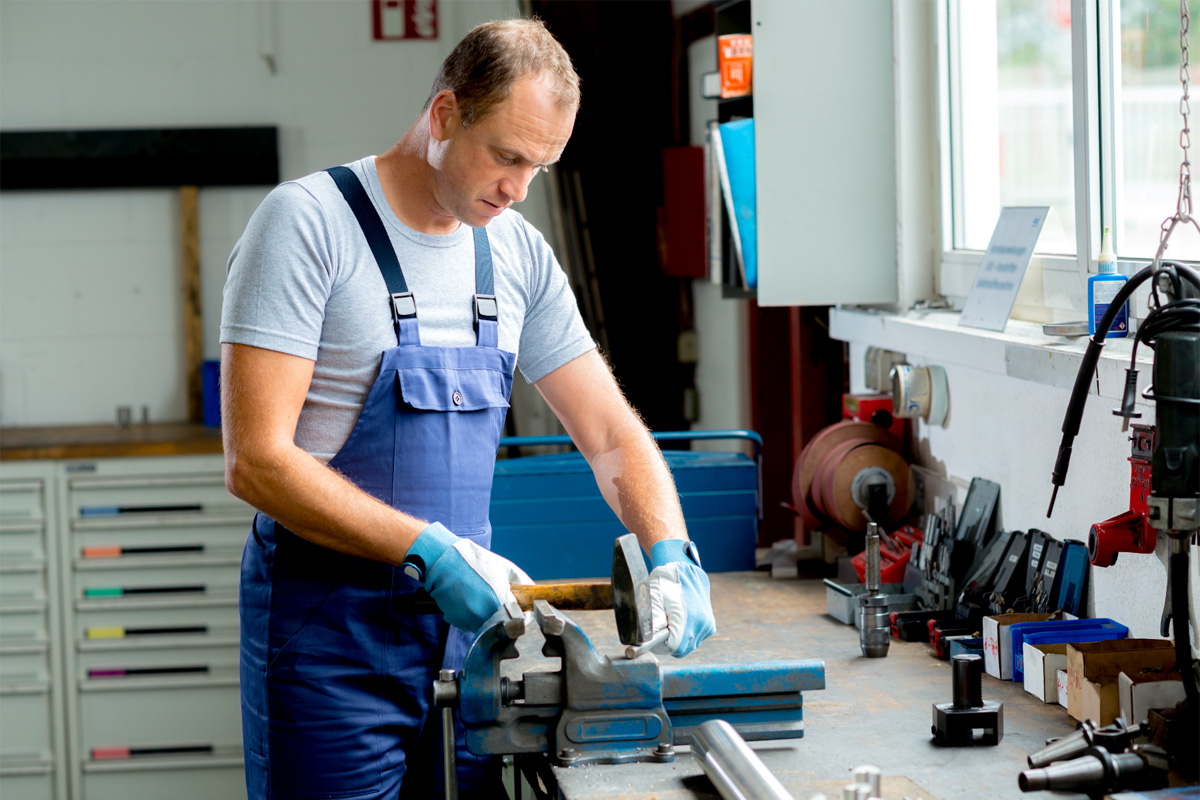
So, what’s the magic number? For the most part, the generally accepted standard workbench height hovers around 34 to 36 inches. Now, that might not sound like much, but consider this: if you were to stand up straight, with your arms relaxed at your sides, and then bend your elbow to about a 90-degree angle, your forearm from elbow to wrist would likely land pretty close to that range. That is your sweet spot. It’s the height that allows for comfortable, efficient work without straining your body. It’s the height that lets you apply just the right amount of pressure when you’re screwing something in, or the perfect finesse when you’re delicately painting a miniature.
But here’s where it gets fun. While 34-36 inches is the “standard,” it’s not some rigid law carved in stone. Think of it more like a friendly guideline. Your grandpa, who built his own house with his bare hands, might have had a workbench that was a hair lower because he was a bit shorter. Or perhaps a towering blacksmith had one that was a bit higher. It was all about what felt right in their hands, what felt natural for their bodies and the specific tasks they were performing. It’s a bit like how no two people have the exact same favorite recipe for apple pie – there are variations, and that’s what makes it personal and special.
Think about the joy of a well-loved workbench. It’s not just a piece of furniture; it’s a character in your workshop’s story. It’s probably got nicks and dings from dropped hammers, a faint patina of sawdust, and maybe even a few stray paint splatters that tell tales of past projects. And that’s part of its charm! The standard height is there to give you a good starting point, a solid foundation, if you will, but the real magic happens when you make it your own. That’s why you’ll see people building their own workbenches, adjusting the legs by a few inches here or there to match their unique stature and working style. It’s a beautiful thing, this customization, this understanding of what makes your space comfortable and productive.
There’s a heartwarming element to this too. Imagine passing down a workbench from generation to generation. The height might have been set by your great-great-uncle, a man you never met, but whose hands shaped wood or metal on this very surface. And now, you’re standing there, working on your own projects, at roughly the same comfortable height. It’s a tangible connection to the past, a silent nod to the shared human experience of creation. The standard height becomes a bridge, connecting you to all those who have come before, all those who have found solace and satisfaction in the act of making.
The standard workbench height is less about rigid rules and more about finding that perfect elbow-to-wrist sweet spot for comfortable and efficient work.
And it’s not just about the height itself, but what that height enables. At the right height, you can stand for longer periods without fatigue. You can maintain better posture, which is crucial for those marathon building sessions or intricate crafting endeavors. It allows for better leverage when you need to apply force, and it provides a stable, accessible surface for your tools and materials. It’s the unsung hero of your workshop, quietly ensuring that your focus stays on the project, not on how much your back is hurting.
So, the next time you’re in your workshop, take a moment to appreciate your workbench. Run your hand over its surface. Notice its height. Is it right around that 34-36 inch sweet spot? If it is, you’re likely benefiting from decades of accumulated wisdom from craftspeople who understood the importance of a comfortable working position. If it’s a little different, that’s okay too! It probably means your workbench is perfectly suited to you, a testament to your own unique needs and your own creative spirit. After all, the most important thing is that your workbench feels like an extension of yourself, a reliable partner in bringing your ideas to life. And that’s a pretty wonderful thing to build on.